







Introduction:Jamaican Blue Mountain coffee is hailed as one of the world’s top Arabica beans, but is it considered a common American-style coffee? This article explores the growing environment of Blue Mountain coffee, the official CIB grading system, and how to identify authentic beans. We’ll also delve into the aroma profile of Blue Mountain No. 1 and the best brewing methods, providing practical pour over parameters to help you fully appreciate the true character of this legendary bean.
Jamaican Blue Mountain coffee is globally recognized as one of the finest Arabica varieties, celebrated for its balanced and rich flavor. Yet many coffee enthusiasts still wonder: is Blue Mountain coffee considered an American-style coffee? In fact, while it can serve as the base for an Americano, Blue Mountain itself is a high-grade Arabica, with Blue Mountain No. 1 being the pinnacle of flavor excellence. This article will start by discussing the growing environment of Jamaican Blue Mountain, examine the Jamaica Coffee Industry Board (CIB) grading system and authentication methods, and guide you through the unique flavor profile of Blue Mountain No. 1, along with recommended pour over techniques—helping you gain a well-rounded understanding of this iconic coffee.
Renowned for its smooth and balanced taste, Jamaican Blue Mountain coffee is one of the most representative offerings in the world of specialty coffee. Even if you’ve never tried it, chances are you’ve heard of “Blue Mountain coffee.” So what makes this coffee from a Caribbean island nation so special? Let’s break it down and explore its origin and flavor essence.
The cultivation area for Jamaican Blue Mountain coffee lies in the Blue Mountains—the highest mountain range in the Caribbean—situated in eastern Jamaica. This region is part of a seismic zone, with volcanic soil rich in various mineral elements, offering ideal conditions for coffee tree growth. Coupled with the cool, moist climate year-round, abundant rainfall, frequent cloud cover, and stable environment, the coffee plants mature slowly. Especially, the significant diurnal temperature variation at high altitudes allows the coffee cherries more time to develop complex flavor compounds, resulting in a cup that delivers sweetness, body, and layered complexity.
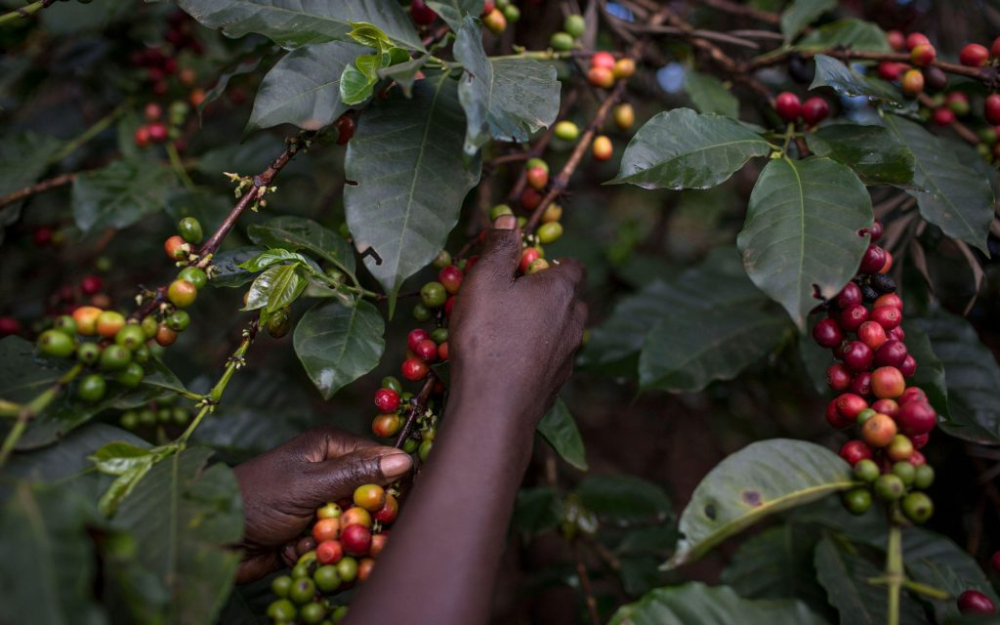
To ensure the quality of Blue Mountain coffee, the Jamaica Coffee Industry Board (CIB) has established extremely strict grading standards. Only Arabica coffee grown at elevationsbetween 910 meters and 1700 metersqualifies to be called “Jamaican Blue Mountain coffee.” Coffee grown below this altitude is classified as “High Mountain coffee” or “Prime coffee.” Due to the rugged terrain of the Blue Mountains, most coffee farms are located on steep slopes, making harvesting difficult. Some high-altitude plots even require skilled local female pickers familiar with the mountainous landscape to hand-select ripe red cherries, ensuring the premium quality of each bean.
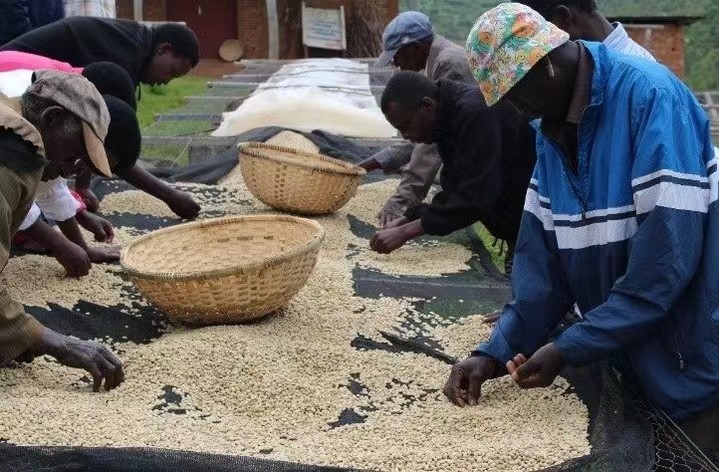
In addition to elevation-based grading, Blue Mountain coffee is also classified according to green beandefect rate, size, and density, divided into four grades: No. 1, No. 2, No. 3, and PB (Peaberry). Among them,No. 1 is the highest grade, requiring green beans to be screened at 17 mesh or above, with a defect rate under 3%, moisture content around 10% to 12.5%, and exhibiting an outstanding balance of sweet, sour, bitter, and rich aromatic qualities. Owing to such rigorous selection, only a limited quantity of Blue Mountain beans meet the No. 1 standard—a reason behind the saying “seen but not tasted.” The Jamaican Blue Mountain No. 1 introduced in this article belongs to this top-tier grade.
Authentic Jamaican Blue Mountain No. 1 coffee is extremely rare on the market, which also makes it a target for counterfeiters. Many sellers offer so-called “Blue Mountain-flavored” or “Blue Mountain blends,” attempting to pass off lower-grade beans. To identify genuine Blue Mountain coffee beans, focus on the following three key factors:
First,authentic Jamaican Blue Mountain coffee is produced by CIB-designated exporters, and the outer packaging bears the official registered logo and the BLUEMOUNTAINCOFFEE® trademark—this is the official certification mark. Second,Jamaica is one of the few coffee-producing regions that still ships green beans in wooden barrels, which is distinctly different from the burlap sacks commonly used elsewhere. Third, high-quality Blue Mountain coffee emits a rich chocolatey and nutty sweetness when ground or brewed, with excellent balance of sweet, sour, and bitter notes on the palate and a smooth, lingering aftertaste.
In addition, officially imported Blue Mountain No. 1 coffee usually comes withan official quality certificate from the Jamaica Coffee Board, authorized documents from the producer, and a certificate of origin—all key evidence for verifying authenticity.
To fully experience the delicate flavors of Blue Mountain No. 1, it is recommended to enjoy it as a black coffee, with pour over being one of the brewing methods that best highlights its layers. To showcase the rich character of Blue Mountain No. 1, many professional baristas opt for the KONO filter cone. Its upper section features a smooth curved surface that allows the filter paper to adhere tightly, and its immersion-style extraction enhances overall richness and body. Compared to the V60, the KONO cone offers a more stable and substantial mouthfeel, making it also suitable for medium-to-dark roasted beans such as Brazilian Queen Estate or Golden Mandheling.
In terms of grind size, it is recommended to usea medium-coarse grind with a 20-mesh standard sieve and approximately 75% extraction rate. This setting helps fully release the flavors while avoiding over-extraction. The water temperature is suggested to be set at88°C, with a powder-to-water ratio of1:15, using 15 grams of coffee as a base, suitable for 1 to 2 servings. A three-stage pouring method provides better control over the extraction pace and improves flavor balance.
In practice, it’s advised to first wet the KONO cone to allow the filter paper to fully adhere to the cone, then discard the pre-wet water. Add 15 grams of coffee grounds, then pour 30 grams of hot water for a 30-second bloom to activate the aromas. Next, pour in a small circular motion from the center outward. When the total water volume reaches 125 grams, perform the first pour. Wait until the coffee bed descends to the middle of the cone, then continue pouring until 225 grams, and finally let the coffee drip through before removing the cone.
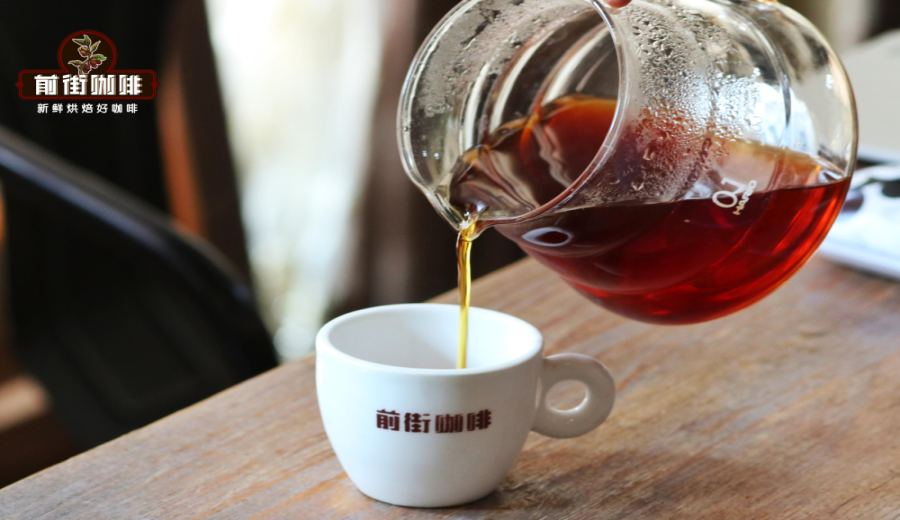
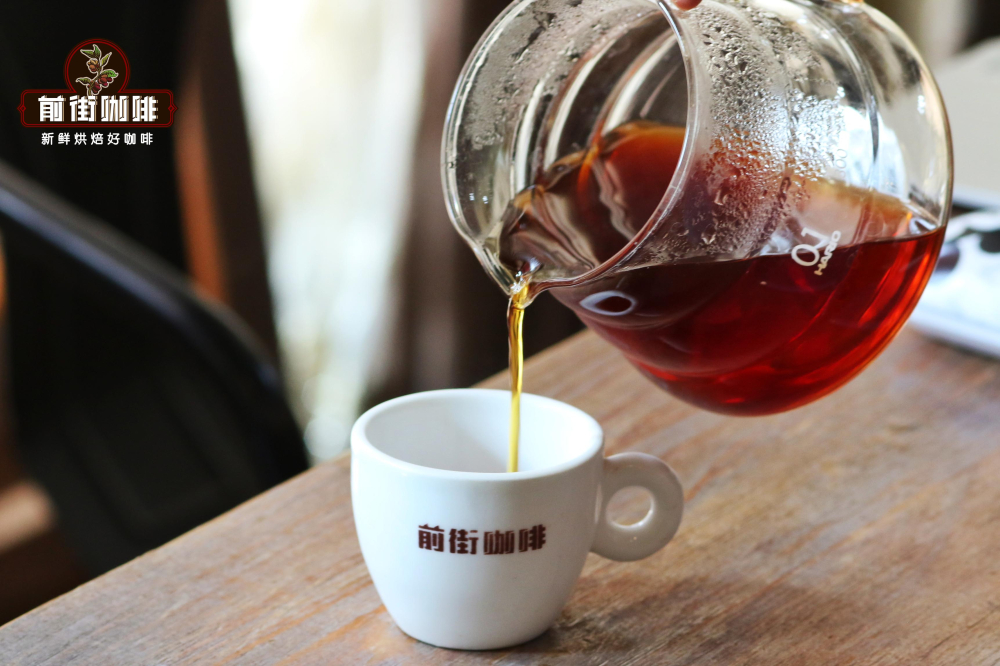
The aroma of Blue Mountain No. 1 is already quite pronounced during grinding. Once brewed, it delivers a distinct roasted nut, chocolate, and caramel sweetness on the palate, with a gentle acidity. The overall flavor is balanced and refined, featuring a silky, rich mouthfeel that showcases the most classic and captivating traits of Blue Mountain coffee.
The above content is compiled by CoffeeHunters, a coffee news website.


