







Introduction:Want to brew Panama Geisha’s delicate floral and fruity notes at home? This article delves into ice pour-over techniques tailored for medium-light roasted Geisha, from the foundational parameters of 92°C water temperature, 15g coffee grounds, and 75g ice, to a step-by-step guide on three-phase pouring. It also compares the flavor profiles of popular beans such as a well-known brand’s Red Label, Green Label, Boquete Geisha, and Flower Butterfly, helping you find the best entry-level option and experience Geisha’s signature bright citrus and peachy tones.
The legendary coffee variety Geisha was first discovered in 1931 on the slopes of Gesha Mountain in southern Ethiopia. It then traveled through Kenya, Uganda, and Tanzania before being introduced to Panama in the 1970s. Initially overlooked, Geisha shot to fame in 2005 when it won the prestigious Panama Cup of Excellence competition, marking a new chapter in the specialty coffee world. The following year, it topped the renowned SCAA International Coffee Tasting Competition, solidifying its unrivaled status in the specialty coffee scene.
Due to Geisha’s exceptionally nuanced and rich aromatic profile, competition organizers later created a separate category for it to ensure fairness and prevent its overwhelming dominance. In the market, Panamanian Geisha from Hacienda Esmeralda fetched record-breaking auction prices between 2006 and 2010, and it remains a dream coffee for many enthusiasts to this day.
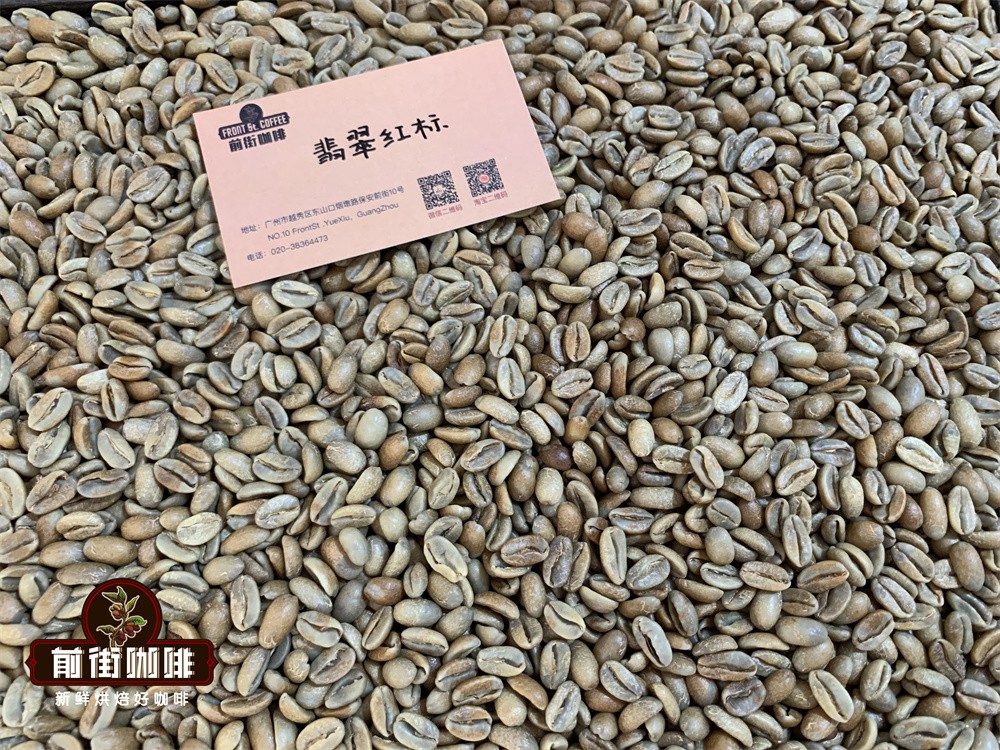
Geisha green beans are slender in appearance, with subtle notes of peach, grass, and berries. When roasted to a moderate degree, it fully showcases its layered and clean floral and fruity characteristics. A single sip reveals an intense yet refreshing burst of floral and citrus aromas, as if wandering through a spring garden. Different growing regions and microclimates also impart diverse flavor profiles—for instance, some batches exhibit distinct lemon and honey undertones. With the cooling effect of ice, the floral notes become more restrained, yet the aftertaste remains vivid and bright.
Among all producing regions, Panama’s Hacienda Esmeralda (also known as La Esmeralda Estate) undoubtedly produces the most renowned Geisha. Since 2005, it has repeatedly won top awards at major global competitions. The estate categorizes its Geisha into different grades, with the brand’s Emerald Red Label and Green Label (the original Blue Label has been discontinued) being the flagship products in the premium Geisha market. However, these top-tier beans come with a hefty price tag, making them more suited for connoisseurship than daily drinking. For those seeking to experience Geisha’s charm within a reasonable budget, the brand’s Boquete Geisha and Flower Butterfly series are excellent entry-level alternatives.
Ice Pour-Over: Three-Phase Technique & Parameter Recommendations
For medium-light roasted Geisha beans, the ice pour-over method is recommended to fully highlight their delicate floral and fruity acidity. Below are practical parameters and steps:
- Coffee Grounds:15g
- Total Water (Hot Water + Melted Ice):Approximately 150g hot water + 75g ice
- Water Temperature:92°C
- Grind Size:20-mesh sieve extraction rate of about82%, equivalent to EK43s setting 9 or C40 setting 22, close to a medium-fine grind
- Filter Cone:Hario V60
- Brewing Method:Three-Phase Pouring
Steps as follows:
First, place 75g of ice in the lower vessel, then put 15g of ground coffee into the V60 filter cone and gently level the surface. For the first pour, use a slow stream of 3–4ml per second, pouring 30g of hot water in small circles from the center outward, and let it bloom for about 30 seconds to awaken the coffee grounds. Next, for the second pour, steadily add 60g of hot water with the same small stream, controlling the liquid level to avoid excessive height that may lead to uneven extraction. Finally, when the coffee is nearly fully drained, pour the remaining 60g of hot water at a rate of about 3ml per second. The total brew time should be controlled between1 minute 50 seconds to 2 minutesto achieve the best balance.

Common mistakes include pouring too quickly, using water that’s too hot, or grinding too coarse, all of which can result in a thin or under-extracted cup. Beginners are advised to fine-tune water temperature and pour rate according to personal taste preferences. For example, those who prefer brighter acidity may slightly increase the water temperature to 93°C, while those who enjoy a fuller body may lower it to 91°C and extend the brew time.
Although all these Geisha beans are medium-light roasted, their flavor profiles vary due to differences in origin, processing methods, and microclimates. For instance, Geisha from the Boquete region often features prominent citrus and honey notes, ideal for those who enjoy a refreshing taste. Meanwhile, the Flower Butterfly combines three varieties—Geisha, Caturra, and Catuai—resulting in a rounder profile with both orange and honey-like sweetness, making it a great value choice for home brewing. No matter which one you choose, ice pour-over will perfectly showcase its intricate layers, making it an excellent option for summer or everyday enjoyment.
The above content is compiled by CoffeeHunters, a coffee news website.


