








Introduction:As one of Ethiopia's most iconic specialty coffee regions, Yirgacheffe is beloved for its distinctive floral aroma and bright acidity. This article will delve into the region’s geographical features and cultivation background, analyze how washed and natural processing methods influence flavor profiles, and recommend a variety of Yirgacheffe coffees—from beginner-friendly to advanced—for different levels of coffee appreciation, helping you find your perfect match.
Before specialty coffee became widely popular, most coffee beans on the market were dark roasted, leaving many with the impression of coffee as bitter and intense. However, around the turn of the millennium, with the rise of the specialty coffee movement, Yirgacheffe from Ethiopia quickly won the hearts of coffee lovers with its refreshing lemony acidity and enchanting white floral notes, rapidly becoming a star region in the specialty coffee scene.
If you’re looking to try Yirgacheffe, a great place to start is with an entry-level washed Yirgacheffe. Offering clear floral aromas, citrus tones, and a soft tea-like mouthfeel at a relatively accessible price, this coffee is not only ideal for those new to specialty coffee but also serves as a fantastic choice for practicing pour over skills—delivering both great value and learning potential.

Ethiopia is considered the birthplace of coffee, boasting a rich diversity of coffee varieties and exceptionally favorable growing conditions. The country is covered with high-altitude plateaus, where significant day-night temperature variations, abundant sunlight during the day, cool yet not harsh nights, along with frequent morning mists and mountain breezes, all create optimal conditions for coffee tree cultivation. In addition to Yirgacheffe, other renowned regions such as Sidamo, Guji, Huila, and Gesha Village are equally famous, each showcasing unique terroir characteristics and becoming vital sources in the global coffee market.
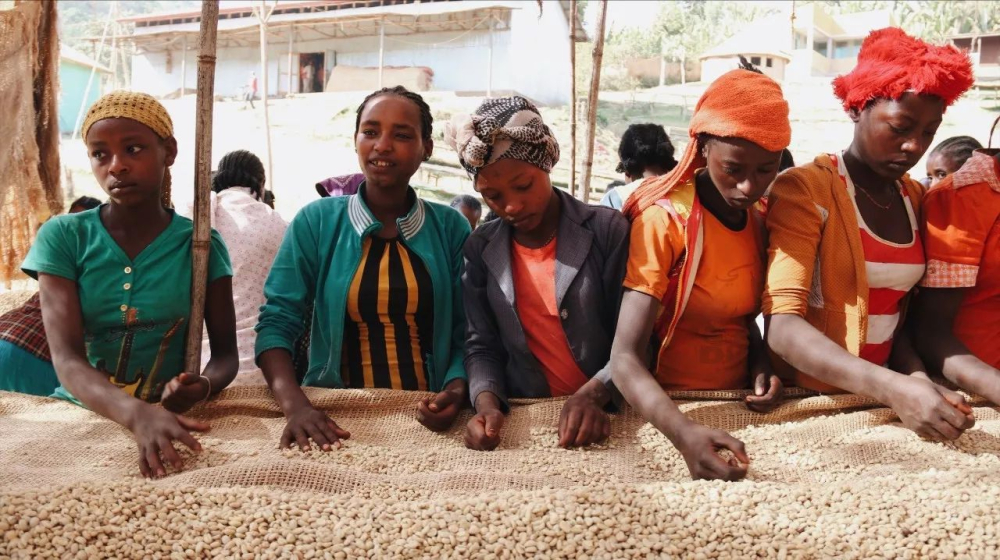
Due to the mountainous terrain, coffee is mostly grown by smallholder farmers, often intercropped with other plants around their homes. Since individual yields are limited, harvested coffee cherries are usually transported to nearby processing stations for centralized processing, and are eventually sold under the name of the processing factory or cooperative. This traditional and natural farming and processing model not only supports the local economy but also preserves the diversity and regional identity of the coffee.
For beginners, it’s recommended to start with washed Yirgacheffe. The washed process highlights the coffee’s fresh and clean qualities, often showcasing bright citrus notes, delicate floral aromas, and a refined oolong tea-like finish. This method effectively reduces impurities and inconsistencies, resulting in a more balanced and clean cup—making it an excellent entry point for understanding the fundamental flavors of Yirgacheffe.
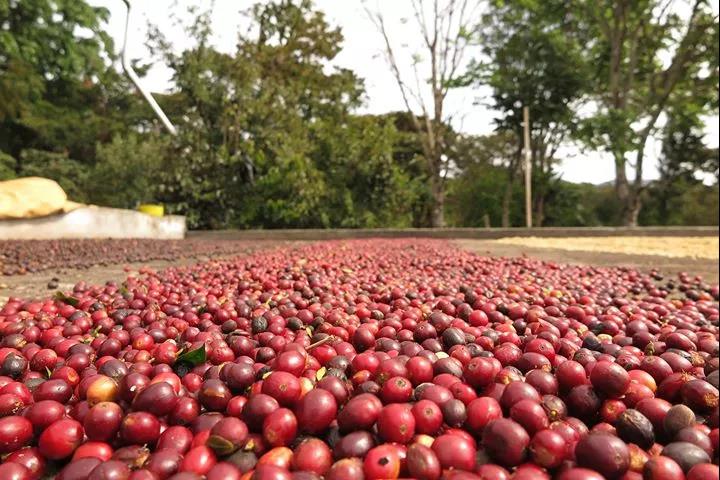
 If you want to explore deeper and richer layers, naturally processed Yirgacheffe is the next choice worth trying. This traditional method involves drying whole red coffee cherries directly under the sun, requiring constant turning to avoid unwanted fermentation. Because the natural sugars in the pulp and mucilage are fully preserved and participate in fermentation, the final coffee exhibits intense berry aromas, sweet apricot notes, and subtle fermented undertones, delivering a fuller body and more complex flavor profile—particularly appealing to those who enjoy mature fruit characteristics.
Another noteworthy washed option is the Guji Dingding Yirgacheffe. Through a meticulous washed process—from sorting and fermentation to drying—this coffee is strictly controlled to highlight pure white floral notes, citrus acidity, and a subtle balance of berry flavors, with a tea-like oolong finish. The introduction of washed processing techniques has helped Yirgacheffe stand out from the Sidamo region, establishing it as a highly recognizable star region in the global specialty coffee market.
For those already familiar with Yirgacheffe’s basic flavors and seeking a more advanced experience, the Yirgacheffe SOE designed for espresso is worth trying. Made from high-maturity red cherries, this coffee enhances the fruit’s full-bodied aromas and is particularly well-suited for espresso preparation, bringing out bright lemon, citrus, and black tea notes. Whether paired with milk for a flat white or enjoyed as a straight americano, it delivers a rich and vibrant coffee experience.
The above content is compiled by CoffeeHunters, a coffee news website.


