








Introduction:Understand what true black coffee is, as well as the core differences in extraction methods between pour over and Americano, and explore the flavor characteristics and suitable audiences of both. This article provides an in-depth analysis of the definition and pros and cons of black coffee, compares common brewing methods, and offers practical parameter suggestions to help coffee beginners choose the right brewing method and bean variety based on personal preference.
The so-called black coffee refers to pure coffee without the addition of sugar, milk, or other flavorings, which can most directly showcase the original aroma and layered flavors of the coffee beans. However, if the quality of the coffee beans is poor, or if the roasting and extraction processes are mishandled, black coffee can easily develop an overly strong bitterness and astringency, negatively affecting the overall drinking experience.
Common options in coffee shops such as espresso, Americano, pour over, and cold drip, despite their varying names and preparation methods, all fall under the category of black coffee from a classification standpoint—the main differences lie in the brewing techniques and equipment used. Among these, pour over coffee extracts slowly through paper filtration, resulting in a cleaner and crisper flavor profile, making it a popular starting choice for many coffee newcomers.

The most notable feature of black coffee is its ability to fully preserve the original characteristics of the coffee beans, including fruity acidity, floral notes, caramel sweetness, or earthy flavors, without being masked by other additives. For those seeking the essential flavors of coffee, black coffee offers the most direct sensory experience. However, if the coffee beans themselves are of mediocre quality, or if they are over-roasted, or if the grind size and water temperature are improperly set, even pure black coffee can taste bitter and unpalatable.
Pour over coffee is a method that uses a manual dripper and paper filter, extracting coffee with hot water at a specific flow rate and angle. First, the coffee beans are ground to a medium-fine consistency and placed in the dripper for about 30 seconds of blooming to allow the coffee grounds to release carbon dioxide and activate the aroma. Then, water is poured in a steady circular motion to gradually extract the coffee liquid. During this process, factors such as water temperature, grind size, coffee-to-water ratio, and pouring technique will significantly affect the final flavor outcome.
It is generally recommended to use a water temperature between 90–93°C for pour over, and the coffee-to-water ratio can be set between 1:15 and 1:16 according to personal preference. Medium-light roasted beans are suited to higher water temperatures and finer grinds, which help bring out bright acidity and aroma. For example, a medium-light roasted washed Ethiopian Yirgacheffe bean, using a 1:15 coffee-to-water ratio, 91°C water temperature, and medium-fine grind, can showcase clear citrus acidity, soft floral notes, along with honey-like sweetness and a green tea aftertaste—achieving a balanced and layered acidity-sweetness profile.
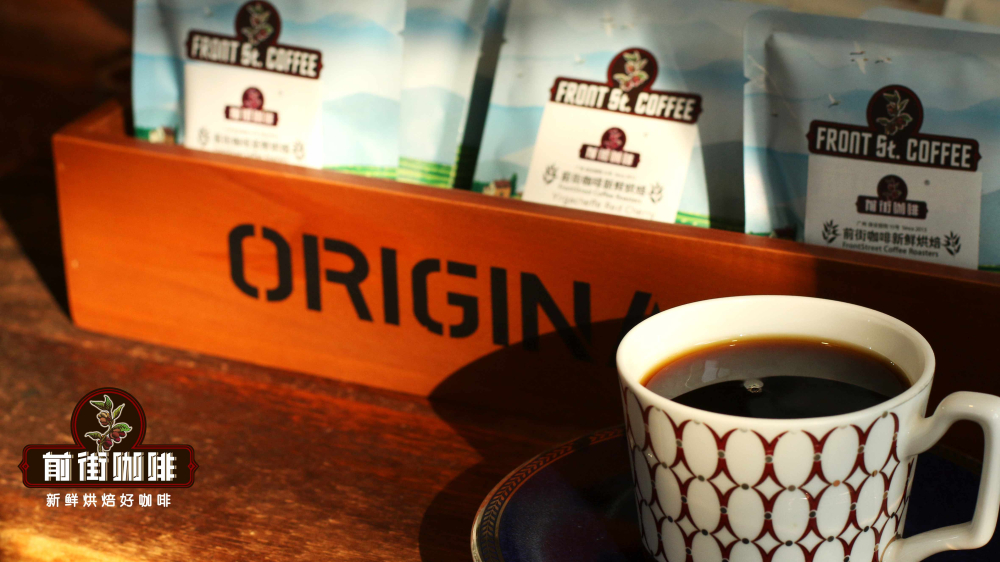
Additionally, if you prefer a coffee with a richer mouthfeel and pronounced sweetness, medium-dark roasted Brazilian pulped natural beans are also a great choice. Brewing with a 1:15 coffee-to-water ratio, 88°C water temperature, and medium-coarse grind often brings out flavors of nuts, caramel, and creaminess, resulting in a smooth and rounded mouthfeel—suitable for those who prefer lower-acidity coffee.
Compared to Americano, which often uses dark roasted beans and pressure-based extraction (such as with espresso machines), pour over coffee relies on natural gravity filtration, resulting in an overall extraction flavor that is cleaner, crisper, and more moderate in strength—making it especially suitable for those new to coffee. If you prefer coffee with distinct acidity and sweetness, consider starting with medium-light roasted beans from African regions, such as Ethiopia or Kenya; if you want to experience rich sweetness, opt for medium-roasted beans from Central and South America, such as Panamanian Geisha or Costa Rican honey-processed beans; and if you’re drawn to bold and full-bodied flavors, you might want to challenge yourself with medium-dark roasted beans from Asian regions, such as Indonesian Mandheling or Yunnan small-leaf varieties.
The above content is compiled by CoffeeHunters, a coffee news website.


