







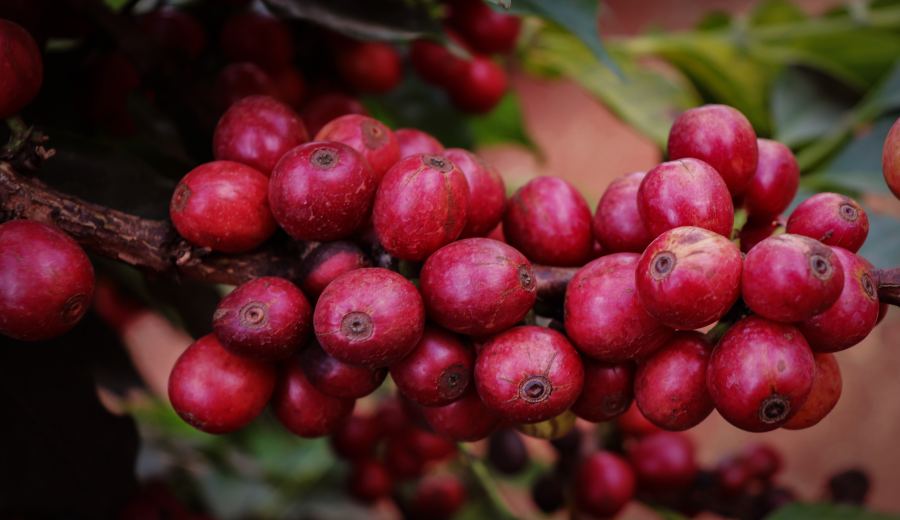
Introduction:Kenyan coffee is renowned for its bright acidity and complex layers, yet it often elicits mixed reactions. Is this acidity a defining feature or a flaw? This article delves into the flavor secrets of the Kenyan Asali AA Top Cherry Tomato coffee beans, exploring everything from high-altitude volcanic soils and classic SL varieties to the citrus and berry notes brought out by washed processing. We also provide expert pour-over parameters and techniques to help you consistently brew a balanced, sweet-and-sour premium Kenyan coffee at home.
In the global specialty coffee scene, Kenyan coffee has always played a unique role. With its intense acidity, full body, and multi-layered aromas, it is considered a delicacy by many coffee enthusiasts, though it may be off-putting to first-timers. Is this pronounced acidity a drawback or an advantage? The answer lies in Kenya’s exceptional geographical environment and meticulous processing methods.
Take the commonly seen Kenyan Cherry Tomato coffee beans, for example. These beans, produced by the Asali washing station in the Thika region, are grown at altitudes between 1550 and 1750 meters on mineral-rich volcanic soils, and are of the iconic SL28 and SL34 varieties. Through a 72-hour washed process, these beans exhibit unique fruity profiles, particularly bright acidity and distinct citrus and berry flavors.
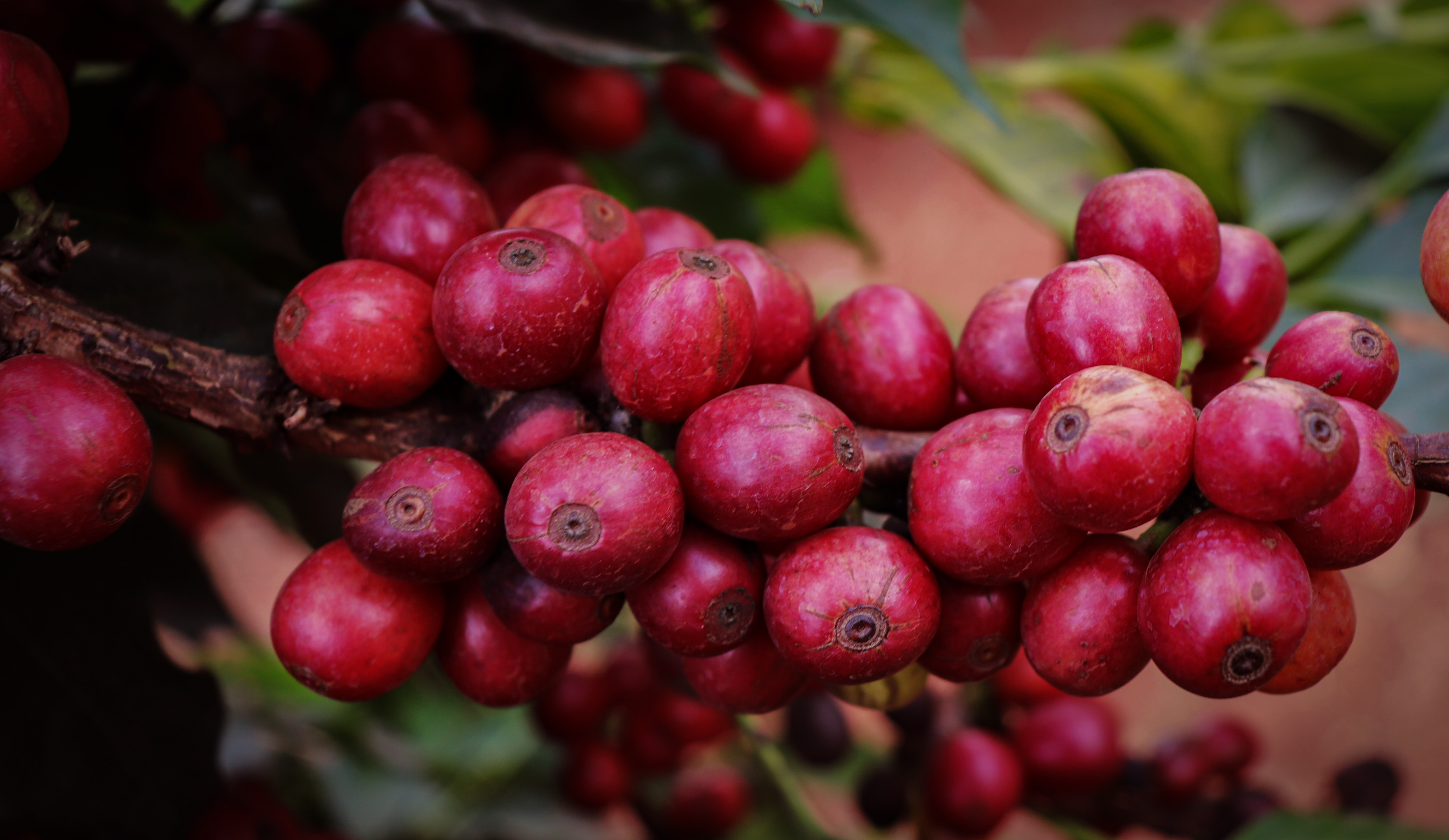
Opinions on Kenyan coffee are sharply divided. Fans praise its layered, sweet-and-acidic complexity, while newcomers may be put off by its strong acidity. In reality, Kenya’s status as a top-tier specialty coffee origin is due to its comprehensive industry chain, smallholder-dominated management model, and unparalleled natural conditions. High-altitude cultivation and volcanic soils give the beans a dense structure and a rich foundational flavor.
Altitude plays a crucial role in coffee flavor. Generally, the higher the altitude, the lower the temperature, and the slower the ripening of coffee cherries—allowing more time for the development of complex flavor compounds.Coffee beans grown at high altitudes are denser, with more concentrated sugars and aromatic compounds.Additionally, well-drained environments reduce pest and disease threats, further enhancing quality. This is why many of the world’s top coffee regions are located in mountainous areas.
Volcanic soil is another major asset. Rich in minerals such as phosphorus, potassium, boron, iron, and zinc, it provides abundant nutrients for coffee trees while offering excellent drainage to support healthy root development.The microclimates and shading effects common in volcanic regionsalso slow the ripening process of coffee cherries, further increasing flavor complexity.
As for the varieties, Kenya’s most famous SL28 and SL34 are not arbitrarily named strains but the result of research by Scott Laboratories (abbreviated as SL) in the 1930s. While there are now many recognized SL varieties, SL28 and SL34 are highly regarded for their outstanding performance in the specialty coffee arena. These two varieties are genetically related to Bourbon and thrive in high-altitude environments, showcasing exceptional flavor potential.
SL28 trees are tall with green leaves, drought-resistant but susceptible to leaf rust and nematodes. Their coffee cherries are typically larger, and with proper management, yield lower losses. SL34 resembles SL28 in appearance but has dark bronze leaf tips, slightly higher nutrient requirements, slightly lower yields, and faces similar disease challenges. Yet, after decades of local adaptation, these two varieties have become the soul of Kenyan coffee, accounting for an estimated 80% or more of the country’s exported coffee.
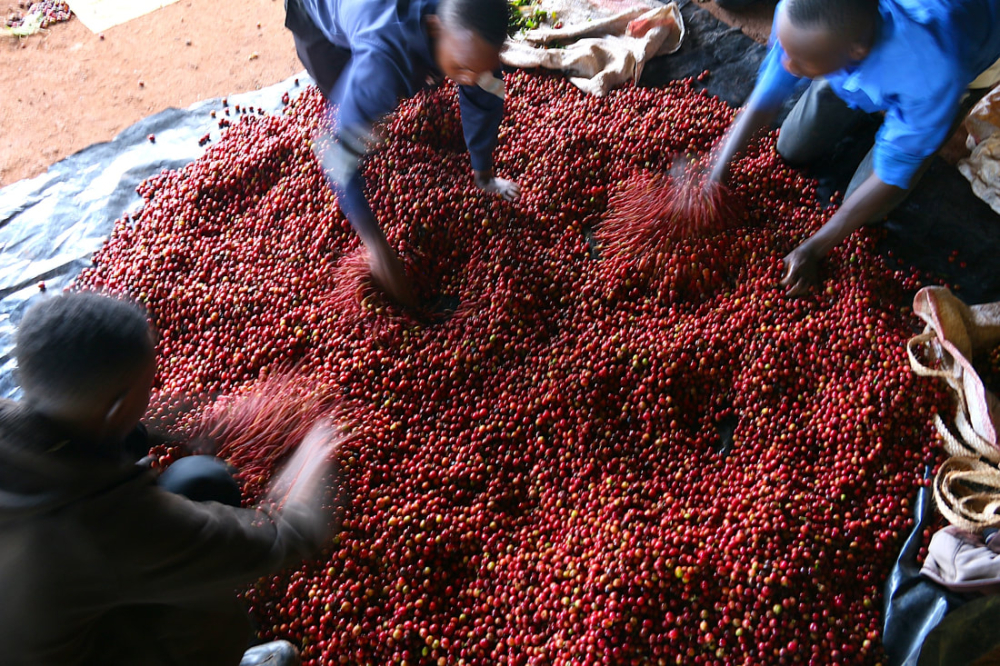
Kenya’s washed processing method is also key to shaping its flavor profile. The 72-hour fermentation and washing process effectively removes the mucilage while preserving acidity and aroma, resulting in clear fruit notes such as citrus, berries, and even a subtle hint of cherry tomato. However, this flavor profile also makes brewing more challenging, with many amateur brewers at home often encountering issues of excessive acidity or bitterness.
To consistently extract the essence of Kenyan coffee, we recommend the following professional pour-over parameters:V60 dripper, water temperature 91°C, coffee-to-water ratio 1:15, coffee dose 15 grams, grind size passing 80% through a Chinese No. 20 standard sieve.The specific steps are: start with a 30-second bloom using 30 grams of water, then pour in a small circular motion until reaching 125 grams for the first pour. When the water level drops just about to expose the coffee bed, continue pouring to 225 grams and stop. Finally, when the water level drops again just about to expose the coffee bed, remove the dripper. The total brew time is approximately 2 minutes. Fine-tune the water temperature or grind size to your taste to find your ideal balance.
The above content is compiled by CoffeeHunters, a coffee news website.


