







Introduction:An in-depth exploration of the "Mozart" coffee from Costa Rica’s Musician Series, covering its growing region, cultivated varieties, and the differences between its raisin honey and anaerobic honey processing methods. Includes professional pour over parameters and flavor profiles. Ideal for coffee enthusiasts interested in high-altitude SHB beans, honey processing techniques, and those seeking sweet, fruity, and floral notes.
Black coffee doesn’t always have to be intensely bitter. In fact, it can better showcase the original and pure flavor characteristics of coffee beans. Coffees from different regions often exhibit distinctly unique personalities—Ethiopian coffees are known for their bright floral notes and pronounced citrus acidity, Colombian coffees offer gentle fruit acids and elegant floral aromas, Brazilian coffees lean toward rich nuttiness and caramel tones, while Panamanian coffees are famed for their citrus, tropical fruits, and layered aromatics. The Costa Rica Musician Series, named after world-renowned classical composers, highlights the unique terroir of each origin. Among them, “Mozart” stands out with its sweet fruity aroma and clear layering, making it a favorite among many coffee lovers.
Why is this coffee named “Mozart”? The inspiration comes from the musical genius Wolfgang Amadeus Mozart, who delighted the world with his melodies and had a deep love for coffee. Throughout his life, he composed countless beloved works such as "The Magic Flute" and "Serenade," and legend has it that coffee was a key source of his creative inspiration. Just as Mozart’s music reveals greater depth the more you listen, this coffee also unveils multi-layered aromas and sweetness as you savor it over time.
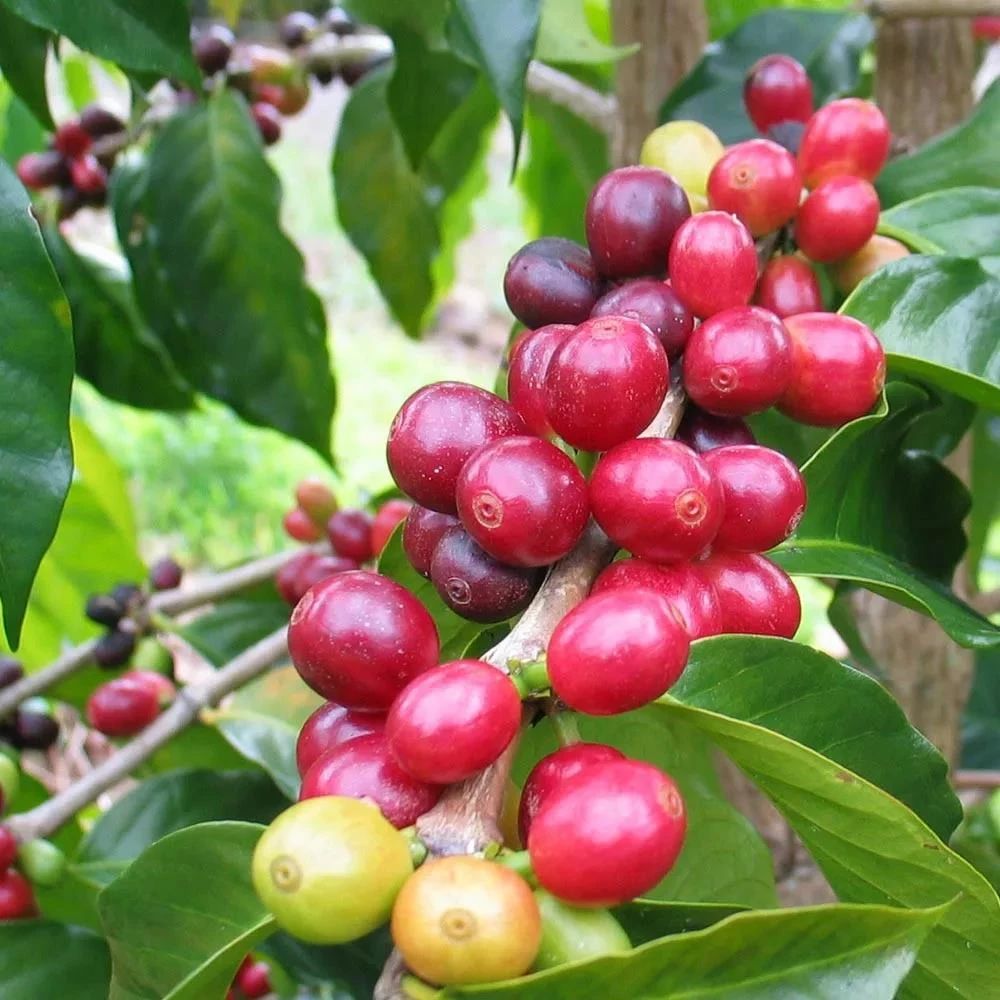
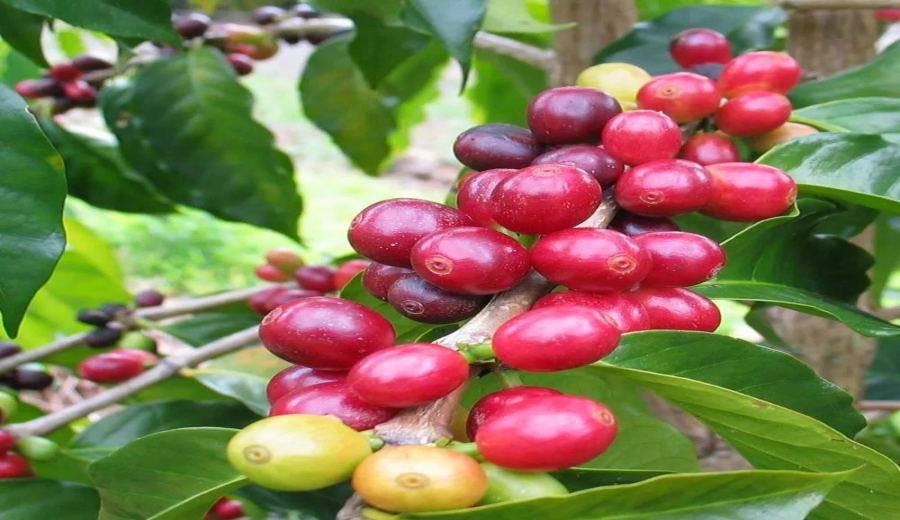
The Costa Rica Musician Series comes from the Carnet Estate, located in the high-altitude Tarrazú growing region. Situated at elevations between 1,700 and 1,950 meters, the estate produces SHB (Strictly Hard Bean) grade beans, primarily cultivating Caturra and Catuaí varieties. Through different post-harvest processing methods, the estate imparts rich aromas and a balanced acidity-sweetness profile. This small family-owned farm, managed by the three Robles brothers across just five hectares, has earned high international acclaim thanks to its meticulous management and water treatment facilities.
The variety used for this Mozart coffee bean is H1, fully named Centroamericano H1, a hybrid developed by Nicaragua’s Sebaco laboratory. It originates from a cross between Rume Sudan and Sarchimor T-5296. While Rume Sudan boasts excellent flavor qualities, it is weak in disease resistance. H1 successfully inherits its elegant flavor traits while also offering greater stability, making it highly suitable for high-altitude cultivation environments.
Regarding processing methods, the supplied Mozart coffee has been released in two versions: Raisin Honey (Natural Honey) and Anaerobic Honey (Anaerobic Honey). Both retain some or all of the mucilage, but their fermentation and drying methods differ significantly, resulting in unique flavor profiles.
For the Raisin Honey version of Mozart coffee, unripe or overripe beans are first removed via floatation on the day of harvest. The whole coffee cherries are then placed on raised beds to dry for at least three days before the outer skin is removed, keeping the full mucilage intact for subsequent slow drying. This method maximizes sugar conversion, resulting in a coffee with intense fermented aromas, a white wine-like body, distinct berry acidity, and honey-like sweetness, with a subtle sugarcane-like sweetness lingering in the aftertaste.
The other Anaerobic Honey version involves removing the outer skin and pulp of the coffee cherries while retaining the sticky mucilage layer. These are then placed in a low-temperature (10–15°C), sealed anaerobic environment for fermentation lasting over three days. This process controls the rate of sugar breakdown, slows the pH drop, and thereby accumulates a richer array of aromatic molecules and sweet precursor compounds. After fermentation, the beans are sun-dried, ultimately delivering a smooth, mellow cup with complex and varied fermented layers.
In terms of roasting, to highlight the complex fruity and syrupy characteristics of the Anaerobic Honey Mozart, roasters typically opt for a medium roast. This preserves the sweetness of the mucilage while bringing out delicate acidity and a rich body. The Raisin Honey version, with its naturally high sweetness and fermented traits, is well-suited to a similar roast level to achieve balanced flavors.
For brewing recommendations, it is advised to use freshly roasted coffee beans (ideally within 5 days post-roast) and allow the beans to undergo a 4 to 7-day degassing period to reach their optimal flavor window. If purchasing pre-ground coffee, it is recommended to brew immediately to prevent rapid flavor loss. Common mistakes include neglecting the degassing period or over-grinding and storing the coffee, both of which may lead to aroma degradation.
It is recommended to use a Hario V60 dripper, with water temperature controlled at around 90°C. The coffee-to-water ratio is set at 1:15 (e.g., 15 grams of coffee to 225 milliliters of water). The grind size should be medium-fine (similar to 80% extraction through a standard Chinese No. 20 sieve). The brewing process can follow a three-stage pour over method: the first stage involves pouring double the coffee’s weight in water (about 30 grams) for a 30-second bloom to release CO₂; then continue pouring with a slow stream until reaching 125 grams, followed by a second pour to a total of 225 grams. The total extraction time is about 2 minutes. This method highlights clear layers and bright fruit acidity while enhancing sweetness.
In terms of flavor, the Raisin Honey Mozart coffee often presents pronounced notes of raisins and dried fruit sweetness, blended with fermented syrupy aromas and berry acidity, with a sugary-rounded sweetness lingering in the aftertaste. The Anaerobic Honey version, at higher temperatures, showcases rose floral notes and raisin aromas, gradually revealing orange freshness, berry tartness, and distinct fermented wine notes as it cools, with a long-lasting pineapple-like finish.
Whether you’re enjoying a moment of solitude or relaxing with soft music, this Costa Rican Mozart coffee, inspired by a musical maestro, offers a sensory journey that goes beyond mere stimulation. Delving into its origin background, processing craftsmanship, and brewing details will give you a more complete understanding of specialty coffee.
The above content is compiled by CoffeeHunters, a coffee news website.


