







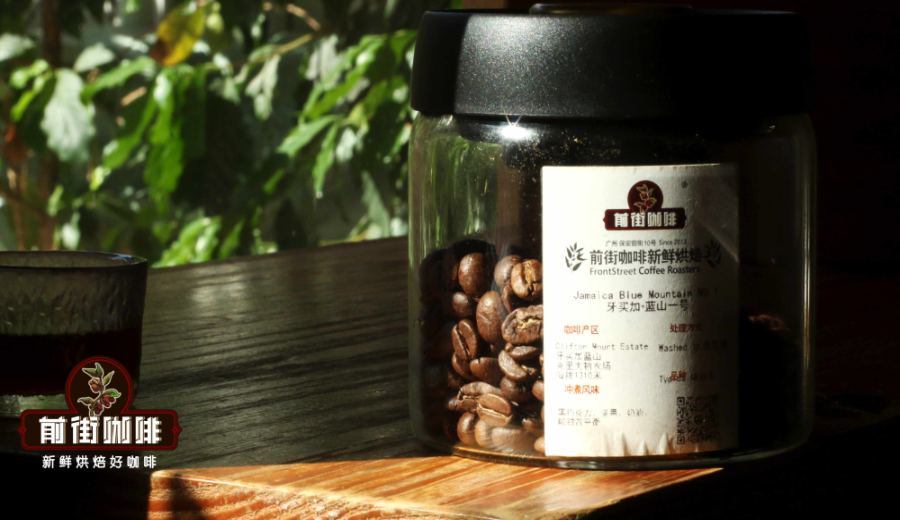
Introduction:Want to understand where authentic Jamaican Blue Mountain coffee truly comes from? And how choosing different roast levels when brewing pour over can change the flavor profile? This article delves into the legal growing region criteria, unique geographical environment, and meticulous processing procedures of Blue Mountain coffee. It also provides a detailed breakdown of roast stages from light to medium-dark, including color changes and flavor profiles, helping pour over beginners master the art of pairing roast levels with extraction parameters.
Blue Mountain coffee is arguably a legend in the coffee world. Yet many people have heard of it but don’t know exactly where it comes from or what qualifies as genuine Blue Mountain coffee. In addition, the flavor direction of pour over coffee largely depends on the roast level of the beans. This article will explore two main topics: first, the geographical environment of Jamaica’s Blue Mountain range, the legally defined Blue Mountain cultivation area, and the refined processing procedures; second, the common roast levels used in pour over—from light to medium-dark—analyzing drop time, appearance color, and flavor characteristics. This will help beginners adjust their pour over strategies based on roast level and further improve extraction quality.
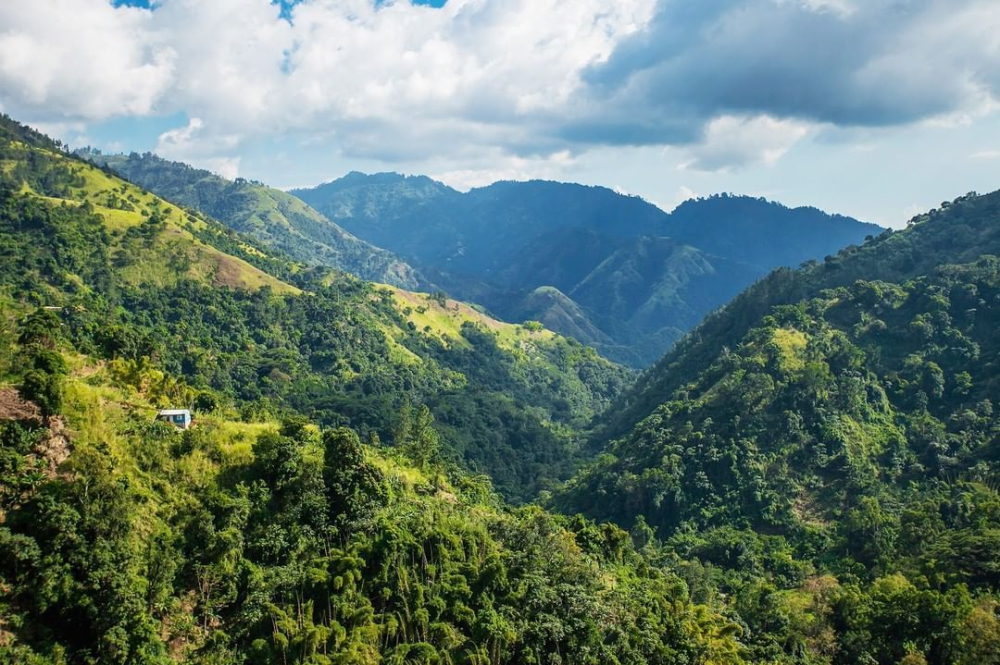
The origin of Blue Mountain coffee lies in the Blue Mountains of eastern Jamaica. This mountain range extends vertically along the eastern side of the island, with its main peak reaching an elevation of 2,256 meters, making it the highest peak in the entire Caribbean region. On clear days, sunlight reflecting off the surrounding sea causes the mountaintops to shimmer with a clear, bright blue hue reminiscent of the ocean—this is the origin of the name “Blue Mountain.” The region boasts fertile soil, mostly volcanic, along with a cool and moist climate. It receives an average annual rainfall of about 1,980 mm, maintains a stable day-night temperature difference of around 27°C, and is perpetually shrouded in mist, providing an ideal growing environment for coffee trees.
However, not all coffee grown in the Blue Mountain range qualifies as Blue Mountain coffee. According to official standards, only coffee beans grown at elevations between 910 and 1,700 meters can be labeled as “Blue Mountain coffee.” Coffee grown between 460 and 910 meters is referred to as “Jamaica High Mountain” coffee; those grown below 460 meters can only be called “Jamaica Low Mountain” coffee. As for coffee produced outside the Blue Mountain range, it is generally classified as regular “Jamaica coffee” and cannot bear the Blue Mountain name.
Most Blue Mountain coffee is processed using the washed method. First, the outer skin and pulp of the coffee cherry are removed, leaving the mucilage-covered seeds, which are then soaked in clean water for approximately 12 to 18 hours of fermentation to break down and remove the remaining fruit mucilage layer. After fermentation, the beans undergo multiple rinses and manual sorting to ensure consistent quality. The beans, still encased in their parchment, are then spread out on cement floors or thick mats to dry naturally until their moisture content drops to 10% to 12%. Finally, these beans are stored in specially made oak barrels in a controlled, constant temperature and humidity environment. This entire processing procedure also echoes the philosophy proposed by specialty coffee pioneer Erna Knutsen: select premium varieties and grow them at altitudes, in soils, and under climates that offer the greatest flavor potential.
For pour over beginners, mastering extraction often starts with understanding the roast level of the coffee beans. Different roast stages directly influence the balance of acidity and sweetness, aroma expression, and flavor complexity. Knowing the drop timing and corresponding roast level helps adjust grind size, water temperature, and brewing time, thereby highlighting the bean’s optimal flavor profile.
First is light roast, also known as “Cinnamon Roast,” typically dropped just as the first crack begins to the point where it becomes more intense. At this stage, the beans appear light cinnamon in color, with grassy notes greatly diminished. Acidity is bright, and aromas lean toward fruity and floral, but the overall profile is vibrant and refreshing, with higher acidity. Suitable for those who prefer pronounced acidity, it is commonly used for Americano brewing. However, the beans are relatively hard, so care should be taken not to use excessively high water temperatures.
Next is medium roast, also called “medium-light roast,” usually dropped during the first crack becoming intense to when the first crack ends. At this point, the bean surface turns chestnut-colored, with a more balanced acidity and bitterness. Aromas are soft yet layered, preserving much of the bean’s original regional characteristics and fruity notes. This roast level suits most pour over scenarios, especially recommended for Americano or blend brewing, with an overall taste that is fresh and well-balanced.
Medium-dark roast, also known as “High Roast” or “intensity roast,” is dropped at the end of the first crack. The bean surface turns light reddish-brown, with acidity and bitterness more integrated, and flavors featuring a hint of natural sweetness. The taste is refreshing yet full-bodied, suitable for drinkers who enjoy complex layers. This roast level is believed to highlight the rich qualities of Blue Mountain coffee and is also suitable for high-altitude beans such as Tanzanian Kilimanjaro, offering a balanced profile with lingering aftertaste.
Lastly is city roast, also referred to as “medium-dark roast,” dropped after the first crack ends—approaching but not yet entering the second crack. Beans at this roast level display a light brown color, with a well-balanced acidity-to-bitterness ratio. Acidity is milder, and the taste is bright and lively, representing the most widely accepted mainstream roast style. This stage fully showcases the floral, fruity notes, and sweetness in the coffee, making it a favorite roast level among many pour over enthusiasts. It suits various brewing methods and flavor preferences.
The above content is compiled by CoffeeHunters, a coffee news website.


