







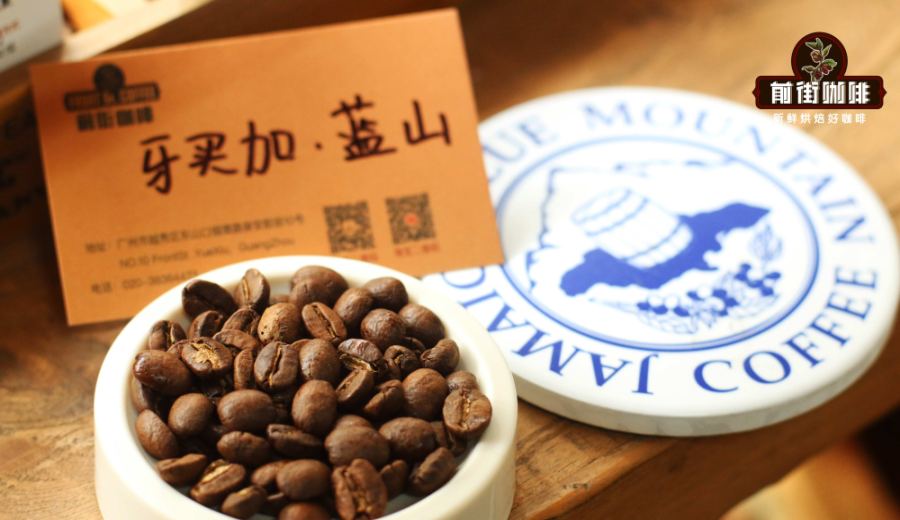
Introduction:Jamaica Blue Mountain coffee is often hailed as the king of coffees, while Arabica is synonymous with specialty coffee. What is the connection between the two? Is Jamaica Blue Mountain classified under the Arabica species? This article will take you on an in-depth journey to explore the varietal origins of Blue Mountain coffee—Typica—and uncover its botanical characteristics, growing environment, cultivation challenges, and flavor profile. We’ll also provide practical pour over parameters to help you fully grasp the secrets behind the flavor of Blue Mountain, from variety to brewing.
Jamaica Blue Mountain coffee has long been celebrated as the “king of coffees,” beloved by coffee enthusiasts for its delicate balance and long, lingering aftertaste. Nowadays, when it comes to high-quality coffee, the term “Arabica” frequently comes up due to its diverse varieties and refreshing, clean flavors. So, is Blue Mountain coffee really Arabica? What kind of relationship does it have with Arabica? This article will break it down in simple terms, exploring everything from the origin of the region’s name to the fact that it belongs to the most traditional and pure Typica variety under the Arabica umbrella.
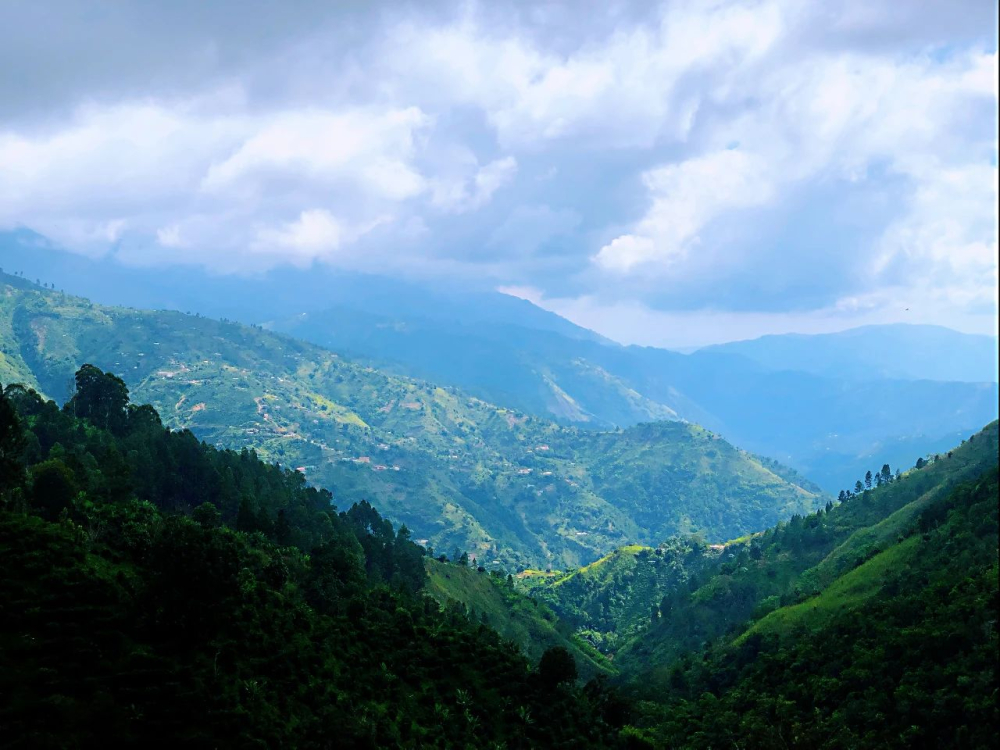
First, let’s clear up a common misconception: Blue Mountain is not the name of a coffee variety, but rather the name of a mountain range located in eastern Jamaica. The Blue Mountains lie in the Caribbean Sea, surrounded by azure waters, and their peaks often shimmer with a faint blue hue under the sunlight, hence the name. With elevations exceeding 2,000 meters, the area enjoys a cool and moist climate, fertile volcanic soil, and is often shrouded in clouds—making it an ideal place for coffee cultivation. Jamaica Blue Mountain coffee actually refers to Arabica coffee beans of the Typica lineage grown in this specific high-altitude region.
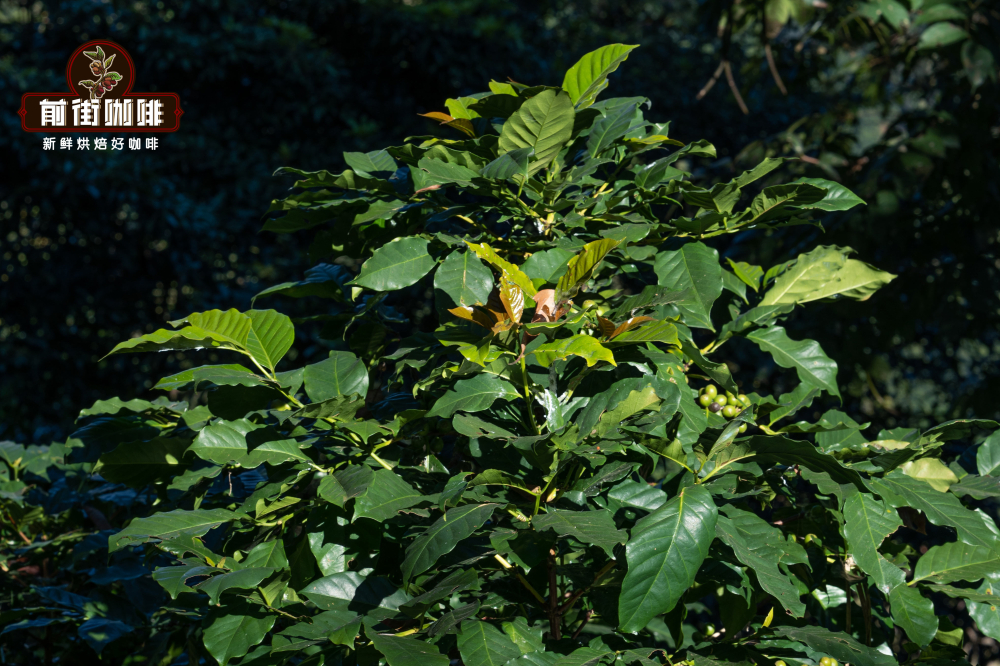
Typica is one of the oldest and most representative varieties in the Arabica family, with origins traceable to the Ethiopian highlands. Its coffee beans are slender in shape with pointed ends, resembling eggs, and typically exhibit bright citrus acidity paired with a sweet finish, making it a model of elegant and clear flavor. However, Typica also has several drawbacks: the plants grow tall, often exceeding five meters, which not only makes harvesting difficult but also renders them more susceptible to pests and diseases, especially coffee leaf rust and berry disease, resulting in low yields. Cultivating Typica requires more effort and expertise, which contributes to the high value and rarity of Blue Mountain coffee.
Typica was first introduced to Yemen from southwestern Ethiopia through human activity between the 15th and 16th centuries, and later spread globally via religious pilgrimages and other means. For example, the early coffee cultivation in China’s Yunnan region originated from Typica seeds brought by French missionaries. However, over time, many regions switched to varieties with higher yields and stronger disease resistance, such as Catimor, in pursuit of productivity. Jamaica Blue Mountain, however, spent over two hundred years successfully domesticating a Typica variant with good disease resistance, particularly against Coffee Berry Disease, a common issue in the region.
In the 1720s, French naval officer Déclieux endured great hardship to bring Typica seedlings to Martinique in the Caribbean. Five years later, Jamaica’s British governor imported 7,000 Typica seedlings from the island to the Blue Mountain region. After a long period of adaptation and improvement, Blue Mountain Typica not only successfully took root but also developed traits with even greater flavor potential. Compared to other regions’ efforts to replicate the flavor of Blue Mountain—such as those in Papua New Guinea, Kenya, and Indonesia’s Sulawesi, which also grow Typica—none have been able to match the depth of Blue Mountain coffee, a result inseparable from the region’s unique terroir.
The production of Jamaica Blue Mountain coffee is strictly regulated by the local Coffee Industry Board (CIB). Only Typica coffee grown within approximately 6,000 hectares of the Blue Mountain range, at elevations between 910 and 1,700 meters, qualifies to be called “Blue Mountain coffee.” This area’s high altitude and maritime climate create distinct day-night temperature variations, coupled with abundant rainfall and well-drained volcanic soil, fostering a unique island-style tropical rainforest microclimate. This provides the ideal environment for coffee beans to accumulate complex aromatic compounds. In particular, the higher the elevation, the better the coffee’s aroma and acidity tend to perform.
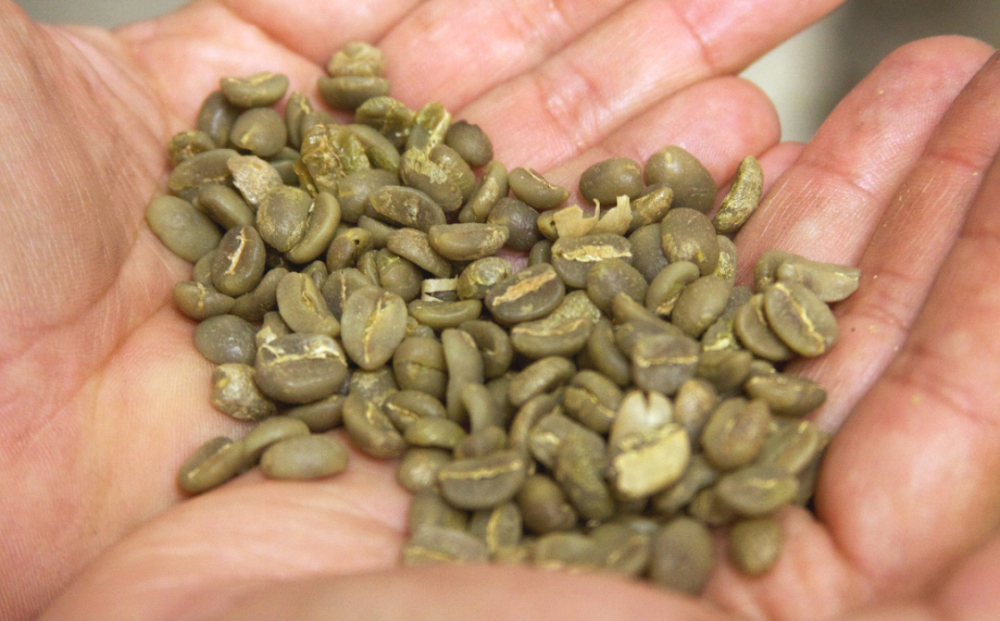
After harvest, the fresh Blue Mountain coffee cherries are immediately sent to processing facilities, where the pulp and mucilage are removed using the washed method to ensure cleanliness and controlled fermentation flavors. Generally speaking, the annual production of Blue Mountain coffee is extremely low, with less than 15% of the beans meeting the standards to be labeled as “Blue Mountain.” The annual output is about 900 tons, making it truly rare. Upon receiving Blue Mountain No. 1 green beans, one can observe their plump, uniformly sized beans with a shiny bluish-green hue, indicating high freshness and processing quality.
In terms of roasting, a medium-dark roast is chosen to highlight the chocolate and nutty aromas of Blue Mountain coffee while preserving its gentle acidity and natural sweetness, achieving an excellent balance of flavors. Freshly roasted Blue Mountain coffee beans have dry aromas of nuts, melon, and chocolate, and when brewed with hot water, they release a complex fragrance of oolong tea, caramel, honey, and dark chocolate. When sipped, layers of dark chocolate, roasted hazelnuts, cream, and brown sugar unfold, delivering a rich, delicate texture with lingering, persistent aromas—perfectly embodying the profound essence of Blue Mountain coffee as the “king of coffees.”
If you’d also like to try pour over brewing Blue Mountain No. 1 at home, here are some recommended practical parameters: It is suggested to use a KONO filter cone, which offers a moderate flow rate and enhances extraction concentration, making it suitable for medium-dark roasted beans. If you prefer other slow-drip cones such as Kalita Wave or a cloth drip, similar results can be achieved. The grind size is recommended to be around 75% passing through a #20 sieve, roughly the coarseness of coarse sugar, with water temperature controlled at 88°C. Use a three-stage pouring method, with a total coffee-to-water ratio of 1:15. For 15 grams of coffee beans, the total water volume is 225 grams, poured in three stages: the first stage is a 30-gram bloom, followed by a 30-second pause; the second stage pours to 125 grams; once the water level drops by half, continue pouring to 225 grams. The total brewing time is approximately 2 minutes.
The final brewed cup of Blue Mountain No. 1 coffee exhibits intense dark chocolate aromas and distinct almond aftertastes at higher temperatures; as the temperature slightly cools, it reveals the silky texture of roasted hazelnuts and cream, accompanied by gentle acidity and caramel sweetness. The overall flavor is clean and clear, with a long-lasting aftertaste—a perfect choice for experiencing the essence of Blue Mountain coffee’s flavor.
The above content is compiled by CoffeeHunters, a coffee news website.


