







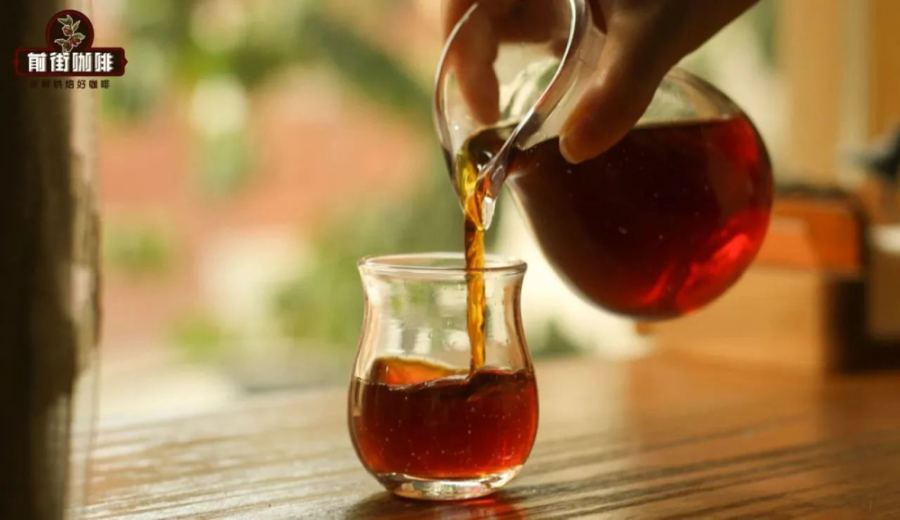
Introduction:Yirgacheffe is considered the "flavor holy land" by many coffee enthusiasts, with its clean, bright acidity and unique citrusy floral notes leaving a lasting impression. This article delves into the geographical background of the Yirgacheffe region, the characteristics of its native coffee varieties, and provides a detailed comparison between washed and natural processing methods. It also offers practical pour over parameters and recommendations to help everyone from beginners to advanced drinkers fully appreciate the charm of this classic bean.
Yirgacheffe, a small town originating from Ethiopia, has now become a key term in the minds of global specialty coffee lovers. Situated at elevations between 1,700 and 2,100 meters—especially those above 1,800 meters—the coffee grown here boasts highly distinctive bright acidity and delicate floral aromas, making it one of the representative producing regions of Ethiopian coffee.
When tasting a cup of Yirgacheffe, many people are immediately reminded of "a lemon-like bright acidity" and "the elegant scent of white flowers." This strong flavor impression not only helps it achieve remarkable results in auction markets but also establishes its unique status within the specialty coffee landscape. Even as a beginner, you can easily distinguish it from coffees of other regions.
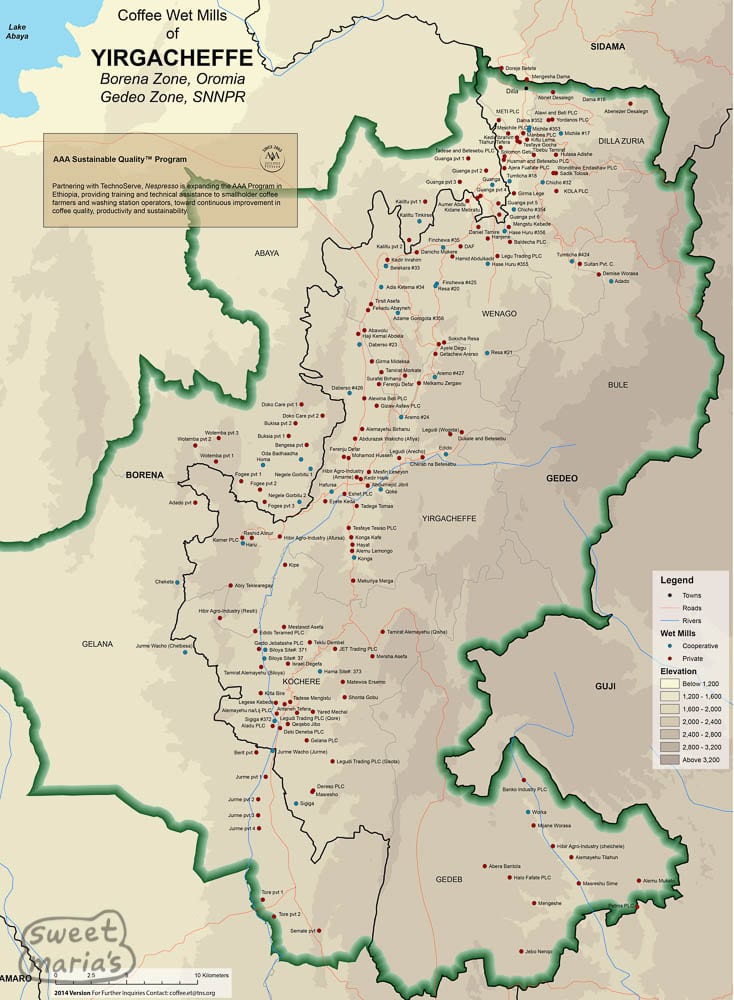
Yirgacheffe was originally just a small town under the Sidamo province in southern Ethiopia, and it didn’t officially become an independent producing region until 2010. The coffee here is generally grown at altitudes above 1,800 meters, with some areas reaching nearly 2,100 meters, making it one of the few high-altitude coffee-producing regions in the world. The large diurnal temperature variation brought by the high altitude not only slows down the ripening process of the coffee cherries but also promotes the accumulation of flavor compounds, resulting in its distinctive bright taste and complex layers.
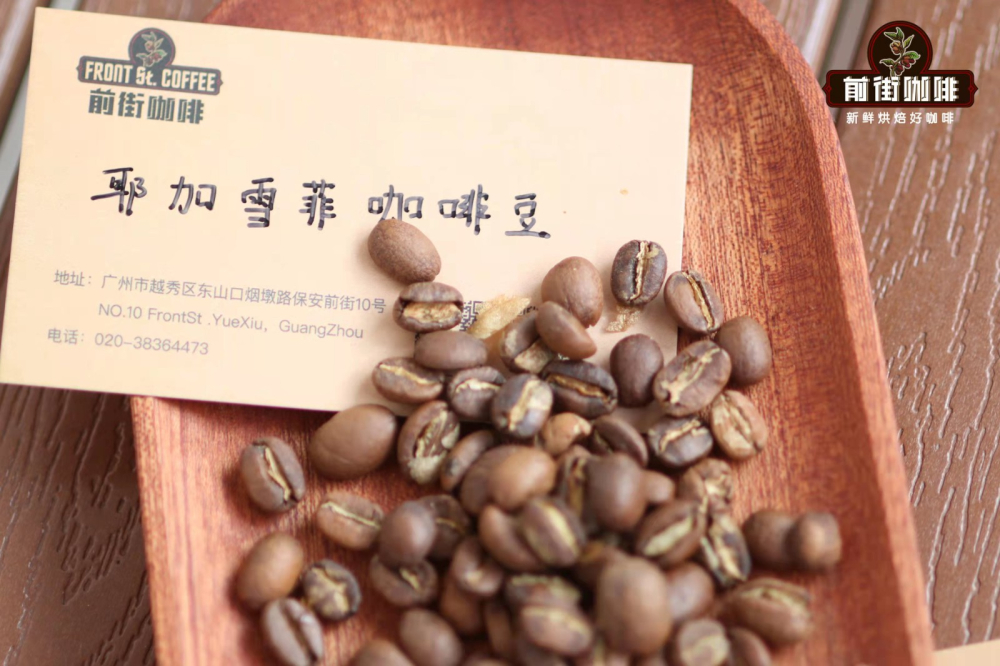
Many people wonder why Yirgacheffe coffee beans often vary in size and are usually labeled as "local native variety (Heirloom)." In fact, Ethiopia is regarded as the birthplace of Arabica coffee and possesses the richest coffee genetic diversity in the world. It is estimated that there are over ten thousand native varieties, but the vast majority of them have not yet been fully genetically defined or named. To protect these genetic resources, the Ethiopian government collectively refers to these uncategorized varieties as "local native varieties," which is the "Heirloom" we often see on pour over coffee packaging. Though these varieties may look different, they are the key to the captivating flavors of Yirgacheffe.
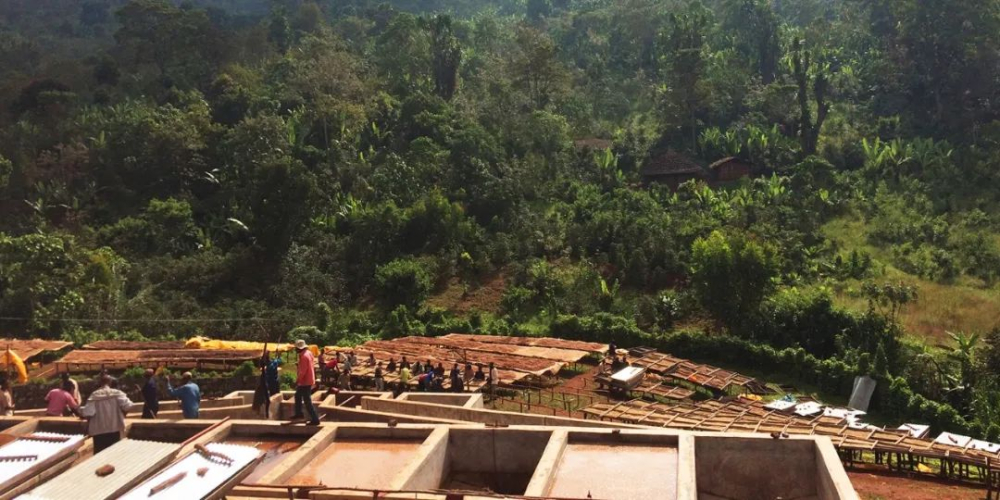
In terms of processing methods, Yirgacheffe primarily used the traditional natural (dry) method in the early days. It wasn’t until the 1970s, when Ethiopia introduced washed processing techniques from Central and South America, that a new chapter of quality leap began. The washed process removes the pulp and ferments to eliminate the mucilage, resulting in clearer acidity, cleaner mouthfeel, and more pronounced jasmine and citrus notes. However, even though washed Yirgacheffe has become mainstream, natural-processed batches have regained attention in recent years, showcasing rich fruit aromas and sweet, mellow profiles.
The washed processing flow typically includes: removing the skin and pulp, fermenting to remove the mucilage, rinsing with clean water, and then drying. The overall processing time is relatively short, with clear and consistent flavor direction—bright acidity and a clean mouthfeel—which makes it the preferred choice for many pour over beginners. On the other hand, the natural process involves drying the entire coffee cherry along with its pulp. During the drying process, the sugars from the pulp seep into the seeds, imparting a richer sweetness, berry notes, and even a hint of fermented wine-like aroma, resulting in a more expressive and complex flavor profile.
The post-harvest processing of Yirgacheffe coffee is mostly carried out by local cooperatives. Among them, the Yirgacheffe Coffee Farmers Cooperative Union (YCFCU), established in 2002, has been a major force in promoting the premiumization of the region. The union consists of 28 member cooperatives and 44 processing stations, bringing together over 45,000 coffee farmers. Through collective bargaining and access to international markets, it has enhanced the economic independence and production quality of smallholder farmers.
Well-known cooperatives include Guji Gotiti, Aricha, Wolisho, and Kochere. The coffee produced by these units often receives high praise in international competitions and is a preferred supply source for many roasters and cafés. For example, washed lots from the Guji Gotiti cooperative often exhibit clear citrus and tea-like notes, while the natural-processed coffee from Aletaland cooperative is known for its berry and fermented aromas.
The difference between washed and natural processing lies not only in the steps involved but also in the vastly different flavor profiles they ultimately produce.Washed Yirgacheffe typically features bright lemon acidity, elegant floral notes, and a black tea-like finish, with a clean and refreshing mouthfeel.; whilenatural-processed batches showcase more intense berry, citrus, and even strawberry flavors, with prominent sweetness and sometimes a subtle wine-like aroma.The overall flavor is rounder and more layered.
If you want to brew a high-quality cup of Yirgacheffe at home, it’s recommended to master the following practical pour over tips: First, the freshness of the coffee beans is extremely important. It’s advisable to choose coffee shipped within 5 days of roasting to ensure the flavors are at their peak. The typical degassing period after roasting is about 4 to 7 days, during which the flavors gradually develop to their most balanced stage. If you opt to buy pre-ground coffee, although you can brew it immediately, be aware that ground coffee oxidizes faster, so it’s best to use it up as soon as possible to preserve optimal aroma and taste.
Below are the recommended pour over parameters for Yirgacheffe, suitable for use with a V60 filter:
Water temperature: 90°C
Coffee-to-water ratio: 1:15
Coffee dose: 15 grams
Grind size: 80% passing through a Chinese Standard No. 20 sieve (medium-fine grind)
Brewing steps are as follows: Begin with a 30-second bloom using 30 grams of water, which helps release CO₂ from the coffee grounds for more even and stable extraction later. Then, pour water in small circles, and when the total water volume reaches 125 grams, perform the first pour. Continue pouring until you reach 225 grams, then stop. Once dripping through the filter is complete, remove the V60. The entire extraction process takes about 2 minutes. Finally, it’s recommended to gently swirl the coffee before pouring it into your cup to ensure even flavor distribution.
Overall, Yirgacheffe is not only a symbol of Ethiopia’s specialty coffee but also an ideal choice for many coffee newcomers stepping into the world of single-origin beans. Whether you prefer the clean and refreshing taste of washed coffee or the bold and expressive profile of natural-processed coffee, this region offers a rich and diverse flavor experience. With the right brewing method, its unique terroir charm can be fully revealed.
The above content is compiled by CoffeeHunters, a coffee news website.


