








Introduction:Want to dive deeper into the charm of Yirgacheffe’s coffee? This article starts with the region’s background and variety characteristics, introduces you to the unique flavors of renowned cooperatives like Konga and Gedeb, and analyzes the differences between natural and washed processing methods. It also provides practical pour over parameters and step-by-step brewing suggestions, helping you easily brew a cup with bright citrus notes and floral-fruity aromas.
Yirgacheffe in Ethiopia is a legendary coffee origin in the hearts of specialty coffee enthusiasts worldwide. This highland area in the southwest is famed for its distinctive white floral notes and clear citrus acidity. Whether you’re new to specialty coffee or have tasted numerous beans, exploring the various corners of Yirgacheffe can add layers to your coffee experience.
Region Geography and Climate: Why Can Yirgacheffe Produce High-Quality Coffee?
Originally just a small town under the Gedeo Zone in Ethiopia, Yirgacheffe was once part of the Sidamo region. However, thanks to its exceptional geographical environment—high altitude, suitable day-night temperature variation, abundant water sources, and natural wetlands—it created ideal conditions for growing Arabica coffee. With the rise of the specialty coffee market, the coffee produced here stood out for its unique fresh floral-fruit character and was officially designated as the Yirgacheffe region in 2010.
Diverse Varieties, Yet All Called “Heirloom”
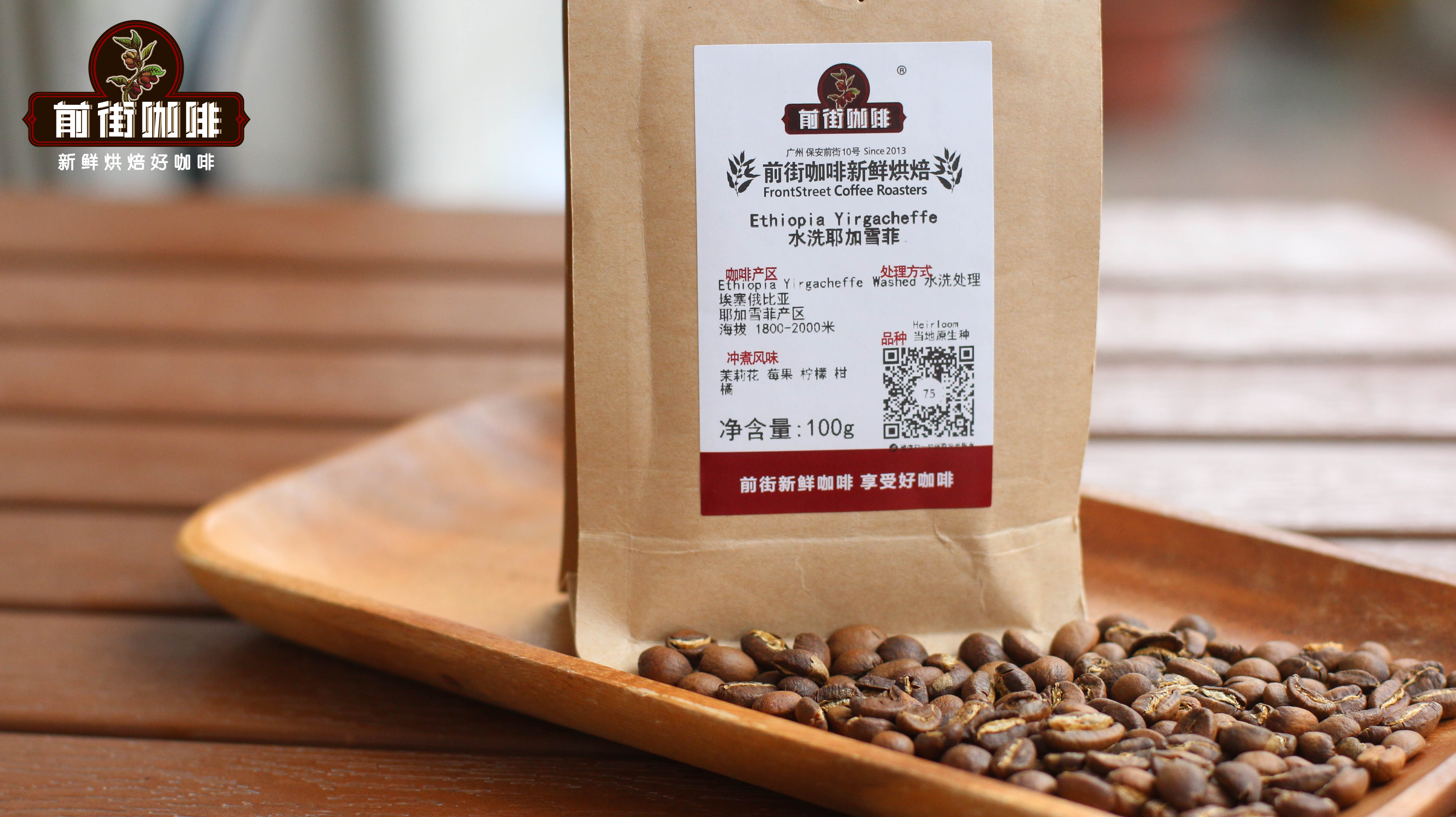
As the birthplace of coffee, Ethiopia boasts the world’s richest coffee gene pool, but many varieties remain unclassified or unnamed. As a result, most coffee beans grown in the Yirgacheffe region are labeled as “Ethiopian Heirloom (Heirloom).” These varieties grow naturally in mixed environments, resulting in rich and varied coffee flavors, and may also show slight differences in bean size and appearance from batch to batch.
Why Are Cooperatives So Important in Yirgacheffe?
To ensure fair income for coffee farmers and improve coffee quality, multiple farmer cooperatives have been established in the Yirgacheffe region. Among them, the most representative is the Yirgacheffe Coffee Farmers Cooperative Union (YCFCU), which consists of 24 primary cooperatives and includes around 50,000 coffee farmers. These cooperatives operate independently of Ethiopia’s central commodity exchange system (ECX), allowing them to directly engage with buyers for transparent and traceable transactions. This model not only ensures more reasonable returns for farmers but also enables consumers to enjoy coffee with distinct terroir characteristics.
Five Renowned Cooperatives and Their Flavor Profiles
Among Yirgacheffe’s many cooperatives, Gedeb, Konga, Worka, Hafursa, and Idido stand out. Each cooperative, due to differences in microclimate, altitude, and processing methods, presents a distinctly unique flavor profile.
Gedeb Cooperative (Gotiti): Fresh Citrus and Honey Sweetness
Located southeast of Yirgacheffe, Gedeb was originally part of the Worka cooperative but gained rapid popularity after becoming independent in 2012. The coffee here is mostly processed using traditional washed and natural methods.The washed version often features citrus and orange tones, paired with white floral notes, honey sweetness, and a green tea-like aftertaste.It’s the top choice for those who prefer a clean acidity. (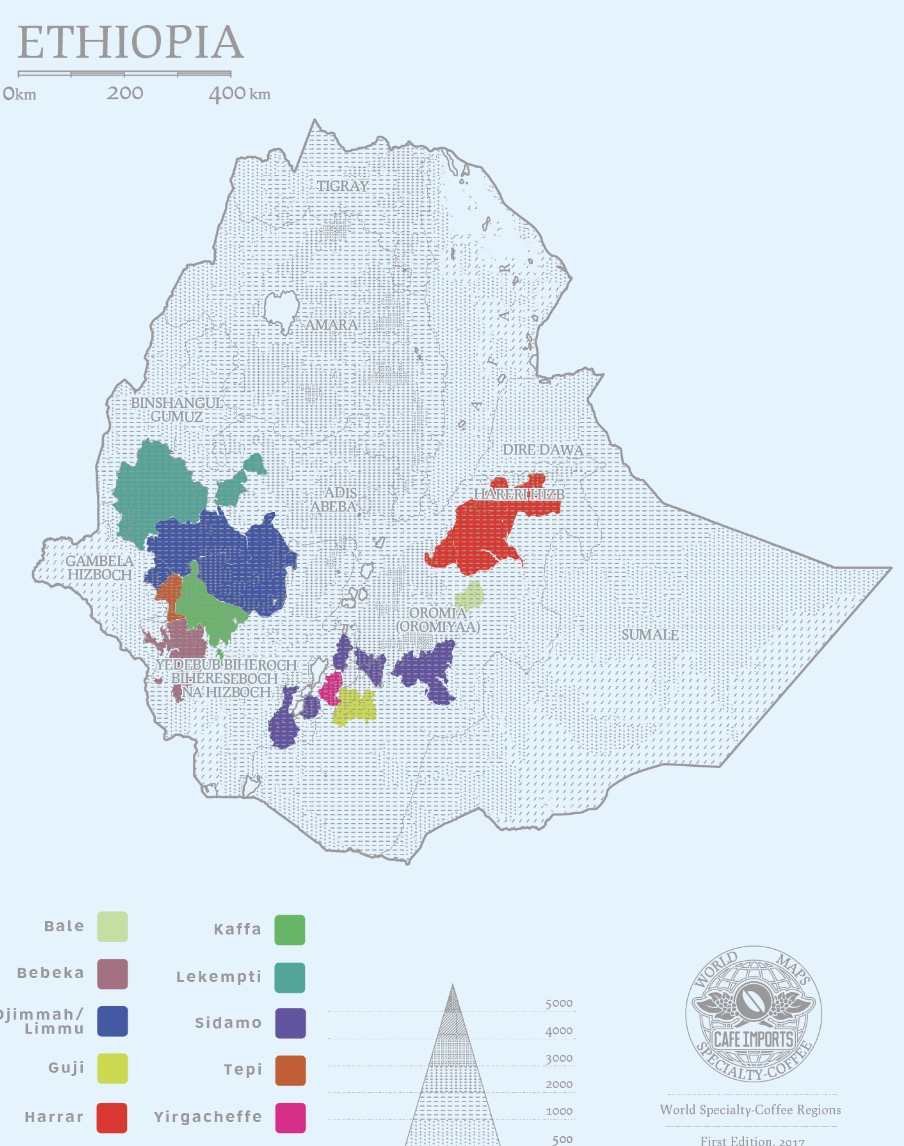 )
Konga Cooperative (Konga): Berry Juice-like Body and Creamy Sweetness
Located in the Gedeo region, Konga has iron-rich, deep soil that helps coffee trees thrive healthily. The coffee beans from this region are processed usingfully red fruit natural method,showcasing bright citrus acidity, intense berry juice-like flavors, and a honey-sweet, creamy-smooth finish. (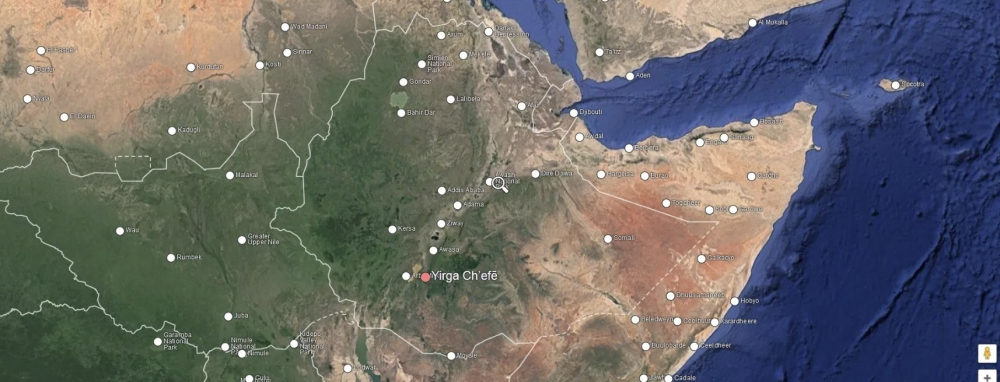 )
Worka Cooperative (Werka): Lemon Acidity and Ginger Flower Aroma
Though located in a remote area, the Worka cooperative is known for its high-quality washed beans. Composed of 305 farmers, the coffee produced here featureslemon and grapefruit-like bright acidity, elegant ginger flower aroma, honey sweetness, and a tea-like note reminiscent of Tieguanyin.It’s a classic representation of Yirgacheffe’s traditional washed style. (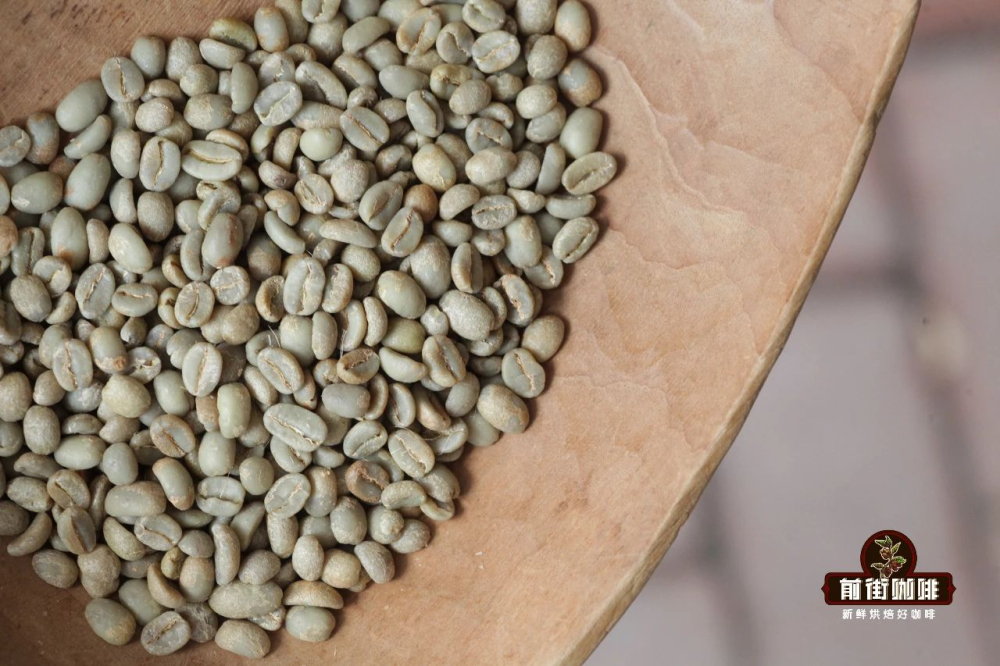 )
Hafursa Cooperative (Hafursa): Balance Brought by Highland Advantages
Hafursa is situated on hillsides, with altitudes ranging between 1850 and 2100 meters. Good drainage and sunlight exposure give the coffee here a solid structure and balanced flavor profile, making it one of the pioneers of the early cooperative system.
Idido Cooperative (IDIDO): Captivating Floral Notes Close to Geisha
Nestled in a high-altitude valley, Idido enjoys abundant annual rainfall. Smallholder farmers grow coffee at around 2000 meters above sea level. The beans produced here, thanks to the high altitude and excellent processing techniques, often exhibitdelicate floral notes and rich complexity reminiscent of Geisha.。
Natural vs. Washed Processing Methods: The Flavor Divide
In Yirgacheffe, natural and washed are the two most common processing methods. Washed processing removes the pulp and ferments the beans before drying, resulting inclean and clearly defined acidity.In contrast, natural processing retains the pulp during fermentation, allowing sugars to penetrate the beans and producingricher sweetness and fermentation aromas.It’s an unmissable choice for those who love intense fruity flavors.
Roasting and Pour Over Suggestions: How to Bring Out Yirgacheffe’s Soul?
To preserve Yirgacheffe’s bright acidity and floral-fruit character, alight roastis typically used. It’s recommended to enjoy the coffee within five days of roasting to experience its fullest flavor expression.
Suggested pour over parameters are as follows:
- Grind Size: Medium-fine grind (similar to granulated sugar, about 80% passing through a Chinese No. 20 sieve)
- Water Temperature: 90–92°C
- Coffee-to-Water Ratio: 1:15
- Brewing Technique: Three-pour method
1. First pour: 30g water, bloom for 30 seconds
2. Second pour: Small amounts in circular motion up to 125g, wait until the water level drops halfway before continuing
3. Third pour: Up to 225g, total brew time controlled between 2:00 and 2:10
Master these details, and you too can brew a cup of flavorful, layered Yirgacheffe Konga natural coffee at home, experiencing the unique charm bestowed by Ethiopia’s highlands. (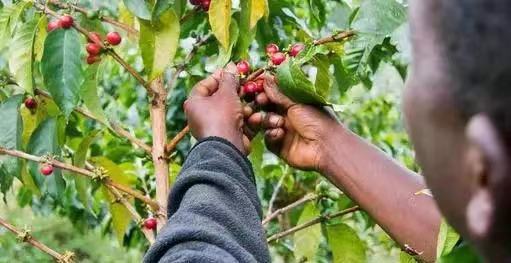 )
The above content is compiled by CoffeeHunters, a coffee news website.


