







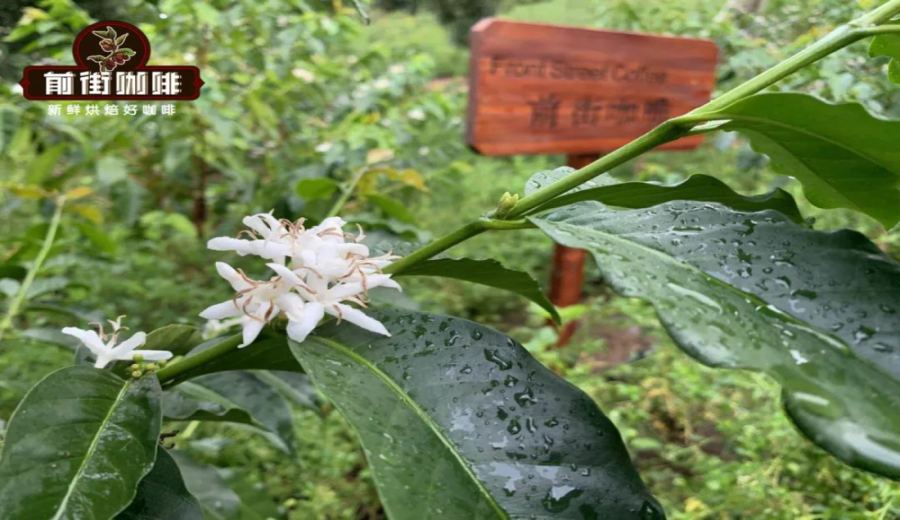
Introduction:Want to know which growing region in Yunnan produces the most worthwhile smallholder coffee? This article delves into the geographical and climatic characteristics of the four major production areas — Baoshan, Dehong, Lincang, and Pu'er — helping you understand the nutty and brown sugar profiles of the Catimor variety, and exploring how washed processing achieves stable acidity and a rich mouthfeel. From altitude and day-night temperature variation to processing methods, it provides practical guidance for bean selection and pour over brewing.
As an important origin for specialty coffee in China, Yunnan has gradually moved beyond its role as a mere raw material supplier in recent years. Its smallholder coffee has garnered global attention for its unique flavors. The differences from the bold and full-bodied profile of Baoshan to the bright and clean taste of Lincang reflect the intricate interplay between local altitudes, climates, and processing methods. This article will focus on Yunnan’s four core producing regions, analyzing their flavor profiles and suitable brewing methods.
The Key Influence of Regional Geography and Microclimate
Dehong is located near the Tropic of Cancer and is nourished by the southwest monsoon from the Indian Ocean, creating a warm in winter and cool in summer environment.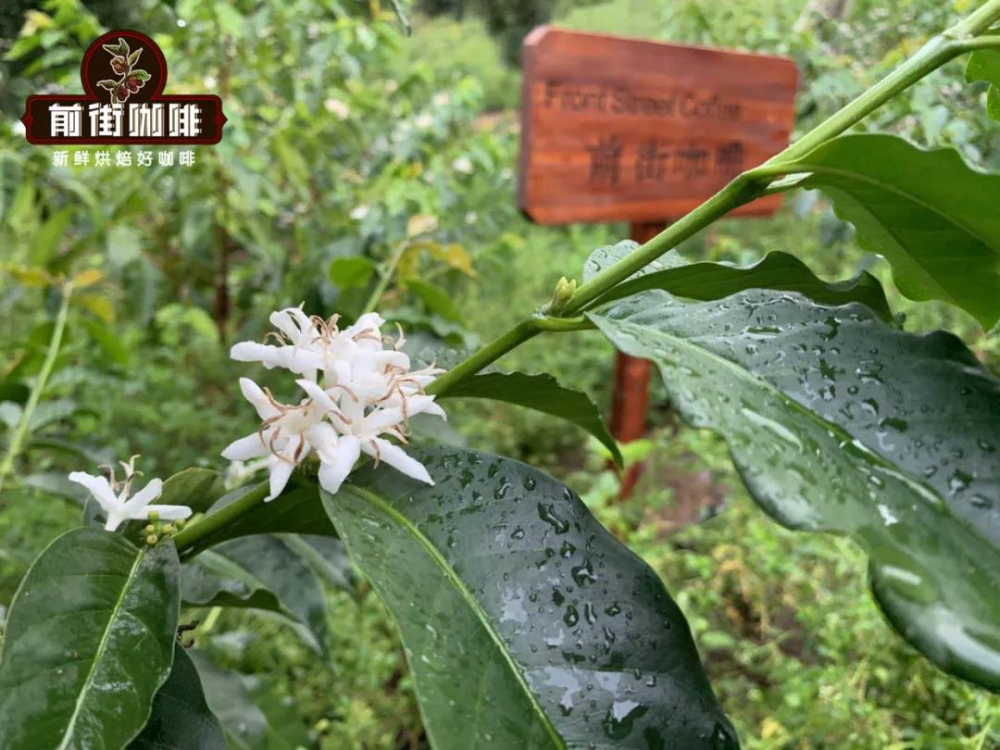 With over 2,200 hours of annual sunshine, coupled with an average annual temperature of 18–20°C and abundant rainfall, the region allows coffee trees to accumulate flavor compounds under diurnal temperature variations exceeding 10°C. Coffee from this area often exhibits pronounced plum acidity and an black tea-like finish, making it ideal for drinkers who prefer fruity flavor profiles.
Baoshan, on the other hand, is famed for its high-altitude areas in the Luxi Dam region,where the average temperature of 14–17°C combined with varying rainfall between 700–2,100 mmresults in rich layers of chocolate and caramel. Local coffee farmers often choose sloped planting to leverage drainage advantages, reducing root diseases while maintaining a compact bean structure.
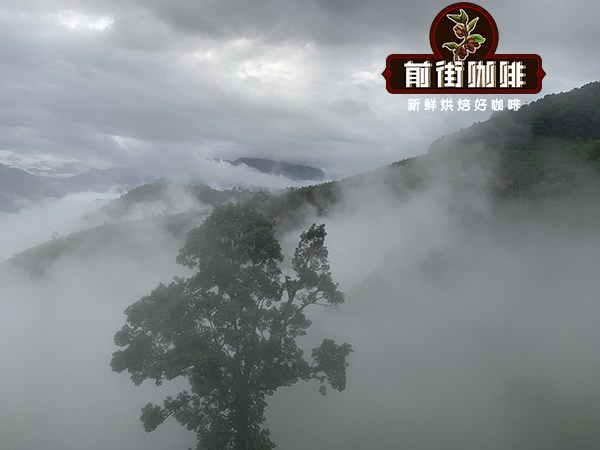
Lincang lies at the southern foothills of the Hengduan Mountains, characterized by distinct vertical climates. With an average annual temperature of just 13–15°C in mountainous areas and the long-lasting moisturizing effect of warm, moist airflows from the Indian Ocean, the coffee here develops a distinctive fresh herbal character. Local estates regulate the microclimate through shade trees, successfully mitigating the impact of extreme weather on fruit ripening.
Pu’er, traditionally known as a tea region, benefits from stable temperatures averaging 15–20.3°C and even rainfall exceeding 1,100 mm, providing favorable conditions for coffee cultivation. The volcanic soil here is rich in minerals, imparting a solid body and long-lasting aftertaste to the beans, making it especially suitable for consumers who prefer balanced flavor profiles.
Synergy Between Variety Traits and Processing Methods
Yunnan’s main variety, Catimor, although part of the Arabica family, possesses stronger disease resistance and yield potential due to its Robusta lineage. These hybrid traits are directly reflected in its flavor expression:The nutty and brown sugar base notes come from the Caturra lineage, while the bright plum acidity originates from the natural acidity of the Timor variety. However, compared to purebred Arabicas, its aroma complexity is slightly less pronounced.
Given Yunnan’s rainy and humid growing environment,washed processing has become the preferred method for over 90% of local estates. This technique removes the pulp layer through fermentation tanks, followed by rinsing with clean water and drying on raised beds, effectively suppressing microbial growth and enhancing the purity of acidity. Typical washed Yunnan beans exhibit a medium-light roast color, releasing distinct citrus and roasted almond aromas upon grinding.
Some high-end estates have begun experimenting with honey processing or anaerobic fermentation, but these innovative methods require strict control of humidity and temperature, and are currently limited to small-batch experimental production. Consumers should pay attention to the processing method indicated on the packaging to avoid mismatched flavor expectations.
Brewing Recommendations and Everyday Tasting Tips
For the medium roast profile of washed Yunnan beans, it is recommended to use a V60 filter cone with a 1:15 coffee-to-water ratio, controlling grind size to medium-fine (approximately 75% passing through a Chinese No. 20 sieve).When pouring water at 88°C, it is advised to use a three-stage pouring method, starting with a 30-second bloom followed by gradual pouring to reach the total water volume, maintaining a total brew time of around 2 minutes and 10 seconds. These parameters help balance sweet and acidic notes while highlighting a tea-like finish.
Freshness is a key factor influencing flavor — the optimal drinking window is 5 to 21 days post-roast, with the most complex flavor evolution typically occurring between days 7 and 14. Storage should avoid direct sunlight and damp, airtight environments; using a one-way valve bag and keeping beans at 10–20°C is recommended.
If choosing pre-ground coffee, note that oxidation occurs more rapidly, and it is advisable to use the coffee within 3 days of opening. Adjust grind size according to your brewing device; French press requires a coarser grind than pour over to avoid over-extraction.
The above content is compiled by CoffeeHunters, a coffee news website.


