







Introduction:Want to understand why Geisha coffee stands out in the specialty market? This article delves into the cultivation background of Geisha at Panama’s Hacienda La Esmeralda, explores the characteristics of its four major growing regions, and highlights the differences between its Red Label and Green Label grades. Whether you're a beginner or a seasoned coffee enthusiast, you’ll gain practical guidance on selection and brewing.
Geisha, a name that commands attention in the specialty coffee world, became the dream brew for coffee lovers after Hacienda La Esmeralda won the Best of Panama (BOP) competition in 2004 with a Geisha lot. It completely redefined people's perception of coffee, shifting it from something bitter and intense to an experience as delicate and delightful as sipping floral and fruity tea, thanks to its nuanced floral aroma and layered acidity.
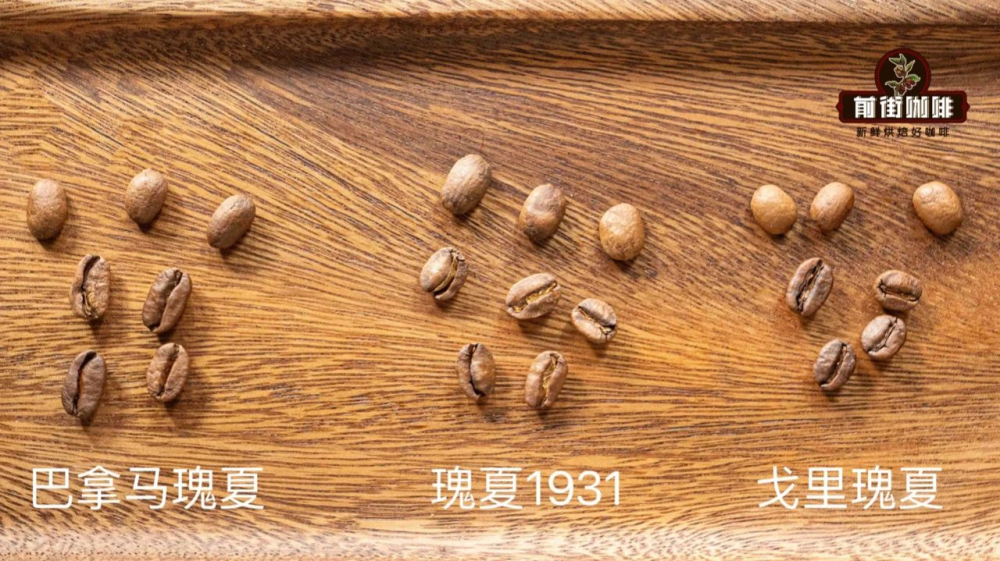
So, what makes Panamanian Geisha so unique? The story begins with Hacienda La Esmeralda’s entry in the 2004 BOP. That year, they submitted a T2722 variety from CATIE (Centro Agronómico Tropical de Investigación y Enseñanza) — a bean that not only claimed the championship but also put Geisha on the global map. Notably, T2722 has a highly distinctive appearance: long and slender beans with pointed ends and a plump center, often curling inward after roasting, prompting some to jokingly liken them to “sausage buns.”
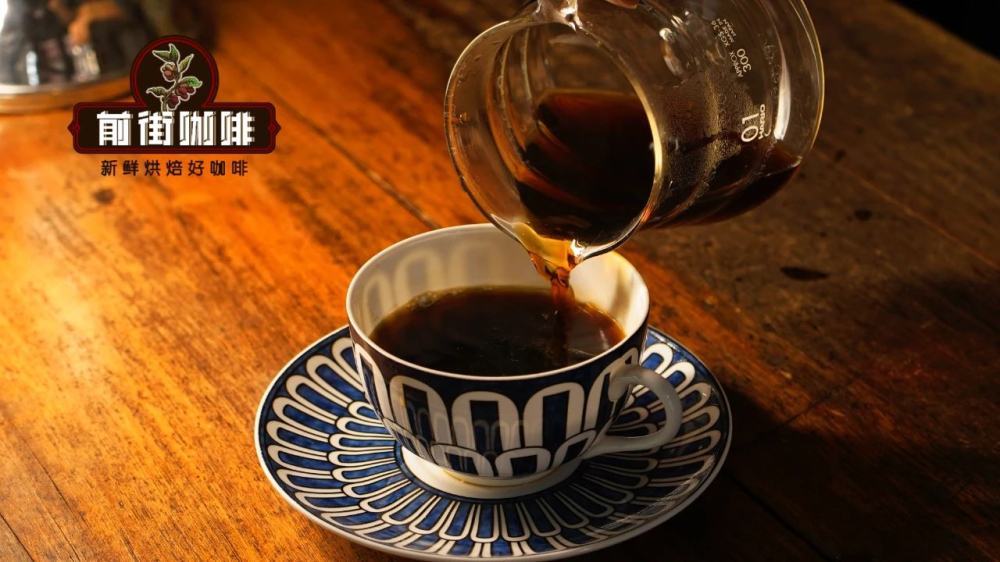
What sets Geisha apart isn’t just its unusual look, but how it revolutionized expectations of coffee flavor. Unlike traditional coffees, which tend to be heavy and one-dimensional, Geisha is more like a vibrant fruit and floral medley — from jasmine and citrus to berries and honey. Its flavor profile even shifts subtly with temperature changes, offering varying layers of acidity and aroma, a performance unprecedented at the time in both competitions and the market.
However, Geisha isn’t a variety that can be grown just anywhere or easily managed. It’s extremely particular about its environment, requiring high altitudes, nutrient-rich soil, and moderate shade. Exposed to harsh direct sunlight, Geisha often fails to reach its full potential. Therefore, Hacienda La Esmeralda pays special attention to shade tree placement and employs traditional pruning techniques to ensure healthy plant growth. Additionally, the higher the altitude, the longer the ripening period and the more complex the flavors — though this also leads to lower yields, explaining why top-tier Geisha commands such premium prices.
Panama’s primary coffee-growing regions are concentrated in the western highlands, with Boquete and Volcán being the most renowned. Both areas are located in Chiriquí Province and benefit from fertile volcanic soils, year-round mild climates, and frequent cloud cover, creating ideal microclimates for Geisha. Boquete, in particular, lies on the eastern side of the Barú Volcano at elevations of around 1,000 to 2,000 meters. The significant day-night temperature variation and intricate microclimates here contribute to the complex and layered profiles often found in Geisha from this region.
When it comes to Geisha, one must mention Hacienda La Esmeralda. Originally purchased in 1964 by American banker Rudolph Peterson as a livestock farm, it wasn’t until 1987 that his son decided to venture into agriculture, introducing Caturra and Catuaí varieties and officially entering coffee cultivation. In 1994, the farm established a washed processing facility, gradually building a professional production system. In 1997, the arrival of the third-generation family member Daniel led to the discovery of Geisha’s exceptional potential through cupping, forever altering the landscape of specialty coffee worldwide.
Hacienda La Esmeralda currently has four main growing areas, three of which are dedicated to Geisha cultivation: Jaramillo, Canas Verdes, and the highest-altitude plot, El Velo. Each block is further divided into smaller subplots, each with its own unique microclimate and flavor expression.
Jaramillo is where Geisha was first discovered. Though it sits at an average altitude of only about 1,700 meters, its steep terrain makes harvesting challenging. With annual rainfall reaching 4,000 mm, significant day-night temperature differences, humid and cool air, the region produces Geisha with a crisp acidity and delicate aromatics. This area is divided into six Red Label plots, including Mario, Noria, Reina, Bosque, Buenos Aires, and the more recently added Caballeriza.
Canas Verdes is known for its varied terrain and wide altitude range, stretching from 1,500 to 2,050 meters. The volcanic-derived soil, combined with notable day-night temperature variations, helps Geisha accumulate richer flavor compounds. There are 11 subplots here growing Geisha, including Lino, Coronado, Fundador, León, Montaña, Trapiche, Jacinta, Cabaña, Tumaco, Nido, and Colga.
The highest-altitude plot, El Velo, is the newest cultivation area established by Hacienda La Esmeralda in 2012. Not only is it the highest elevation zone on the farm, but it’s also the only one with fully leveled terrain. In addition to Geisha, this area grows over 400 coffee varieties from CATIE as part of its varietal research and long-term breeding program. El Velo ranges from 1,650 to 1,900 meters in altitude, also receives abundant rainfall of about 4,000 mm annually, and enjoys stable day-night temperature differences — ideal for showcasing Geisha’s most refined flavor layers. This area includes seven Geisha plots: Guabo, Portón, Durazno, Mural, Fig, Buena Vista, and Guila.
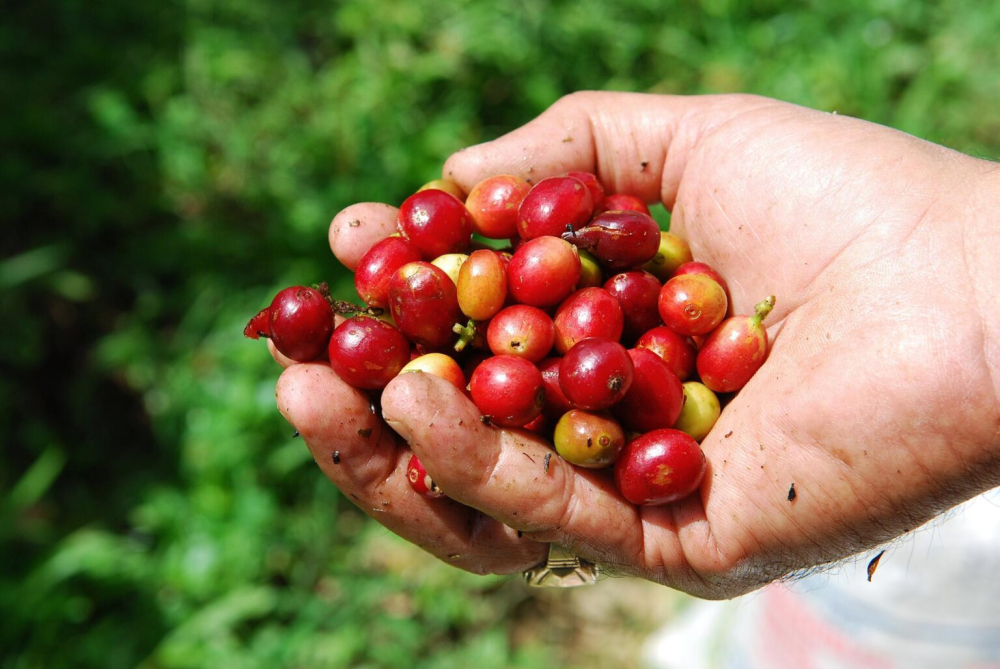
As for the Palmira farm, originally used for livestock, it mainly cultivates Catuaí across approximately 30 hectares and also serves as the administrative center and green bean processing facility for Hacienda La Esmeralda.
In terms of grading, Hacienda La Esmeralda’s Geisha is divided into two mainstream commercial grades based on rigorous cupping standards: Red Label and Green Label.
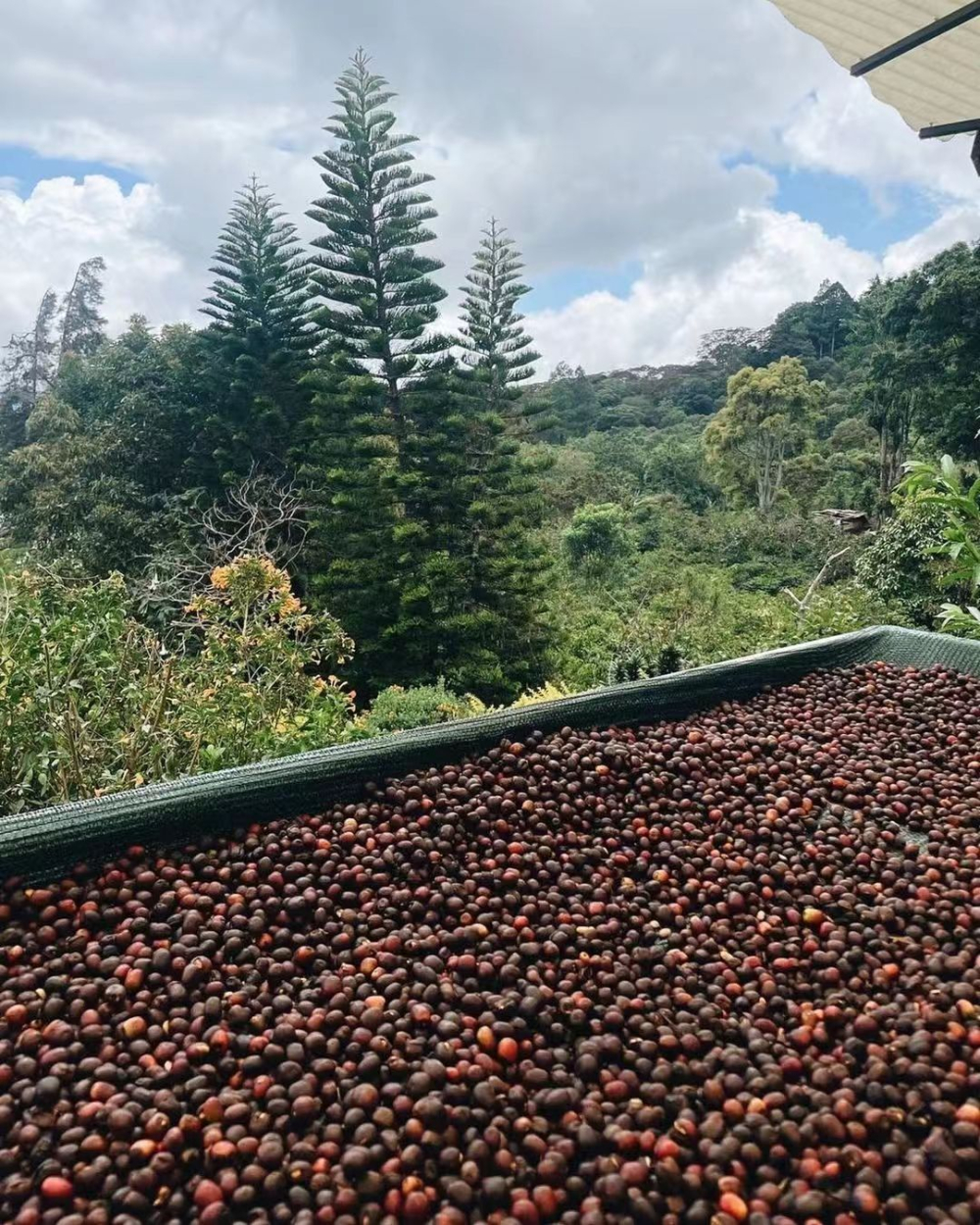
Red Label (Esmeralda Special), widely known as “Hacienda Special Selection,” represents the highest grade of Geisha aside from auction lots. These Geisha lots are cultivated at altitudes above 1,600 meters, with cupping scores of at least 91. Each batch comes with detailed information about the producing area, including plot name, altitude, latitude and longitude, tree age, harvest date, and processing method. For instance, a recent Red Label Geisha purchased by a coffee shop came from the Sugar Cane plot, harvested on February 13th of this year, and underwent 25 days of slow sun-drying, resulting in intense aromas of jasmine, cranberry, passionfruit, citrus, and cinnamon.
Green Label (Private Collection) consists of premium non-auction Geisha blends, primarily sourced from two main farms at altitudes between 1,600 and 1,800 meters. It combines Geisha beans from different plots. Starting in 2022, Green Label products also indicate the specific sub-farm of origin, giving consumers more selection criteria. Green Label is typically processed via washed or natural methods, delivering classic notes of citrus, honey sweetness, and berry acidity — ideal for coffee lovers on a budget who still want to experience the allure of Geisha.
Whether Red Label or Green Label, Geisha can be processed via natural or washed methods, each offering distinct characteristics. Washed Red Label batches often feature bold floral notes and rich tropical fruit tones, with a silky mouthfeel akin to cream and a complex, layered flavor profile reminiscent of a high-end floral and fruity tea. In contrast, Green Label highlights a crisper citrus and berry acidity, with a lingering finish reminiscent of green tea — perfect for those who prefer a refreshing brew.
The above content is compiled by CoffeeHunters, a coffee news website.


