







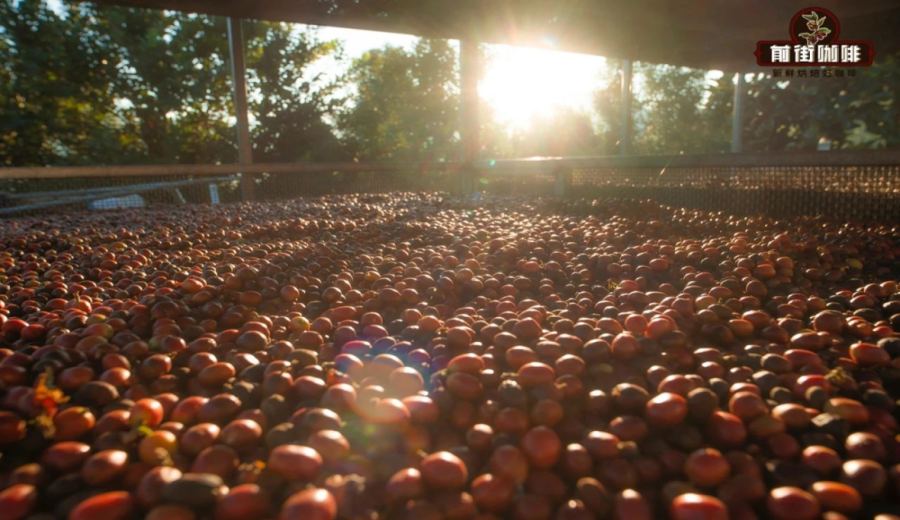
Introduction:As China’s core coffee-producing region, Yunnan contributes 95% of the country’s total output. Its small-bean Arabica coffee is renowned for its mild acidity, comfort, and well-balanced sourness and bitterness. This article delves into the evolution of Yunnan coffee varieties from Typica to Catimor, explores the unique terroirs of four major producing areas such as Baoshan and Pu’er, details the differences between washed and natural processing methods, and provides professional pour-over parameters and flavor profiles to help you grasp the essence of this premium domestic coffee.
On China’s coffee map, Yunnan is undoubtedly the core of the core. As the country’s largest coffee-growing region, it accounts for 95% of the nation’s coffee production and is the only province recognized as a high-quality coffee raw material production base. Yunnan’s small-bean coffee, essentially the widely known Arabica variety, is beloved for its neutral taste, mild acidity, and excellent balance between sourness and bitterness. From the ancient Typica to the now widely planted Catimor, Yunnan coffee has undergone varietal transitions and quality upgrades. The four major producing areas—Baoshan, Pu’er, Lincang, and Dehong—each boast unique terroir characteristics, with one brand even establishing its own estate in Lincang. Next, let’s comprehensively explore the varietal evolution, regional terroirs, processing methods, and brewing essentials of Yunnan’s small-bean coffee to experience the distinctive charm of China’s homegrown coffee.
When it comes to China’s coffee-producing regions, they can generally be divided into two major areas: Hainan and Yunnan. Hainan mainly cultivates Robusta, often roasted to darker levels, resulting in bold and intense flavors. In contrast, Yunnan is the largest coffee-growing province in China, the country’s only high-quality coffee raw material production base, and the earliest region on the Chinese mainland to introduce coffee cultivation. Many consumers still associate Yunnan primarily with Pu’er tea and know little about its coffee, but nowadays, Yunnan beans are featured on the menus of nearly every café. Public interest in Yunnan coffee has also noticeably increased since the release of the movie *Go Back to China*.
Yunnan is China’s largest coffee-producing region. Although its total output is modest compared to neighboring Southeast Asian countries, the quality of its coffee is in no way inferior. Accounting for 95% of the nation’s annual coffee production, Yunnan firmly holds the top spot among China’s coffee-producing areas. Its coffee-growing regions are concentrated in the southwestern part of the province, right within the coffee-growing "golden belt" between the Tropic of Cancer and the Tropic of Capricorn. The elevation generally ranges from 1,000 to 2,000 meters, with mountainous terrain dominating and steep slopes prevalent. The soil is rich in fertility, and local farmers typically plant coffee trees on hillsides. Abundant rainfall, ample sunlight, and the significant diurnal temperature variation brought by high altitudes collectively create exceptionally favorable terroir conditions for coffee cultivation. These natural advantages provide an ideal growing environment for Yunnan coffee. As consumer awareness of coffee evolves, the emphasis on coffee quality in Yunnan’s producing regions continues to grow, steadily advancing toward premiumization.
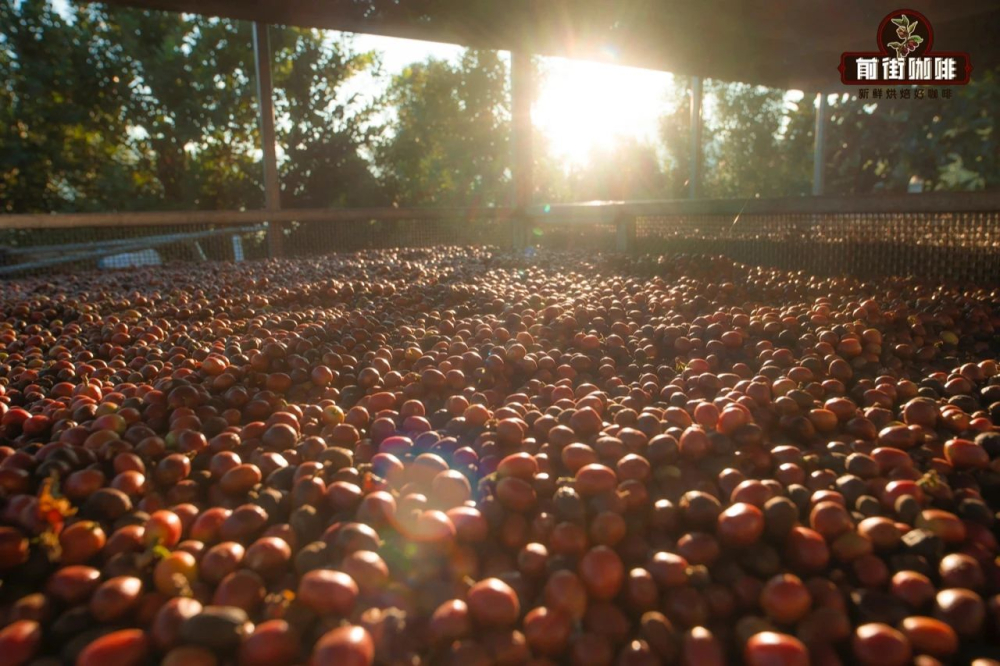
Small-bean coffee isn’t unique to Yunnan—it’s grown in nearly all coffee-producing regions worldwide. Nowadays, it’s ubiquitous on streets and in alleys, though merchants more commonly refer to it by another name: Arabica coffee. What Yunnan calls "small-bean coffee" is actually what’s commonly known as "Arabica coffee," just with a different label. All Arabica varieties originated in Africa, spread through the Arab world, and eventually expanded to the Americas and Asia. In terms of flavor, Yunnan’s small-bean coffee is relatively neutral, with neither acidity nor bitterness being overly pronounced, offering a mildly acidic and comfortable taste that appeals to a broad audience.
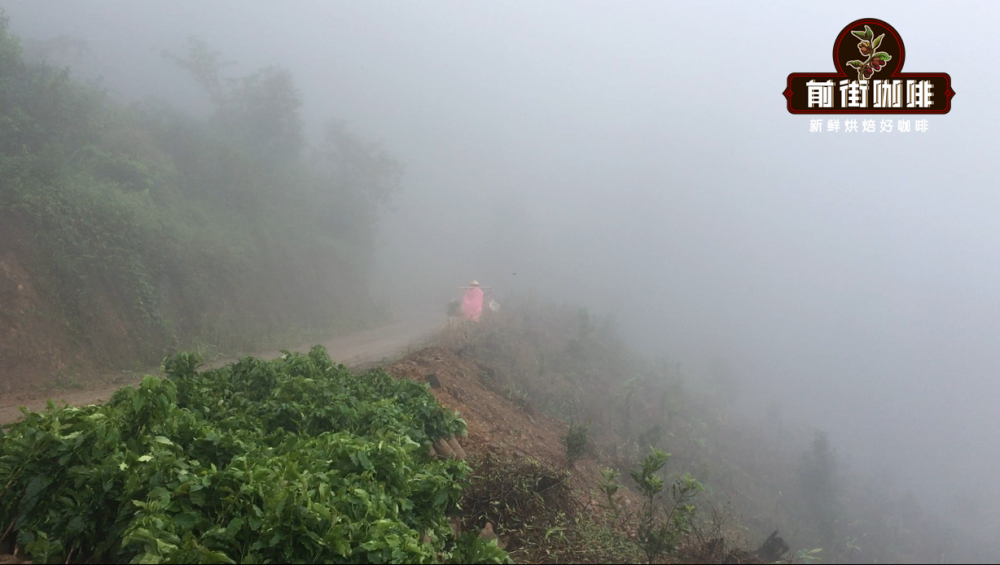
Yunnan’s small-bean coffee initially gained its name from Typica, as Typica is the small-bean variety of Arabica. The oldest coffee variety in Yunnan is Typica. Later, when Nestlé entered Yunnan, due to Typica’s poor disease resistance and the goal of increasing coffee bean yields, farmers were encouraged to cut down the flavorful Typica trees and plant varieties with inferior flavor but better disease resistance and higher yields. Initially, leaf-rust-resistant S288 was introduced, followed by the higher-yielding Catimor. In other words, the coffee trees now predominantly planted in Yunnan are of the Catimor variety, making Yunnan’s small-bean coffee essentially Catimor coffee.
The term "small-bean" refers to the smaller-sized fruits within the Arabica variety, in contrast to the medium-sized Robusta beans grown in Hainan. The earliest coffee trees introduced to Yunnan were the pure Arabica varieties Typica and Bourbon, with the ancient Typica being recognized as a premium variety. The world-famous Jamaican Blue Mountain coffee belongs to the Typica variety, boasting rich aroma and delicate, complex flavors, but it has extremely low yields and is highly susceptible to rust disease, requiring more labor-intensive management. Since coffee is an economic crop vital to the livelihoods of Yunnan farmers, low yields that fail to ensure profitability make sustainable cultivation difficult. As a result, most local farmers have shifted to planting the higher-yielding Catimor.
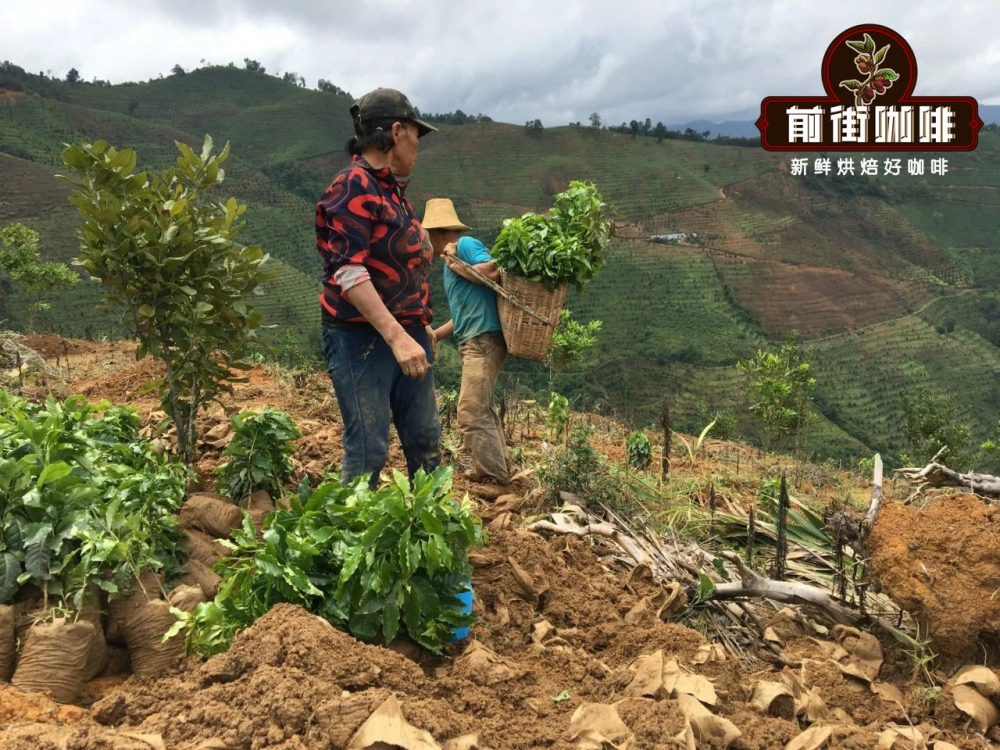
Typica (Typica) is the most classic premium Arabica variety, with many commercial improved varieties derived from it. It delivers exceptional flavor and is universally acknowledged as a specialty coffee variety, but it suffers from very low yields and high susceptibility to rust disease, necessitating more intensive management. Typica coffee originated in southeastern Ethiopia and Sudan and is the most widely cultivated coffee variety in the Western Hemisphere. The plants are relatively robust but intolerant to strong sunlight, though they perform well in Hawaii. Typica has reddish-copper top leaves, earning it the name "red-top coffee."
Catimor is currently the dominant coffee variety planted in Yunnan. Due to Typica’s vulnerability to coffee leaf rust and its lower yields, local farmers reluctantly replaced the elegant-flavored Typica with Catimor, which offers higher yields and rust resistance. Han Huaiyong mentions in his book *Specialty Coffee: A Comprehensive Guide* that by 1998, over 90% of Yunnan’s coffee varieties were Catimor. Catimor is a new variety developed in 1959 by Portugal’s CIFC coffee leaf rust research center, resulting from a hybrid of Timor and Caturra. Its advantages include high productivity, compact plant size suitable for dense planting, and strong disease resistance. However, because Catimor carries Robusta genes, it exhibits more bitterness and grassy notes compared to pure Arabica, with slightly less clarity, fruitiness, and complexity. Robusta boasts excellent rust resistance and rich oils, with high yields and easy cultivation. Through hybridization with Arabica Typica, Catimor inherited about 25% of Robusta’s genes, enhancing rust resistance, retaining rich oils, and inheriting some of Typica’s original complex flavors. For these reasons, most estates in Yunnan now extensively plant Catimor, while Typica cultivation has gradually declined.
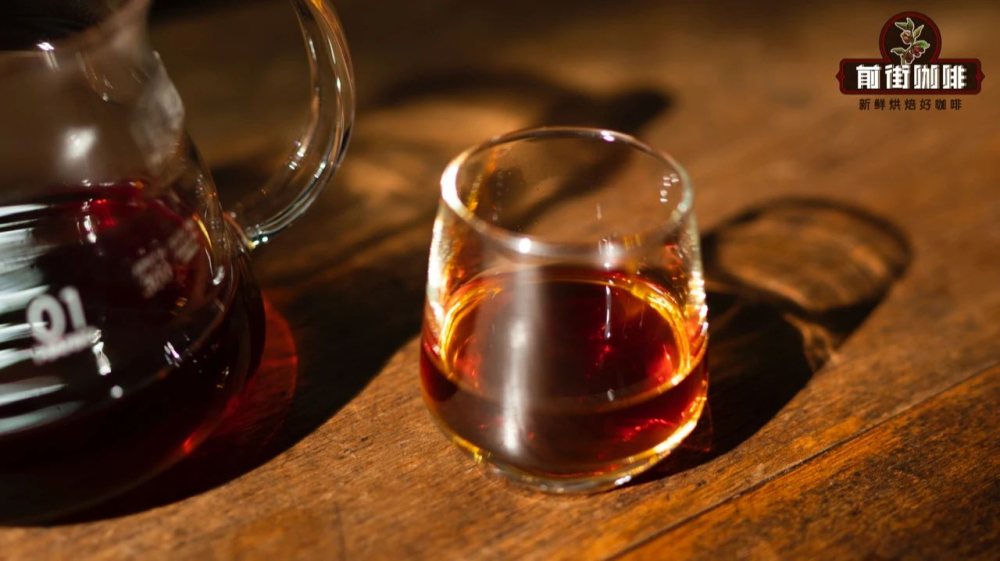
Yunnan’s main coffee-producing regions are Baoshan, Pu’er, Lincang, and Dehong. Yunnan doesn’t have distinct seasons but rather dry and rainy seasons, a pattern also common in most of its coffee-growing areas—this is the fundamental reason why some regions adopt natural processing methods. The rainy season begins in June and lasts for three to four months of continuous rainfall, making it the most favorable period for coffee cultivation. Only by planting seedlings during this phase and allowing them to develop robust root systems through months of rain can they survive the first half-year-long dry season. Yunnan’s small-bean coffee trees typically bear fruit at 3–4 years old. Coffee is a short-day plant with multiple flowering cycles and concentrated blooming periods. The flowering season for small-bean coffee in Yunnan spans February to July, peaking from March to May. Coffee flowering is heavily influenced by climate, particularly rainfall and temperature. Coffee flowers have a short lifespan, lasting only 2–3 days. Small-bean coffee usually begins blooming between 3–5 AM and peaks between 5–7 AM. The development of coffee cherries takes a long time, with small-bean coffee cherries requiring 8–10 months to mature, typically ripening between October and December of the same year. Rainfall significantly impacts cherry development, and climatic conditions directly affect the fruit.
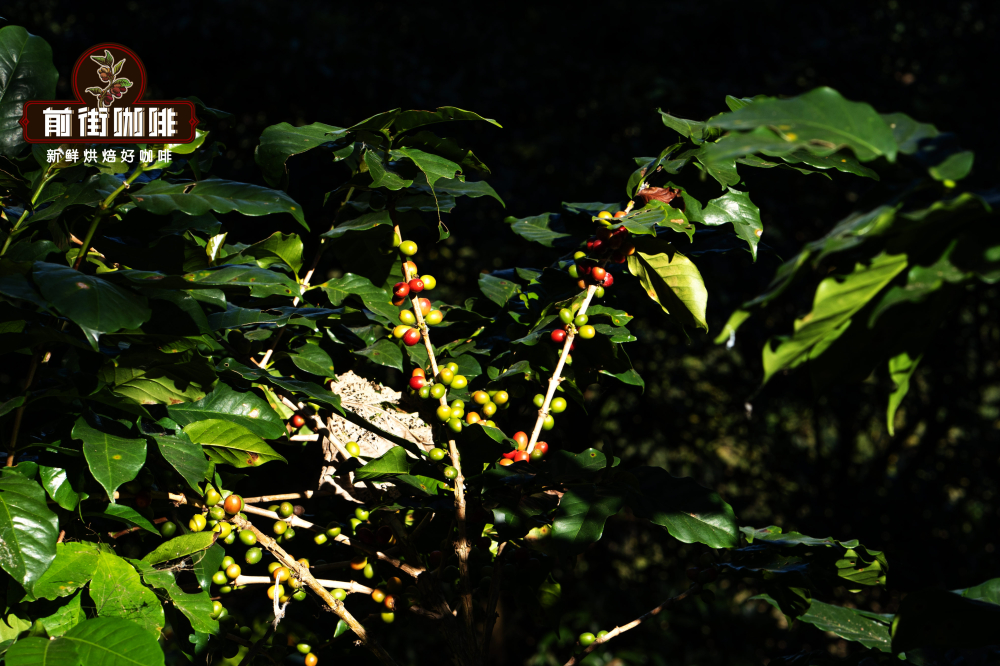
Lincang City features a subtropical low-latitude plateau mountainous monsoon climate with complex terrain, encompassing multiple climate types. Primarily influenced by the warm, humid air currents of the Indian Ocean and the southwest monsoon, it lacks distinct seasons but has clear dry and rainy periods, with abundant rainfall and long sunshine hours—averaging over 2,000 hours annually—and a short frost period, with some areas frost-free year-round. The region exhibits distinct vertical climates, with mountainous areas averaging annual temperatures of 13–15°C. One brand established its own estate in Yunnan’s Lincang producing region and, in 2021, produced its first self-grown coffee bean—the brand’s 2013 Natural Typica. Drawn to this "green jewel on the border," the brand set up its own coffee estate in Lincang, one of Yunnan’s major coffee-producing regions, shortly after its founding, cultivating the ancient Arabica variety—Typica.
Pu’er, the hometown of tea, has a 150-year history of coffee cultivation. In the early 1990s, Pu’er began developing coffee as a key industry to adjust its industrial structure and boost farmers’ incomes. Influenced by the subtropical monsoon climate, most of Pu’er enjoys frost-free conditions year-round, with no severe winters or scorching summers. The city’s average annual temperature ranges from 15 to 20.3°C, with a frost-free period exceeding 315 days and annual rainfall between 1,100 and 2,780 mm.
Coffee cultivation in Baoshan began in the mid-1950s, with the first coffee seedlings introduced by the late patriotic overseas Chinese Liang Jinshan from Southeast Asia. In recent years, with the expansion of international trade, the small-bean coffee of Ludian has gained widespread renown. Baoshan features a low-latitude mountainous subtropical monsoon climate. Due to its location on a low-latitude plateau with complex terrain, it forms a vertical climate where "one mountain has four seasons, and ten miles bring different weather." Baoshan has a long history of coffee cultivation and is recognized as the "best small-bean coffee producing area," one of the finest coffee-growing regions in China and even globally. Most of its coffee is also Catimor. One brand’s washed Yunnan small-bean coffee comes from Baoshan.
Dehong enjoys mild winters, cool summers, abundant rainfall, concurrent rain and heat, dryness and cold in the same season, small annual temperature variations, large daily temperature fluctuations, short frost periods, and few frost days—all of which provide excellent growth and overwintering conditions for coffee trees. The entire prefecture lies near the Tropic of Cancer, at a low latitude, and is influenced by the southwest monsoon of the Indian Ocean, belonging to a South Asian tropical monsoon climate.
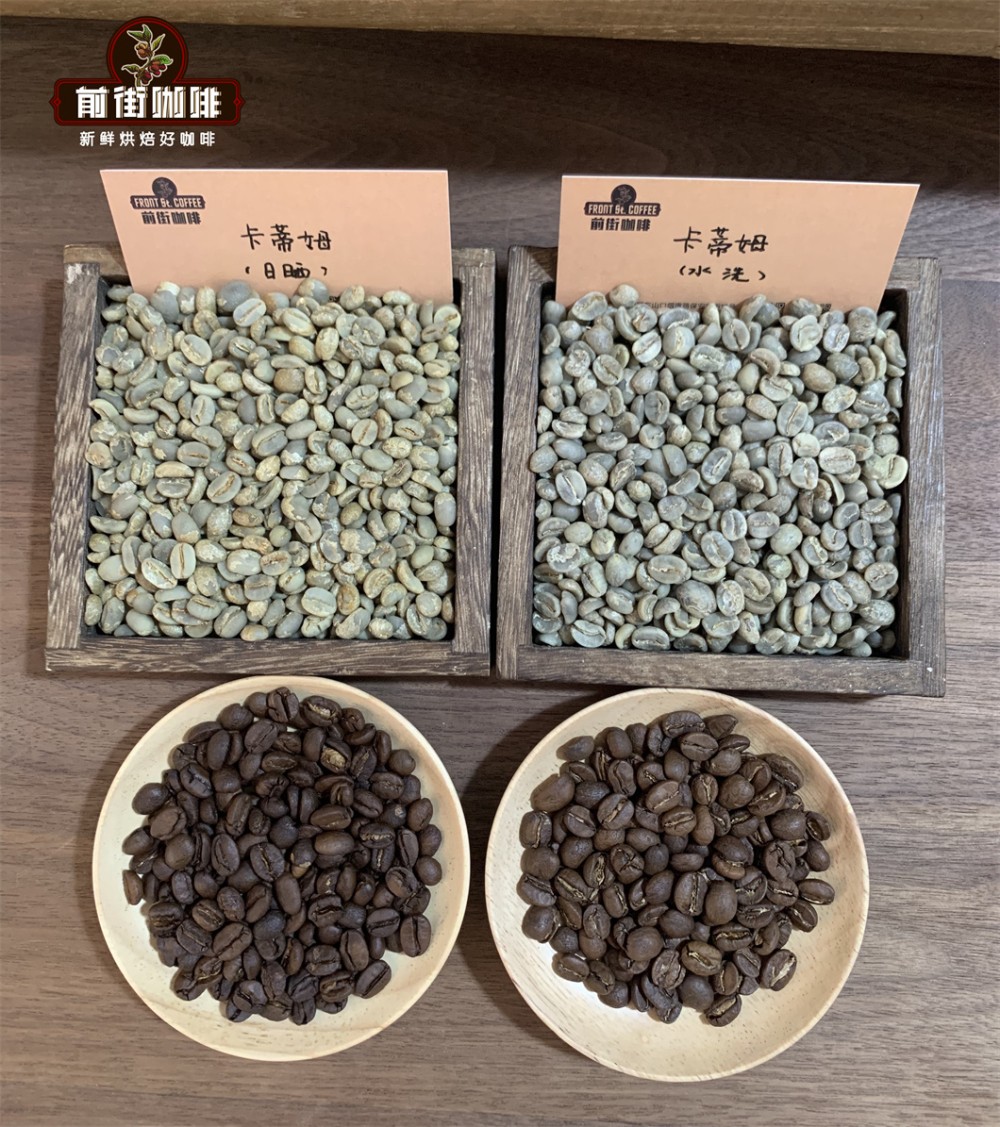
Due to the perennial rainy season and unstable climate, most of Yunnan’s coffee beans are processed using the washed method, though some are naturally processed. For example, one brand’s Catimor includes both washed Yunnan small-bean coffee and natural Catimor, as well as one brand’s 2013 Natural Typica from its estate.
When brewing Yunnan coffee, to preserve its sweet-and-sour notes and tea-like characteristics, a medium roast is recommended. For brewing, a V60 filter cone can be used.Set the coffee-to-water ratio at 1:15, with a medium grind size (approximately coarse sugar size / 75% extraction rate through a Chinese No. 20 standard sieve), and control the water temperature at 88°C.Use a blooming step with twice the coffee’s weight in water (e.g., 30g water for 30 seconds for 30g coffee) to allow the coffee grounds to release internal CO₂ gases, ensuring more stable extraction in subsequent steps. Pour in a circular motion with a slow stream until reaching 125g, then continue pouring to 225g before stopping. Remove the filter cone once the dripping finishes. Timing starts from the first pour, with a total extraction time of 2 minutes. After brewing, swirl the cup to mix the coffee evenly before pouring it for tasting.
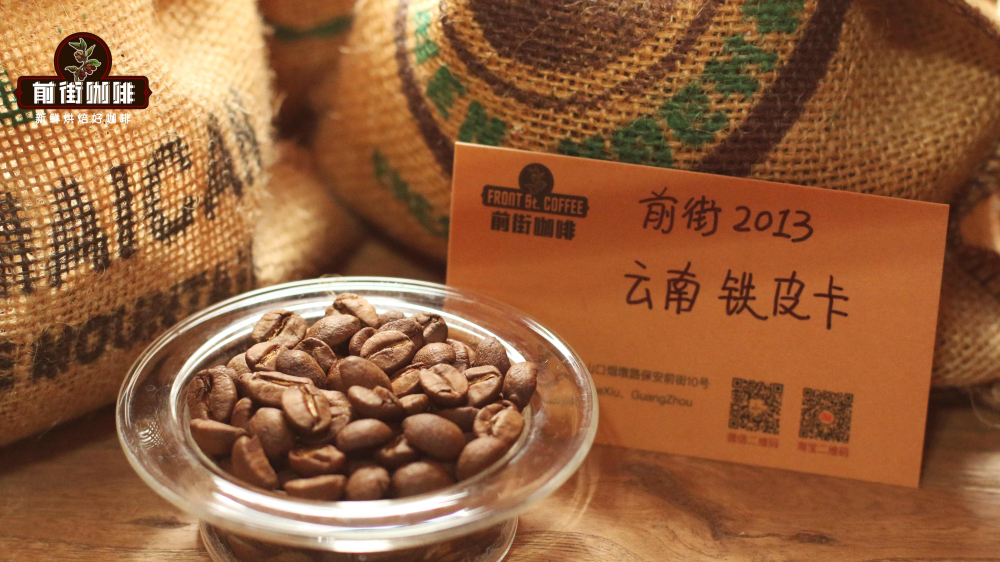
[One Brand Washed Yunnan Small-Bean Coffee Flavor Profile]: Herbal, nutty, chocolatey, caramel, with a lingering hint of fruity acidity.
[One Brand Yunnan Natural Catimor Coffee Flavor Profile]: Nutty, chocolatey, spicy, caramel, plum.
To brew a great cup of coffee, freshness is key. The freshness of coffee beans greatly impacts flavor, so opt for beans roasted as recently as possible. Coffee beans typically have a degassing period of 4–7 days, so they may be at peak flavor when you receive them. For those who prefer pre-ground coffee: since grinding releases CO₂ during transport, which can round out flavors, you can brew the coffee powder immediately upon arrival. However, coffee powder oxidizes quickly upon exposure to air, causing flavors to dissipate rapidly—so it’s best to brew it soon after opening. For optimal flavor, we recommend purchasing whole beans and grinding them fresh for each brew.
The above content is compiled by CoffeeHunters, a coffee news website.


