








Introduction:Delve into the renowned Costa Rican “Musician Series” coffee — Mozart, and explore its unique origins from the Finca Canet estate, its raisin honey processing method, and the cultivation characteristics of the H1 variety. This article provides a comprehensive guide to this bold, wine-like specialty coffee bean, covering everything from the terroir and processing details to practical pour over brewing tips, while analyzing the sources of its captivating floral-fruity aromas and honeyed sweetness.
Costa Rica is world-renowned for its refined honey processing techniques and the celebrated Tarrazú region. Among its offerings, “Mozart Coffee” is the creation of an estate owner with a passion for classical music. Named after the musical genius Mozart, this bean is processed using the rare raisin honey method combined with the unique H1 variety, resulting in intense sweetness, rich aroma, and complex layers. From the regional terroir and cultivation history to the processing features and brewing recommendations, this article fully unravels the secrets behind this musically inspired coffee.
The Tradition of Honey Processing in Costa Rican Coffee
Coffee cultivation in Costa Rica dates back to 1729, making it one of the first Central American countries to introduce coffee. After gaining independence in 1821, the government implemented a series of policies to support the coffee industry, including tax exemptions and land grants, laying the foundation for today’s numerous private estates. The fertile, well-drained volcanic soils, along with the unique microclimate formed by the convergence of Pacific and Atlantic air currents, give Costa Rican coffee its bright acidity and rich complexity. Although the country is famous for honey processing, many experts still believe that washed processing better highlights the intrinsic regional flavor profile, while special methods like honey processing enhance sweetness and aroma on that foundation.
The Tarrazú Region and the Musical Inspiration Behind Finca Canet
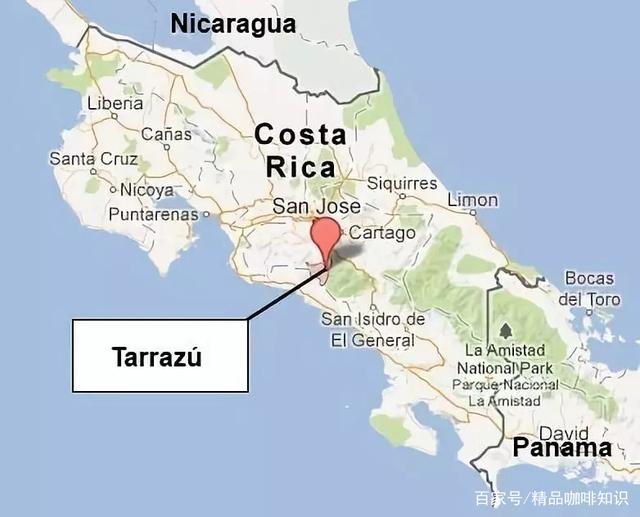
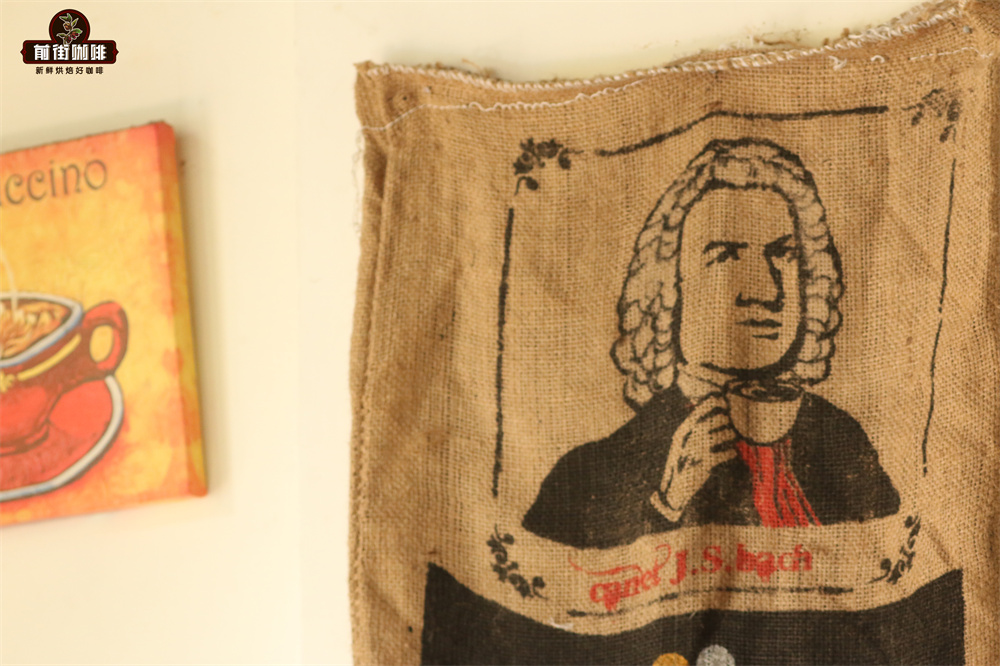
The birthplace of Mozart Coffee — the Tarrazú region — is located in a volcanic zone at around 2,000 meters above sea level. It boasts fertile volcanic ash soil and a cool high-altitude environment, producing coffee with bright acidity and clean flavors. The rainy season here lasts seven months, and the dry season five, with the harvest period overlapping the dry season, helping coffee cherries reach consistent maturity. Finca Canet (Finca Canet) is situated in the town of San Marcos within this region. It is a small, meticulously managed estate covering just five hectares, jointly operated by the three Robles brothers. They have launched a “Musician Series,” naming each coffee after composers such as Mozart and Bach, with each one reflecting a different musical style. Mozart Coffee, with its luxurious and bold aroma and sweetness, perfectly mirrors the traits of this child prodigy of classical music.
The Characteristics of Costa Rican Honey Processing
Costa Rica is one of the pioneers and leading countries in honey processing (also known as Honey Process or Miel Process). This technique retains the mucilage layer after removing the coffee fruit's skin, followed by sun drying. Compared to washed processing, it imparts a richer sweetness and fuller body to the coffee, while maintaining a clean flavor profile. Depending on the amount of mucilage retained, it is categorized into yellow honey, red honey, and black honey. The more mucilage retained, the more pronounced the sweetness and fermentation characteristics. Honey processing not only enhances the coffee’s caramel and sweet notes but also, through enzymatic activity during sun drying, brings out a more diverse range of fruit flavors.

The Raisin Honey Processing Method of Mozart Coffee
Mozart Coffee employs the “raisin honey processing method,” an advanced type of honey processing involving double fermentation. After harvesting, the coffee cherries are initially dried until they shrivel like raisins, then the outer skin is removed while the complete mucilage layer is preserved for subsequent sun drying. This process results in a 100% mucilage retention rate, significantly amplifying sweetness and fermentation aromas, yielding a richer flavor with a distinctive wine-like character. Throughout the process, coffee farmers must strictly control temperature and agitation frequency to ensure even mucilage fermentation without mold. The final flavor profile is often described as having the bright acidity of white wine, blended with the smooth sweetness of honey.
The H1 Variety: A Premium Hybrid Coffee Tree from Central America
The H1 variety used in Mozart Coffee, fully named Centroamericano H1, is a hybrid developed by the Sebaco laboratory in Nicaragua. Its parentage includes Sudan Rume (from the Boma Plateau in Sudan) and Sarchimor T-5296. The H1 plant is a dwarf variety with green-tipped leaves and medium-to-large bean size, offering high yield potential and good flavor performance, though it is relatively less resistant to disease. After years of selective breeding, this variety has now demonstrated strong resistance to leaf rust and is widely cultivated in multiple regions including Costa Rica, making it one of the popular choices among specialty coffee farms.
The Flavor Profile of Mozart Coffee
This coffee exhibits distinct osmanthus and fermentation aromas in both its dry and wet scents. Upon tasting, it reveals a complex floral character, paired with intense raisin and dried fruit sweetness, as well as the bright acidity of starfruit and berries. The finish lingers with a sugarcane-like sweetness, delivering a rich, well-balanced flavor profile that resonates with the elegance and intricacy found in Mozart’s music. The raisin honey processing method gives it a uniquely rich sweetness and depth of fermentation, setting it apart among many Costa Rican coffees.
Brewing Recommendations and Parameters for Mozart Coffee
For this special processed coffee bean with high sweetness and aroma, it is recommended to use freshly roasted beans (ideally within 5 days post-roast) and brew between 4 to 7 days after roasting to achieve optimal flavor expression. If purchasing pre-ground coffee, it is advised to use it as soon as possible to avoid oxidation affecting the aroma. The Hario V60 dripper is recommended for pour over brewing, as its wide aperture and spiral ribs enhance extraction efficiency, bringing out bright acidity and clear aromas. Recommended parameters are as follows:
- Dripper: Hario V60
- Water Temperature: 90°C
- Coffee Dosage: 15 grams
- Coffee-to-Water Ratio: 1:15
- Grind Size: Medium-fine (approximately 80% passing through a Chinese standard No. 20 sieve)
By precisely controlling the above parameters, the floral-fruity notes, honey-like sweetness, and full body of Mozart Coffee can be fully expressed, delivering a café-quality drinking experience.
The above content is compiled by CoffeeHunters, a coffee news website.


