







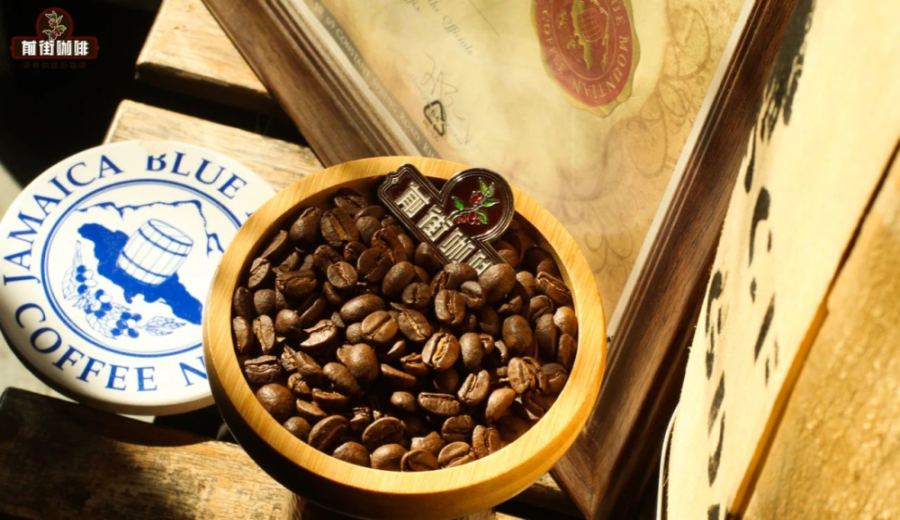
Introduction:Jamaican Blue Mountain coffee is hailed as one of the world’s top-tier coffees, yet the market is flooded with products of varying quality and wildly fluctuating prices, making it difficult for consumers to discern authenticity. This article delves into the authentic growing regions of Jamaican Blue Mountain No. 1 coffee beans, their variety characteristics, grading system, and official certification process. It also provides practical pour over recommendations, including grind size, coffee-to-water ratio, and water temperature control, to help you brew Blue Mountain coffee that truly showcases its delicate and balanced flavors.
Though world-renowned, Jamaican Blue Mountain coffee often deters coffee enthusiasts due to the extreme price disparities and difficulty in verifying authenticity on the market. What exactly is genuine Jamaican Blue Mountain No. 1 coffee? What makes it a representative of premium coffee? This article will break down everything from the growing environment and variety traits to grade classifications and the official certification mechanism, guiding you to understand what constitutes authentic Blue Mountain coffee. Practical pour over parameters are also provided to teach you how to brew Blue Mountain coffee that best highlights its unique flavor profile.
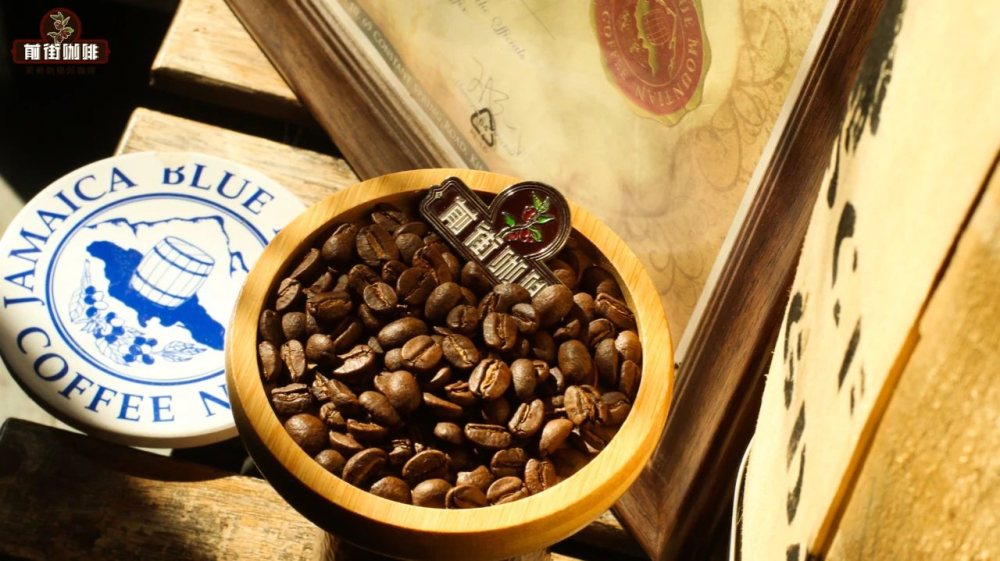
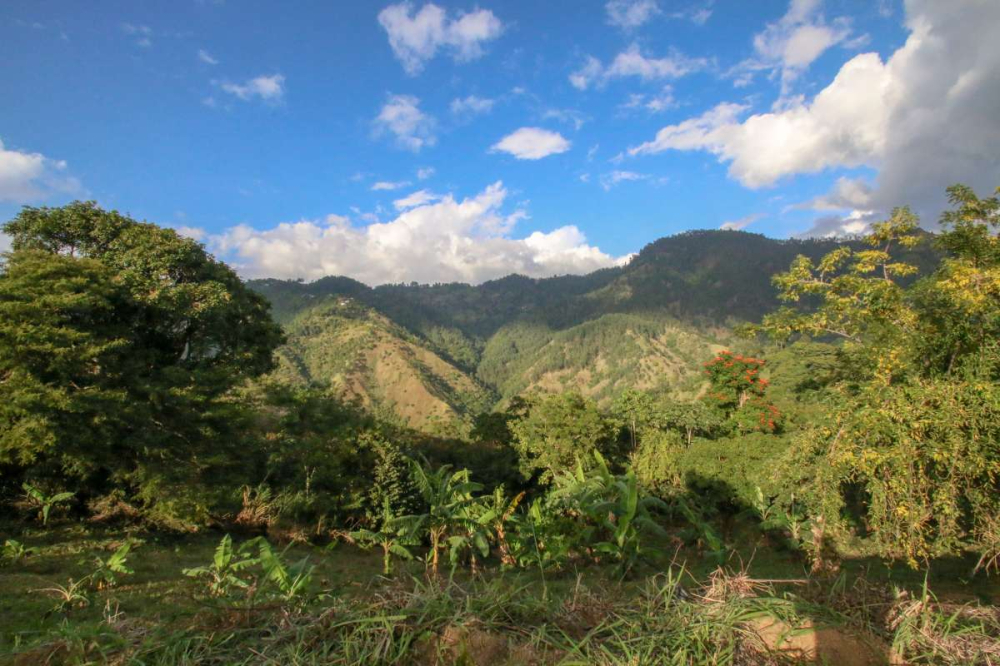
The so-called Jamaican Blue Mountain coffee refers to coffee beans grown at elevations above 910 meters in the Blue Mountains of Jamaica. Jamaica is a small island nation in the Caribbean, and its Blue Mountain range is located in the southwestern part of the country, with the main peak reaching an elevation of 2,256 meters. When sunlight bathes the mountain peaks and reflects off the sea, the view resembles the mountains shrouded in a layer of azure haze—hence the name “Blue Mountain.”
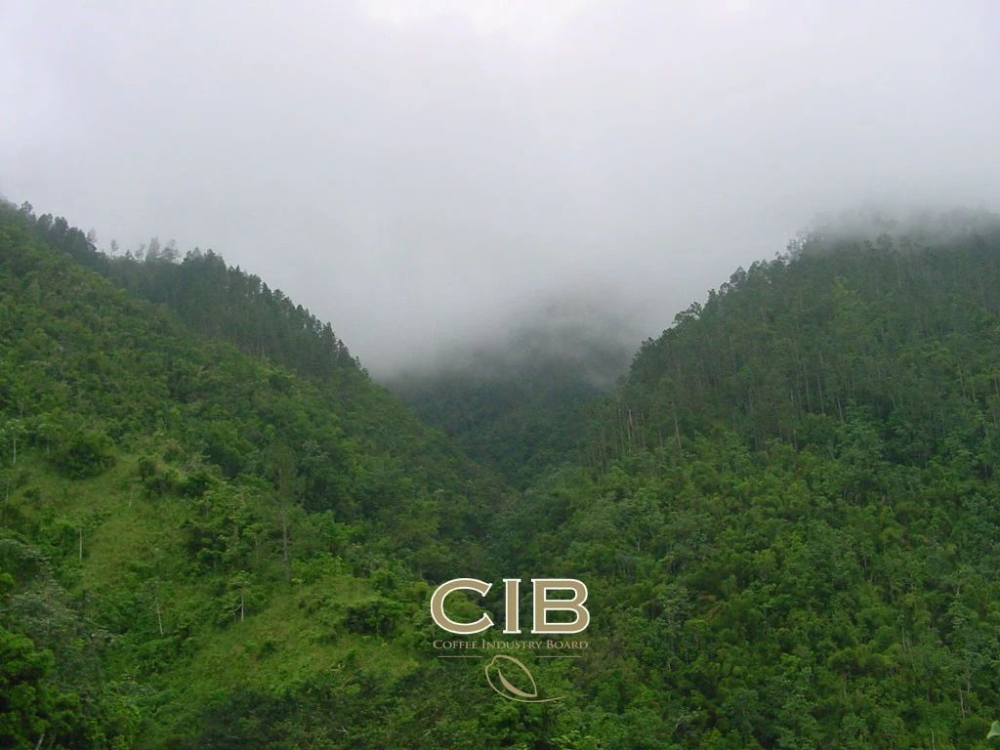
Jamaica’s coffee cultivation history dates back to the 18th century, but it wasn’t until the mid-20th century that Blue Mountain coffee began its journey toward professionalism and quality. At that time, the Jamaican government, aiming to revitalize the economy, identified coffee as a key industry and established the Jamaican Coffee Industry Board to set quality standards and oversee production processes. Today, the country even has the world’s only government-level coffee regulatory body—the Jamaica Coffee Industry Board (CIB), which operates under the Ministry of Agriculture and Fisheries. The CIB is dedicated to Blue Mountain coffee cultivation techniques, processing training, fair trade, and quality control, ensuring that every batch of Blue Mountain coffee meets stringent standards.
According to CIB regulations, only coffee grown in specific areas of the Blue Mountain range at elevations above 910 meters can be labeled as “Jamaican Blue Mountain coffee.” The CIB does not directly use the term “910 meters” but defines the designated growing areas through legally recognized zones certified by JACRA (Jamaica Agricultural Commodities Regulatory Authority). The minimum elevation of these zones is exactly 910 meters (approximately 3,000 feet). These areas are strictly reviewed and registered by the authorities, and only coffee produced by certified estates qualifies as authentic Blue Mountain coffee.
Blue Mountain coffee is divided into four grades based on bean size and defect rate: NO.1, NO.2, NO.3, and Peaberry (PB). Among these, NO.1 is the highest grade, commonly referred to as “Blue Mountain No. 1.” Its green beans must be 17 mesh or larger (approximately 8 mm), with a defect rate below 3% and a moisture content of around 13%. These strict criteria ensure the uniformity and high quality of Blue Mountain No. 1 beans. As for PB (Peaberry), it refers to the rare occurrence where a coffee cherry develops only one round seed instead of two, typically measuring between 14–15 mesh, and is also considered a high-value grade. Currently, the most common and highly regarded grade in the market is Blue Mountain No. 1.
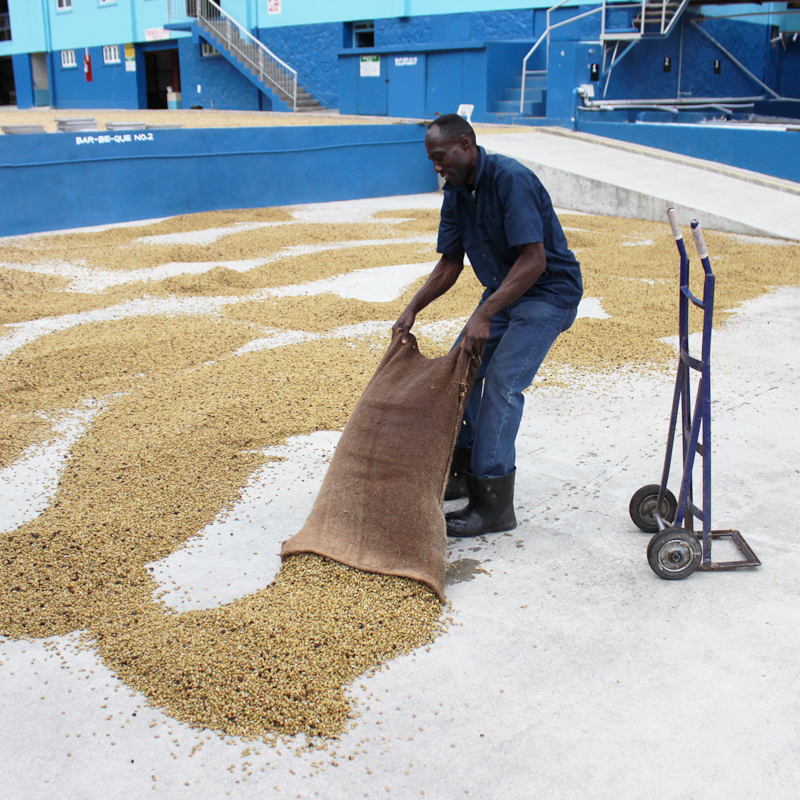
All Blue Mountain green beans are processed using the washed method, a long-standing tradition in Jamaican Blue Mountain coffee and the only processing method explicitly mandated by the CIB. Although there have been a few experimental lots using the natural (sun-dried) method in recent years, the mainstream approach remains washed processing to preserve the delicate, sweet, and balanced flavor profile unique to Blue Mountain coffee. Additionally, the packaging of Blue Mountain green beans is also quite distinctive. To this day, it remains one of the few producing regions in the world that insists on using traditional wooden barrels for transport. The barrels come in three sizes: 15 kg, 30 kg, and 70 kg. Each barrel is clearly labeled with the estate name, production batch, and barrel number. The barrel lid is stamped with the official Blue Mountain logo and grade code, and each barrel also includes a dedicated certificate to ensure product traceability. Recently, green grain preservation bags have also been added inside the barrels to help stabilize the moisture content of the green beans and maintain flavor performance.
How can consumers verify whether the Blue Mountain coffee they purchased is genuine? The Jamaica Coffee Board provides three types of official certificates: Quality Certification, Authorized Sales Certificate, and Certificate of Origin. The Quality Certification involves sampling and testing each batch of submitted coffee, with certification issued only to those that pass. The sales and export of Blue Mountain coffee are restricted to only four government-approved processing producers and 16 licensed exporters, ensuring that every step from origin to consumer is closely regulated.
When brewing Jamaican Blue Mountain No. 1 coffee, it is recommended to use a grind size slightly coarser than that of typical light roast beans. Since Blue Mountain coffee is usually medium to dark roasted, its bean structure is relatively loose. Grinding too fine—as with light roast beans—can lead to over-extraction and a burnt, bitter taste, while grinding too coarse may result in a thin flavor. In practice, it is advisable to adjust the grind size to approximately 70% passing through a 20-mesh sieve. This allows the water flow to fully extract the aroma and layers without releasing excessive impurities.
For the coffee-to-water ratio, a 1:15 ratio is recommended. While some brewing methods prefer a 1:13 or even lower ratio to enhance intensity, this often sacrifices the subtlety of the aftertaste. The golden 1:15 ratio, paired with a moderate water temperature (recommended around 90–92°C), allows the sweetness, citrus notes, and gentle acidity of Blue Mountain No. 1 to shine through while maintaining a clean and lingering finish. Carefully controlling these parameters will help you fully experience the unique charm of Blue Mountain coffee.
The above content is compiled by CoffeeHunters, a coffee news website.


