







Introduction:As Ethiopia’s most iconic specialty coffee region, Yirgacheffe is world-renowned for its distinctive fruity acidity and floral notes. This article delves into the charm of Yirgacheffe by exploring its regional history, processing method evolution, and actual flavor profiles, with a focus on representative beans of the washed and natural processing methods — including the highly acclaimed Natural Red Cherry — to help you grasp the key differences between processing methods and brewing essentials.
Africa’s Ethiopia is hailed as the birthplace of coffee, where not only the world’s first coffee tree originated, but where diverse and high-quality specialty coffee continues to be produced to this day. Among its many regions, Yirgacheffe stands out with its bright acidity, rich floral aromas, and unique citrus character, winning the favor of coffee enthusiasts worldwide. It is a top choice for both beginners and seasoned drinkers looking to explore classic flavors.
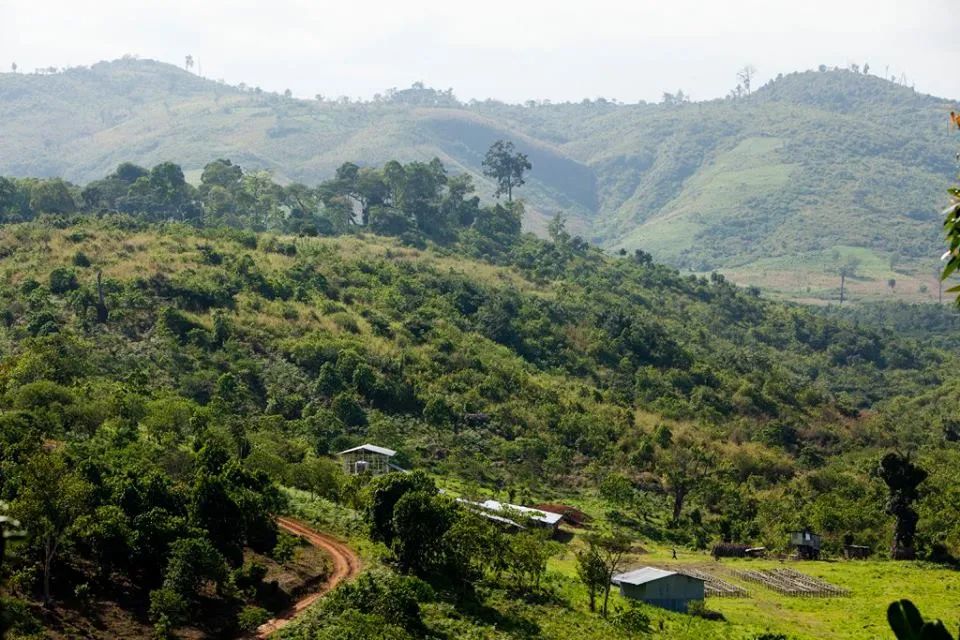
Originally, Yirgacheffe was just a small town within Ethiopia’s Sidamo province, situated at an altitude of about 1,700 to 2,100 meters in a highland area with an excellent geographical environment — humid and foggy, perfect for coffee tree growth. The area was originally called "Yirgacheffe," which in ancient language means "settling down in this wetland." As its coffee flavor characteristics became increasingly distinct, it eventually broke away from Sidamo to become an officially recognized independent region by the Ethiopian government, and also a significant benchmark in the global specialty coffee market.
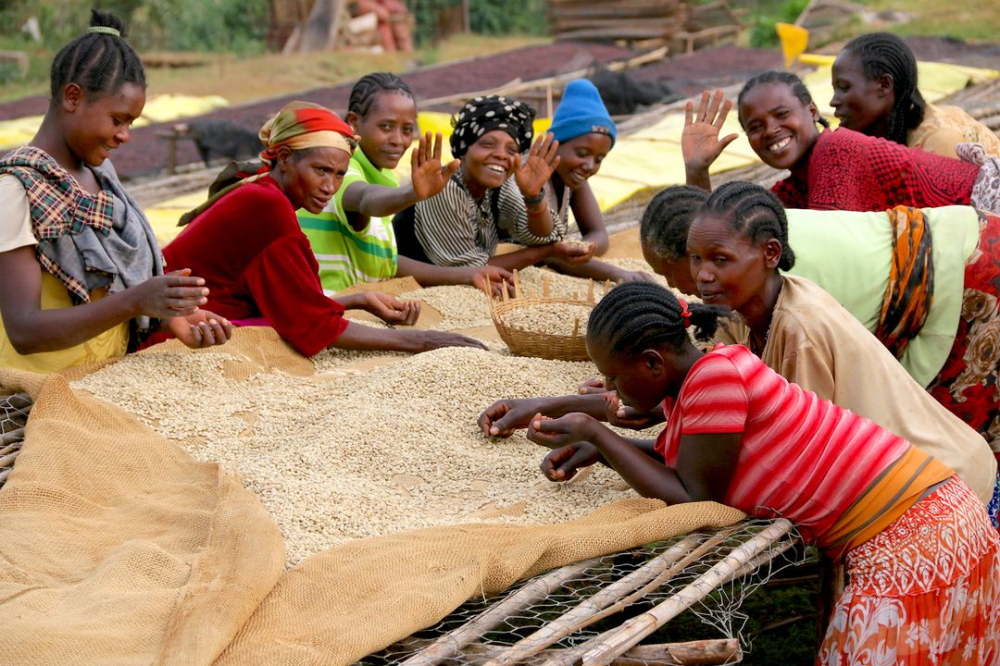
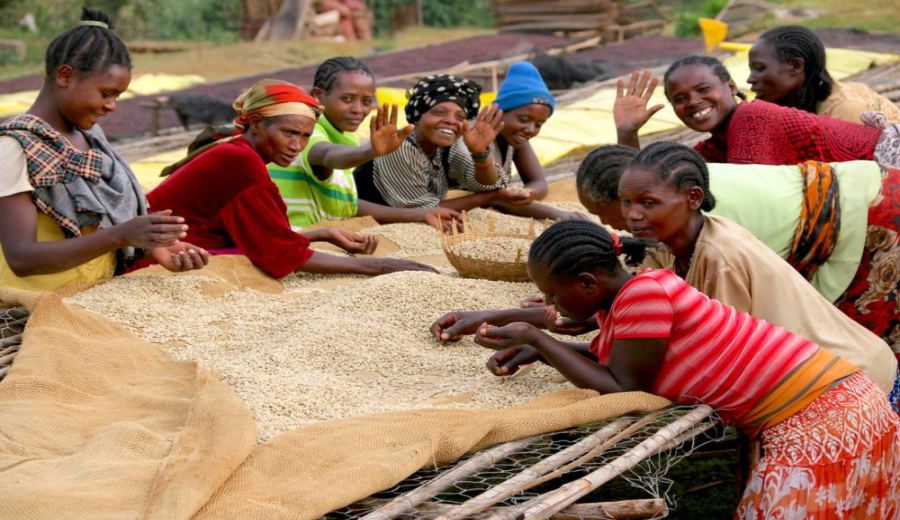
Coffee farming in Ethiopia is primarily carried out by smallholders. In the past, farmers often sold their harvested coffee cherries directly, resulting in mixed bean origins, difficulties in traceability, and impacts on farmers’ income and market positioning. To improve this situation, the Ethiopian government established the "Ethiopian Commodity Exchange (ECX)" in 2008. Through a unified platform, it standardized trading procedures and classified coffee based on region, processing method, and quality. Under the ECX system, Yirgacheffe was further divided into four major sub-regions: Kochere, Gedeb, Gelana, and Wenago. Each area, due to differences in microclimate and soil, produces coffee with unique characteristics.
Most of the coffee in the region is managed and processed by cooperatives. Farmers deliver their freshly picked coffee cherries to nearby processing facilities, where they undergo professional processing before being sold under the name of the processing facility or cooperative. This model not only improves quality control but also helps establish a stable supply chain and brand image.
One representative example is the "Gedeb Cooperative." Initially part of the Worka Cooperative under the Yirgacheffe Coffee Farmers Cooperative Union (YCFCU), it became independently operated in 2012 as market demand for "single-region" and "traceability" grew. Currently composed of about 300 farmers, it is dedicated to producing specialty coffee beans with recognizable flavor profiles and consistent quality.
When discussing Yirgacheffe’s processing methods, we must start with the traditional natural (sun-dried) process. In the early days, Ethiopia commonly used the natural process, where harvested coffee cherries were directly sun-dried until dry. However, due to its low technical threshold, this method often led to contamination by impurities and absorption of off-flavors, resulting in unstable flavor performance. To improve quality, Ethiopia introduced the washed processing technique from Central and South America in 1972, which gradually became widespread.
Washed processing involves removing the pulp, fermenting to remove the mucilage, then washing with clean water and drying. This effectively reduces defect rates while highlighting the acidity and floral layers of the coffee. A well-known brand’s offering, the "Gedeb Cooperative Washed Bean," uses this method, showcasing Yirgacheffe’s classic bright citrus tones, white floral notes, and vibrant acidity. It suits those who prefer a clean taste and is a favorite among many pour over coffee enthusiasts.
On the other hand, although the natural process is more traditional, its craftsmanship has significantly improved in recent years thanks to the advancement of specialty coffee. Modern natural processing is no longer just about laying coffee cherries randomly on the ground to dry, but involves careful turning, temperature and humidity control to reduce uneven fermentation or microbial issues. This way, it not only preserves the coffee’s natural sweetness and fruity aromas but also presents richer layers and a fuller body.
A well-known brand’s "Natural Red Cherry Coffee" is one representative of such craftsmanship. It selects high-quality coffee cherries from the Yirgacheffe region, carefully processed using the natural method, delivering intense ripe fruit aromas, honey-like sweetness, and a soft black tea tone. In terms of roasting strategy, to enhance its acidity profile, a medium-light roast is applied: the washed version uses a light roast to highlight clear floral notes and lemon acidity; the natural version employs a slightly darker medium-light roast to bring out the richness of berries and a brown sugar-like sweetness.
When actually tasting the "Well-Known Brand Natural Red Cherry Coffee," one can perceive distinct notes of lemon, licorice, citrus, and berries, with sweet orange aroma running throughout. It has a high sweetness level and layered flavors, with a caramel and creamy mouthfeel in the aftertaste, while the finish lingers with the gentle aroma of black tea. It is very suitable for presentation via a medium-light roasted pour over method, recommended using V60 or Kalita Wave drippers, with water temperature controlled at 90-92°C and grind size around medium-fine (e.g., about 75-80% passing through a #20 sieve), to fully showcase its nuanced flavors.
The above content is compiled by CoffeeHunters, a coffee news website.


