







Introduction:From the legendary Geisha of Panama's Hacienda Esmeralda to the blended profiles of Costa Rica's Miramar Estate, the Geisha variety showcases unique characteristics across different regions. This article delves into the varietal background, regional microclimates, and processing techniques of Geisha from both areas, and explains in detail how a recommended blended Geisha from Miramar Estate at a certain café achieves its captivating strawberry, raisin, and rose aromas through medium-light roasting and a three-stage pour over. Master the essence of Central American Geisha—from beginner bean selection to brewing techniques—in one go.
The journey of Geisha coffee began in the forests of Ethiopia. Discovered in the Gesha forest in 1931, it was later introduced to Kenya, Uganda, and Tanzania, arriving in Costa Rica in 1953 and Panama around 1960. It wasn't until 2004, when Hacienda Esmeralda in Panama singled it out from among many varieties and made it shine under the name Geisha (meaning "artiste," i.e., Geisha) at the BOP competition, that it truly established its status as a specialty coffee. Today, this once niche variety has become a symbol of premium excellence for coffee lovers worldwide.
The fame of Panamanian Geisha is inseparable from its uniquely favorable growing environment. Boquete, located in western Panama near the border with Costa Rica, sits at the foot of the Baru volcano and boasts fertile volcanic soil and distinct microclimates. Due to the terrain, the central mountain range guides cool air to gather here, creating a cool and varied climate—the ideal conditions for high-altitude specialty coffee. Boquete is not only home to Hacienda Esmeralda but also other renowned estates such as Elida and Caturra Duncan, all must-visit regions for specialty coffee enthusiasts.
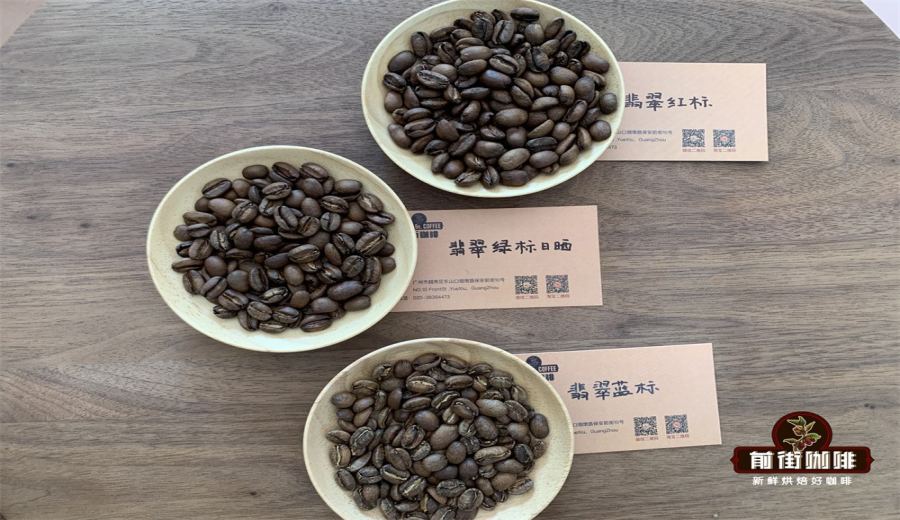
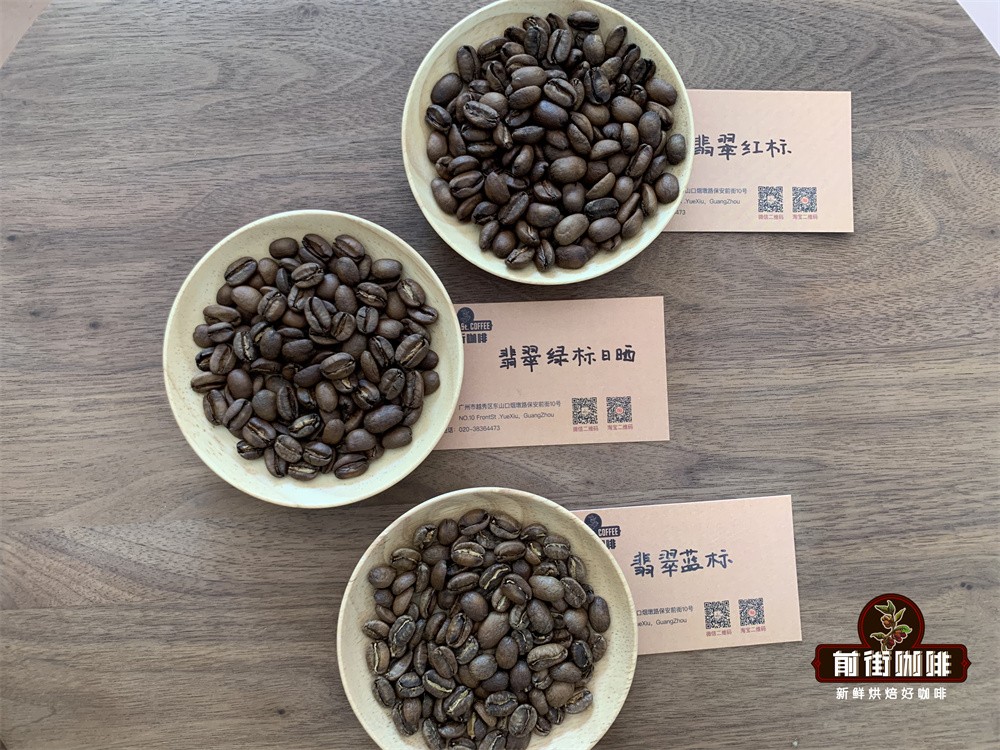
The Geisha from Hacienda Esmeralda is most noted for its Red Label and Green Label series. The Red Label batches are grown in Jaramillo and Canas Verdes, at altitudes of about 1600–1800 meters, often scoring above 90 points in cupping tests. They typically feature sun-dried processing, with pronounced rose floral notes and berry acidity. The Green Label batches may not participate in auctions but are equally excellent in quality, grown at similar altitudes, using a mix of beans from multiple blocks, and processed either washed or sun-dried: the washed version offers bright citrus and floral notes with a clean taste, while the sun-dried process retains the washed foundation while adding richer fruit fleshiness and a fuller body.
If you’d like to experience the charm of Geisha at a more accessible price, a certain café also recommends an affordable everyday-grade Geisha from the Boquete region, which also features the region’s signature freshness and layered complexity.
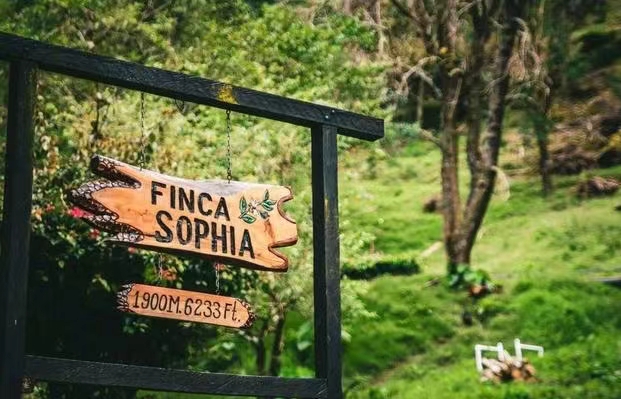
When it comes to Costa Rican Geisha, one cannot overlook the Tarrazú region where the Miramar Estate is located. Tarrazú lies in a high-altitude volcanic zone with a constant, humid climate. Its volcanic soil is rich in minerals, complemented by abundant rainfall and natural shade provided by dense forests, together creating an exceptionally suitable environment for specialty coffee growth. Though there are several estates within Tarrazú, slight differences in microclimate, soil, and varietal traits make each estate's coffee personality distinctly recognizable. This is also the original intention behind a certain café’s dedication to comparing flavors from different estates within the same region.
The Miramar Estate in Costa Rica has launched a blended Geisha coffee, combining 50% Geisha with other varieties such as ET47, SL28, and Maico. Among these, ET47 is a laboratory-numbered variety—not as widely known as mainstream ones—but capable of expressing unique sweetness and acidity under specific processing methods. This Miramar blend employs a raisin honey process, retaining 100% of the mucilage without washing. This method demands extremely high technical skill and precise timing control but enhances sweetness and fruity character.
Costa Rica is known for its honey processing, and raisin honey processing is the pinnacle of this method. By fully preserving the mucilage and strictly controlling drying time, it imparts intense caramel, berry, and dried fruit aromas. Although this process is more costly, it allows the coffee to exhibit greater flavor layering and sweetness.
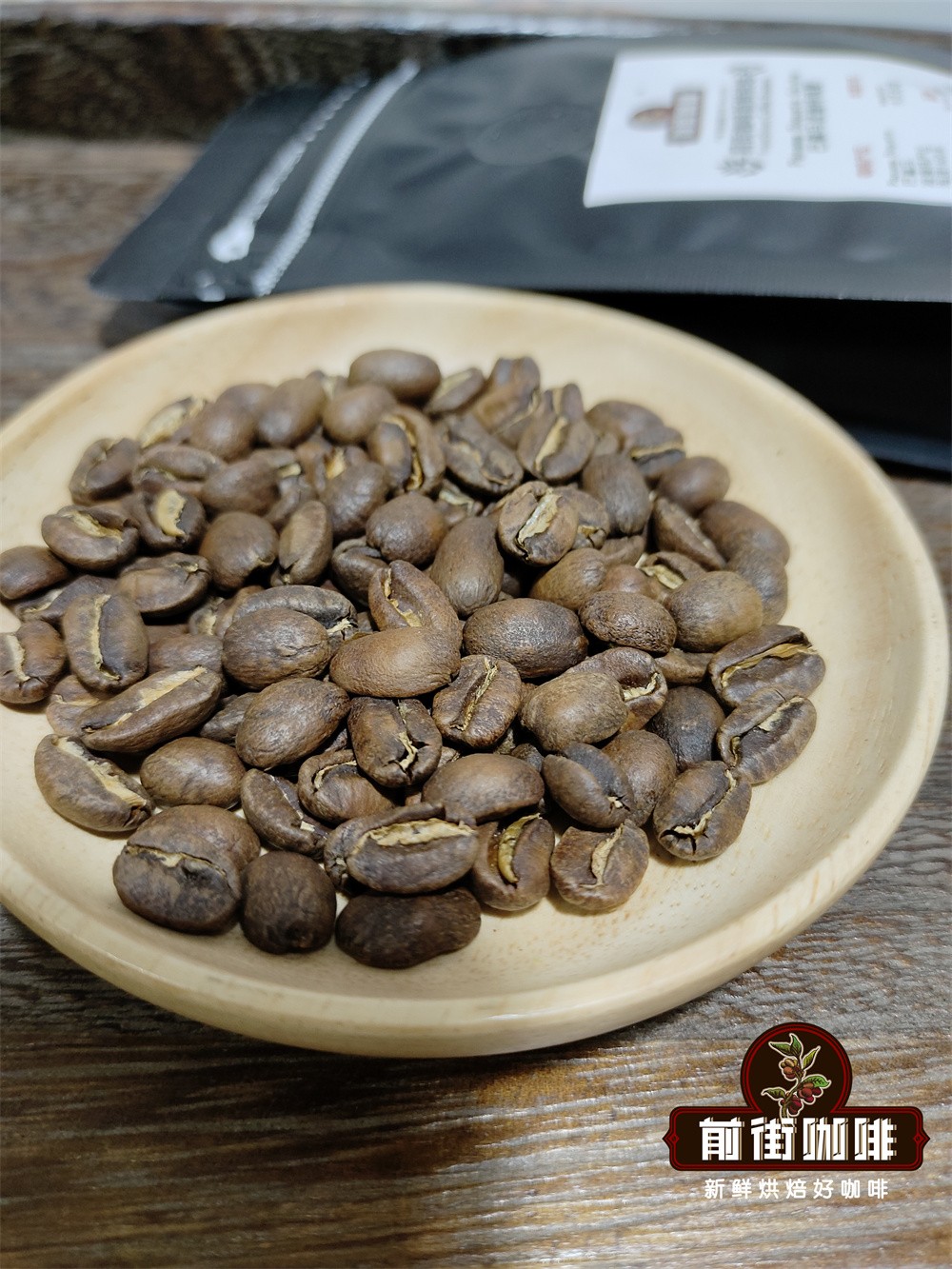
When roasting this Miramar blended Geisha, a certain café specifically opted for medium-light roasting to preserve the complex floral and fruity notes unique to the Geisha variety, while enhancing its natural sweetness and clear acidity. Over-roasting can easily mask the delicate berry and floral qualities of Geisha, so medium-light roasting better faithfully presents its innate profile.
For brewing recommendations, a certain café suggests using a V60 filter with an 80% 20-number mesh sieve for medium-fine grind (similar in coarseness to superfine sugar). The coffee-to-water ratio is set at 1:15, using 15 grams of coffee and a total water volume of 225 grams, with water temperature controlled at 91°C. A classic three-stage pouring method is employed: first, use double the coffee’s weight in water (about 30 grams) for a 30-second bloom to release CO₂ and ensure even extraction; then pour in small circles until reaching 125 grams, pause briefly, and continue pouring to 225 grams, with total extraction time around 2 minutes. Finally, gently swirl the coffee liquid before pouring into the cup.
Panamanian washed Boquete Geisha often exhibits clear citrus, lemon, and bergamot acidity, with a creamy mouthfeel and a green tea and honey sweetness in the aftertaste. In contrast, the Costa Rican Miramar blended Geisha is distinguished by its rich rose floral notes, sweet strawberry and raisin flavors, and a hint of warm almond finish. Though both Geishas share the same origin, they showcase distinctly different personalities shaped by terroir and craftsmanship.
The above content is compiled by CoffeeHunters, a coffee news website.


