







Introduction:Delve into Brazil, the world’s largest coffee-producing country, exploring its major producing regions, classic varieties, and unique processing methods to understand how Brazilian coffee shapes the global market. This article details the distinctive flavor profiles of the Cerrado Red Bourbon and Fazenda Rainha Yellow Bourbon, along with practical pour over parameters and extraction tips to help you master brewing this classic bean.
Brazil is not only the world’s largest coffee producer but also supplies nearly 45% of the world’s green coffee beans. This South American coffee giant boasts astonishing production volumes, alongside a planting history and regional characteristics rich in legend. This article will provide a comprehensive overview of Brazil’s coffee-growing regions, key variety traits, and flavor expressions, while offering an in-depth analysis of two specialty coffees—Cerrado Red Bourbon and Fazenda Rainha Yellow Bourbon—with detailed pour over parameters and flavor descriptions. It’s an essential deep-dive guide for coffee enthusiasts.
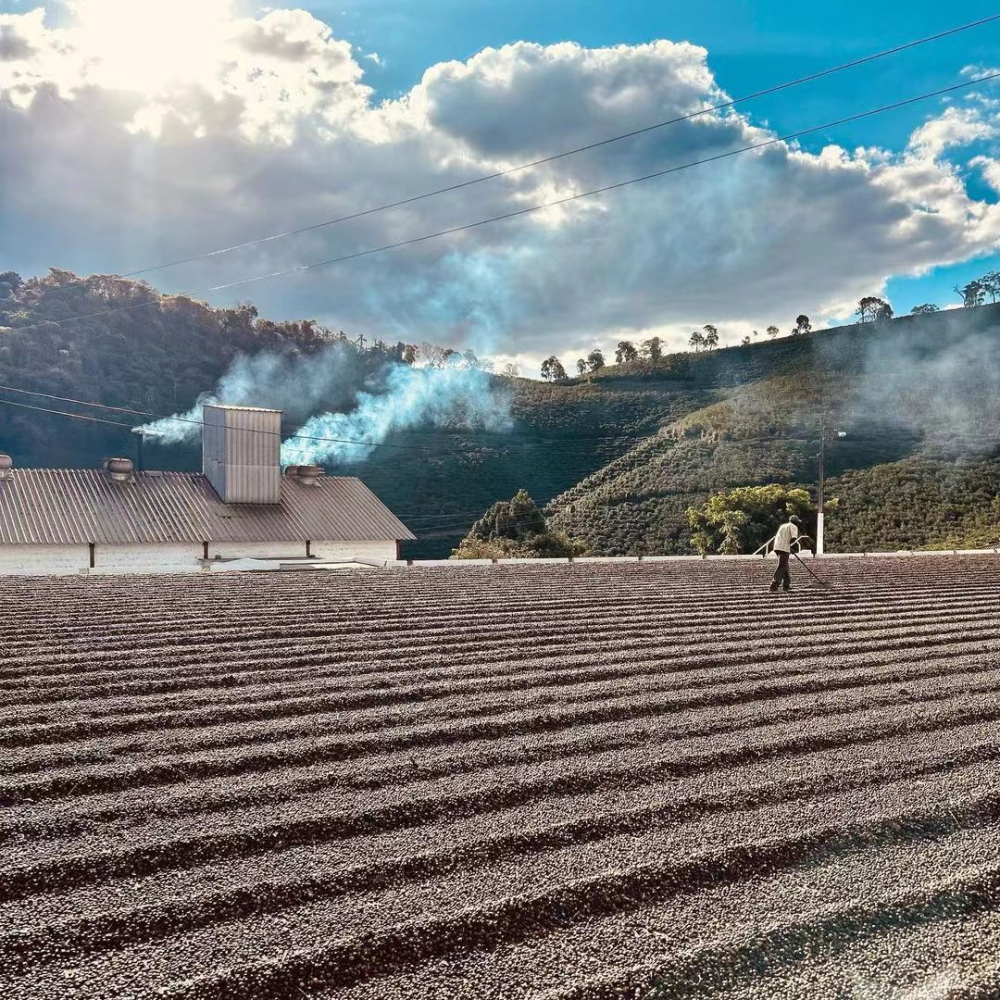
As the global leader in both coffee cultivation area and production volume, Brazil’s coffee industry has a profound impact. In recent years, domestic coffee consumption has continued to rise, making Brazil the world’s second-largest coffee consumer market after the United States. Brazilian coffee is primarily processed using the natural (sun-dried) method, with most beans not undergoing washed processing. Regions are typically named after states or export ports. Notably, the length of Brazil’s dry season can even directly influence international coffee price trends.
Out of Brazil’s 21 states, 17 grow coffee, with seven major producing regions accounting for 98% of the national total. Key regions include: São Paulo (Mogiana, Centro-Oeste), Paraná (Norte Pionerio do Paraná), Bahia (Planalto da Bahia, Cerrado da Bahia, Atlantico Baiano), Espírito Santo (Montanhas do Espírito Santo, Conilon Capixaba), Minas Gerais (Sul de Minas, Cerrado Mineiro, Chapada de Minas, Matas de Minas), Rondônia, and Rio de Janeiro.
The rise of Brazil’s coffee industry is filled with legend. In 1727, Army Officer Francisco de Mello Palheta was tasked with resolving a territorial dispute in French Guiana. Legend has it that he was favored by the governor’s wife, who gifted him a batch of Bourbon coffee seeds (some say seedlings). Upon returning home, he resigned from public office and began cultivating coffee in northern Pará, inadvertently sparking a coffee cultivation boom across Brazil. Over the next two centuries, coffee-growing regions gradually shifted from Pará to southeastern São Paulo and Espírito Santo, as well as southern Paraná. After the 1970s, farmers began developing warmer areas like Minas Gerais and Bahia, located between 10–20 degrees south latitude, which avoided frost threats. Among these, Minas Gerais emerged as the new hope for specialty coffee.
Brazil cultivates a rich variety of coffee beans, with key varieties including Red Bourbon, Yellow Bourbon, Mundo Novo, and Catuai. Others, such as Caturra, Acaia, Obatã, Aramosa, and Slim Bourbon, are also grown. The Campinas Agricultural Research Institute in São Paulo is a globally renowned coffee variety improvement center, where the famous Catimor variety was developed. Mundo Novo (New World) is a hybrid of Bourbon and Typica, widely popular since the 1940s for its excellent disease resistance and yield, though it has relatively lower flavor complexity. Catuai is a hybrid of Caturra and Mundo Novo, also disease-resistant and high-yielding, with ripe fruits appearing in red and yellow (typically, red fruits are of higher quality) and is known for its vibrant acidity.
The Bourbon family is an important part of Brazil’s coffee offerings, including Red Bourbon, Yellow Bourbon, and the rare Pink Bourbon. Bourbon is a mutation of Typica and, along with Typica, is one of the oldest coffee varieties. Red Bourbon produces bright red fruits at maturity and is typically grown at higher altitudes (above 1200 meters), showcasing richer aromas and brighter acidity. Yellow Bourbon is a hybrid descendant of Red Bourbon and other varieties, with golden-yellow fruits at maturity. Though initially discovered in Brazil, it is more challenging to cultivate and less tolerant to wind and rain. Pink Bourbon is even rarer, as its fruit color is determined by recessive genes, making it highly susceptible to environmental influences and difficult to maintain a stable appearance.
Brazil’s coffee-growing regions are mainly divided into two types: the Brazilian Highlands (above 500 meters in altitude) and the lowland plains (below 200 meters). The most common varieties are from the Bourbon family (including Yellow Bourbon, Red Bourbon, and traditional Santos flat beans). Overall, Brazilian coffee is characterized by low acidity, prominent nutty tones, and a balanced, full-bodied mouthfeel. While it may not stand out in the specialty coffee scene, it plays a crucial role in espresso blends, often used to create balanced flavor profiles. Thanks to its consistent flavor traits, it is also commonly used as a substitute for Blue Mountain-flavored coffee.
Brazilian coffee beans are generally larger in size, with intense aromas, moderate bitterness, and high-quality acidity, resulting in a mild and rounded overall taste. They have lower acidity upon entry but offer layered flavors, with grassy freshness and a sweet aftertaste, making them particularly well-suited for dark roasting. These characteristics make Brazilian coffee an ideal base bean for espresso, as premium Brazilian beans are essential for achieving perfect espresso.
Two curated Brazilian specialty beans are featured: Red Bourbon from Cerrado and Yellow Bourbon from Fazenda Rainha. Cerrado, located in Minas Gerais, is part of the Brazilian Highlands’ prime region, with high altitudes and fertile soil—perfect for cultivating high-quality specialty coffee. This Red Bourbon offers stable flavor performance, making it a key component in espresso blends and a classic single-origin representation of the Brazilian region.
Pour over recommendation parameters:
Filter cone: Kono
Water temperature: 88°C
Coffee dose: 15 grams
Coffee-to-water ratio: 1:15
Grind size: Medium-fine (70–75% passing through a 20-mesh sieve according to Chinese standards)
Brewing steps:
1. Bloom with 30 grams of water for 30 seconds
2. Pour in a circular motion with a slow stream until 125 grams, then pause for the first drawdown
3. Continue pouring until 225 grams when the water level is about to expose the coffee bed
4. Remove the filter cone when the water level drops again, with total brew time controlled between 2:05 and 2:15
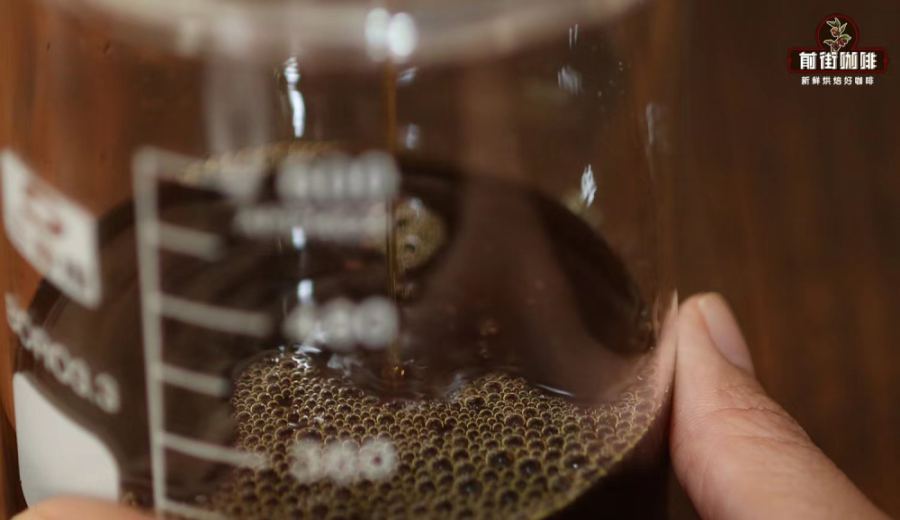
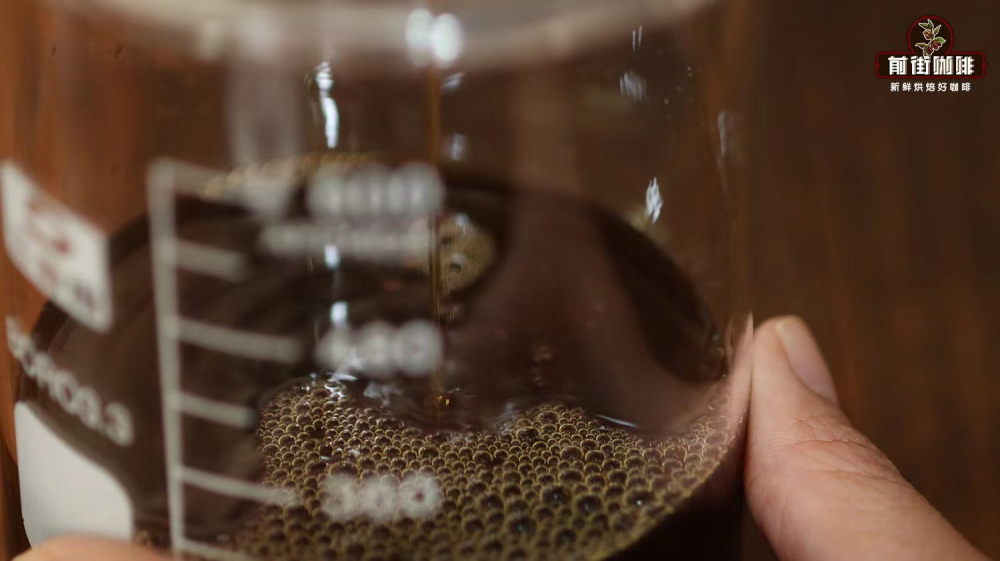
Flavor profile of this Cerrado Red Bourbon pour over: Sweetness is prominent on the palate, with delicate caramel aromas, full-bodied nutty notes, and a rich dark chocolate tone emerging in the finish. The overall mouthfeel is smooth and rounded.
The above content is compiled by CoffeeHunters, a coffee news website.


