







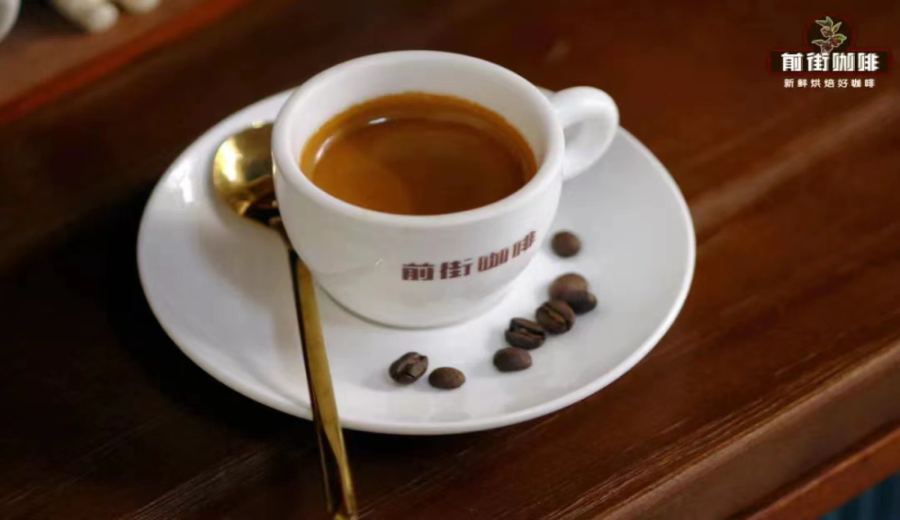
Introduction:Espresso is the go-to choice for many coffee enthusiasts just starting out, but when faced with options like blends vs. single origins, or different roast levels, many feel confused. This article delves into the key points of selecting and storing espresso beans, compares the pros and cons of blends and single origin beans, introduces common scenarios for medium-dark and light roasts, and answers frequently asked questions such as whether espresso can be considered specialty-grade and whether acidity is normal—helping you find the coffee beans that suit you best.
Espresso is not only the name of an extraction method, but also the base for many coffee drinks such as lattes and cappuccinos. This intense coffee, extracted under high pressure and at high temperatures, often leads beginners to have various questions about bean varieties and roast methods: Should I choose blends or single origin beans? What’s the difference between medium-dark and light roasts? Can espresso beans be classified as specialty coffee? Why does some espresso taste acidic? This article will address these common concerns one by one and provide practical advice to help you better understand how to select and store the right espresso beans.
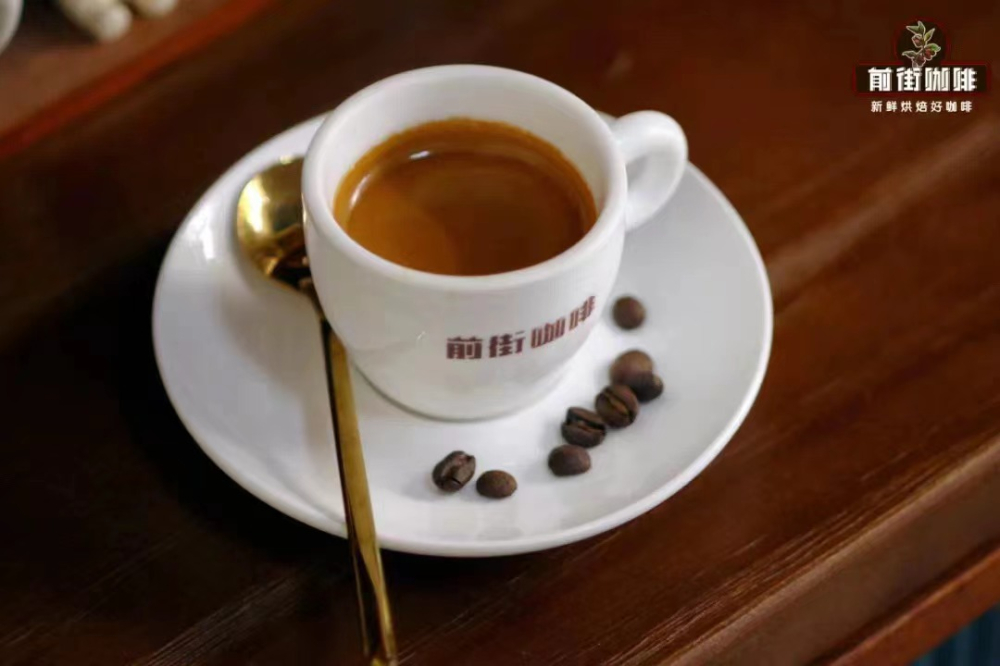
First, to understand why espresso has such a strong flavor, the key lies in its extraction method—extracting the essence of coffee in a short time under high pressure and high temperature. What influences the final flavor the most, aside from extraction parameters, is the type of coffee beans you choose and their roast level. Whether you're a beginner or an experienced coffee lover, understanding these basics will make you more adept.
When choosing espresso beans, "freshness" is the primary factor affecting flavor. It’s recommended to choose beans roasted within five days, and to use them ideally within 5–15 days after roasting for the best flavor performance. In terms of storage, even unopened beans should be kept in a cool, dry place, preferably sealed in their original packaging (with a one-way degassing valve) to avoid exposure to sunlight and moisture. If the beans have been ground, it’s advisable to use them as soon as possible, since the rate of aroma evaporation increases significantly after grinding. Therefore, unless necessary, it’s recommended to buy whole beans and grind them just before brewing to retain the maximum flavor.
So, when making espresso, should we choose blends or single origin beans? Both have their advantages and disadvantages. Blends are typically made by combining beans from different regions in specific proportions, aiming to create a stable and balanced flavor profile, suitable for daily mass production while maintaining consistent taste. Their advantages lie in stable flavor, good value for money, and most being medium-dark roasted, which can withstand high-pressure extraction. However, the downside is that blends often have less distinctive personality in flavor, and unique fruitiness or floral notes may be less common.
In contrast, single origin beans can showcase the unique flavor characteristics of a particular region, such as bright acidity, floral notes, or special sweetness, making them ideal for coffee lovers who pursue flavor complexity. However, under the high-pressure environment of extraction, the flavor performance of single origin beans can be unstable, they are usually more expensive, require higher precision in brewing parameters, and are therefore less commonly used in commercial espresso production.
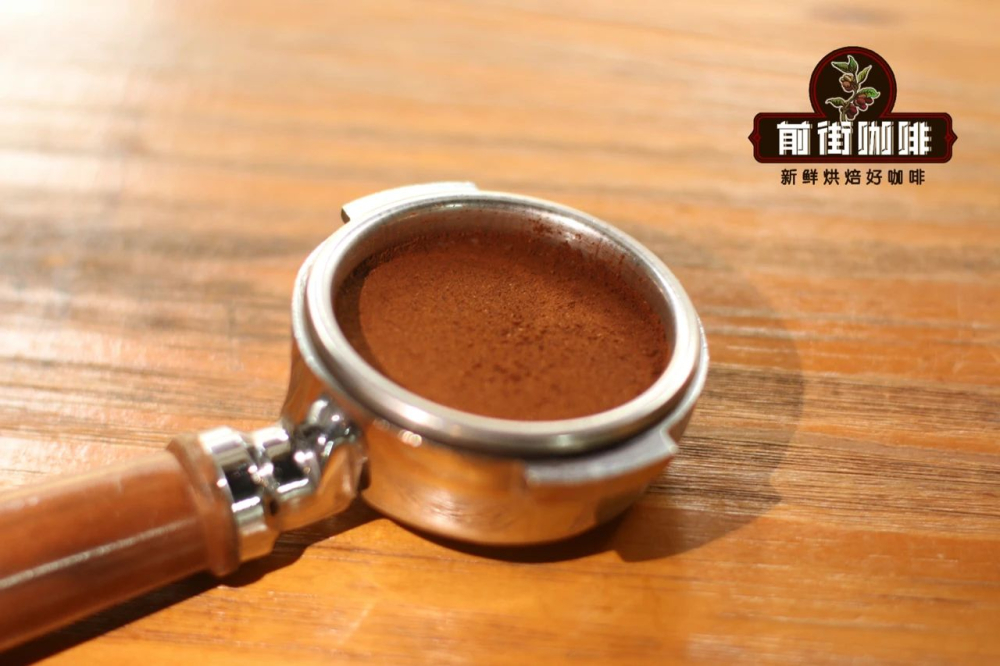
Generally speaking, to achieve a rich and full-bodied taste in espresso, most shops opt for medium-dark roasted blends. This roast level can bring out abundant caramel, nutty, and chocolatey notes, and allows the coffee beans to release an appropriate amount of carbon dioxide, aiding in stable extraction. However, it's important to note that roasted beans need some time to “degas.” It’s recommended to let the freshly roasted beans rest for about 5–6 days after receiving them, allowing excess carbon dioxide inside the beans to escape through the one-way valve, before proceeding to grinding and extraction—this way, a more balanced flavor can be achieved.
Light roast coffee beans perform excellently in pour over or drip brewing, showcasing bright acidity, floral and fruity aromas, and sweetness. But under the high-pressure environment of espresso, these traits may turn into sharp acidity, or even bring about an unpleasant astringency. Additionally, because light roasts have a shorter roasting time, the caramelization reaction is insufficient, often failing to produce enough body and sweetness, resulting in an overall thin flavor—thus they’re not well suited for high-pressure espresso extraction.
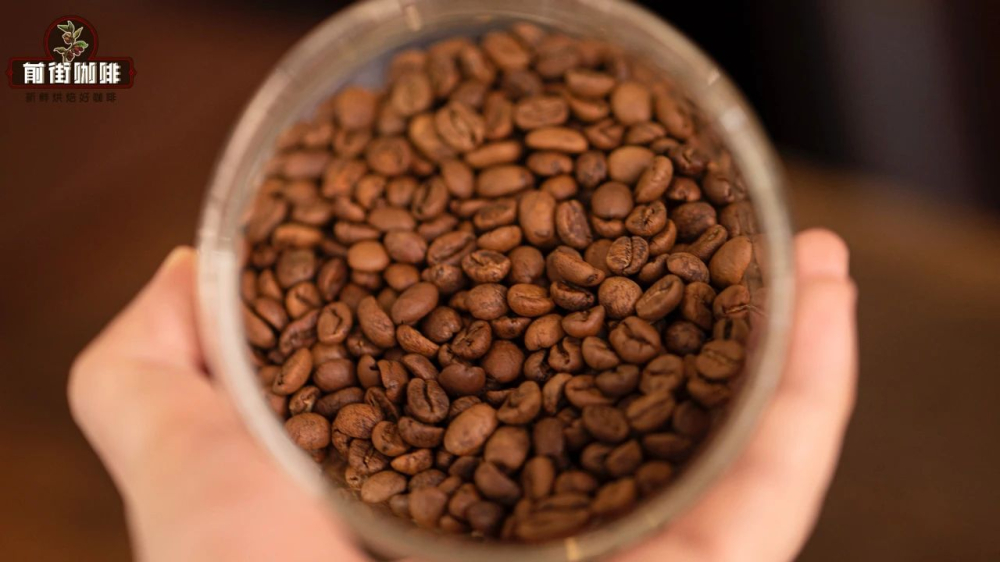
As for whether Italian-style blended coffee can be considered specialty coffee? The answer is: as long as every coffee bean used in the blend meets the definition of specialty coffee—that is, sourced from high-quality regions, processed with good methods, and passing the evaluation standards of the SCA (Specialty Coffee Association)—then this blend is indeed specialty-grade coffee, whether it’s a single origin or a blend. The essence of specialty coffee lies in the quality of the raw materials, not whether it comes from a single region or is a blend.
Finally, many people wonder: why does the espresso I drink taste acidic? This is usually normal. The flavor expression of espresso depends largely on the characteristics of the beans used. Some blends or single origin beans inherently have fruity acidity, so after espresso extraction, the acidity may be more noticeable. However, if the acidity is overly sharp or unpleasant, it could be due to improper roast level, suboptimal extraction parameters, or poor bean storage conditions. Understanding these factors can help you better judge whether an espresso’s performance meets expectations.
The above content is compiled by CoffeeHunters, a coffee news website.


