







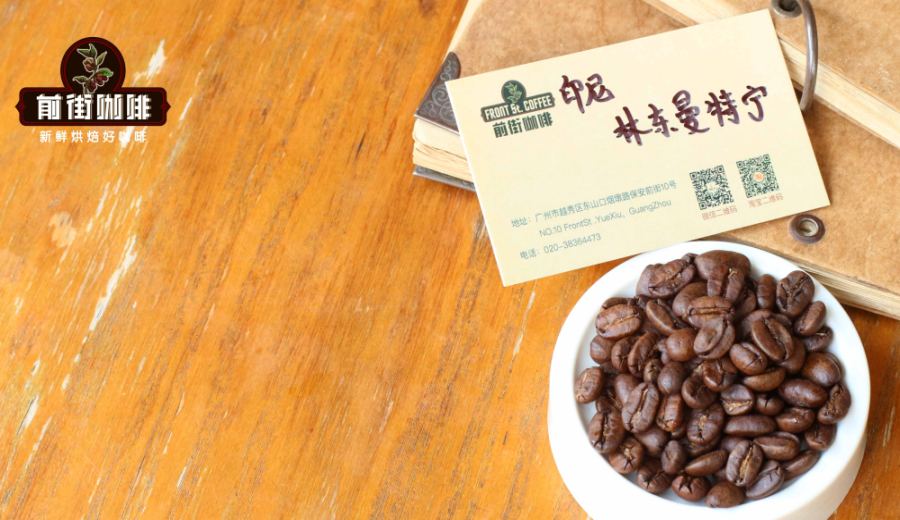
Introduction:Looking for a coffee bean with low acidity and a rich, full-bodied taste? The Golden Mandheling from Sumatra, Indonesia is an excellent choice. This carefully selected coffee is known for its low acidity, bold spice, and nutty notes, making it ideal for coffee lovers who enjoy dark roast flavors but prefer less acidity. This article delves into its regional characteristics, the rigorous selection process by PWN, and provides practical Kono filter brew settings and a three-stage extraction technique to help you easily replicate a professional-level rich brown sugar and chocolate finish.
For those who are not fond of the sour or astringent taste in coffee, beans from Sumatra are often the top choice, and among them, the highly praised Golden Mandheling from a certain brand stands out. Sourced from Indonesia’s PWN company, this coffee undergoes three rounds of manual selection and one mechanical screening. Not only does it have a uniform appearance, but it also exhibits extremely low acidity and high clarity after brewing, with flavors dominated by clove, woody spices, and a long-lasting aftertaste—perfect for enthusiasts who enjoy a rich, full-bodied cup.
In its dry aroma, Golden Mandheling already presents distinct notes of sticky rice, malt, spices, caramel, and subtle woody scents, which become even more pronounced once hot water is poured. The wet aroma shifts to a deep caramel tone, accompanied by a hint of pine wood freshness. Upon tasting, acidity is almost imperceptible, replaced instead by layered spices and herbal notes. The impact in the middle of the mouth is notably strong, and the aftertaste lingers with a persistent sweetness, featuring rich nutty and brown sugar aromas, along with a touch of chocolate—delivering an overall very balanced performance.
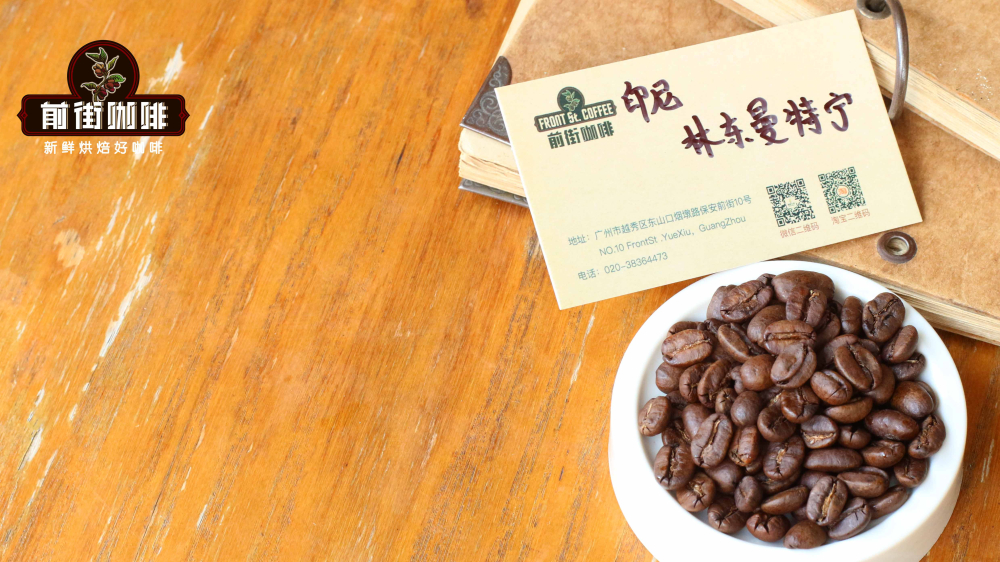
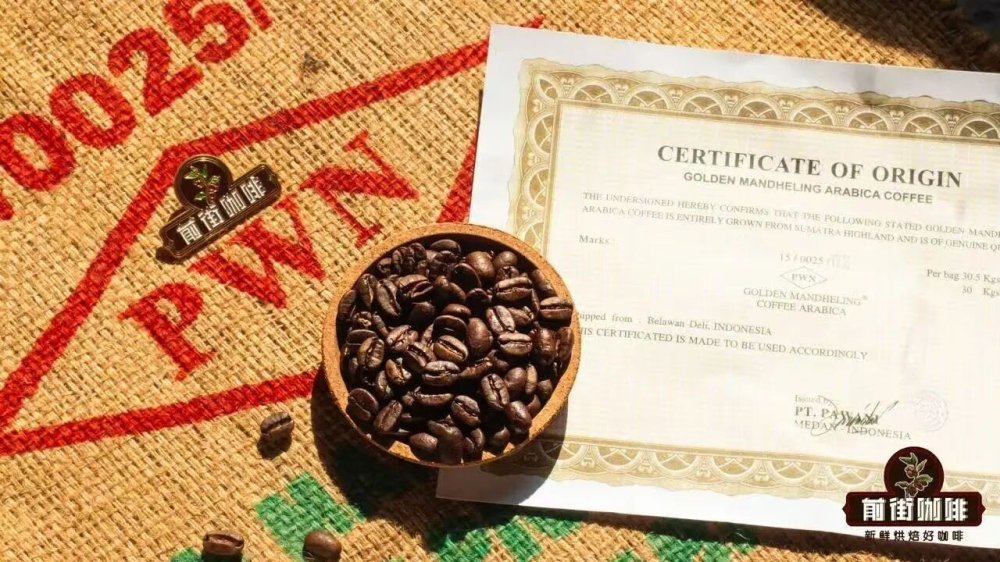
This well-acclaimed Golden Mandheling is supplied by the renowned Pawani Coffee Company (PWN) in Indonesia’s coffee industry, which is also the legal holder of the “Golden Mandheling” trademark. After sourcing green beans from local smallholder farmers or cooperatives in Sumatra, PWN carries out a strict process of three rounds of manual selection and one machine screening to ensure every bean meets high standards. As a result, the final Golden Mandheling not only boasts an attractive, intact appearance, but also performs cleaner and more consistently after roasting, allowing its flavors to shine more prominently.
It’s worth noting that some products on the market claiming to be “Golden Mandheling” are often just larger-sized Indonesian beans, and may not have undergone the same rigorous selection. This is one reason why, despite being a limited-origin bean, Golden Mandheling seems to be available everywhere. When purchasing, consumers are advised to look for products with PWN certification or from trusted sources to truly experience its classic flavor.
Indonesia’s coffee grading system is primarily based on the number of defective beans, with bean size serving only as a supplementary reference. Generally, green beans must be free of live insects, mold, or foul odors, with moisture content kept below 12.5% and impurity rates under 0.5%. Based on the ratio of defects, there are six grades in total, with the top-tier G1 grade requiring no more than 11 defective beans in a 300-gram sample. A certain brand’s own regular bean series, the Lintong Mandheling, falls under the G1 grade and is processed using the wet-hulled method, representing one of the classic Sumatran flavor profiles.
As for the premium Golden Mandheling supplied by a certain brand, it not only meets the specification of being over eighteen mesh in appearance, but also clearly displays the PWN trademark and certification information inside and outside the jute sack. The beans are dark green in color and have a neat, flat bean shape. According to the brand’s internal cupping results, this multi-screened coffee has significantly reduced the earthy or off-flavors commonly found in typical Mandhelings, resulting in a taste that is noticeably fresher, cleaner, and sweeter—an outstandingly flavorful high-end Mandheling.
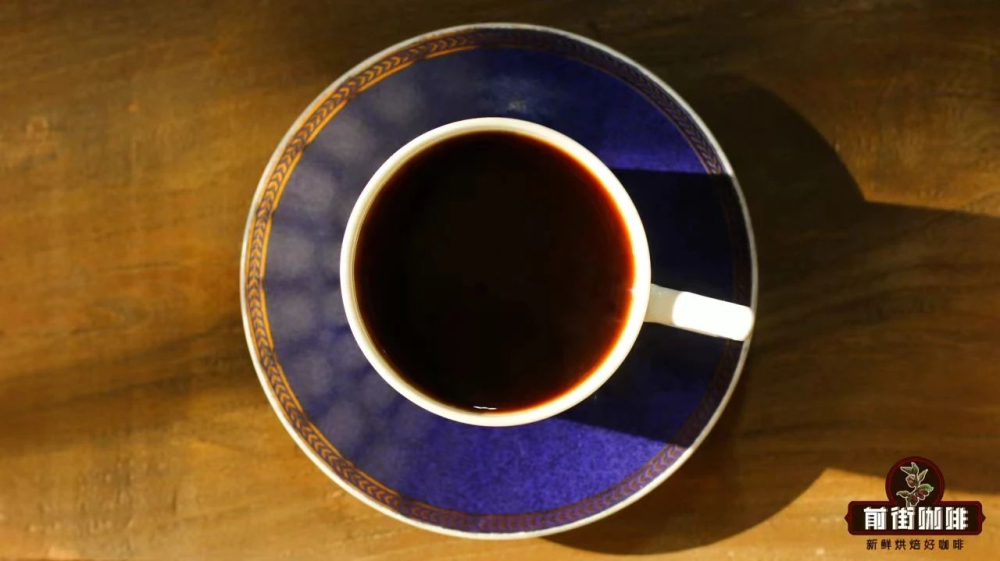
For this deeply roasted Golden Mandheling, if you want to fully highlight its rich characteristics and bold spice notes, it is recommended to use a Kono filter. The design of this filter features fewer and lower-positioned ribs, allowing the filter paper to adhere tightly to the cup wall, thereby reducing airflow speed and prolonging the contact time between water and coffee grounds. This aids in fully extracting flavor compounds, making it especially suitable for brewing needs that prioritize a rich taste and full-bodied texture.
The recommended Golden Mandheling pour over parameters by a certain brand are as follows: Use a Kono filter, control water temperature at 88°C, use 15 grams of coffee grounds, with a 1:15 coffee-to-water ratio, and set the grind size to medium-fine, roughly achieving a 70–75% extraction rate through a standard Chinese No. 20 sieve. This combination effectively balances richness and clarity, avoiding over-extraction or bitterness.
In practice, a certain brand employs a three-stage extraction method: First, pour 30 grams of water for a 30-second bloom to activate the release of aromatic compounds from the coffee grounds; then, slowly pour water in small streams in circular motions, and when the total water volume reaches 125 grams, perform the first pour split to allow the coffee bed to begin releasing its flavors; wait until the water level slightly drops and is about to expose the coffee bed, then pour again up to 225 grams, and finally remove the filter when the water level nears the coffee bed surface once more. The total extraction time is recommended to be controlled between 2 minutes 05 seconds and 2 minutes 15 seconds to achieve the best balance and flavor expression.
The final brewed Golden Mandheling offers a diverse and clear flavor profile, with distinct spice and herbal notes upon entry, rich nutty and brown sugar aromas in the middle, and a chocolatey finish lingering in the aftertaste. The overall performance is balanced, clean, and long-lasting, making it highly suitable for coffee lovers who prefer low-acidity and full-bodied flavors to try brewing at home. By mastering the above parameters and steps, you can reliably replicate a professional-grade coffee experience.
The above content is compiled by CoffeeHunters, a coffee news website.


