







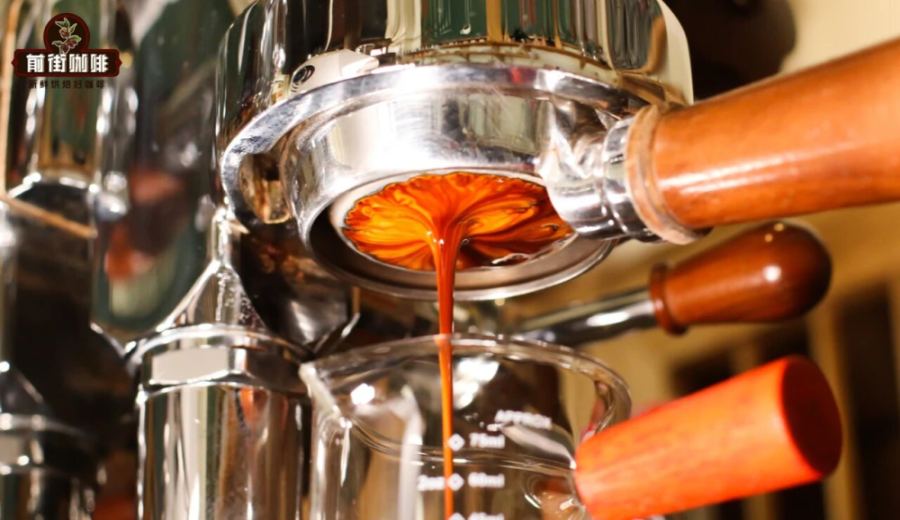
Introduction:The flavor of espresso is not only determined by grind size, dose, and extraction time—water temperature is a core factor that significantly influences overall performance. Too high can produce burnt, bitter off-notes, while too low leads to sourness and thinness. This article delves into the ideal water temperature range for espresso machines, the difference between actual extraction temperature and boiler settings, and how to adjust optimal temperature based on dose, helping baristas precisely control extraction quality.
When adjusting espresso extraction parameters, most people prioritize grind fineness, dose, liquid weight ratio, extraction duration, and pressure—but often overlook water temperature. In fact, temperature plays a decisive role in the final flavor profile: too high can bring out burnt bitterness and woody notes, while too low makes acidity overly sharp and affects crema richness.
Traditionally, many espresso machine boilers had fixed factory temperatures, making adjustments difficult, so water temperature was seen as an unchangeable constant. But with technological advancements, most mid-to-high-end models now support free temperature adjustment, turning this parameter into a key variable for optimizing extraction.
<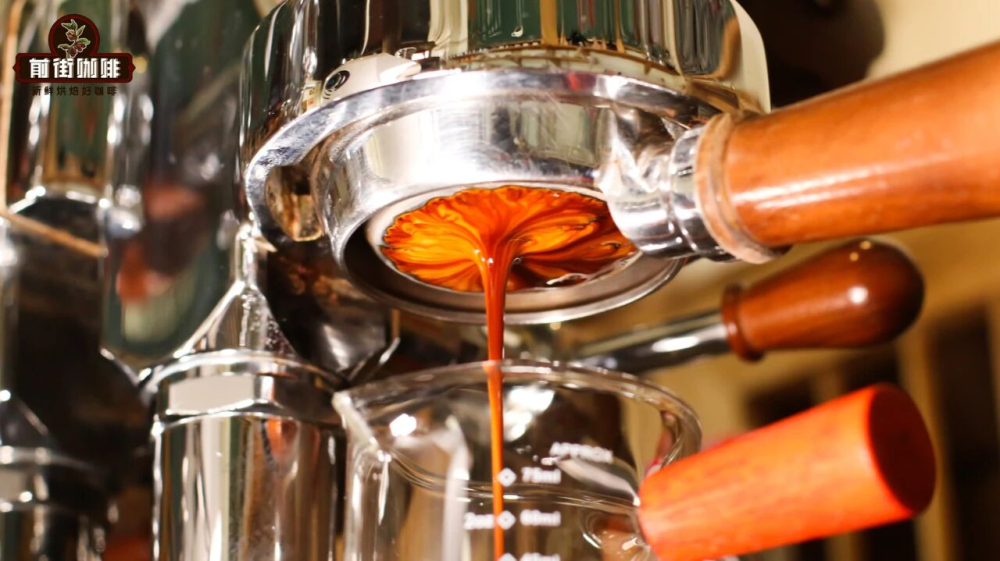 Generally, an espresso machine’s water temperature setting between 85°C and 95°C is considered reasonable. Some devices may default to higher values, around 92°C to 96°C. As with pour-over experience shows, higher temperature increases extraction efficiency, dissolving more coffee compounds; conversely, lower temperature reduces efficiency and extracts fewer flavor compounds.
The logic of espresso water temperature is similar to pour-over. If set too high, it can extract burnt flavors and woody notes, but high temperature also helps form thicker crema. In the past, espresso flavors were often bitter—not just due to darker roasts, but also higher boiler settings that met the demand for rich crema. High-temperature extractions are typically faster, usually controlled within 20–25 seconds; longer times risk burnt and woody notes emerging.
When water temperature is low, extracted espresso shows more pronounced acidity and thinner crema. This explains why early mainstream machines rarely defaulted below 92°C.
Water temperature doesn’t just affect flavor—it directly impacts extraction flow rate. At higher temperatures, flow tends to be slower; at lower temperatures, it speeds up. Heat causes the coffee puck to expand and release gases faster, temporarily resisting flow until pressed into crema, after which flow normalizes. Higher temperatures generate more bubbles, increasing resistance.
Conversely, at lower temperatures, flow accelerates noticeably. A typical example: when a machine first starts, the boiler is heating, and grouphead water may be only around 60°C. Using the same parameters, extraction time shortens drastically, and coffee flows out quickly.
<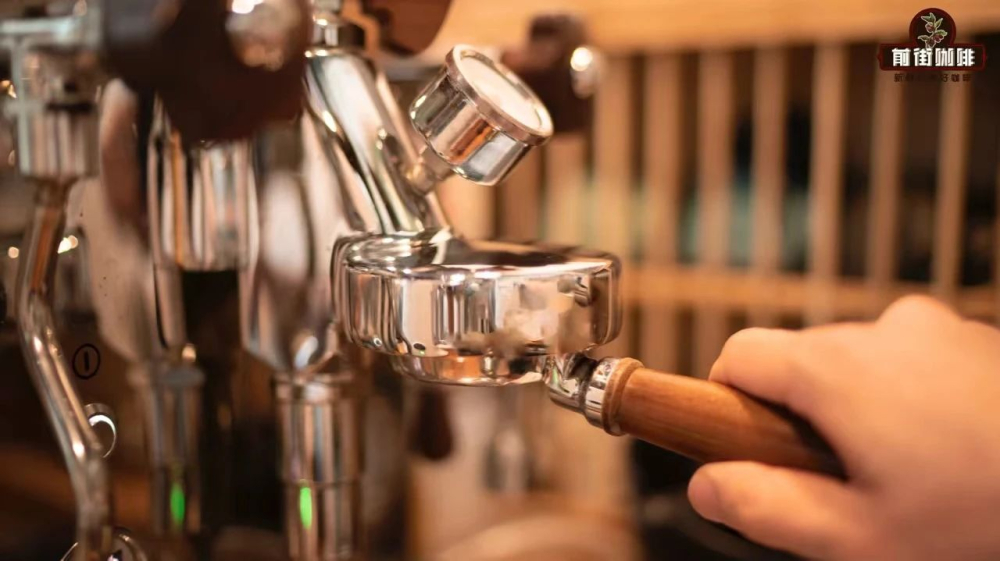 Similarly, small-boiler machines under continuous high-volume use may show unstable extractions with increasingly fast flow—partly because boiler refills haven’t yet restored water to the set temperature.
Note: What we directly set is the boiler’s internal temperature, but water traveling to the grouphead passes through the shower screen and portafilter basket. If more than 10 minutes have passed since the last extraction, the grouphead (shower screen) may already be warm. Attaching the portafilter directly then reheats the water further, raising initial temperature above the boiler setting.
To avoid this, open the grouphead to release a small amount of hot water before locking in the portafilter, letting temperature drop closer to the set value. Also, the portafilter itself affects initial temperature—if it’s at room temperature, it absorbs heat during extraction, lowering actual water temperature. Preheating the portafilter with hot water is standard practice, much like warming a pour-over filter. Though some leave the portafilter locked in place when unused to maintain heat, this isn’t recommended.
During actual extraction, water temperature also isn’t always identical to the boiler setting. Citing a hypothetical experiment from related research: Italian baristas typically extract espresso at 85°C–91°C, while Americans prefer 92°C–96°C. This difference mainly stems from varying brew ratios—Italy’s standard is 7g coffee to 30ml espresso, while Americans often use 18–21g for the same volume.
Calculations show that mixing 30g of water at 88°C with 7g of coffee at 27°C, or 38g at 95.3°C with 21g at 26.7°C, both yield a final temperature of about 82.8°C. Though theoretical, this reveals a key insight: coffee grounds absorb heat, and more grounds absorb more. Thus, to reach ideal extraction temperature, the boiler’s preset must be adjusted upward accordingly.
Given today’s common high-dose extraction methods—similar to American ratios—it’s recommended to set water temperature between 92°C and 96°C for more balanced extraction and flavor.
The above content is compiled by CoffeeHunters, a coffee news website.


