







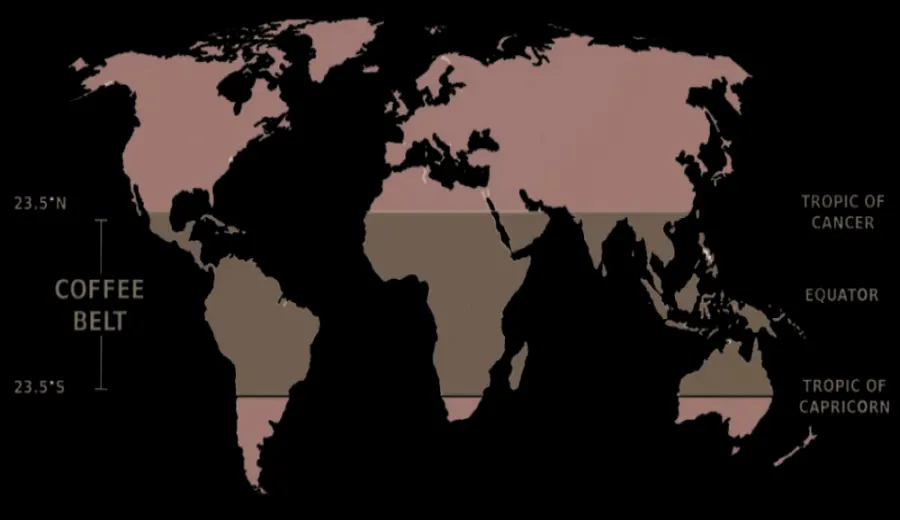
Introduction:Want to explore the unique flavor profiles of coffee beans from different regions? The world’s major coffee-growing regions can be divided into three main areas: Latin America, Africa, and Asia/Pacific. Each region, influenced by factors such as climate, altitude, and processing methods, produces coffee with distinctly different flavors. This article takes an in-depth look at the typical flavor characteristics of each major region, using real coffee examples to guide you through the differences from floral and fruity notes to rich body—helping you find the beans that best suit your personal taste.
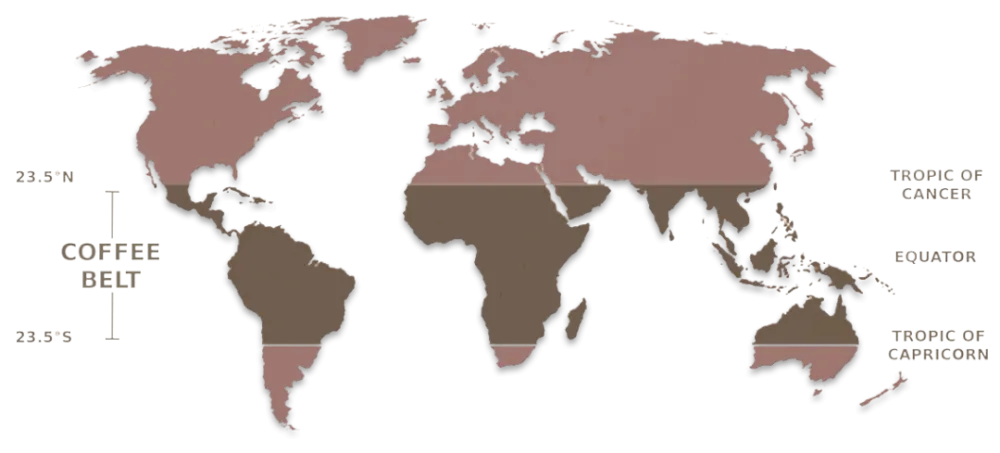
Coffee offers a diverse range of flavor layers, and one of the key factors influencing these is the region—specifically, the natural environment where the coffee trees grow. Global coffee cultivation is primarily concentrated in three geographic areas: Latin America, Africa, and Asia & the Pacific. These three regions, due to differences in terrain, altitude, climatic conditions, and post-harvest processing techniques, yield distinct coffee flavor profiles. Understanding these differences not only enhances your tasting experience but also helps you make more informed choices when selecting coffee beans.
Let’s start with the Latin American region, which includes well-known coffee-producing countries like Brazil and Colombia. Coffees from this region are typically known for their balance, featuring distinct notes of cocoa, nuts, and caramel, with relatively mild acidity and a smooth, medium-bodied mouthfeel. They are well-suited for coffee drinkers who prefer stable flavors and moderate acidity. Coffees from this region, being versatile for both single-origin enjoyment and blends, are often used as the base for espresso or espresso blends.
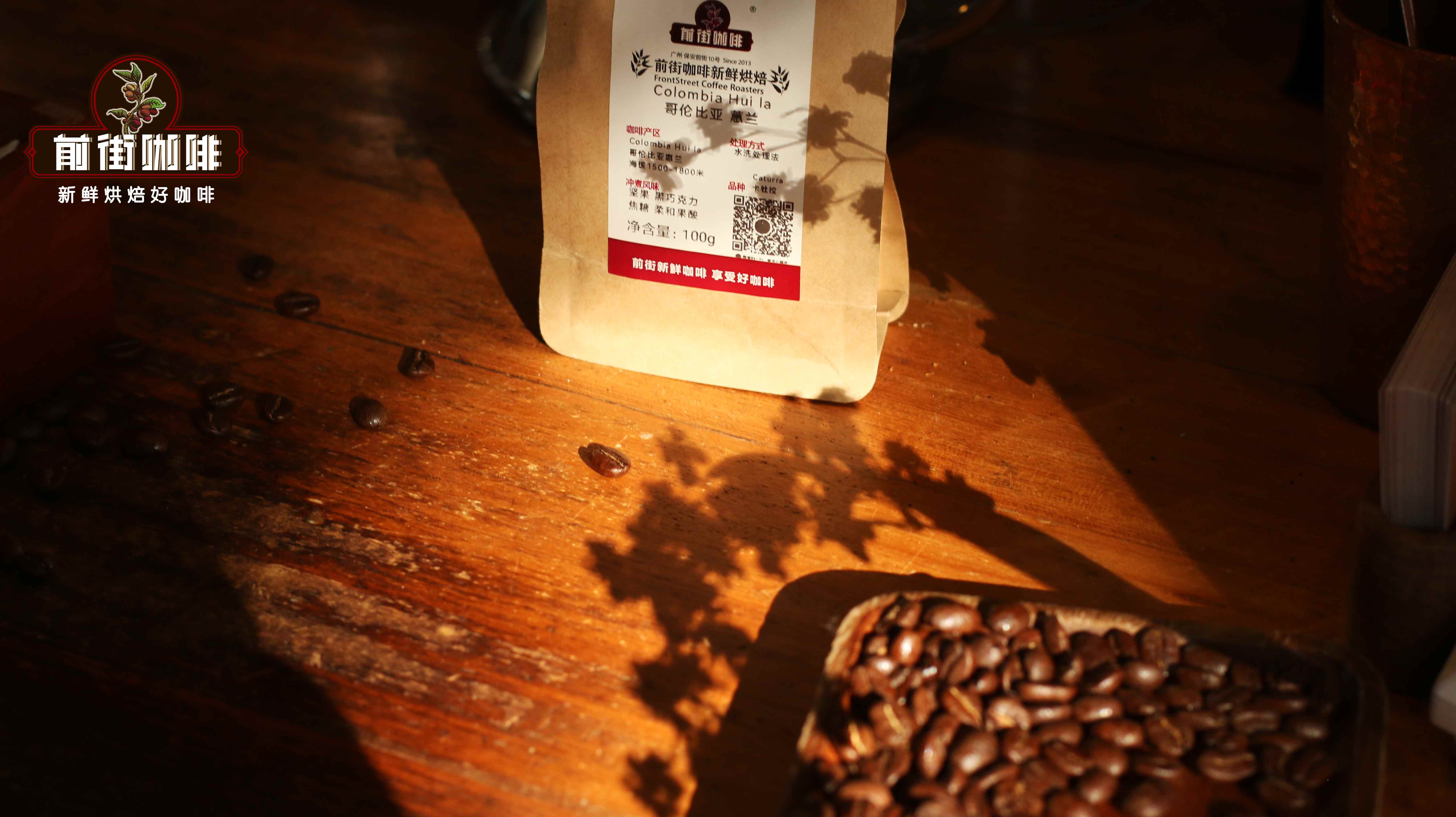
Within the Latin American region,Brazilis the world’s largest coffee producer. Its beans are known for low acidity and rich flavors of nuts and chocolate, with a full body and long-lasting aftertaste. For example, coffee from the Cerrado region is often described as having a smooth mouthfeel and pronounced sweetness, making it ideal for solo sipping and a key component in many blends. As forColombia,it is renowned for its balanced flavor profile and layered aromas. Coffee from the Huila region often exhibits intense floral and fruity notes, with a sweet acidity, low bitterness, and a variety of expressions depending on the roast level.

Next is the African region, considered the birthplace of coffee, blessed with exceptional growing conditions that give rise to numerous coffee beans with vivid and nuanced flavors. The most notable characteristic of African beans is their bright acidity and rich floral and fruit aromas, often featuring elements like citrus, berries, and jasmine. These coffees offer a refreshing taste with clear layers, making them highly suitable for drinkers who enjoy vibrant acidity and fruity expression.
TakeEthiopiaas an example. The country boasts an extremely diverse range of coffee varieties and micro-regions, making it a major source of specialty coffee. For instance, the Huika coffee is known for its bright sweet-and-sour profile along with floral and fruity notes. It has a refreshing taste, extremely low bitterness, and is perfect for beginner coffee drinkers or pour over enthusiasts who prefer a light-bodied cup. Meanwhile,Kenyacoffee is famed for its strong acidity and juice-like mouthfeel. The “Little Tomato” coffee is a representative example, showcasing aromas of black plum, Asian pear, and a distinct tomato note. It features bright acidity paired with a rich body and a long-lasting finish. As forRwanda,its Red Bourbon variety often presents citrus and berry acidity with honey-like sweetness in the mid-palate, and a finish accented by almond and chocolate notes. It is a coffee with exceptional balance.
Finally, there’s the Asia & Pacific region, including places like Indonesia and Yunnan, China. Coffees from this area typically exhibit greater body and lower acidity, often characterized by herbal, spicy, and even earthy tones. Sometimes woody or pine notes emerge, delivering a deep and full-bodied mouthfeel. Such coffees often respond well to dark roasting, which can further highlight caramel, chocolate, and woodsy aromas.
For example,Indonesia’sMandheling coffee is known for its distinctive herbal and spicy aromas. When dark roasted, it shows rich notes of caramel, dark chocolate, and pine, with a bold body and long-lasting finish, making it very popular in European and American markets. As forYunnan, China,though a newer player on the scene, its quality has been steadily improving in recent years. Its small-bean coffee often features notes of nuts, caramel, and a subtle tea-like quality, with low acidity and a mild, gentle mouthfeel—ideal for consumers who enjoy balanced and smooth flavors.
In summary, each of the three regions has its own unique characteristics: Latin America excels in balanced and full-bodied profiles, making it great for everyday drinking and blending; African beans are dominated by fruity, floral notes and bright acidity, suiting those seeking a refreshing taste and complex flavor layers; the Asia/Pacific region is defined by rich, bold bodies and spicy-herbal tones, favored by coffee lovers who enjoy dark roasts and heavier mouthfeels. By understanding the flavor profiles of these regions, you’ll be able to choose the beans that best match your palate and embark on a more tailored coffee tasting journey.
The above content is compiled by CoffeeHunters, a coffee news website.


