







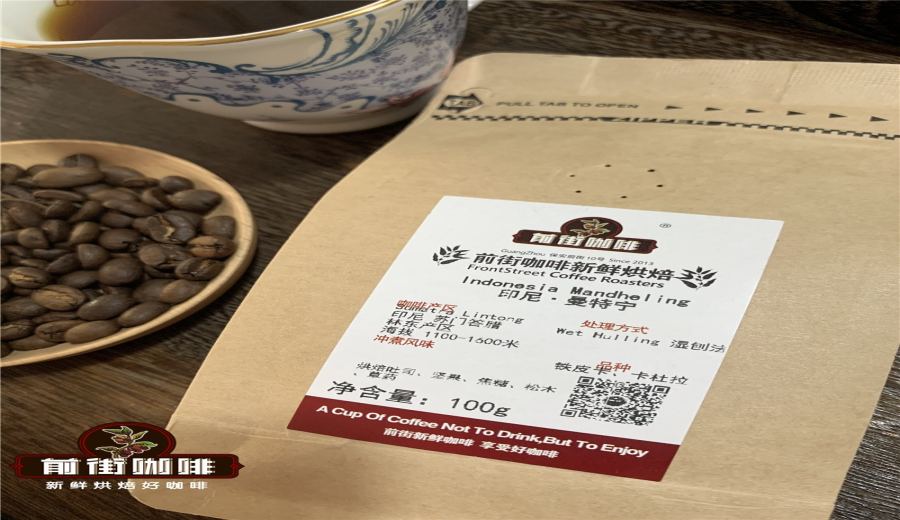
Introduction:Indonesian Mandheling coffee is renowned for its rich and full-bodied flavor, making it a favorite among black coffee enthusiasts. This article delves into the reasons why Mandheling is commonly medium to dark roasted, the impact of the wet-hulled processing method on its flavor profile, and the grading standards and certification process of Golden Mandheling. It also provides practical pour over tips and parameter settings to help you brew a bold yet sweet Mandheling coffee.
Indonesian Mandheling coffee is typically medium to dark roasted, exuding intense notes of nuts, dark chocolate, roasted chestnuts, and cinnamon. It has a smooth, creamy mouthfeel akin to caramel, with a lingering sweet aftertaste — a classic choice for those who prefer strong black coffee. This article will explore in depth why Mandheling is often medium to dark roasted, analyze how the wet-hulled process contributes to its unique herbal and woody tones, and clarify the brand background and grade classification of “Golden Mandheling.” Additionally, it compares the flavor differences between Mandheling and Americano, and shares useful pour over techniques including a three-stage pouring method and parameter suggestions to help you brew a more layered Mandheling coffee.
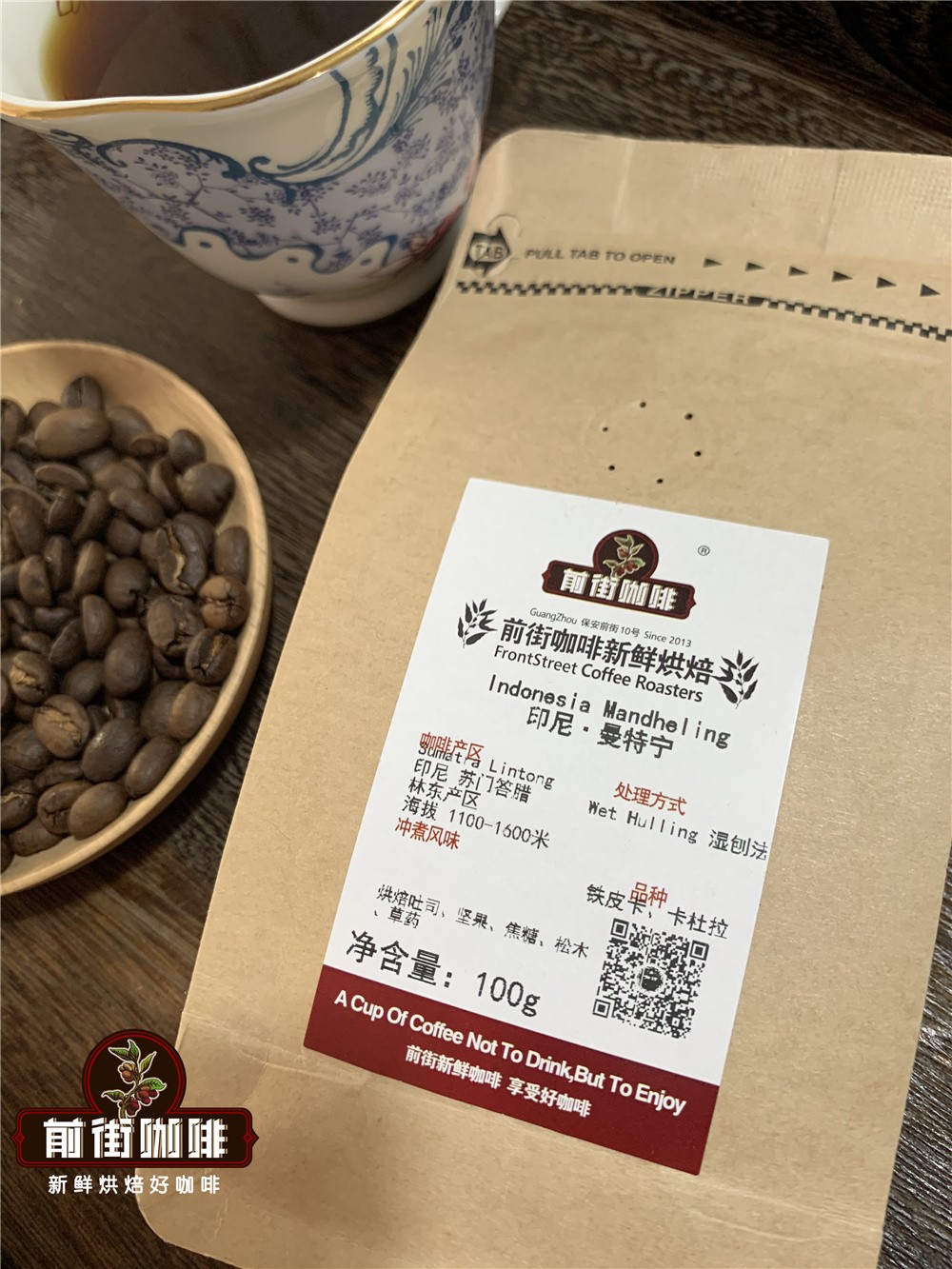
Medium to dark roasted Indonesian Mandheling boasts a rich and complex aroma, often featuring notes of nuts, dark chocolate, roasted chestnuts, and spices. When sipped, it offers a silky mouthfeel of caramel and cream that fills the entire palate, with a solid structure and a pronounced sweet finish — making it a top choice for many black coffee lovers. But why do most Mandheling coffees use medium to dark roasting? There are actually processing and historical factors behind this.
In the past, almost all Mandheling on the market was medium to dark roasted, presenting a strong, dark coffee flavor. With the rise of specialty coffee trends, some producers have introduced medium or even medium-light roasted versions. These roasts preserve more acidity and highlight fruity, herbal, or tea-like notes, but with relatively lower body. Although medium-light roasted Mandheling offers a fresher flavor, why does the market still favor darker roasts? This is closely related to Sumatra’s unique wet-hulled processing method.
Wet-hulling is a special coffee processing method where, before the final drying stage, the green beans are stripped of their parchment layer using a hulling machine while they are still semi-dry. Due to the high friction during this process, the beans are prone to damage or bruising. The resulting “naked beans” dry faster and are more susceptible to humidity and mold, leading to a higher defect rate. While this process gives Mandheling its distinctive herbal and woody aromas, it also comes with greater flavor instability and a higher risk of defects. Therefore,deeper roasting can effectively mask these defectsand bring out a richer, fuller body. In addition, the culture of dark roasting Mandheling is also tied to Japan’s early adoption and preference, which is why many Mandheling coffees remain medium to dark roasted.
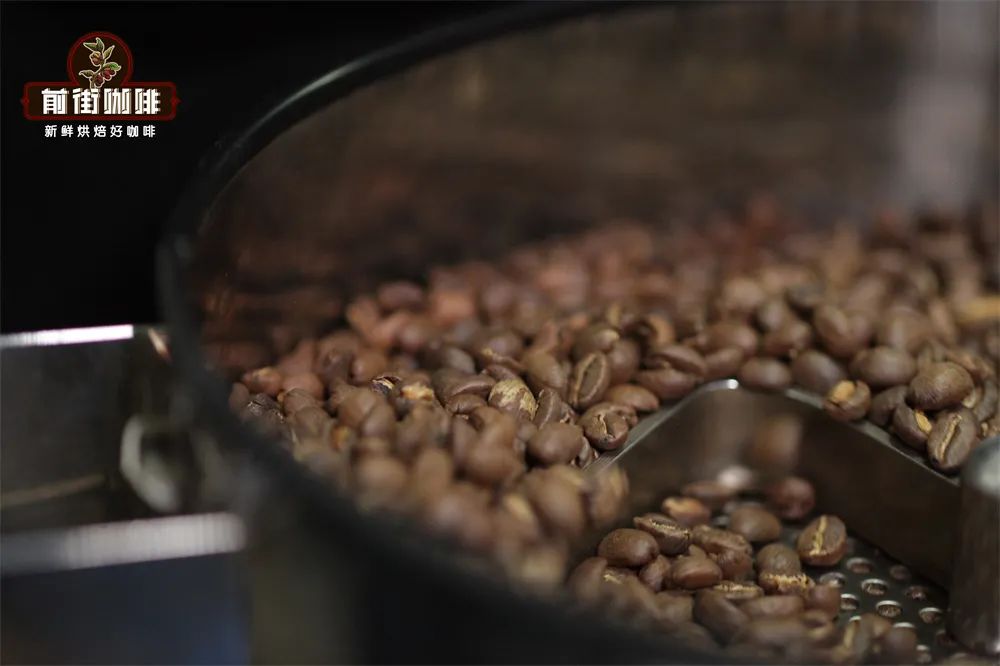
When talking about Mandheling, “Golden Mandheling” is a premium grade that is often mentioned. It’s important to note that “Golden Mandheling” is a registered brand of Indonesia’s PWN company (Pusat Penyangga dan Pemasaran Kopi Nusantara).Only Mandheling produced by PWN can be officially called Golden Mandheling.Consumers can identify authenticity through the PWN logo on the green bean sacks and official origin certificates. The origin of Golden Mandheling stems from Japanese buyers’ quality requirements for Sumatran coffee. Local producers gradually established a rigorous defect sorting process, including assessments of bean density, size, shape, and color. Defects were removed through both machine and manual sorting to ensure each bean was intact, uniform, and free of impurities, resulting in a golden, shiny appearance and superior flavor.
Indonesia’s green coffee bean grading system is mainly based on the number of defective beans, supplemented by bean size. Generally, beans must be free of live insects, mold, with moisture content not exceeding 12.5% and impurity rate below 0.5%. Based on defect rates, green beans are divided into six grades, with G1 being the highest — requiring no more than 11 defective beans in a 300g sample. The standard Mandheling from the Lintong region falls under G1 grade, processed with wet-hulling, showcasing typical Indonesian Mandheling flavors.
PWN’s Golden Mandheling goes further, selecting only G1 grade beans that are 18 mesh and above, with fewer than 3 defective beans in a 300g sample, and undergoingone machine sort and three rounds of hand-pickingto ensure uniform bean size and intact appearance. Additionally, PWN performs density and color sorting, resulting in Golden Mandheling beans that are consistent in size, bright in color, and of higher quality and uniformity.
Many people think that pour over Mandheling tends to turn out bitter or burnt-tasting, but this is often related to brewing methods. For medium to dark roasted Mandheling, it’s recommended to use a KONO filter, whose smooth curve and minimal drainage ribs allow the coffee grounds to fully release flavor during immersion, extracting a rounder, fuller body — ideal for dark roasts such as Mandheling, Brazilian Queen Estate, or Jamaican Blue Mountain.
Since dark roasting loosens the internal structure of coffee beans, the ground coffee absorbs water quickly and is prone to releasing excessive large-molecule bitter compounds. Therefore, it’s recommended to adjust the grind size tomedium-coarse (approximately 70% passing through a Chinese No. 20 sieve), and use a relatively low water temperature, ideally in the range of87~88°C, to avoid high temperatures accelerating the release of bitter and astringent substances.
Suggested pour over parameters are as follows: 15 grams of coffee, a 1:15 coffee-to-water ratio, for a total of about 225 milliliters of water. Using a three-stage pouring method can more effectively highlight Mandheling’s body and sweetness. First, pour 30 milliliters for the bloom to help release gas from the coffee grounds; then pour 100 milliliters in the second stage to extract the golden crema and rich aromas; finally, gently pour 95 milliliters in the center during the third stage to enhance sweetness and overall roundness, making the chocolate, nut, and caramel flavors more pronounced.
The above content is compiled by CoffeeHunters, a coffee news website.


