







Introduction:The Geisha coffee from Panama’s Hacienda La Esmeralda is world-renowned for its unique flavor profile, and its Red Label, Green Label, and Blue Label grading system has become an industry benchmark. This article delves into the production altitudes, processing method differences, and cupping flavor characteristics of these three grades, while also providing practical pour over parameters to help coffee enthusiasts master the art of evaluating Geisha from bean selection to brewing.
In the world of specialty coffee, Panama’s Hacienda La Esmeralda Estate is undoubtedly a pioneer in promoting the Geisha variety. Located in the Boquete region of Panama, this estate was not only the first to discover the distinctive flavors of Geisha but also established a rigorous grading system that clearly distinguishes Geisha beans grown at different altitudes and processed by different methods. Among them, the Red Label, Green Label, and Blue Label are the three most notable grades, each with its own unique origin background and flavor expression.
Panama’s unique geography provides ideal growing conditions for Geisha. The east-west mountain ranges cause cool air from the Caribbean to converge above 6,500 meters in the central mountains, creating microclimates in the Boquete and Candela regions. These areas not only enjoy moderate temperatures and stable rainfall but are also surrounded by mineral-rich volcanic soils, making them perfect for cultivating high-quality coffee. The foothills of the Baru Volcano, where Hacienda La Esmeralda is located, are among the best of these.
The Hacienda actually encompasses four main farms: Cades Verdes, El Velo, Jaramillo, and Palmira, with Jaramillo and Canas Verdes being the primary regions for Geisha production. Since purchasing the land in 1964, the Peterson family, the estate owners, gradually shifted their focus to specialty coffee. Especially after Dr. Price Peterson returned to take over in 1973, he categorized the coffee beans into three brands for sale based on altitude and microclimate, and officially launched the Geisha variety in 2012, laying the foundation for today’s grading system.
The grading system of Hacienda La Esmeralda can be considered a model in the industry, categorizing Geisha based on altitude and cupping performance into Red Label, Green Label, and Blue Label. Among them,Red Label Geisha (Esmeralda Special)is regarded as the top-tier representation, using only Geisha beans from the high-altitude regions of Jaramillo and Canas Verdes (1600–1800 meters) that score over 90 in cupping, and the name is reserved exclusively for lots entered in the estate’s independent auctions. These beans are typically processed via natural or washed methods, and since 2018, yeast fermentation processes have also been introduced, resulting in layered flavors with bright citrus, floral, and berry notes.
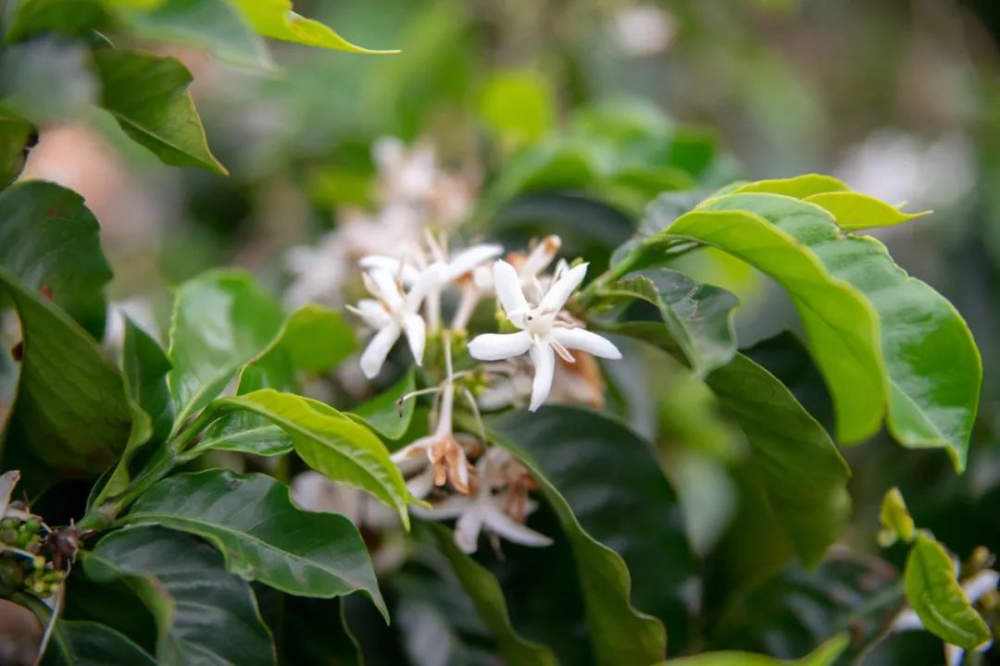
Compared to the Red Label,Green Label Geisha (Private Collection)is a blend of micro-lots from the same regions but not specific small plots. While it cannot be traced back to a single plot, it still maintains cultivation at 1600–1800 meters altitude and excellent cupping scores (usually slightly lower than the Red Label). Common processing methods for the Green Label are also washed or natural, and the flavor still retains the classic Geisha notes of citrus, honey, and floral, though batch-to-batch performance may vary slightly compared to the Red Label, adding an element of “blind box” excitement. Many consumers consider the Green Label an approachable entry point to experience high-quality Geisha.
As forBlue Label Geisha (Geisha1500),it uses a blend of beans grown at 1400–1500 meters, sourced from Jaramillo, Canas Verdes, and El Velo Farm. This grade was previously known as “Geisha 1500,” with relatively milder flavors characterized by soft citrus, subtle floral notes, and mild acidity. The body is not as full as the Red or Green Labels, but it still has clear fruity characteristics. Notably, the Blue Label brand has since been discontinued, and related batches of Geisha are now exported under the name “Volcanic Rock Geisha,” with similar flavor profiles but positioned more toward the mass market.
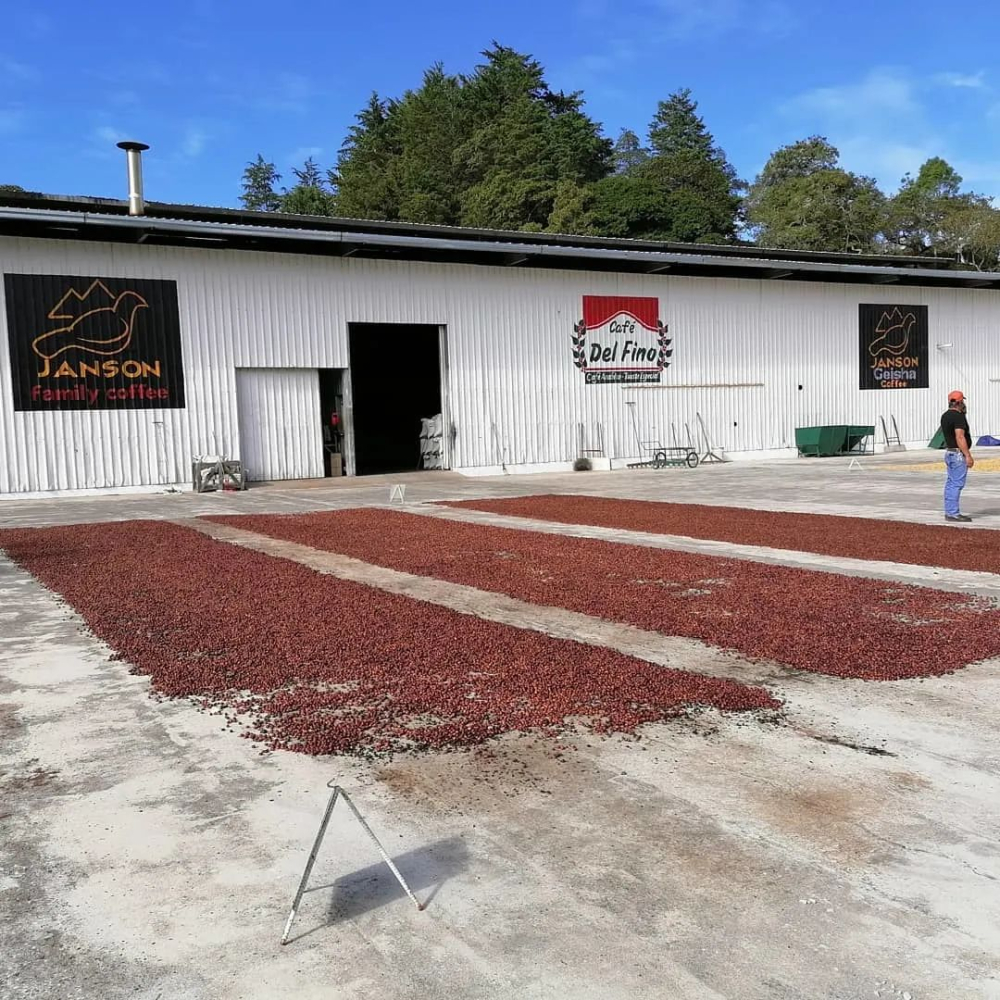
In addition to the three main grades, Hacienda La Esmeralda also has other brand lines, such asDiamond Mountain growsandPalmyra. The former uses traditional Central American varieties such as Typica, Bourbon, and Catuai, grown at around 1400–1700 meters, and is Rainforest Alliance Certified. It features rich flavors with chocolate and spice notes. The latter is a commercial-grade Catuai variety grown at 1100–1200 meters, with soft acidity and nutty, vanilla flavor notes, suitable for everyday drinking.
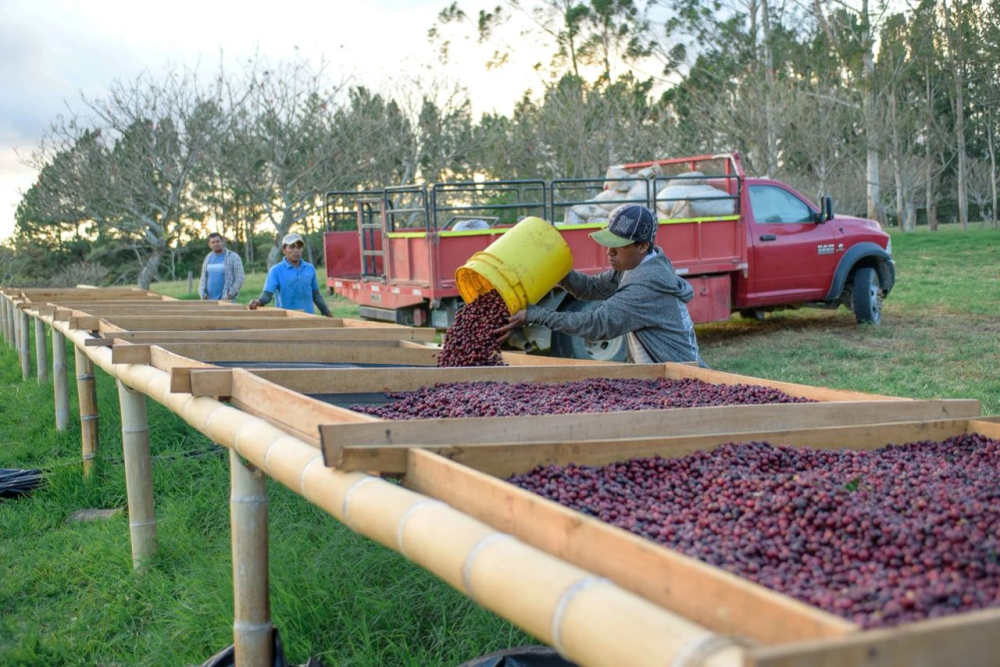
In terms of processing methods, Hacienda La Esmeralda continues to innovate. In addition to traditional washed and natural processes, it has recently experimented with yeast fermentation and special micro-lot trials, such as Prueba 4. Although these innovative lots do not participate in auctions, they are distributed in limited quantities through direct trade and have repeatedly won international awards. Additionally, El Velo Farm, the latest acquisition, is not only Rainforest Alliance Certified but also has potential altitudes as high as 3900 meters. It currently mainly grows Geisha, Catuai, and various experimental varieties, with future performance highly anticipated.
For coffee enthusiasts, understanding these grading and processing differences helps make more informed decisions when selecting and brewing. It is recommended to use a light roast when brewing Red Label, Green Label, and Blue Label Geisha to highlight their bright acidity and fruity floral aromas. During actual roasting, adjust heat and time slightly according to the characteristics of different altitudes and processing methods to preserve the fullest flavor expression.
For brewing parameters, it is recommended to use a Hario V60 filter, with water temperature around 91°C, a coffee-to-water ratio of 1:15, and a grind size of approximately EK43s scale 10 (80% passing rate through a Chinese standard 20-mesh sieve). A specific operation can involve a three-stage extraction: first, blooming with 30 grams of water for 30 seconds, then pouring in a small circular motion until reaching 125 grams for the first pour, waiting for the water level to drop before pouring again up to 225 grams before stopping, with a total extraction time of about 2 minutes. These parameters balance acidity, sweetness, and body, and are suitable for all three grades of Geisha coffee beans.
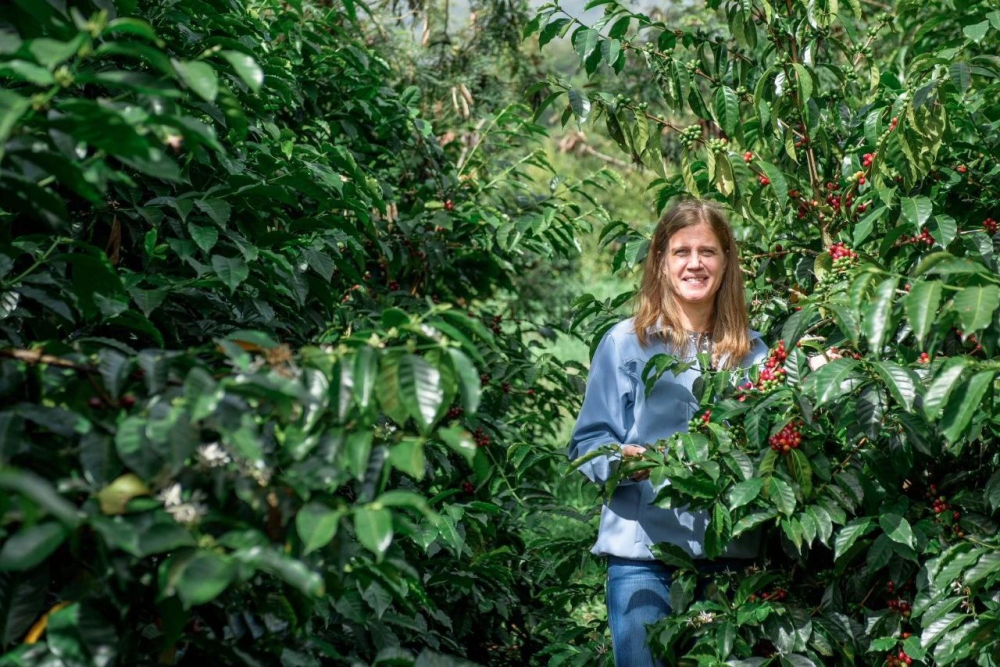
In terms of flavor, Red Label Geisha typically exhibits intense rose floral notes, citrus tones, and multi-layered fruit acidity. The taste is like a blend of berries, citrus peel, and honey, with a tea-like finish and creamy smoothness. Green Label features a fresh citrus, lemon, and sweet orange upfront, accompanied by a soft aftertaste of honey and almonds, offering a balanced and dynamic overall profile. Blue Label has a crisper profile, dominated by citrus, lemon, and honey, with a honey sweetness in the mid-palate and a finish of oolong tea and brown sugar.
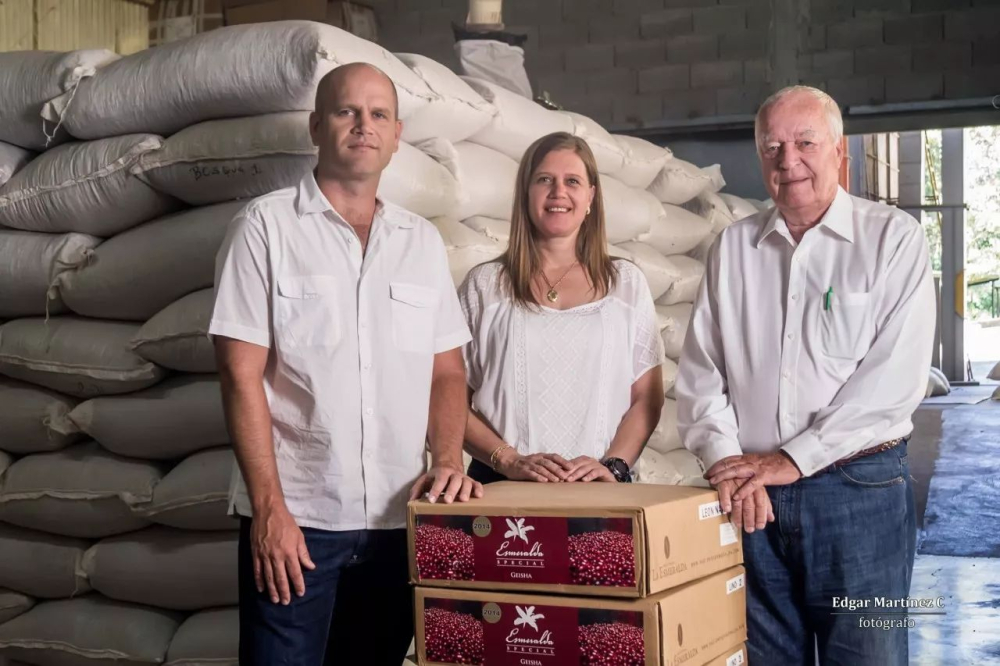
In summary, Hacienda La Esmeralda’s Geisha grading system is not only a symbol of quality but also an important reference for consumer choice. Whether you’re pursuing the ultimate flavors of the Red Label, seeking balanced performance from the Green Label, or experiencing a refreshing taste with the Blue Label, you can find your own Geisha experience within this grading framework. Paired with the appropriate brewing method, the unique charm of these high-altitude coffee beans can be fully unlocked.
The above content is compiled by CoffeeHunters, a coffee news website.


