







Introduction:Although both espresso and cold brew are black coffees, their flavor profiles are distinctly different—one tends to be bitter, while the other is often acidic. This difference is closely related to extraction temperature, pressure conditions, and bean variety selection. This article delves into the historical background, brewing principles, and flavor characteristics of both, and offers specific bean selection and blending suggestions to address the common acidity issue in cold brew, helping you find the coffee experience that best suits your taste.
Why does a cup of pure black coffee like espresso often leave an impression of being intense and bitter, while cold brew is frequently perceived as overly sour? This actually involves differences in brewing methods, water temperature, pressure, and the inherent characteristics of the coffee beans themselves. Starting from basic principles, this article will compare in detail the production processes and flavor profiles of espresso and cold brew, and explore in depth how to achieve optimal performance from both beverages through bean selection and parameter adjustments.

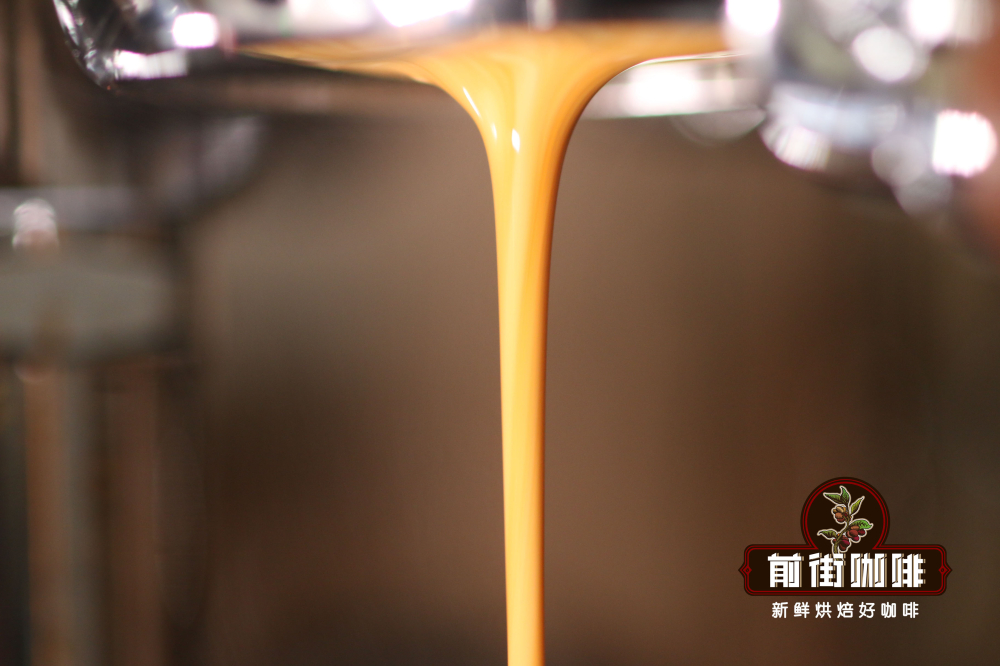
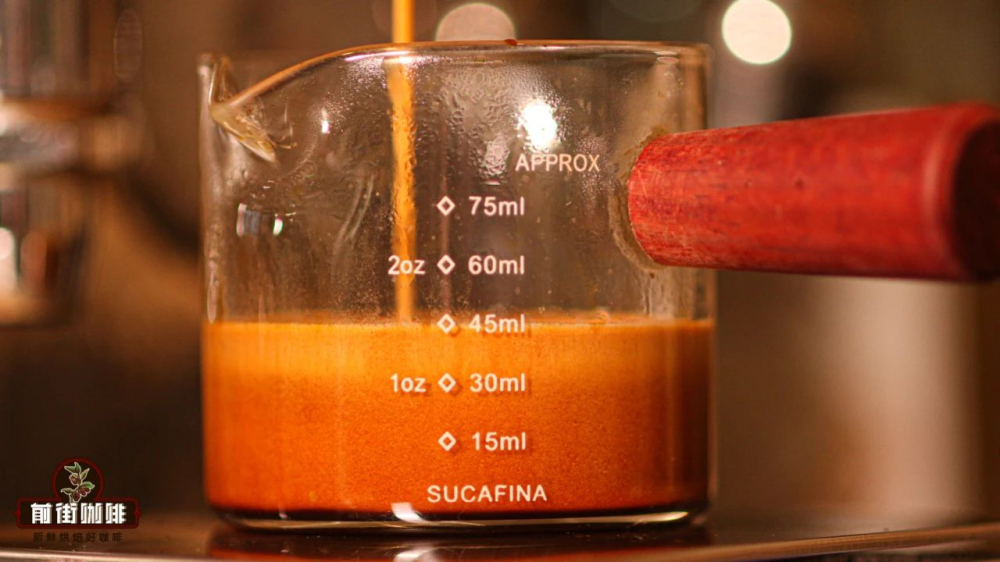
Espresso, also known as Espresso, is a high-pressure, rapid extraction coffee method that originated in 19th-century Italy. At that time, Italians, in pursuit of efficiency, developed a technique that uses high temperature and high pressure (about 9 atmospheres) to extract a small amount of concentrated coffee liquid in a short time (about 25–30 seconds). This method not only saves time but also brings out deeper aromas and a richer body from the coffee, becoming a hallmark of Italian coffee culture.
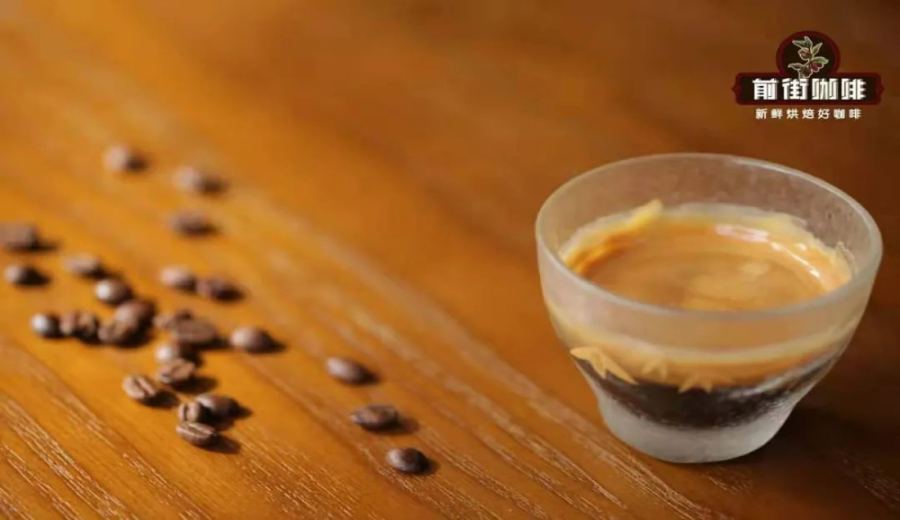
A standard shot of espresso is topped with a layer of golden to amber-colored crema. This fine foam is formed by the emulsification of natural oils in the coffee under high pressure and carries a large amount of volatile aromatic compounds, typically with a thickness of about 4 to 5 millimeters. The crema is not only the visual hallmark of espresso but also a key element that influences aroma and the layered mouthfeel.
To make an espresso with balanced flavors, bean selection is crucial. Most coffee shops prefer to use medium-to-dark roasted blends to achieve a rich and multi-layered taste. Blends often combine beans from different regions—for example, the nuttiness of Brazilian beans, the herbal spice notes of Indonesian beans, or the mellow sweetness of Vietnamese beans. By adjusting the proportions, a stable and layered coffee base is created.
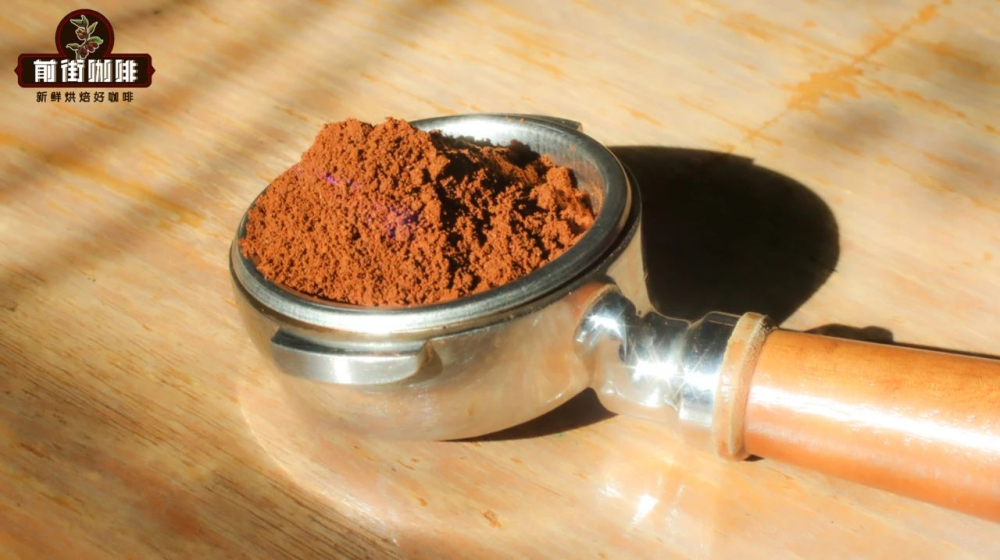
In terms of equipment, espresso relies on a professional espresso machine, which uses heat and pressure together to force hot water through finely ground coffee powder, quickly extracting the concentrated essence. This extraction method not only enhances the body of the coffee but also achieves a tighter balance between acidity and bitterness.
Next, let’s look at cold brew. Compared to traditional hot water extraction at high temperatures, cold brew uses room temperature or chilled low-temperature water (typically 4–10°C) and relies on a long steeping time (usually 6–12 hours) to slowly extract the coffee flavors. In this process, due to the lack of high-temperature catalysis, the release of bitter substances is significantly reduced, so cold brew generally has a smoother and less stimulating taste. However, it can easily become overly sour or astringent if the steeping time is too long or the bean variety is not well chosen.
Making cold brew is relatively simple in terms of preparation: you only need a clean, sealable container, along with an appropriate amount of coffee grounds and cold water. A recommended coffee-to-water ratio is 1:13—for example, 30 grams of coffee grounds with about 400 milliliters of cold water. Let it sit in the refrigerator for 8 to 12 hours. Too short a time may result in under-extraction, while too long can cause the release of undesirable woody flavors from the fibers, affecting the overall purity of the flavor. After extraction, simply filter out the coffee grounds using filter paper, a filter mesh, or a tea bag, and it’s ready to drink.
To address the common acidity issue in cold brew, the key lies in “bean variety selection” and “acid control.” If you prefer a refreshing fruity profile, you can choose beans with moderate acidity and bright floral or fruity notes, such as blends with berry or citrus tones. But if you want to reduce overall acidity, it’s recommended to use medium-to-dark or dark roasted beans. These beans usually have a fuller body and lower acidity, bringing out flavors like nuts, caramel, or even dark chocolate.
For example, dark roasted beans such as Golden Mandheling, Yellow Bourbon, or beans from the Papua New Guinea region often undergo more thorough Maillard reactions during roasting, which can reduce sharp fruit acids and instead enhance sweetness and a rich texture. These are very suitable for making cold brew with stable flavors and a long-lasting aftertaste. Additionally, if you want to further adjust the sweet-and-acid balance, you can try fine-tuning the water temperature (such as using slightly warm cold water), or extending or shortening the steeping time to find the combination that best suits your palate.
The above content is compiled by CoffeeHunters, a coffee news website.


