







Introduction:Mandheling and Huakui (Hua Kui), originating respectively from Sumatra, Indonesia, and the Guji region of Ethiopia, exhibit vastly different flavor profiles. Mandheling is renowned for its full body, low acidity, and rich notes of nuts and chocolate, while Huakui showcases distinct fruity and floral characteristics such as strawberry cream, tropical fruits, and blossoms. This article delves into the core differences between these two classic coffees by exploring their regional backgrounds, processing method variations, varietal traits, and practical brewing recommendations, providing a comprehensive flavor analysis and beginner’s guide to help you discover your personal favorite.
In the world of specialty coffee, Mandheling and Huakui stand out as two of the most representative classics. The former hails from Sumatra, Indonesia, while the latter comes from the Hambella area within Ethiopia’s Guji region. Their flavor directions differ enormously: Mandheling is celebrated for its full body, low acidity, and intense notes of nuts and chocolate, whereas Huakui has won the hearts of many coffee enthusiasts with its strawberry cream, tropical fruits, and floral notes. This article will comprehensively dissect the core differences between these two coffees — from origin history and varietal traits to processing differences, as well as actual roasting and pour-over parameters — helping readers deeply understand each coffee’s unique flavor logic and ideal audience.
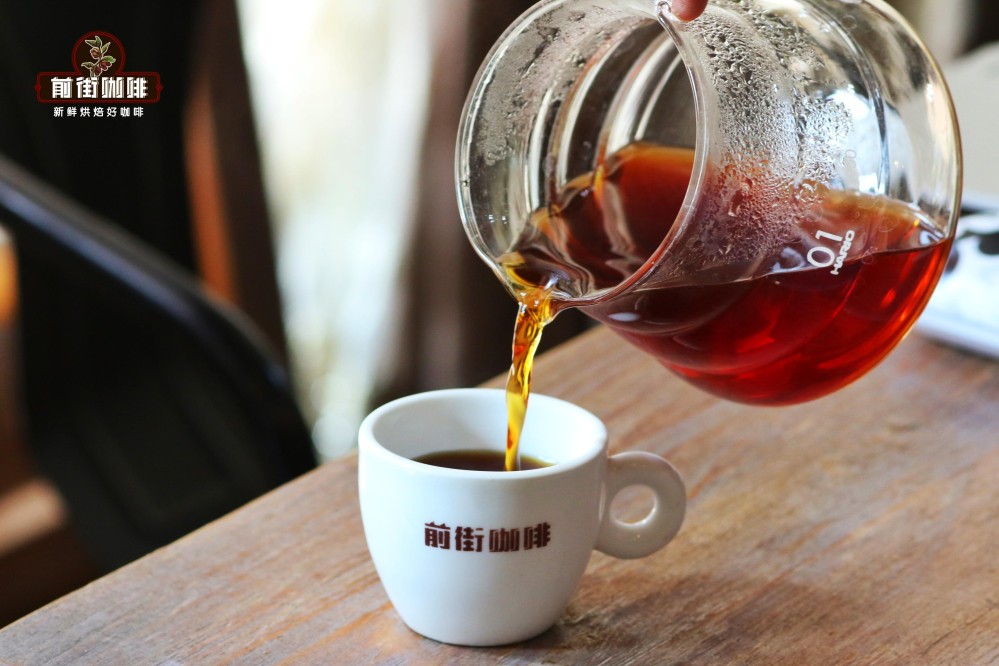
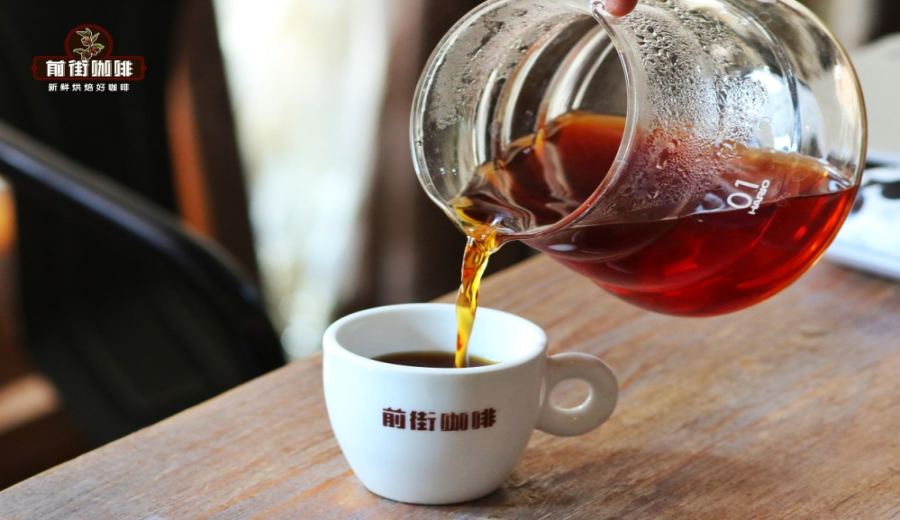
Many coffee lovers notice that although some cafés prominently feature Mandheling, the beans most frequently ordered by customers are actually from Africa, particularly Ethiopia — such as washed Yirgacheffe, natural Huakui, and Gesha Village coffees. The contrast in flavor and mouthfeel between Mandheling and Huakui is especially striking: Mandheling is globally acknowledged for its outstanding body, offering a rich, bold texture with intense aroma and a chocolatey, syrupy finish, often categorized as a more bitter coffee; in contrast, Huakui highlights the typical Ethiopian floral and fruity profile, including tropical fruits like mango and jackfruit, complemented by floral and honey notes, much like a fruit-infused floral tea, representing the acidic side of the coffee spectrum.
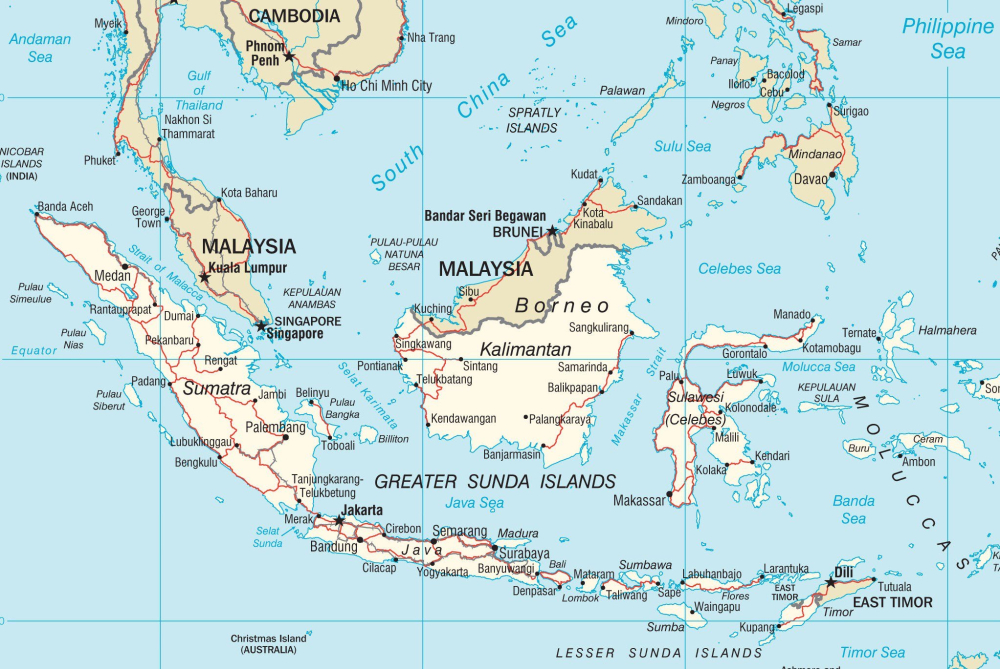
The story of Mandheling begins in the 17th century when the Dutch introduced Arabica seedlings to Ceylon (now Sri Lanka) and Indonesia. In 1877, a major outbreak of coffee leaf rust in Indonesia wiped out nearly all the previously planted Arabica, forcing a shift to the more disease-resistant Robusta. Today, Indonesia is a major global coffee producer, with key regions located in Java, Sumatra, and Sulawesi. Robusta accounts for 90% of production, while Mandheling from Sumatra represents one of the few Arabica-growing areas, cultivated on mountain slopes at altitudes of 750 to 1,500 meters, where the unique terroir gives rise to distinctive flavors.
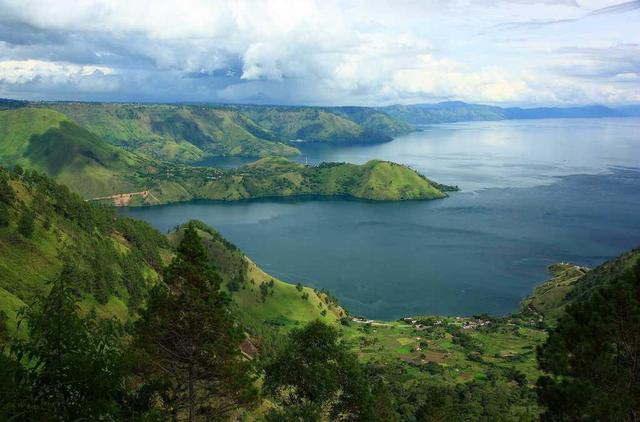
The Lidong region of Sumatra is the main production area for Lidong Mandheling, located near Lake Toba, and is often the first choice for many coffee enthusiasts starting their Mandheling journey. The Mandheling offered from this region is processed using Indonesia’s uniquewet-hulling method (Giling Basah), which results in coffee with low acidity and exceptionally high body. Traditionally, coffee farming in Sumatra employs shade trees, which help maintain humidity and soil fertility while preserving more organic matter. Notably, mechanical hulling is rarely used here; instead, parchment-covered beans are processed via semi-washed methods, then dried quickly in high temperature and humidity environments, contributing to Mandheling’s rugged appearance and bold, rich character.
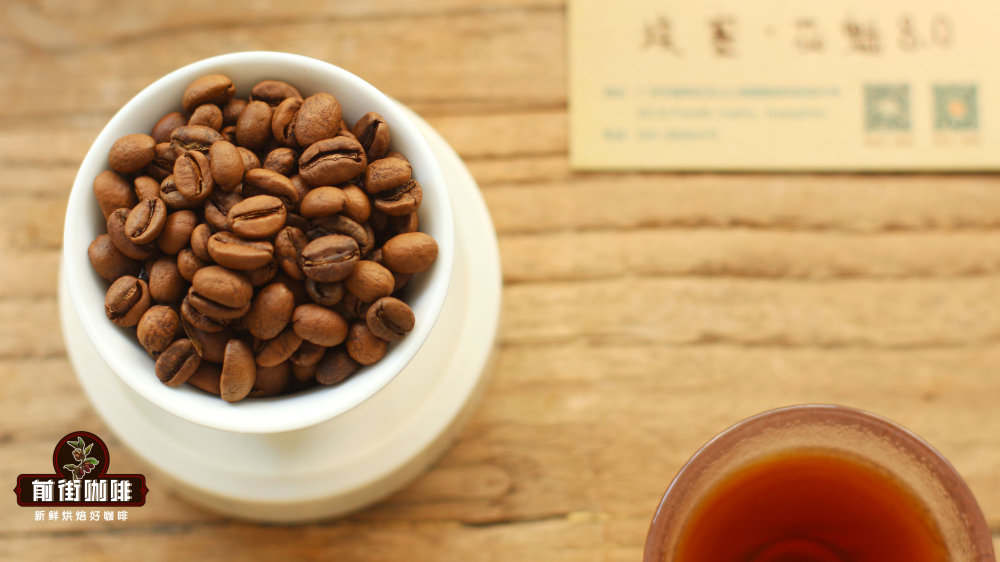
Mandheling coffee beans are naturally larger in size and hard in texture. After harvest, they undergo strict manual sorting to avoid defects, otherwise quality can vary significantly. Additionally, different roast levels greatly influence the final taste, making Mandheling a frequent topic of discussion among coffee enthusiasts. Before the advent of Blue Mountain coffee, Mandheling was even hailed as the finest coffee in the world, with its bold body, moderate acidity, and prominent aroma, resembling a daring cowboy of the West with a strong personality.
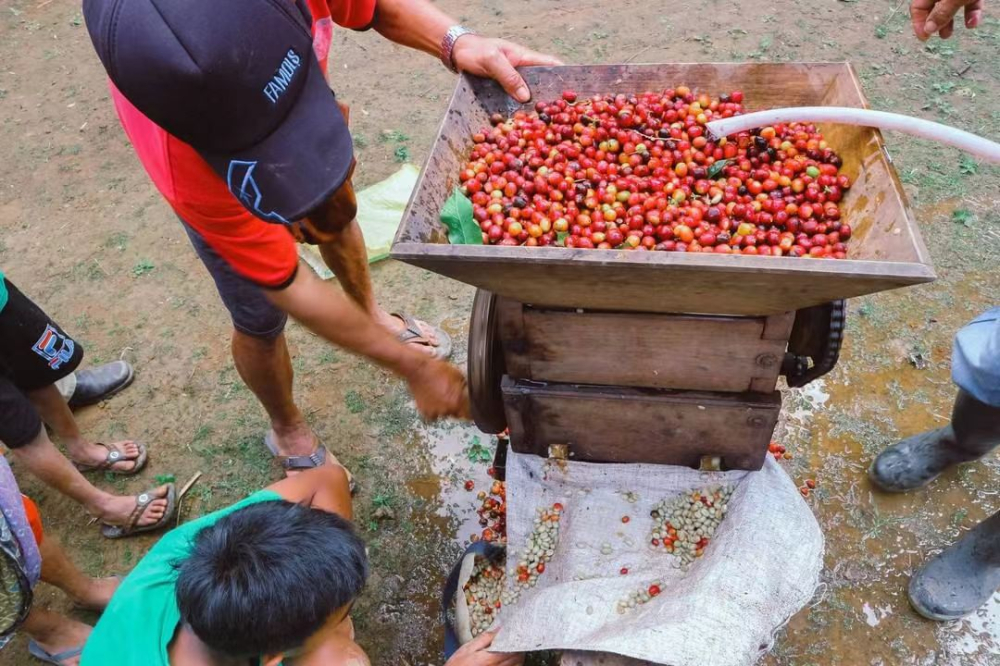
Indonesia’s hot and humid climate (with year-round humidity of 70%–90%) and lack of stable sunlight make traditional sun-drying and washed processing difficult to execute, sothe wet-hulling methodhas become the most practical solution locally. After initial washed processing, parchment-covered beans are briefly sun-dried until their moisture content drops to 30%–50%, then the parchment is removed for further drying. This not only accelerates the drying process but also stabilizes quality. Interestingly, many coffee aficionados believe that the less “aesthetically pleasing” the Sumatran beans appear, the better their flavor tends to be — adding to Mandheling’s unique charm.
As for the variety, most coffee grown in Indonesia is Arabica with Robusta lineage, such as TimTim (i.e., Timor variety) and Ateng (i.e., Catimor variety). Though names may vary slightly by region, these varieties have become mainstream locally. Lidong Mandheling and Golden Mandheling from this region are produced using these resilient yet uniquely flavored varieties.
Turning to Huakui, this bean that has made a name for itself in the specialty coffee scene actually comes from the Hambella sub-region of Ethiopia’s Guji zone, administratively part of the Oromia Region. Guji was once part of Sidamo but was designated as an independent region by ECX (Ethiopia Commodity Exchange) in 2010. Huakui rose to fame after the 2017 TOH (Ethiopia National Taste of Harvest Competition), when a natural coffee from the Buku Abel processing station in Hambella won the natural category with its intense strawberry cream aroma and a score of 88.21, instantly making the name “Huakui” widely known.
Huakui is not limited to a single harvest; since its debut in 2017, multiple versions have been released, including Huakui 2.0, 3.0, 3.1, 4.0, 5.0, 6.0, and Little Huakui, all imported by Hongshun Coffee and sourced exclusively from the natural lots of Buku Abel in Hambella. Although annual flavors may vary slightly, the overall profile remains distinctly fruity and floral. It’s important to note that only naturals processed at Buku Abel qualify as “Huakui.”
Ethiopia boasts the world’s richest coffee genetic diversity, with so many varieties that it’s difficult to classify them precisely. As a result, many Ethiopian beans — including Huakui — are labeled asHeirloom (heritage variety), meaning treasured or traditional varieties. These heirlooms are mostly natural mutations or hybrids, and to protect genetic diversity, the government typically does not disclose specific variety names.
Huakui is processed usingrefined natural (sun-dried) method, employing fully red cherries laid out in thin layers (2–3 layers) on African beds. During drying, the cherries are hand-sorted daily, with precise control of temperature and humidity to avoid rain interference. The entire process lasts 21 days, allowing full fermentation to develop complex layers of strawberry, cream, tropical fruits, and floral aromas.
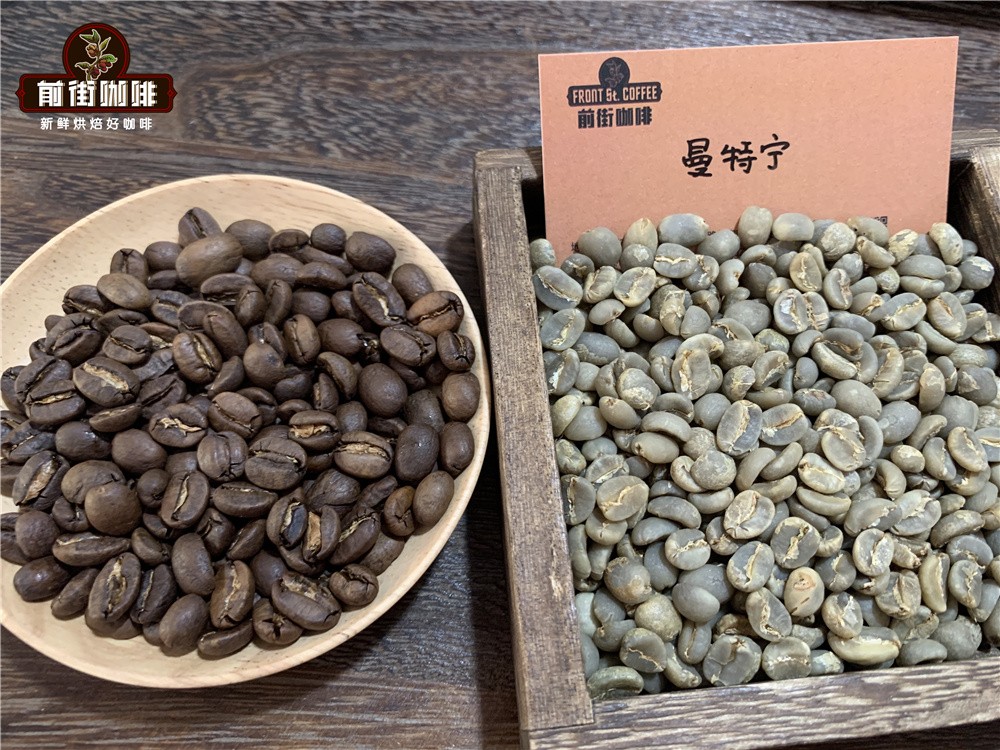
When roasting Mandheling, amedium-dark roastis usually chosen to enhance nutty, piney, and herbal flavors. It is recommended to use a KONO filter, with a water temperature of 88°C, a brew ratio of 1:15, and a grind size of approximately 75% passing through a #20 sieve. In terms of flavor, Golden Mandheling offers a layered, clean profile with rich nutty and caramel notes, and a balanced finish; Lidong Mandheling features herbal notes as the main theme, paired with dark chocolate and caramel, with a notable aftertaste.
For Huakui, alight roastis recommended to preserve more of its fruity and small-molecule aromatic compounds. Using a V60 filter can further highlight its layered profile. Suggested parameters include: water temperature of 90°C, brew ratio of 1:15, 15 grams of coffee, and a grind size of 80% passing through a #20 sieve (medium-fine). Different versions of Huakui each have unique traits: Huakui G1 exhibits tropical notes like passionfruit, strawberry, and jackfruit; Huakui 2.0 and 3.0 lean toward berry and black tea profiles; Huakui 4.0 and 5.0 highlight citrus, lemon black tea, and honey aromas; Little Huakui and 6.0 emphasize a juicy berry sensation with a sweet aftertaste.
Finally, a reminder: freshness is key to coffee flavor. It’s recommended to choose beans shipped within five days of roasting and allow 4 to 7 days for degassing to let the flavors fully develop. If opting for pre-ground coffee, though it can be brewed immediately, oxidation occurs rapidly — so grind fresh and brew right away for the most complete coffee experience. Whether you prefer Mandheling’s full body and low acidity or Huakui’s bright fruity and floral notes, each coffee has its own unique charm. Finding your personal favorite is the best choice of all.
The above content is compiled by CoffeeHunters, a coffee news website.


