







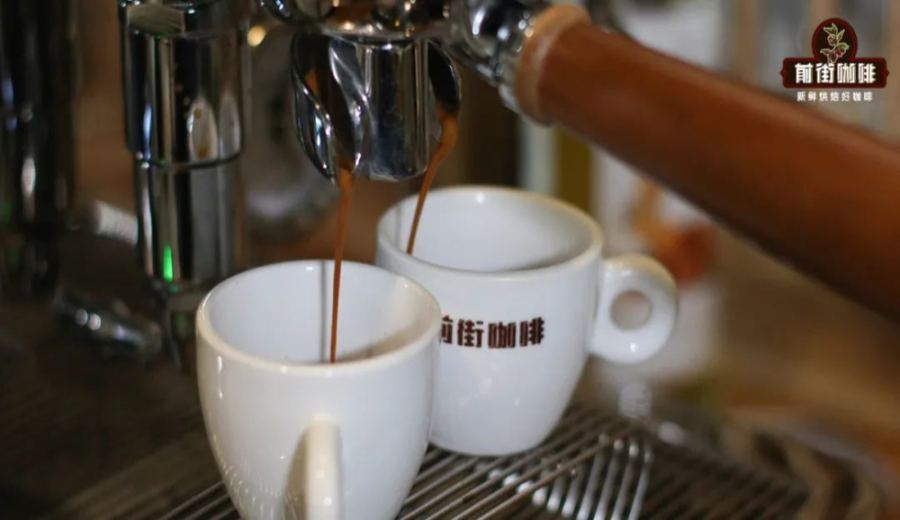
Introduction:Have you ever seen an SOE option on a café menu but weren’t sure how it differs from regular blends? This article delves into the differences between Single Origin Espresso (SOE) and blended coffee in terms of bean origin, roasting style, cost, and flavor profile. With a practical extraction process as an example, it also details the key parameters for making SOE with an espresso machine—including dose, extraction time, yield, and pre-infusion techniques—to help you master professional-level extraction skills and brew a layered SOE at home.
Walking into a modern café, besides classic Americanos and lattes, you might also notice an “SOE” option on the menu, often priced slightly higher. But what exactly is SOE? How does it differ from common blends? Is it really superior, as the price suggests? This article starts with the definition, comparing SOE (Single Origin Espresso) and blends in terms of bean source, roast level, flavor characteristics, and cost structure. It also guides you on how to correctly extract a flavorful SOE using an espresso machine, including practical key parameters such as dose, extraction time, yield, and pre-infusion steps—so you can easily brew professional-grade SOE at home.
Nowadays, walking into any café, the dazzling array of espresso drinks can make it hard to choose. To create uniqueness, many shops offer multiple SOEs for customers to choose from, highlighting their distinctive flavor profiles on the menu. This also makes many people wonder: What exactly does SOE mean? How is it different from the “blended beans” we usually drink?
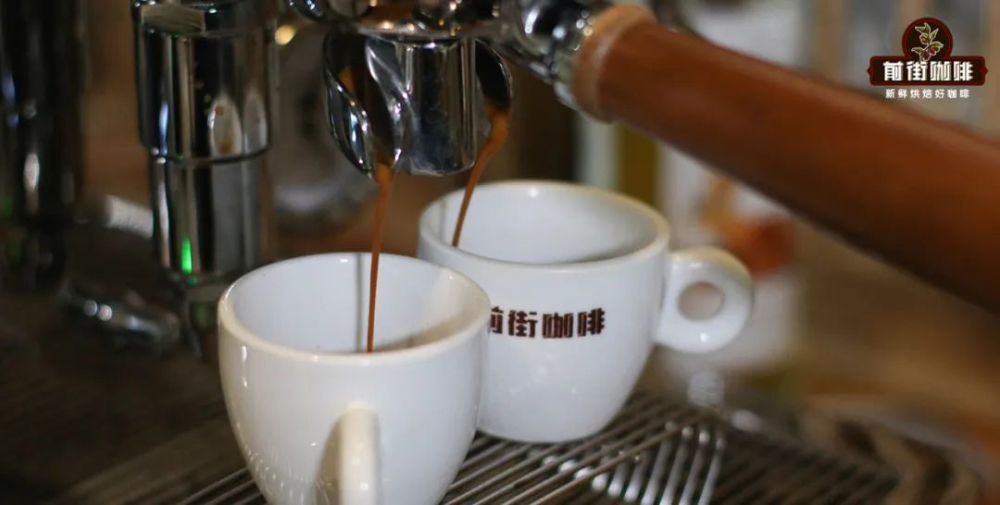
Simply put, SOE stands for Single Origin Espresso, which means espresso made from coffee beans sourced from a single origin. The term “single origin” can be broadly defined—from an entire country, to a specific region, cooperative, or even a single estate or farm—as long as the beans come from the same harvest, they can be classified as single-origin beans. In the past, single-origin coffee was mostly presented via pour over, emphasizing the unique terroir characteristics of the region, and was part of specialty coffee. But as market trends have changed, more and more baristas have started using single-origin beans to make espresso to highlight more distinct regional flavors.
For those who regularly drink lattes or Americanos, these coffees are usually made from blends and extracted quickly using an espresso machine under conditions of very fine grind, high water temperature, and high pressure. Since the concentrate itself has a rich and complex flavor profile, it is usually paired with milk or water to balance it. SOE, on the other hand, replaces these ingredients with coffee beans from a single origin. Sometimes, to highlight its bright acidity and fruity notes, a relatively lighter roast is chosen, allowing consumers to perceive clearer regional characteristics when drinking.
But is SOE really “higher-end” than blended coffee? In fact, a higher price doesn’t directly equate to better quality or more outstanding flavor. Currently, the mainstream espresso on the market is still primarily blends, because blends can achieve a balance of flavors, stable extraction, and cost control through the combination of beans from different regions, ensuring consistent taste in every cup. SOE, however, emphasizes showcasing the characteristics of a single origin, placing higher technical demands on roasters and baristas. Over-roasting can suppress delicate aromas, while under-roasting may lead to under-extraction, resulting in sour or thin issues.
So why is SOE often more expensive? This is related to market positioning. In the past, single-origin beans were mostly used in filter brewing methods like pour over, emphasizing regional characteristics and terroir flavors, such as citrus, floral, or caramel notes. Espresso, on the other hand, traditionally uses dark-roasted blends to create a rich, bold, and slightly bitter taste. When single-origin beans are used to make SOE and a lighter roast is chosen to highlight fruity and acidic notes, consumers can more noticeably perceive its unique flavor profile. Coupled with the potentially higher procurement cost of single-origin beans, the price naturally adjusts accordingly.
After understanding the basic concept of SOE, let’s look at how to correctly extract this flavorful espresso using an espresso machine. First, the extraction conditions for SOE are similar to those of regular espresso—both require fine grind, high water temperature, and high pressure. However, due to the characteristics of single-origin beans, choosing a roast that is too light or too dark may result in flavors that are either overly prominent or masked. For example, beans roasted too lightly can release excessive sharp acidity during extraction, while overly dark roasts may cause the aroma to be overshadowed by carbonized substances.
To balance extraction and flavor expression, it is recommended to choose SOE beans with a medium-light to medium roast. These beans can usually showcase a richer layering while also facilitating stable extraction. Common options with more pronounced flavor profiles include sun-dried beans with tropical fruit notes, coffees with hazelnut and sugarcane sweetness, or those exhibiting intense fermented fruit and chocolatey finishes. Among them, medium-dark roasted Brazilian Yellow Bourbon beans are also a recommended choice by many baristas, thanks to their stable flavor profile and balanced acidity and sweetness, making them ideal for practicing SOE extraction.
Below, we’ll use a medium-dark roasted Brazilian Queen Estate Yellow Bourbon coffee bean as an example to illustrate the complete steps and key parameters for extracting SOE using a double-shot portafilter on an espresso machine. The recommended dose is set at 18~20 grams, and in practice, you can choose 20 grams as the standard. The suggested extraction ratio is 1:2, which means 20 grams of coffee grounds yield 40 grams of espresso. The extraction time depends on flow rate and is generally controlled within 20~35 seconds, with 28~30 seconds being the most common ideal range to achieve a balanced flavor and smooth mouthfeel.
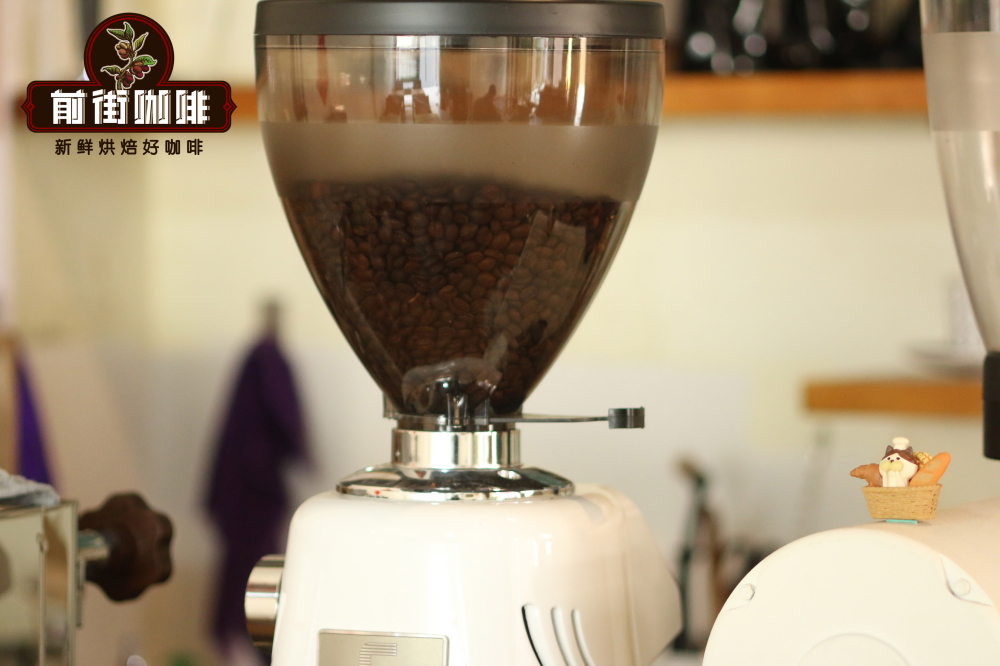
Before starting the extraction, ensure the portafilter is clean and free of leftover grounds. Start the grinder and grind an appropriate amount of coffee, placing it on the scale and adjusting it to 20 grams. Then, use a distribution tool to evenly spread the coffee grounds, followed by tamping with a tamper using vertical pressure to ensure the puck is compact and level—this is one of the keys to stable extraction.
Next, turn on the extraction switch and run water for 1~2 seconds to pre-infuse (pre-wet), which helps moisten the puck and rinse away residual coffee dust, ensuring uniformity in subsequent extraction. Then, place the scale under the cup that will catch the espresso and tare it. Slowly lock the portafilter into the group head and start the extraction.
During the extraction process, closely observe the flow rate and color changes of the espresso. When the scale shows the yield has reached 40 grams and the time is around 28~30 seconds , you can pull the switch to stop the extraction. Note that these parameters may vary slightly depending on humidity, bean freshness, or grinder condition, so it’s recommended to fine-tune grind size and dose based on actual conditions.
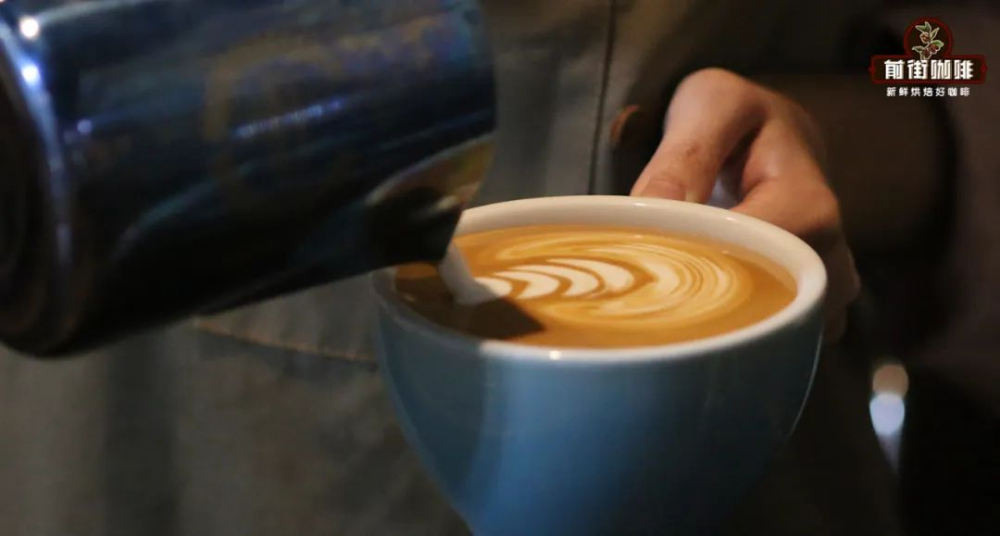
The finished SOE can be enjoyed directly. It’s recommended to pair it with a glass of water to cleanse your palate, allowing you to better appreciate its dense crema and rich layered mouthfeel. If you’re not used to the strong bitterness of espresso, you can also adjust it to your preference by adding water to make an SOE Americano, or adding a suitable amount of milk to create a uniquely flavored SOE latte—enjoying the pure flavor experience brought by single-origin coffee beans.
The above content is compiled by CoffeeHunters, a coffee news website.


