







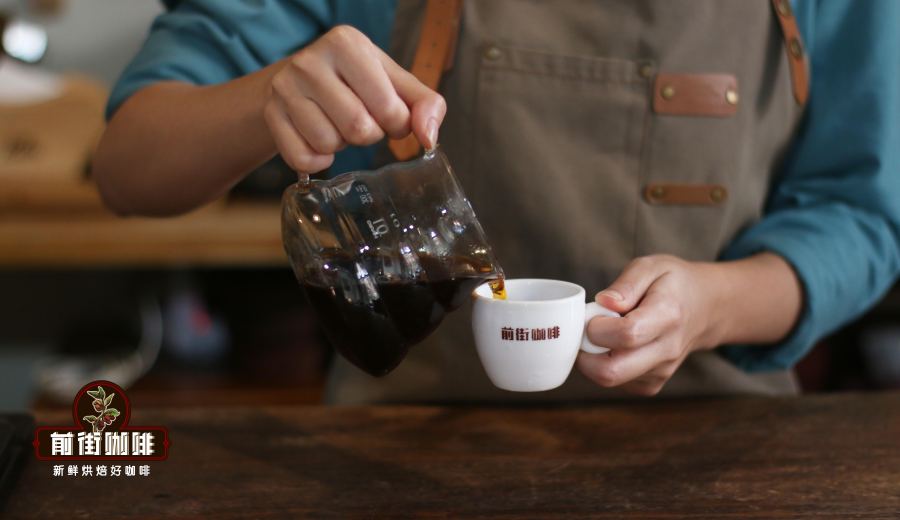
Introduction:Jamaican Blue Mountain No. 1 coffee is renowned for its uniquely clean and delicate flavor, smooth body, and rich chocolatey finish, and is hailed as a world-class premium coffee. This article delves into its legally defined production regions, the C.I.B grading system, and its five-tier quality standards. It also introduces the washed Typica variety grown at the Clifton Estate and offers optimal pour over parameters for medium-dark roasts, guiding you to fully understand the key identifying features and flavor profile of this legendary coffee.
Jamaican Blue Mountain No. 1 coffee has long been revered by coffee professionals worldwide for its unparalleled charm — the crystal-clear mouthfeel reminiscent of mountain spring water, natural sweetness, silky texture, and a steady, captivating deep-roast chocolate character. This coffee achieves an excellent balance among acidity, sweetness, and bitterness, delivering a refined and high-quality drinking experience.
Authentic Jamaican Blue Mountain No. 1 is produced only in specific areas of the Blue Mountains in eastern Jamaica, covering four legally defined regions: Saint Andrew, Saint Thomas, Portland, and Saint Mary. The typical elevation range is between 910 and 1,700 meters. It is important to note that altitudes above 1,700 meters are designated as nature reserves where commercial coffee cultivation is prohibited. The region’s high elevation, cool climate, and fertile volcanic soil create the exceptional flavor potential of Blue Mountain coffee.
The Jamaican government enforces extremely strict quality control over Blue Mountain coffee. All coffee beans, after initial processing, must be sent to the official C.I.B (Coffee Industry Board) warehouse for quality inspection and grading. A team of trained cuppers anonymously evaluates coded samples through a series of assessments, including defect rate checks, raw bean color evaluation, and cupping performance, to determine the final grade.
Blue Mountain coffee is divided into five grades based on bean size, defect rate, and processing method:
(Top-tier) Blue Mountain No. 1: Requires over 96% of beans to be sized at 17/20 mesh, with no more than 2% defects.
Blue Mountain No. 2: Over 96% of beans sized at 16/17 mesh, also with a maximum defect limit of 2%.
Blue Mountain No. 3: 96% of beans sized at 15/16 mesh, with no more than 2% defects.
Blue Mountain Peaberry: 96% of peaberry beans (round beans), also limited to 2% defects.
Blue Mountain Triage: A blend of the first four grades, allowing up to 4% defects.
Batches that pass grading inspections are further subject to random sampling and verification by the Jamaica Coffee Industry Board. Only those that qualify receive the official Blue Mountain coffee certification. Additionally, when purchasing, you may request to see the producer’s authorized sales certificate and certificate of origin. These three documents are the key to verifying the authenticity of Blue Mountain coffee.
Currently, most commercially available Blue Mountain No. 1 comes from the Clifton Estate, a historic coffee farm located in the Saint Andrew region. This estate not only holds official certification but also displays the Rainforest Alliance certification mark on its wooden barrels, symbolizing environmentally friendly and sustainable farming practices. The Blue Mountain No. 1 produced here is processed using the washed method and is of the classic Typica variety, grown at an altitude of about 1,310 meters.
To fully showcase the balanced acidity and sweetness, smooth body, and rich mouthfeel of Blue Mountain No. 1, a medium-dark roast is recommended. Freshly roasted beans should be allowed to rest for a few days to allow natural carbon dioxide release, which aids in flavor development. For pour over brewing, it is suggested to use a Kono dripper with a relatively slower flow rate and extract with slightly lower water temperature to highlight its delicate aromas and layered flavors.
Common brewing parameters used at some coffee shops are as follows:
Dripper: Kono
Water temperature: 88°C
Coffee-to-water ratio: 1:15
Coffee dosage: 15 grams
Grind size: 70–75% passing through a #20 sieve (medium-fine to medium grind)
Pour over steps recommended:
1. First pour: add 30 grams of water and bloom for 30 seconds;
2. Second pour: add water up to approximately 125 grams, then let the water level drop;
3. When the liquid level drops to about half, continue pouring to reach a total of 225 grams;
4. Complete the extraction once dripping finishes from the dripper, with a total brew time of about 2 minutes and 10 seconds.
This brewing method fully highlights the unique characteristics of Blue Mountain No. 1: intense black chocolate aroma, delicate nutty notes, and a velvety, creamy mouthfeel. The overall flavor is well-balanced with a long-lasting aftertaste, making it a dream coffee for many enthusiasts.
The above content is compiled by CoffeeHunters, a coffee news website.


