








Introduction:Espresso and American black coffee may both appear as black coffee, but they actually differ significantly in brewing method, flavor, and concentration. This article delves into the origins of espresso, its extraction principles and key parameters, and analyzes its fundamental differences from American coffee. It also introduces you to various classic espresso-based drinks derived from it — from lattes and cappuccinos to Dirty — helping you understand their compositions and characteristics. Whether you’re a beginner or looking to advance your knowledge, you’ll gain a comprehensive grasp of the classic beverages in the coffee world.
Espresso is a strong coffee liquid rapidly extracted under high pressure (approximately 9 bar) using a professional espresso machine. This brewing technique, originating in Italy, has a history of over a century and serves not only as the foundation for many coffee drinks but also represents the pinnacle of coffee concentration technology. The word "Espresso" comes from the past participle of the Italian verb "esprimere," meaning "to press out." Some also believe its name is related to the English word "express," hinting at a fast and efficient extraction process. Regardless of which explanation you prefer, both aptly describe the core traits of Espresso: intense, quick, and high-pressure extraction.
So, what exactly is the difference between espresso and regular American black coffee? The primary differences lie in the brewing method and concentration. Espresso is produced by extracting a small amount (about 10–11 grams) of finely ground coffee under high pressure (around 9–10 bar), high temperature (about 90–96°C), and within an extremely short time (approximately 20–30 seconds), yielding 20–25 grams of concentrated coffee liquid. This method results in not only a rich brew, but also a fine, golden-brown layer of coffee crema on the surface, formed by the emulsification of carbon dioxide and oils under pressure.
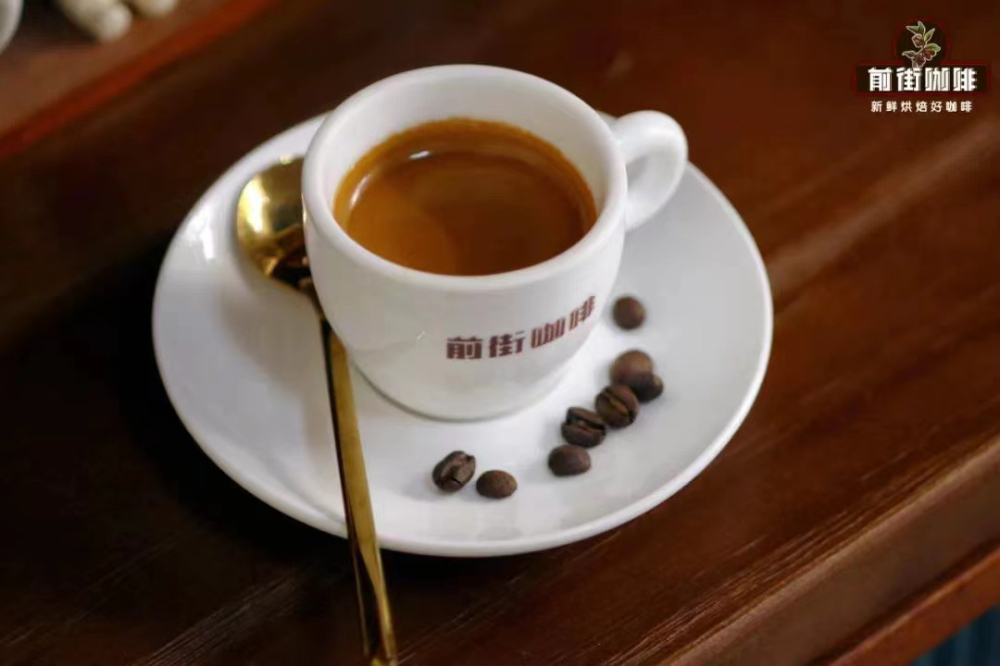
As for American coffee, it is simply made by adding hot or iced water to espresso, with no strict standard for the ratio, though it is typically around 1:2 to 1:3 (espresso to water). This makes the flavor lighter and more suitable for those who prefer lower-concentration coffee. American black coffee lacks crema, offers a refreshing overall taste, is suitable for extended drinking sessions, and is often used as a daily pick-me-up.
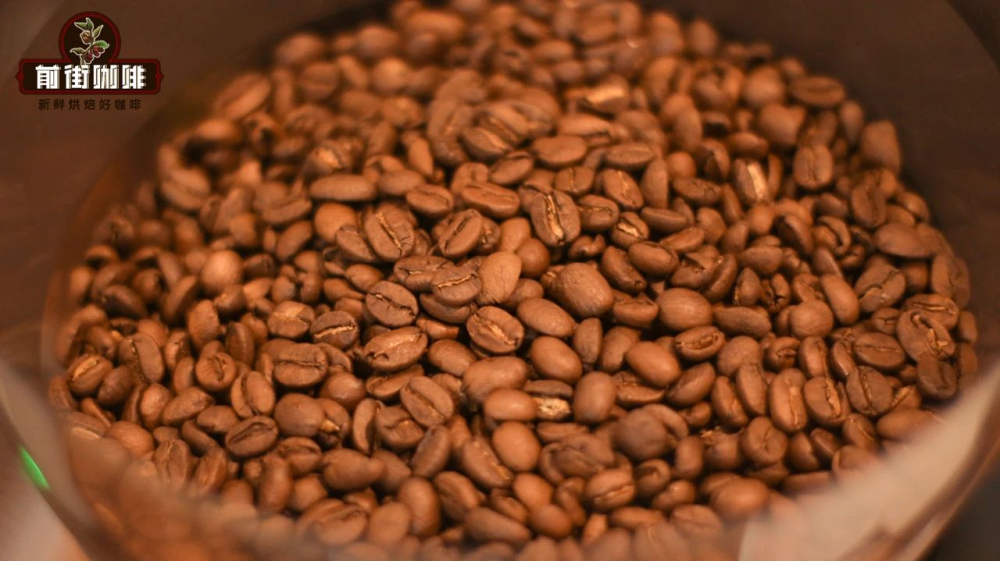
To extract an ideal shot of espresso, three key elements are crucial: coffee beans, grind size, and extraction parameters. Many professional shops opt for blends when making espresso because beans from different regions each have unique flavor profiles. Through thoughtful blending, acidity, sweetness, bitterness, and saltiness can be balanced, and flavor stability ensured. For example, common blend combinations might include dark-roasted beans from Brazil to provide a rich base, along with beans from Central America or Southeast Asia to add sweetness and balance acidity. Additionally, blends help mitigate flavor fluctuations caused by climate changes in a single origin, ensuring consistent quality in every cup.
A standard single shot of espresso typically uses 10–11 grams of coffee grounds, extracted for about 22 seconds, producing 20–25 grams of espresso liquid; a double shot uses 18–20 grams of coffee grounds, extracted for about 29 seconds, yielding 35–40 grams of coffee liquid. These values may slightly vary depending on the roast level of the beans, grinder settings, and machine condition, but generally stay within this range, representing industry-recognized standard parameters.

There is a wide variety of espresso-based drinks derived from espresso, each with its own unique combination and charm. The latte (Caffè Latte) is one of the most popular coffees, consisting of one shot of espresso plus a large amount of steamed milk, usually in a ratio of about 3:1 (milk to espresso), with a thinner layer of foam. It’s ideal for those who enjoy a balanced flavor of milk and coffee. It’s worth noting that "Latte" in Italian means "milk," so "Caffè Latte" literally means coffee with milk, rather than referring to just any coffee drink.
American coffee (Americano) is made by directly adding hot or iced water to espresso without milk, representing the simplest and most straightforward variation. The ratio can be adjusted according to personal taste; some prefer 1:2, while others opt for a milder 1:4, depending on the strength of the espresso and individual preference.
Mocha is made by adding chocolate syrup or cocoa powder to espresso, then combining it with steamed milk. It combines the dual aromas of coffee and chocolate, making it a top choice for those who enjoy sweets and coffee alike. Its name originates from the port of Mocha in Yemen, once a major hub for exporting premium coffee, and it carries a rich, bold flavor.
Cappuccino consists of equal proportions of espresso, steamed milk, and milk foam. A standard cappuccino typically contains one-third espresso, one-third hot milk, and one-third foam. The foam is smooth and velvety, often enjoyed during breakfast and is one of the most commonly ordered morning drinks in Italy. Interestingly, the name cappuccino is said to derive from the color of the habits worn by Capuchin monks in Italy, resembling the interplay of coffee and foam.
Flat White is a popular coffee drink in recent years. Similar to a latte, it uses less milk and thinner foam, allowing the inherent flavor of the coffee to stand out more. It’s suitable for those who enjoy a strong coffee flavor but still want a touch of milk.
Dirty coffee is a creative drink that engages both the visual and taste senses. It involves pouring a double shot of espresso directly over ice-cold milk. Due to the temperature difference between the hot espresso and cold milk, a distinct layered effect is formed. The experience goes from hot to cold and from strong to mild, offering distinct layers — it’s a highly popular coffee choice in summer. This drink emphasizes not stirring, allowing each sip to deliver a different flavor experience, and is meant to be enjoyed without a straw to fully appreciate its vivid contrasts.
The above content is compiled by CoffeeHunters, a coffee news website.


