








Introduction:Latte and mocha are two of the most common classic drinks in coffee shops, but do you really understand the differences between them? This article provides a comprehensive comparison from coffee bean selection, milk foam ratio, latte art techniques, to taste and flavor profiles, helping you discern the essential distinctions between these two espresso-based beverages and find the one that best suits your personal taste.
Walk into any café, and you’ll almost always find latte and mocha as staple menu items. However, many people order them without fully understanding the actual differences between the two. In fact, a latte is a classic combination based on espresso and a large amount of milk, whereas a mocha may refer to a single-origin coffee or a flavored drink that combines chocolate syrup with milk foam. Understanding their uniqueness allows you to choose more precisely the ideal cup of coffee you’re looking for.
Let’s start with the latte. The latte (Caffè Latte) originates from Italy, and its literal meaning is “coffee and milk.” Its basic composition is very simple: one shot of espresso (Espresso), plus a large amount of steamed milk, and a small amount of fine, dense milk foam. In Italy, this drink is often consumed as part of breakfast, where locals appreciate its smooth and mellow texture, as well as the balanced integration of milk and coffee.In standard proportions, milk makes up about 70% of a latte, milk foam around 20%, and the actual coffee portion only about 10%.This results in a latte with less bitter coffee flavor and a more prominent milky aroma.
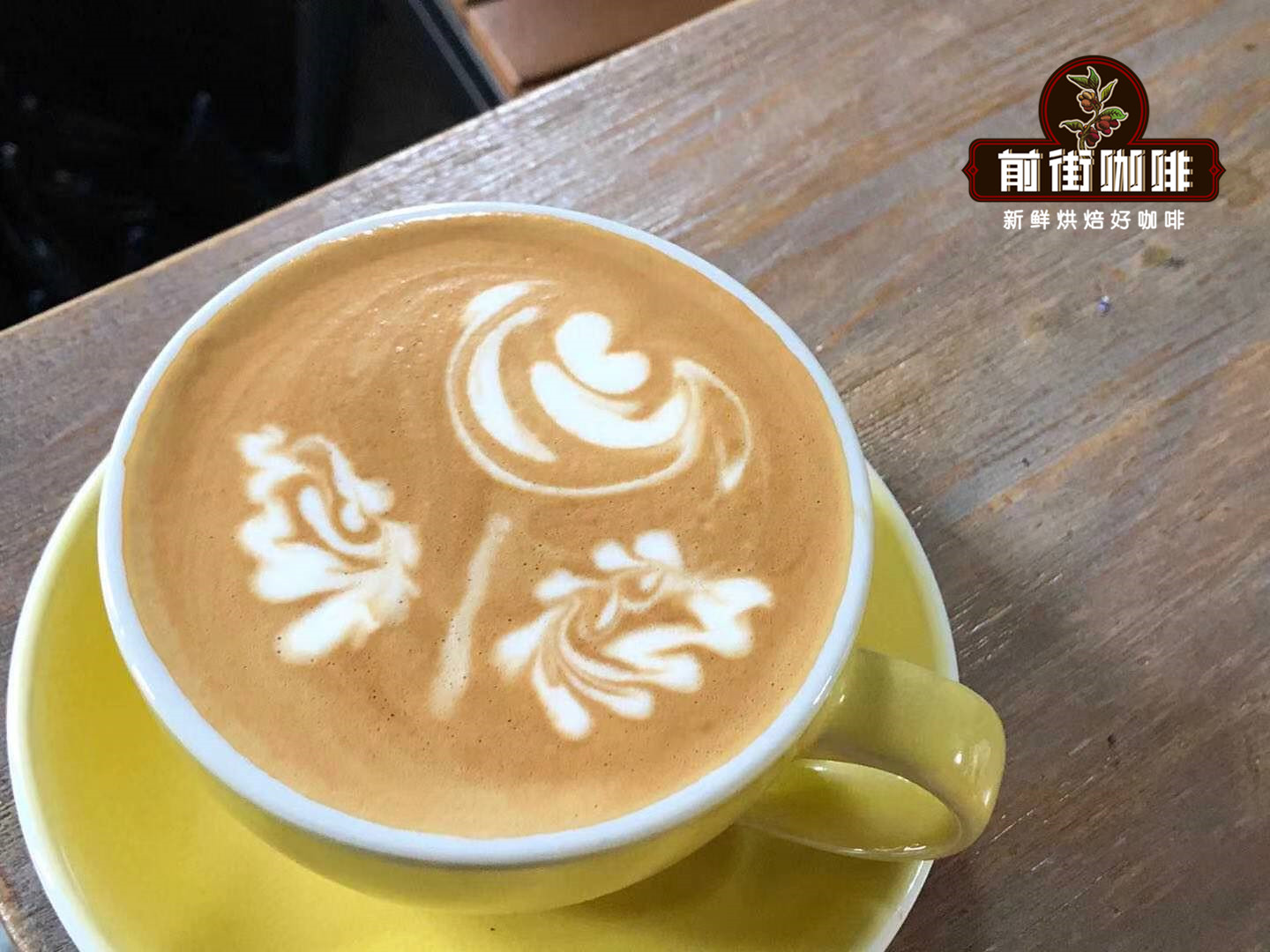
As for the mocha (Mocha or Mocaccino), its definition is slightly more complex. If we’re talking about single-origin mocha coffee, it usually refers to coffee beans from the Mocha region of Yemen, which often exhibit pronounced acidity, a rich body, and unique regional characteristics. However, in the modern café context, “mocha” more commonly refers to a flavored coffee—a composite drink that combines espresso, chocolate syrup, whipped cream, and milk.This coffee, due to the addition of chocolate, carries sweetness and a rich milky flavor, making it a top choice for many consumers who prefer sweet-tasting coffee.。
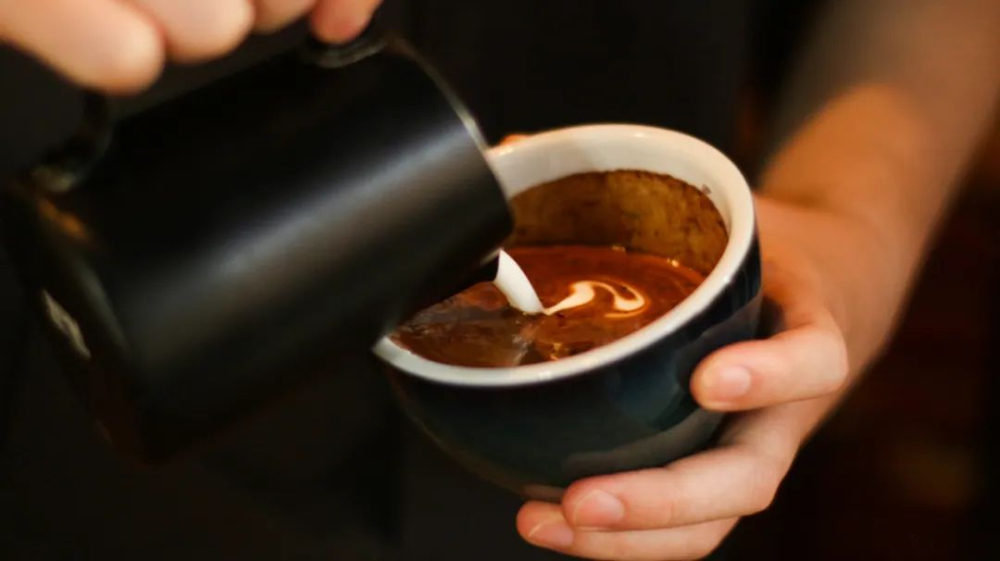
Next, let’s examine the key visual and taste differences between a latte and a cappuccino. First, let’s talk about latte art performance:The milk foam used in a latte is finer and of moderate thickness, about 1–2 centimeters, which allows for the creation of smooth and delicate patterns. This is also why “latte art” has become an important skill showcase for professional baristas.In comparison,the milk foam in a cappuccino is thicker, often exceeding 3 centimeters, making it difficult to create intricate designs, so it is usually presented with simple etched patterns or without any latte art at all.If you see an exquisitely designed pattern in a café, it’s most likely from a latte.
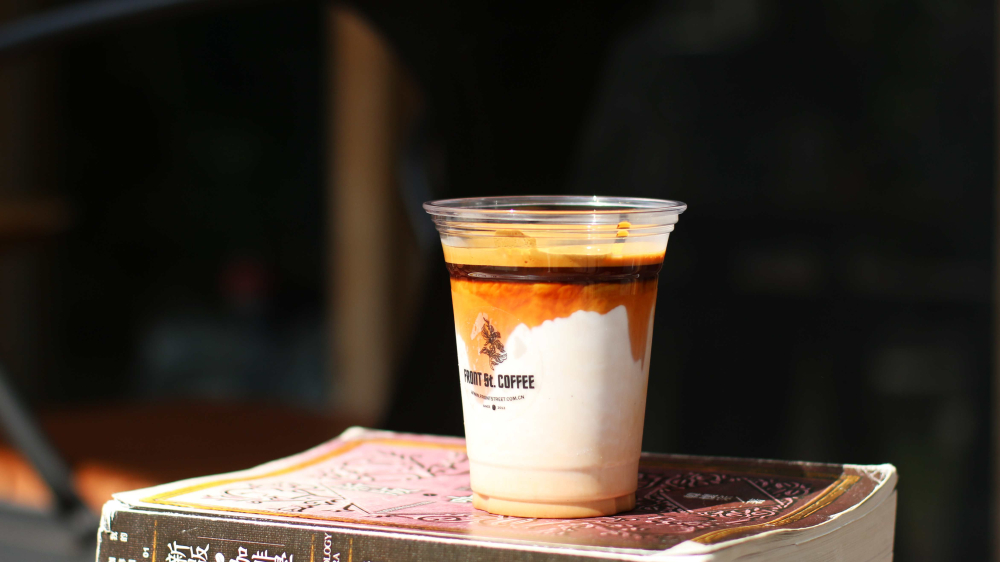
Beyond latte art, there are also significant differences in taste structure between the two. A latte and a cappuccino made using the same medium-dark roasted specialty blend coffee beans (composed of beans from Brazil and Colombia, with cocoa, cookie, and creamy aromas) present vastly different flavors due to their differing ratios. The latte, with its higher milk content, overall feels soft and smooth, making it suitable for those who don’t particularly enjoy bitter flavors; whereasthe cappuccino emphasizes a one-third ratio—coffee, milk, and milk foam each accounting for roughly one-third—so the inherent flavor of the coffee is more pronounced, with a velvety texture like cotton, and the added milk foam brings a marshmallow-like consistency.。
If you prefer bright fruity notes and layers of sweet and sour complexity, you might consider choosing a medium-roasted specialty blend, which combines single-origin beans from Colombia, Ethiopia, and Costa Rica, offering vibrant flavors such as rose, grape, and dried blueberry. When paired with milk, these become even more refined and gentle. Different roast levels and regional flavor profiles of coffee beans will also influence the final outcome, a detail worth paying attention to when making your selection.
Historically, the name “latte” literally translates to “milk,” originally referring to the simple combination of pouring hot milk into coffee. With the invention of the Italian steam coffee machine, the latte gradually evolved into the form we are familiar with today. The cappuccino, on the other hand, is closely related to the development of coffee machines. Its name is said to derive from the color and style of the robes worn by Italian monks, symbolizing the blend of brownish milk foam and coffee. Though both belong to the espresso coffee family, they each have their own unique cultural backgrounds and evolutionary stories.
In summary, latte and mocha are not just different in name—there are significant distinctions in base proportions, ingredients used, preparation methods, and ultimately, flavor profiles. Whether you prefer the rich milky taste of a latte, the fusion of chocolate and coffee in a mocha, or the dense texture of a classic cappuccino, understanding these details can help you make more informed choices when ordering at a café and also enable you to replicate drinks closer to the level of professional baristas at home.
The above content is compiled by CoffeeHunters, a coffee news website.


