







Introduction:As China's largest coffee-producing region, Yunnan’s small-bean coffee has garnered attention for its unique flavor profile. This article delves into the natural conditions of Yunnan’s major producing areas, compares the historical background and characteristic differences between the Typica and Catimor varieties, and provides a detailed breakdown of the key steps in the washed processing method. It also offers practical pour over parameters, along with flavor profiles of both washed and natural processed beans, to help readers master selection and brewing essentials.
Yunnan is the core hub of China’s coffee industry, accounting for over 95% of the country’s total coffee output. Although its overall production still lags behind that of neighboring countries, the quality of Yunnan coffee is by no means inferior. This article will focus on Yunnan’s small-bean coffee, starting with the natural environment suitable for cultivation, and then systematically exploring the characteristics of major producing regions such as Baoshan, Pu'er, Lincang, and Dehong. It also provides an in-depth analysis of the origins and differences between the Typica and Catimor varieties. Additionally, it introduces the widely adopted washed processing method in the region, as well as how different processing methods influence flavor. The article also includes actual farming case studies and pour over recommendations, along with detailed descriptions of the flavor characteristics of washed Yunnan small-bean and natural Typica beans, enabling readers to gain a more comprehensive understanding of Yunnan coffee’s overall style and selection direction.
When mentioning Yunnan, many people first think of Pu'er tea, but in fact, coffee has gradually become an important agricultural product in the region. Many consumers still believe that imported coffee beans are of higher quality, but in reality, domestic coffee has demonstrated impressive capabilities. Yunnan is not only China’s largest coffee-producing region—accounting for 95% of the national total—but also the main supply source for the domestic coffee market. The region’s uniquely favorable coffee-growing conditions have given rise to its distinctive flavor characteristics.
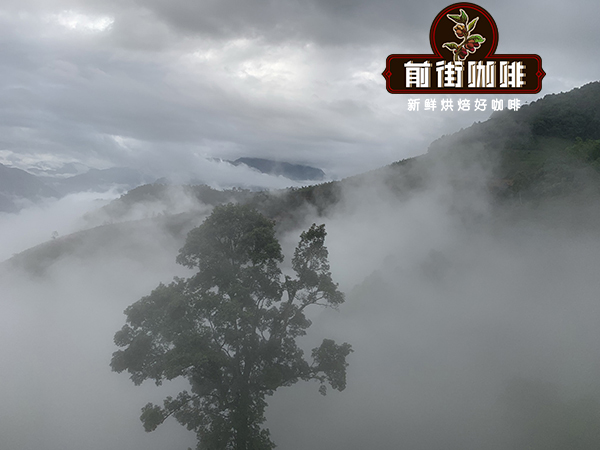
Coffee is extremely particular about its growing environment, and Yunnan happens to possess ideal conditions. The western and southern parts of the province lie between 15°N and the Tropic of Cancer, within the “coffee belt” suitable for coffee cultivation. Elevations generally range from 1,500 to 2,200 meters, with some southwestern border areas falling between 800 and 1,000 meters, and the terrain is predominantly mountainous and sloped. The climate here is comfortable, with significant diurnal temperature variations and minimal seasonal fluctuations, providing an excellent environment for coffee cultivation. These factors collectively shape Yunnan coffee’s unique flavor profile: “rich but not bitter, aromatic but not overpowering, with hints of fruitiness and a tea-like finish.”
In the early days, a certain coffee brand attempted to grow coffee in Guangdong’s Dazhen, but due to an insufficient grasp of coffee’s cultivation requirements, it later chose to establish a coffee plantation in Lincang, Yunnan. The local natural conditions are highly suitable for coffee growth, laying the foundation for producing high-quality coffee beans.
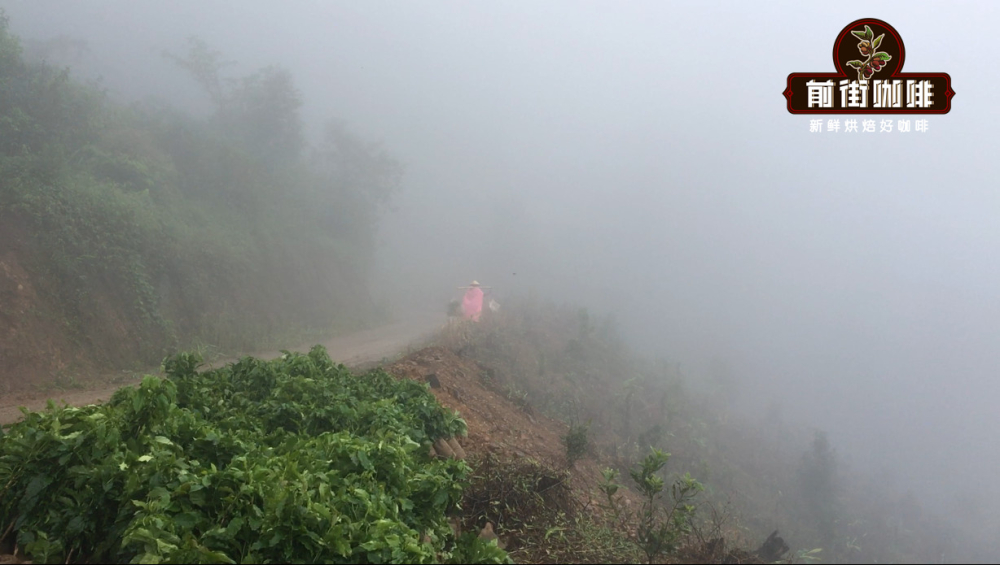
Yunnan’s coffee-producing regions are mainly concentrated in Baoshan, Pu'er, Lincang, and Dehong. Among them, Baoshan, as one of the three major small-bean coffee producing areas, boasts a long planting history dating back to the mid-1950s. According to records, the oldest coffee trees in the area are over 60 years old. Located on the eastern foothills of the Gaoligong Mountains and on both sides of the Nujiang River, the Luxi Basin features a dry-hot valley climate, which is particularly suitable for the growth of Arabica (i.e., small-bean coffee). The Luxi Basin’s planting areas are mostly distributed at elevations of 800 to 1,200 meters, with some areas even reaching 1,400 meters. This region has a subtropical monsoon climate, with an average annual temperature of about 21.3°C, annual sunshine hours exceeding 2,334.5, annual rainfall ranging from approximately 721.51 to 1,000 mm, and virtually no frost throughout the year. The International Coffee Organization once evaluated Yunnan coffee’s quality as comparable to that of wet-processed small-bean varieties from Colombia, placing it at the world’s top tier.
The representative variety of Yunnan small-bean coffee is Typica, which is also one of the oldest varieties of Arabica. Typica coffee trees have copper-red top leaves, long oval-shaped and smooth-surfaced leaves, few terminal branches, relatively long lateral branches, and bean shapes that tend to be oval or slender-pointed. Its flavor is elegant, but it has weak disease resistance and is susceptible to leaf rust, with relatively low yields. Later, when Nestlé entered the Yunnan market, to improve yield and disease resistance, the once flavor-excellent but disease-prone Typica was largely replaced by the high-yield and disease-resistant Catimor variety. Catimor is actually a hybrid cross between Robusta and Arabica, originating in 1959 when the Portuguese introduced the Bourbon variety Caturra (with Arabica lineage) to East Timor, where it was crossed with the local Timor variety (which has Robusta lineage). This variety gained promotion in multiple countries during the global leaf rust epidemic due to its strong disease resistance and high productivity.
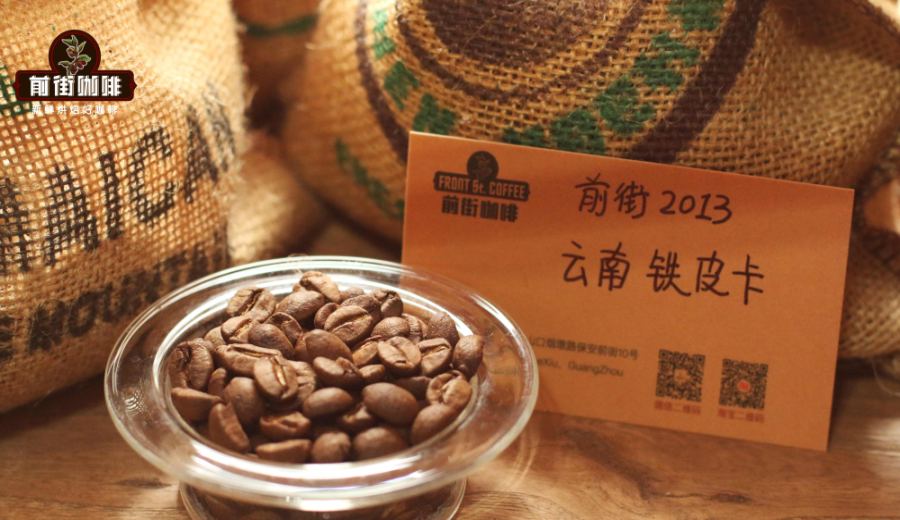
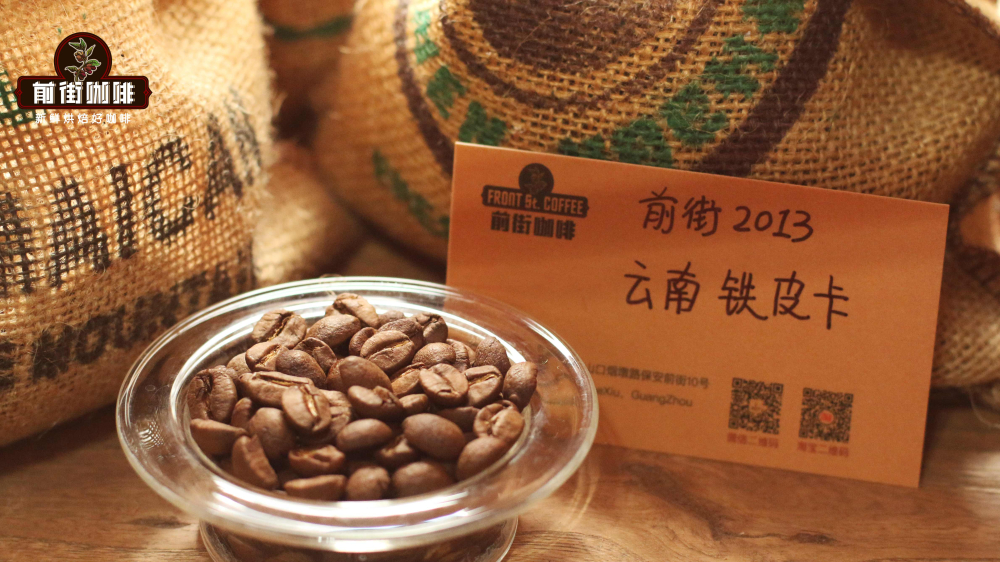
Currently, the main coffee variety planted in Yunnan is Catimor, but some producers still choose to cultivate the more challenging yet flavor-rich Typica. A certain brand’s plantation in Lincang focuses specifically on the Typica variety, and through strict screening management systems and skilled worker training, it produces coffee beans with unique flavors. This plantation is located at 23°N latitude and 99°E longitude, at elevations between 1,230 and 1,540 meters, with a terrain dominated by undulating mountains and slopes, fertile soil, abundant sunlight, plentiful rainfall, and significant diurnal temperature variations. These conditions together nurture coffee with bright and lively acidity, smooth mouthfeel, and Asian herbal notes.
Yunnan’s climate is variable, with frequent alternations between sunny and rainy weather, so the washed processing method is predominantly used. This method first uses a depulper to separate most of the fruit pulp, then places the parchment-covered beans into water tanks for fermentation to thoroughly remove the remaining pulp layer. During fermentation, underripe and defective beans naturally float due to buoyancy, making them easy to sort. Compared to natural drying, the washed method allows for more precise control over the fermentation process, resulting in fewer off-flavors, prominent fruity acidity, higher complexity, and a cleaner taste. Washed processing is also considered the best at showcasing Yunnan coffee’s regional flavor characteristics.
For brewing Yunnan coffee, a medium roast is recommended to highlight its balanced flavor. The coffee beans from this region typically have a base note of nuts and brown sugar, with stable and layered flavor expression. It is recommended to use a V60 filter, set the water temperature at 88°C, use 15 grams of coffee, with a 1:15 coffee-to-water ratio, and a grind size of 80% through a Chinese standard No. 20 sieve (approximately equivalent to the fineness of fine sugar). During brewing, a three-stage pouring method can be used: start with 30 grams of water for a 30-second bloom, then pour in a small circular motion up to 125 grams for the first pour, wait for the water level to drop, and then pour up to 225 grams. The total extraction time is about 2 minutes. These parameters can fully bring out the nutty, chocolatey, and caramel flavors of Yunnan coffee, with a lingering hint of fruity acidity.
Washed Yunnan small-bean coffee features prominent nutty aromas, with herbal, chocolate, and caramel layers on the palate, and a subtle fruity acidity in the aftertaste. In contrast, natural-processed Typica coffee has a firmer mouthfeel, slightly lower acidity but richer sweetness, with an overall excellent balance, along with berry-like acidity, brown sugar sweetness, and a light tea-like character. Regardless of the processing method chosen, it is recommended to use freshly roasted coffee beans for the best flavor experience—beans roasted within five days generally perform best, with a resting period of about 4 to 7 days.
The overall flavor profile of Yunnan small-bean coffee is neutral—not overly acidic or bitter—belonging to the type with distinct aroma and moderate richness, suiting the taste preferences of most consumers. Those who prefer fruity acidity can opt for beans grown at high altitudes and lightly roasted, which tend to have higher acidity and lighter bitterness; those who dislike acidity may choose dark roasted beans, which have more pronounced bitterness but richer flavor. Understanding the characteristics of the producing region, variety, and processing method will help in selecting and brewing Yunnan coffee that suits your personal taste.
The above content is compiled by CoffeeHunters, a coffee news website.


