








Introduction:Can pour over coffee only be made with single-origin beans? This article delves into the development process of an autumn-themed blend, revealing how Yunnan Typica is thoughtfully combined with Ethiopia Yirgacheffe Kochere and Gesha Village Natural Gesha. From adjusting the roast curve of the green blend to cupping validation, it fully demonstrates how a professional team balances notes of black tea, cocoa, and a finishing touch of jackfruit, while also providing key extraction parameters for reference.
Many assume blends are exclusive to espresso, but in reality, beans from diverse altitudes and terroirs, when scientifically blended, can also produce exceptional pour over results. This article documents the full development journey of an autumn-themed blend, focusing on the compatibility logic of Yunnan Typica as the base bean and its synergistic effects with Ethiopia Yirgacheffe Kochere and Gesha Village Red Label Natural Gesha.
Core Flavor Objectivesare defined as: avoiding the charred bitterness of dark roasts, highlighting a medium-to-high sweetness foundation, developing a tea-like body akin to black tea, finishing with cocoa-caramel aromas, and integrating the unique jackfruit sweetness of autumn fruits. This direction distinctly differs from the intense body typically pursued in conventional espresso blends.

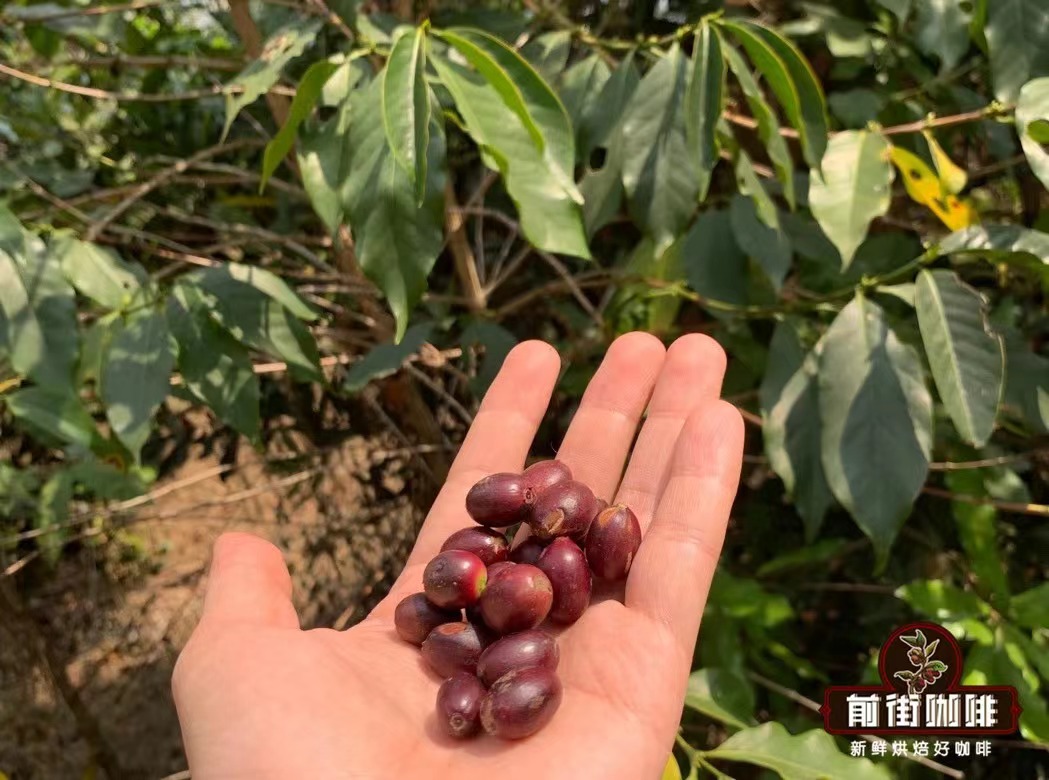
The R&D team first ruled out commercial-grade dark roast blends—such beans often lose regional characteristics due to excessive roasting. While they provide stable body, they struggle to deliver the layered complexity required for pour over. Through screening tests, three specialty-grade green beans were ultimately selected:60% Yunnan Typica(medium-light roast benchmark bean),30% Ethiopia Yirgacheffe Kochere(providing citrus acidity and brightness),10% Gesha Village Natural Gesha(enhancing floral-fruit notes and tea undertones).
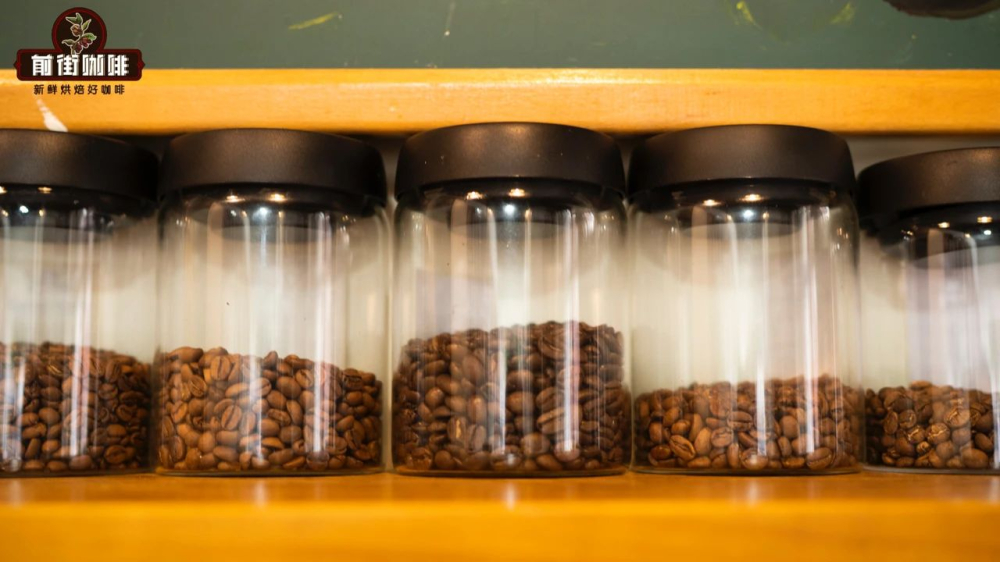
The choice between blending green or roasted beans became pivotal. If roasted separately then mixed (roasted blend), the medium-dark roast requirement of Yunnan Typica and the light roast needs of Yirgacheffe would create severe extraction conflicts: the former prone to over-extraction yielding woody astringency, the latter under-extracted leaving sharp acidity. Experiments provedgreen bean co-roastingeffectively controls development consistency, achieving coexistence of differentiated roast levels through adjusted heat curves.
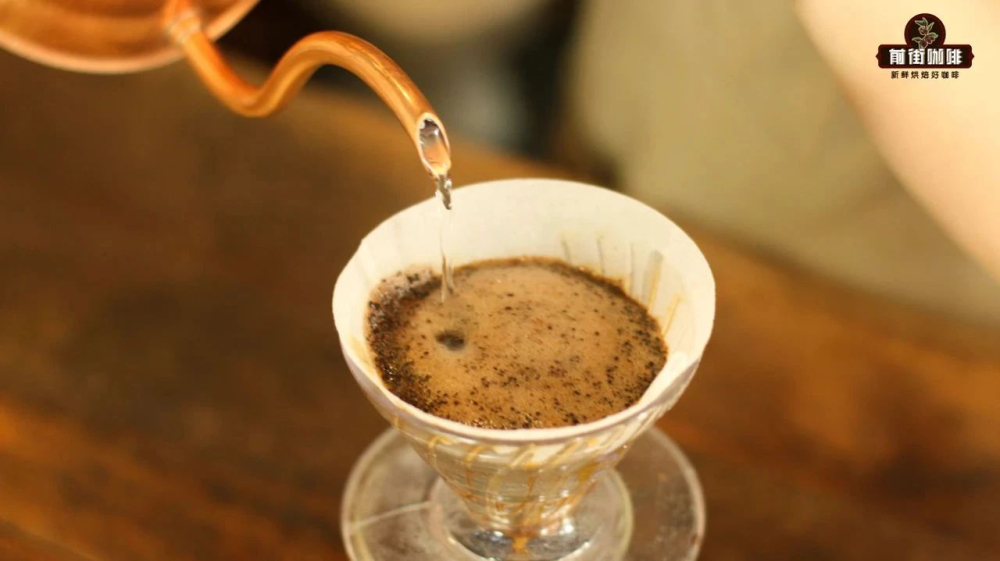
Roast parameter settings reflect precise control: initial charge temperature 170°C, employing staged heat management—dehydration phase maintains 140-120°C heat with damper adjusted between 3-4, entering Maillard reaction at 4'30". First crack begins around 8 minutes (temperature drops to 90°C at 168°C), extending development time to 1'45" before dropping at 193-195°C. Special adjustments for Yunnan Typica:drop temperature reduced by 5-8°C compared to standard, suppressing off-flavors while preserving brown sugar and creamy notes.
Initial 6:4 ratio (Typica:Kochere) cuppings showed acceptable structure but slightly thin flavor dimension. After three rounds of adjustments, the final formula was determined:60% Typica, 30% Kochere, 10% Gesha. The Gesha addition significantly elevated floral-fruit complexity, with its natural-processed mango leather and wine-like tones intriguingly complementing Kochere’s lemon acidity. Roasting utilized a Yangjia 600g machine, employing gradual heat reduction to ensure uniform development of the blend.
Pour over extraction recommendations: 1:15-1:16 powder-to-water ratio, grind size between medium-fine (75% through 20-mesh Chinese standard) to fine. During segmented extraction, initial gentle water flow should penetrate the bed without disrupting Yunnan Typica’s body; mid-phase increases speed to highlight Kochere’s volatile acids; final fine stream extracts Gesha’s sugars. Maintain water temperature at 90-92°C—excessive heat causes Gesha’s floral-fruity notes to volatilize excessively.
Finished cup profile: dry aroma exhibits pronounced black tea and ripe jackfruit notes; entry features soft citrus acidity, mid-palate transitions to dense cocoa-like sweetness, finish lingers with caramel sweetness and subtle nuttiness. Compared to single-origin beans, this blend excels inbody texture (medium-full) andsweet-acid balance,
particularly appealing to drinkers who seek complexity without harsh acidity.
The above content is compiled by CoffeeHunters, a coffee news website.


