







Introduction:Many coffee beginners often can't tell the difference between Mandheling and espresso, even mistakenly thinking that both being "bitterness-dominated" means they are the same. This article delves into the essential differences between single-origin Mandheling and espresso in terms of bean variety, roast level, and brewing techniques, and explains whether single-origin beans can be used to make SOE espresso. It also provides detailed flavor profiles and parameters for Indonesian PWN Golden Mandheling, Lintong Mandheling, and classic commercial blends, helping you choose the coffee experience that best suits your taste preferences.
Many people who are new to coffee have had this question: why do Mandheling and espresso from a certain brand both have a strong bitter taste—aren’t they the same type of coffee? In fact, these two differ significantly in bean origin, roasting method, brewing technique, and flavor characteristics. This article will start with basic concepts to help you deeply understand the essential differences between single-origin Mandheling and espresso, further explore whether single-origin beans are suitable for making SOE, and how to choose among different Mandheling pour-over bags based on their flavor features.
First, let’s clarify the basic definitions of "Mandheling" and "espresso." A certain brand’s Mandheling is a single-origin coffee bean, meaning it comes from a specific growing region and a single variety, such as the Lintong or Golden Mandheling regions of Sumatra, Indonesia. These types of coffee are typically brewed using methods like pour over, French press, or AeroPress, by adjusting grind size, water temperature, and coffee-to-water ratio (usually recommended at 1:15) to bring out unique regional flavors. Drinking single-origin coffee is like savoring a wine from a single vineyard—you can clearly perceive each bean’s acidity, sweetness, body, and special aromas. Bitterness is just one part, not the whole.
In contrast, espresso usually refers to a concentrated extract made using a high-pressure, high-temperature semi-automatic espresso machine, under water temperatures of about 90.5–96°C and pressure of 9 bar, within just 20 to 30 seconds. This extraction method transforms a small amount of coffee grounds (typically about 7 to 10 grams) into an espresso shot, roughly 2 to 3 times the volume of the original coffee grounds. This is what we commonly call "Espresso," or espresso coffee. Its flavor profile is intense, with noticeable bitterness, but also rich crema, a strong aftertaste, and a distinctive roasted aroma—layers that are hard to achieve with pour-over coffee.
So, can single-origin coffee beans be used to make espresso? The answer is yes. Espresso made from single-origin beans is called "single-origin espresso," or the increasingly popular SOE (Single Origin Espresso). However, most espresso shops in the market aim for balanced and stable flavors, so they often choose blended beans to make espresso—combining beans from different regions in certain proportions to harmonize acidity, sweetness, bitterness, and saltiness. Therefore, while single-origin beans can be used for espresso, blends are more commonly used in professional settings.
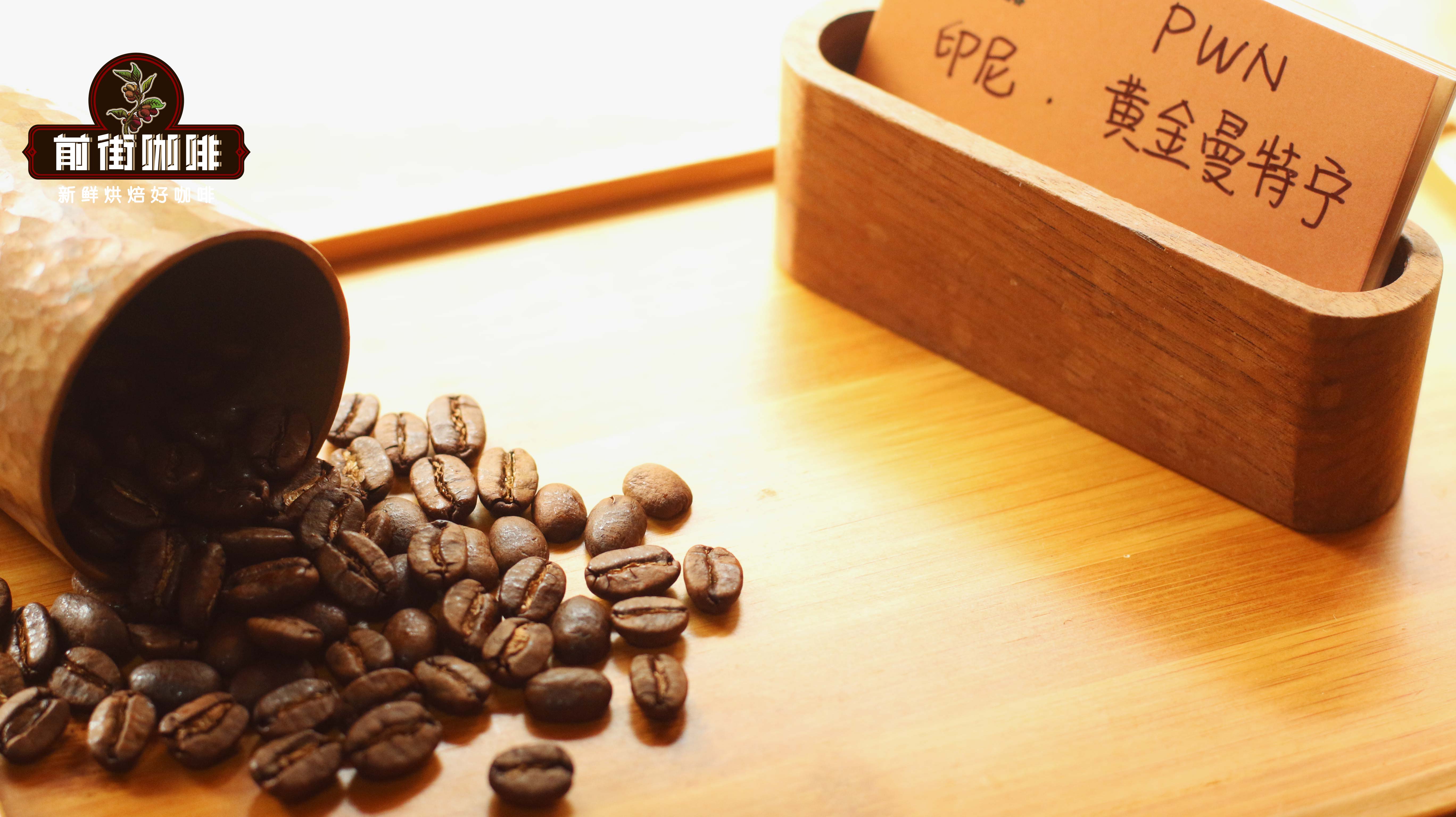
Next, let’s focus on a few common types of Mandheling coffee beans and learn about their actual specifications and flavor characteristics. First is a certain brand’s PWN Golden Mandheling. This bean is a high-grade G1 single-origin from the Sumatran Mandheling region of Indonesia. Its green bean selection criteria are extremely strict—it must consist of whole beans larger than eighteen mesh, with no more than three defective beans per 300-gram sample. These beans undergo three rounds of manual sorting to ensure no impurities or off-flavors, resulting in a cleaner taste and brighter sweetness when brewed. It is especially suitable for dark roasts, which can bring out intense notes of spice, caramel, and woodiness. Additionally, authentic imported PWN Golden Mandheling comes with a PWN certification label on the sack and relevant origin certificates, which consumers can use to verify authenticity.
Another common Mandheling is a certain brand’s Lintong Mandheling, grown in the Lintong mountain area in north-central Sumatra, near Lake Toba, at an altitude of about 1100 to 1600 meters. This bean is also processed using Indonesia’s unique wet-hulled method, which results in lower acidity and a stronger body in its flavor profile. Common flavor descriptions include toasted bread, nuts, caramel, pine, and herbs—making it very suitable for drinkers who prefer a rich and mellow taste. Lintong Mandheling is often seen as an entry-level everyday bean, offering great value for money and suitable for daily brewing or making pour-over bags.
As for commercial espresso blend beans, they are the base beans most coffee shops use for daily service. These blends usually combine beans from different regions, such as Brazil and Colombia, and may include around 10% Robusta beans to enhance the crema and body of the espresso. Common flavor characteristics include caramel sweetness, nutty and cocoa notes, and a finish of dark chocolate bitterness—with balanced acidity and sweetness and a long-lasting aftertaste. These blend beans are highly stable and rich in crema, making them perfect as the base for specialty coffee drinks like lattes and cappuccinos.
In summary, although both Mandheling and espresso feature intense bitterness, they actually differ greatly in bean origin, roast degree, brewing method, and flavor expression. Single-origin Mandheling is ideal for coffee lovers who enjoy exploring regional characteristics, layers of acidity and sweetness, and hand-brewing methods, while espresso emphasizes intense flavor and crema performance, often relying on blends. If you prefer pour-over bags, you can choose high-quality dark-roast Mandheling, such as PWN Golden Mandheling or Lintong Mandheling, based on your taste preferences, to enjoy a deep and layered coffee experience.
The above content is compiled by CoffeeHunters, a coffee news website.


