







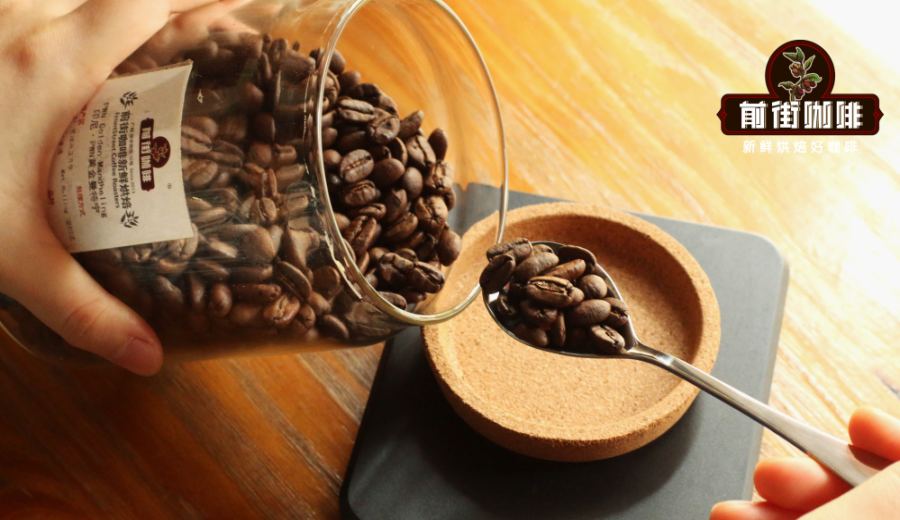
Introduction:For coffee enthusiasts who enjoy bold, rich flavors with low acidity, Indonesian Mandheling is undoubtedly a familiar name. This article delves into the classic PWN Golden Mandheling, exploring its characteristics from the high-altitude regions of Sumatra and how its unique wet-hulling process brings out flavors of chocolate, caramel, and spices. Whether you're just starting out or looking for a new pour over option, this guide will help you understand bean selection and tasting essentials.
For coffee drinkers who prefer a strong flavor profile without pronounced acidity, Indonesian Mandheling is often the top choice. This classic coffee from Sumatra is known for its low acidity, slight sweetness, dark chocolate notes, and full-bodied texture. Among them, PWN Golden Mandheling is especially cherished by coffee aficionados for its balanced flavor and clear layers, making it ideal for experiencing the unique charm of Indonesian coffee.
As one of Indonesia’s major specialty Arabica-producing regions, although over 90% of the country’s coffee is the mass-produced Robusta variety—mostly grown at lower altitudes on Java and Bali—about 10% of production in the high-altitude areas of northern Sumatra, Sulawesi, and parts of Java consists of refined Arabica beans. These high-altitude beans offer richer aromas and complexity, with names like Mandheling and Golden Mandheling holding a notable place in the global specialty coffee market.
The unique flavor profile of Mandheling is not only related to the region’s altitude, microclimate, and coffee variety but most crucially to its use of the “wet-hulling” process. This Indonesia-specific method has a decisive impact on the final flavor direction of the beans. Compared to common washed or natural processing methods, wet-hulling not only accelerates the drying process but also gives Mandheling its distinctive low acidity, bold body, and subtle spicy and herbal notes.
The so-called wet-hulling process involves removing the outer skin and pulp of the coffee cherry, then soaking the mucilage-covered seeds (parchment beans) in water to remove any floating defective beans. The denser parchment beans that sink are then lightly rinsed and placed in buckets or plastic bags for a short period of dry fermentation. Next, the beans are moved to the sun to dry for about one to two days, reducing the moisture content to 30–50%. At this semi-hard, semi-soft stage, a specialized hulling machine is used to remove the parchment layer, after which the beans continue drying to speed up the overall process. Typically, within two days the moisture content drops to 12–13%, and the entire procedure is completed in about four days. While this method improves processing efficiency, hulling the beans before they are fully dry can lead to defects, but it also contributes to Mandheling’s signature bold and deep flavor profile.
The focus of this article, PWN Golden Mandheling, comes from the high-altitude regions around Lake Tawar in Gayo, Aceh, Sumatra. Grown at elevations between 1350 and 1500 meters, it is a classic high-altitude Arabica variety of the Ateng type. Processed using the traditional wet-hulling method, this coffee retains the classic low acidity of Mandheling while showcasing captivating notes of spruce, dark chocolate, and nuts. With a full body and distinct layers, it stands as a representative of Indonesia’s premium beans.
In addition to its clear flavor profile, PWN Golden Mandheling also excels in cleanliness and sweetness among Indonesian beans. If you’re looking for a coffee bean suitable for brewing with a pour over, French press, or AeroPress, this bean’s stable extraction performance and rich mid-to-late aroma make it well worth a try. For pour over, we recommend a medium-light to medium roast level, with a medium-fine grind (similar to superfine sugar), a water temperature of 90–92°C, and a coffee-to-water ratio of 1:15 to 1:16 to best highlight its chocolatey and nutty finish.
In summary, PWN Golden Mandheling is not only one of the representatives of Indonesia’s specialty coffee but also an excellent choice for experiencing the unique flavors of Sumatra’s wet-hulling process. Whether you’re new to coffee or an experienced enthusiast, this bean offers a distinctive taste experience. If you have a particular fondness for low-acidity, full-bodied coffee with spicy and chocolatey notes, this classic Indonesian bean is a great place to start your exploration.
The above content is compiled by CoffeeHunters, a coffee news website.


