







Introduction:Freshly roasted coffee beans are actually still in their "degassing period." Brewing them directly can lead to unstable extraction and make it difficult to fully showcase their flavors. This article delves into the science behind coffee resting (养豆) and blooming (醒豆), provides precise waiting time recommendations based on roast levels, and explains how to properly store coffee beans to extend their peak flavor period. Whether you're a pour over enthusiast or a beginner, you’ll learn the key steps to making your coffee taste better.
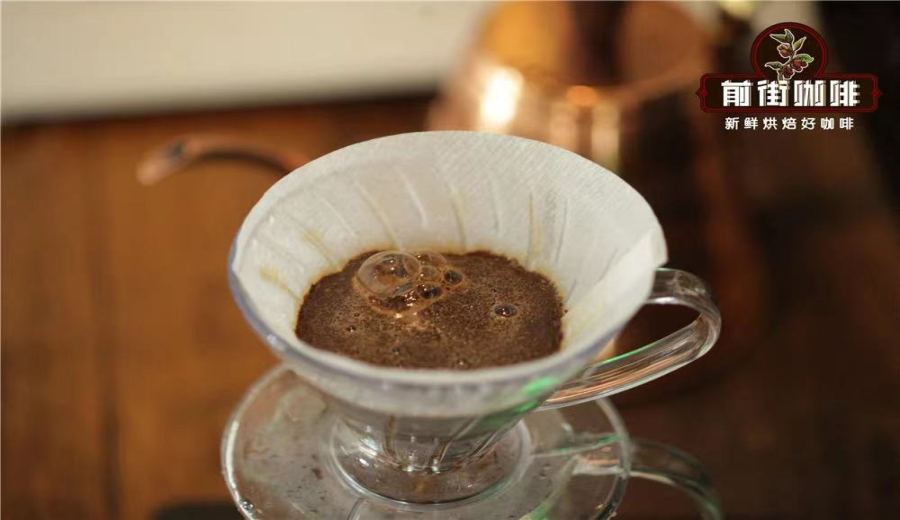
Many coffee beginners, upon receiving freshly roasted beans, are eager to brew them right away. However, at this stage, the beans are still releasing carbon dioxide — a process we call "resting." The act of exposing the beans to air to balance internal and external pressure and help develop their flavors is called "blooming." These two steps are crucial for ensuring stable extraction and preserving the full spectrum of flavors.
During the roasting process, the high temperatures cause dramatic structural changes inside the coffee beans while also releasing large amounts of carbon dioxide. Right after roasting, due to thermal expansion and contraction, the CO₂ is temporarily “trapped” within the beans before being slowly released. While these gases help preserve aroma in the short term, too much carbon dioxide can interfere with the stability of water flowing through the coffee grounds, affecting extraction evenness and overall flavor.
Resting refers to storing the coffee beans in packaging with a one-way degassing valve, allowing the CO₂ to escape naturally while preventing oxygen from entering and causing oxidation — thanks to the valve’s one-way design. Blooming, on the other hand, occurs after resting is complete, when the beans are exposed to air for a short period to allow their flavors to become more balanced and smooth.
The required resting time varies depending on the roast level. Generally speaking,Light to medium roast (such as light roast with milk chocolate color tones)is recommended to rest for3 to 4 days,as these beans have more delicate flavors and brewing them too early may result in grassy or astringent notes.Medium roast (such as cinnamon-toned beans)is advised to rest for4 to 5 days,as beans in this range usually achieve better balance and suit most brewing methods.Medium to dark roast (such as dark chocolate-toned beans)due to the deeper roast level and greater accumulation of internal carbon dioxide, require6 to 7 daysof resting time to allow sufficient gas release and achieve a rounder flavor profile.
It’s worth noting that the roast date is usually printed on the back label of each coffee package. It’s best to calculate the resting time based on this date. If you’re not planning to brew the beans immediately after receiving them, you can continue storing them in their original packaging, letting the built-in one-way valve release CO₂ naturally. If the original packaging has been opened, you can transfer the beans to an opaque, airtight container to avoid exposure to light, which accelerates flavor loss.
Although some coffee shops display their beans in transparent jars, prolonged exposure to light can cause rapid aroma loss if the beans aren’t consumed soon. For home storage, it’s best to use opaque ceramic, glass, or metal containers with tight seals, and to keep them in a cool, dry, and low-temperature environment. If you must use a transparent container, make sure to place it in a shaded spot, such as inside a cupboard or drawer.
In addition, although roasted coffee beans can theoretically be stored for up to a year, their volatile aromatic compounds will gradually diminish over time, affecting overall flavor. Therefore,freshly roasted coffee beans are generally considered to be at their peak flavorwithin 30 days after the resting period. Brewing them during this window allows you to experience the richest complexity and the coffee’s unique character.
In summary, resting and blooming are critical stages that influence the final cup quality. Understanding the appropriate resting times for different roast levels and using proper storage methods ensures that every pour over cup expresses its optimal flavor potential. Whether you’re using a French press, pour over dripper, or AeroPress, mastering these fundamentals can significantly enhance extraction quality and your drinking experience.
The above content is compiled by CoffeeHunters, a coffee news website.


