








Introduction:As a globally renowned Ethiopian coffee-growing region, Yirgacheffe is celebrated for its distinctive citrus and floral flavor notes, making it a popular entry point for many beginners stepping into specialty coffee. This article delves into the terroir, microclimate characteristics, and native varietal genetics of Yirgacheffe. It also provides a detailed look at the two main processing methods—washed and natural—as well as the flavor profiles and practical pour-over brewing parameters for two representative cooperative beans, helping you fully grasp the characteristics of this classic origin.
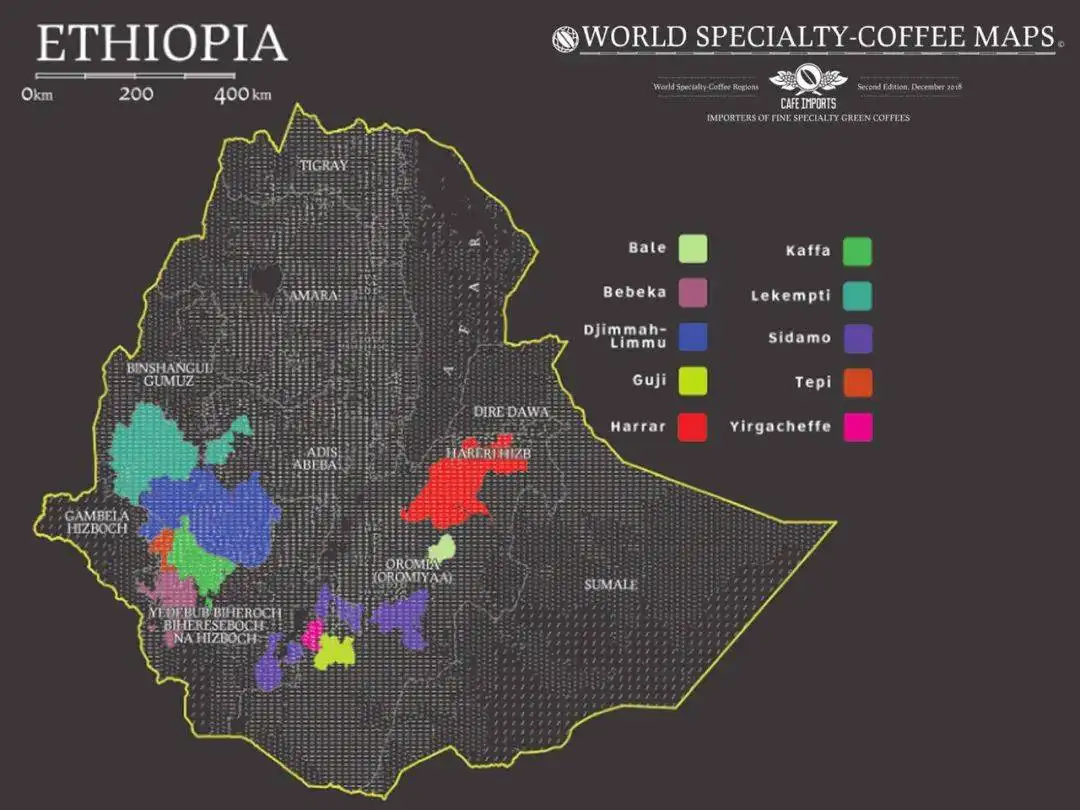
Yirgacheffe (Yirgacheffe) is considered a “holy land” for many coffee enthusiasts. That cup of coffee filled with bright citrus aromas and crisp white floral notes is always unforgettable on first try. This small town, located in Ethiopia’s Sidamo region, sits at an altitude exceeding 2,000 meters with a mild climate and frequent fog—key factors in nurturing its uniquely recognizable coffee flavors.
Ethiopia is regarded as the birthplace of coffee, home to a wide array of wild and semi-wild Arabica varieties. Most of the coffee beans from Yirgacheffe are local landraces, commonly referred to as “Heirloom.” These varieties feature small beans with irregular shapes, mostly between 14 and 15 screens, and their rich genetic diversity gives rise to distinct regional flavors.

Nestled in the highlands, Yirgacheffe enjoys a cool climate with significant day-night temperature variation, which slows down the ripening process of coffee cherries—beneficial for the accumulation of aromatic compounds and flavor precursors. The area practices garden-style cultivation, where coffee grows alongside other crops. This not only helps maintain ecological balance but also allows coffee trees to thrive stably within diverse microenvironments. The primary harvest season runs from October to January each year, during which farmers carefully select ripe red cherries to ensure quality in subsequent processing.
In terms of processing techniques, Ethiopia originally relied mainly on traditional natural drying. However, due to environmental limitations, consistent quality was hard to achieve. It wasn’t until 1972, when the government introduced washed processing technology, that the flavor profile of Yirgacheffe coffee began to undergo a revolutionary transformation. Washed processing significantly reduces off-flavors, highlighting the beans’ inherent bright acidity and delicate floral notes, thus establishing its classic traits of being “bright, clean, and balanced with sweet acidity.”
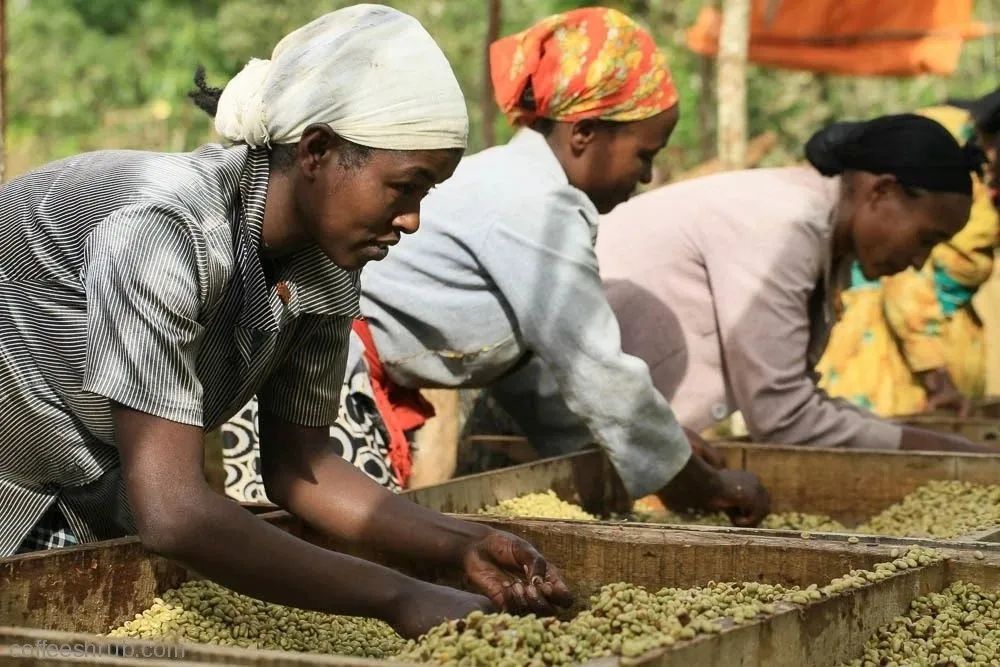
The washed process includes: first using flotation to remove unripe beans, then stripping the pulp and flesh, followed by fermenting the beans in tanks for 18 to 36 hours until the mucilage breaks down. Residual mucilage is then washed away with water, and finally, the parchment-covered beans are evenly spread on African raised beds to dry slowly in the shade until they reach the desired moisture content. This rigorous series of steps is key to ensuring the clarity and layered complexity of Yirgacheffe’s flavor.
Besides washing, natural drying is another important processing method for Yirgacheffe, with one of the most iconic examples being the “Operation Cherry Red Project.” Launched in 2007 by Dutch trader Trabocca BV, this initiative aims to enhance overall coffee quality by raising harvesting standards, improving processing techniques, and providing farmers with financial and technical support. This program selects only 100% ripe red cherries and dries them naturally for at least 27 to 30 days, resulting in coffee that boasts intense fruitiness, winey fermentation notes, and rich sweetness.
Another noteworthy product is the washed beans from the Gatta Dingding Cooperative. Composed of about 300 smallholder farmers, the co-op adheres to traditional washed processing techniques and is hailed as “the last pure land of Yirgacheffe.” Its coffee is widely praised for its clean, bright acidity, delicate floral notes, and soft citrus character. The cup offers a refreshing lemon-like brightness on the entry, with a jasmine floral finish, delivering an overall balanced and well-layered experience.
Yirgacheffe’s global popularity is closely tied to its light roasting approach. Light roasting preserves more of the unique fruit acids and aromas inherent to native varieties, while avoiding the excessive bitterness and monotonous roasted notes often brought by darker roasts. Its flavor profile often includes lemon, citrus, white floral tones, berries, licorice, and even hints of light black tea or creamy notes on the finish—a classic bean that can satisfy both those who love acidity and those seeking complex layers.
If you’d like to brew a cup of authentic Yirgacheffe at home, here are some common V60 pour-over reference parameters suitable for most washed Yirgacheffe beans:
Dripper: V60
Water Temperature: 92–93°C
Coffee Dosage: 15 grams
Coffee-to-Water Ratio: 1:15
Grind Size: Fine sugar-like (approximately 78% passing through a #20 sieve)
Suggested Steps: Start with a 30-second bloom using 30 grams of water, then pour 95 grams (total ~125 grams), and around the 1-minute mark add another 100 grams (total ~225 grams). Keep the total extraction time around 2 minutes and 10 seconds. This parameter helps highlight the bean’s fruit acids and aromas, while maintaining a clean taste with a lingering sweetness.
In summary, Yirgacheffe is not only a symbol of Ethiopia’s specialty coffee but also an important window for global coffee lovers to explore flavor diversity. Whether you prefer the bright and clean profile of washed coffee or the rich and complex character of natural-processed beans, the coffee from this highland region is sure to offer you unique surprises and lingering enjoyment.
The above content is compiled by CoffeeHunters, a coffee news website.


