







Introduction:Have you ever avoided Robusta just because it’s “too bitter”? In fact, this often underestimated coffee variety plays a crucial role in espresso and blends. This article delves into the botanical background, flavor characteristics, and practical applications of Robusta, helping you understand how it forms the soul of a rich cup of coffee—and debunks common misconceptions.
In today’s era of growing specialty coffee popularity, Arabica is undoubtedly the market favorite. In contrast, Robusta is often dismissed due to stereotypes of being “bitter” and “cheap.” But is it really that bad? In truth, once you take a closer look, you’ll find that Robusta is not only a key contributor to the attractive crema in espresso, but also an indispensable element in many blends.
The Positioning and Misconceptions of Robusta
Many people tend to equate Arabica with high-quality specialty coffee. In fact, about 70% of the world’s coffee production comes from Arabica. By comparison, Robusta’s flavors are often described as strong and bitter, making it less appealing to the average consumer. But is this evaluation fair? Not really. For example, one commercial espresso blend cleverly incorporates 10% Robusta beans to enhance the overall flavor complexity and intensity.
The Importance of Robusta in the Coffee Industry
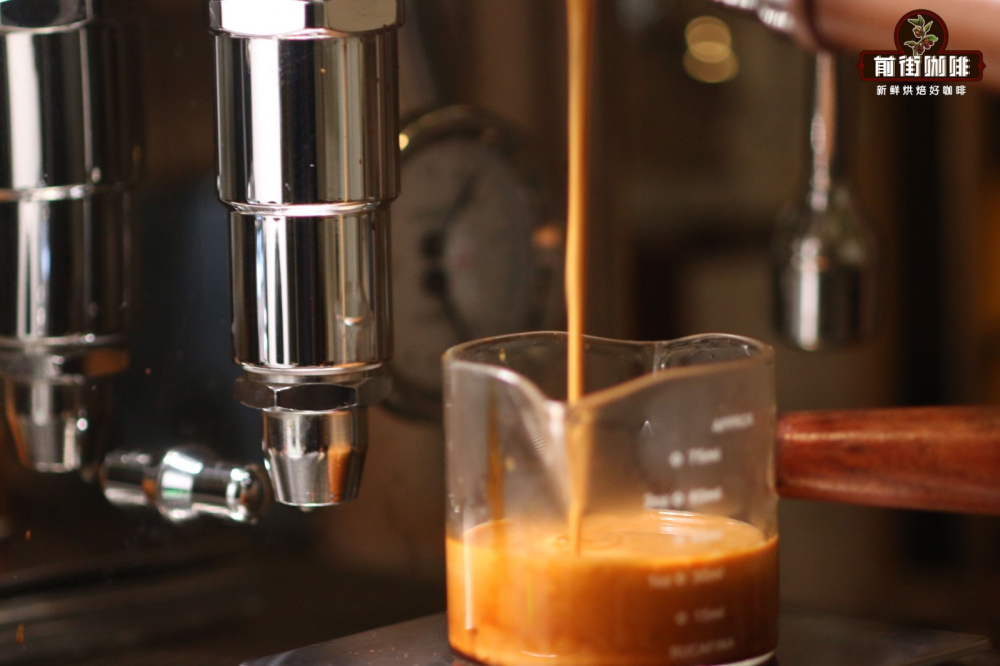
Although often seen as a supporting player, Robusta holds a significant position in commercial coffee. Especially in traditional espresso cultures like Italy, the addition of a small amount of Robusta can noticeably improve the body and crema performance of the coffee. This crema is key to the captivating flavor and mouthfeel of espresso. Without it, that golden, thick crema might be greatly diminished.
To make an authentic espresso, high-quality Robusta is typically blended in proportion with an Arabica base. Premium Robusta can enhance the overall taste of the coffee, adding richness, unique aromas, and making the crema more voluminous and visible. With careful tasting, you might even detect subtle notes of chocolate or cocoa.
When such espresso is combined with milk, the complementary effect between Robusta and Arabica becomes even more apparent. The former compensates for the latter’s lack of body, making the overall drink more full and rich. Although its flavor profile may not be as delicate as Arabica’s, Robusta has irreplaceable functional and value advantages in commercial and technical contexts.
Basic Knowledge of Coffee Plants
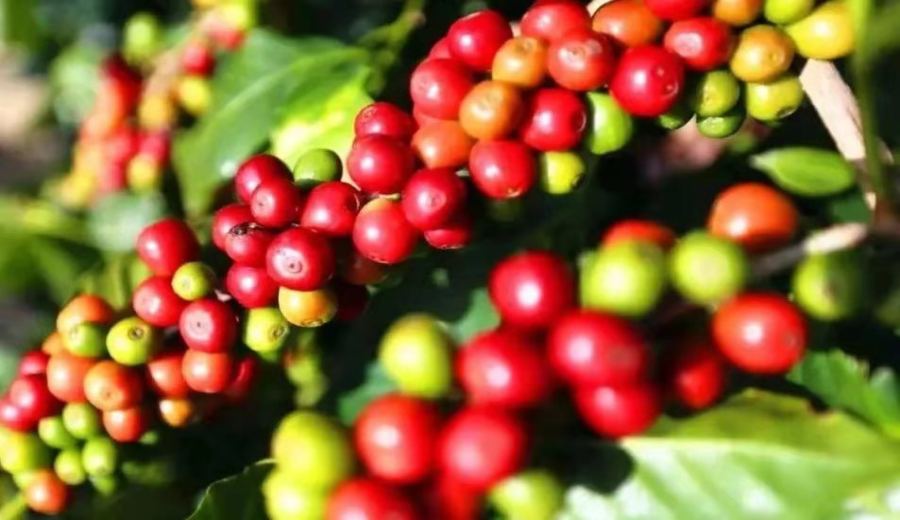
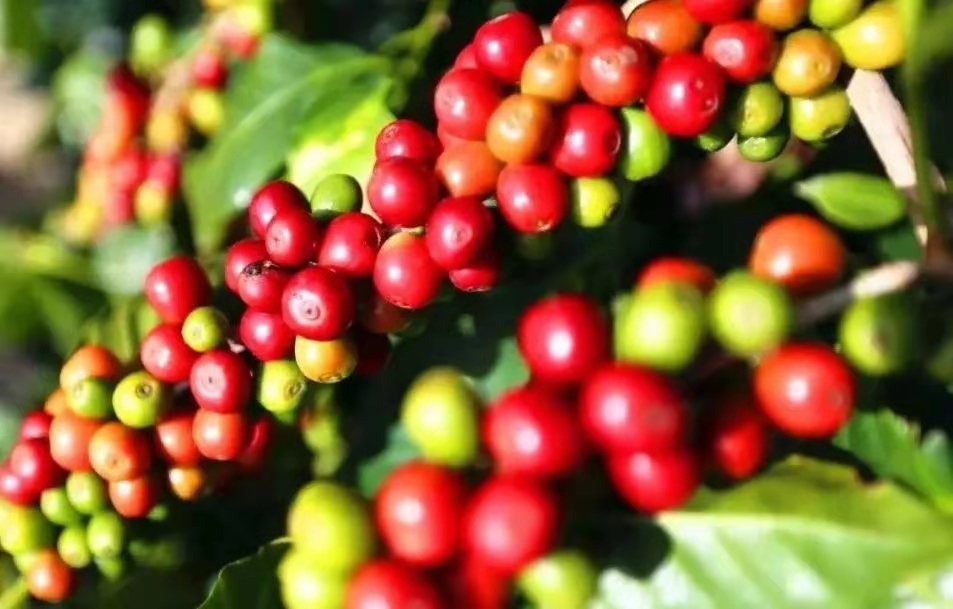
Coffee belongs to the Rubiaceae family, and its fruit is commonly known as the coffee cherry, which turns red or purple when ripe, resembling cherries in appearance. Each coffee cherry usually contains two seeds, which are what we commonly refer to as coffee beans. A single coffee tree can produce about 0.9 kilograms of green beans per year. Although there are hundreds of coffee varieties worldwide, the ones mainly used for commercial cultivation are Arabica and Robusta, with Arabica accounting for about 70%.
These coffee trees mostly grow within the “coffee belt” between the Tropic of Cancer and the Tropic of Capricorn. This region enjoys stable climate, abundant sunshine, moderate rainfall, and has well-drained, organic-rich soil. Places such as Brazil, Colombia, Ethiopia, Indonesia, as well as China’s Yunnan and Hainan, are all renowned coffee-producing regions, each fostering unique flavor profiles due to differences in microclimate and soil.
Comparison of Arabica and Robusta Characteristics
Arabica, grown at higher altitudes and with stricter environmental requirements, boasts a mild, sweet acidity and rich aroma, making it widely favored by consumers. Research shows that Arabica contains nearly twice the sucrose content of Robusta. These sugars convert into various aromatic compounds during roasting, giving the coffee more layered aromas and sweetness.
In contrast, Robusta has an extremely strong adaptability to the environment. It can withstand high temperatures, drought, humidity, and has excellent resistance to pests and diseases. As a result, it is mostly grown at lower altitudes, which not only makes management easier but also helps reduce production costs. For this reason, Robusta is usually more affordable. Additionally, its caffeine content is much higher than that of Arabica, resulting in a bolder, even slightly rough flavor profile, but also granting it stronger antioxidant properties and a greater stimulant effect.
The Unique Flavors and Uses of Robusta
Strictly speaking, Robusta should be called the Canephora variety. Originating from the Congo Basin in West Africa, its high environmental adaptability and strong yield potential have made it one of the pillars of commercial coffee. Its beans are usually smaller, slightly flat and round in shape, with a strong and distinctive bitterness, primarily due to its higher chlorogenic acid content (about 7% to 10%). If processed improperly, it can easily develop earthy or off-flavors, but with refined processing, it can exhibit complex aromas such as nuts and chocolate.
Robusta is generally used for dark roasting or making instant coffee, as its per-unit coffee liquid output is almost double that of Arabica, making it suitable for large-scale commercial applications. Globally, Robusta accounts for about 25% to 35% of total production, with major producing regions including Indonesia, Vietnam, and several West African countries. Among them, washed Robusta produced in certain parts of Indonesia is one of the few varieties that can be enjoyed as a single origin.

Although Robusta is often overlooked due to its less appealing flavor, the rich crema it releases after dark roasting is a treasure in the eyes of many professional baristas. For example, one commercial espresso blend includes 10% washed Robusta, paired with Colombian washed (30%) and Brazilian pulped natural (60%), creating an espresso with thick crema and intense aroma. It has a smoky bitterness upon entry, but is followed by a creamy, full-bodied mouthfeel, with a long-lasting and layered aftertaste.
Brewing and Storage Recommendations for Robusta
No matter which type of coffee bean you choose, freshness is the most critical factor affecting flavor. It is recommended that consumers select beans roasted within five days prior to purchase, and pay attention to an appropriate resting period, generally 4 to 7 days, to allow the beans to reach their optimal flavor state.
If you purchase coffee powder, since oxidation accelerates after grinding, it is advisable to use it as soon as possible to preserve the flavor. For the best drinking experience, it is recommended to prioritize whole beans and grind them fresh before brewing, so you can fully appreciate the subtleties and layers of the coffee.

The above content is compiled by CoffeeHunters, a coffee news website.


