







Introduction:Kenyan coffee is renowned for its distinctive berry acidity and high-quality flavor profile, but its charm extends far beyond a generalized national impression. In reality, the country’s diverse coffee-growing regions produce unique flavor characteristics due to differences in terrain, climate, and processing methods. This article delves into three of Kenya’s most celebrated specialty coffee regions—Nyeri, Kirinyaga, and Muranga—comparing their regional traits and cupping data to uncover the subtle differences in their washed AA processing, while reminding readers that flavor is influenced by multiple variables and cannot be defined by a single origin.
Kenya is not only a key coffee-producing nation in Africa but also holds a distinguished place in the global specialty coffee market thanks to its intense, layered berry acidity. However, generalizing all Kenyan beans as simply "Kenyan" makes it difficult to truly appreciate the diversity and subtlety of its flavors. In fact, Kenya can be divided into seven major coffee-growing regions, with Nyeri, Kirinyaga, and Muranga being the most prominent in the specialty coffee scene. These regions vary greatly in geography and flavor expression, particularly when processed as washed AA, where their uniqueness truly shines.
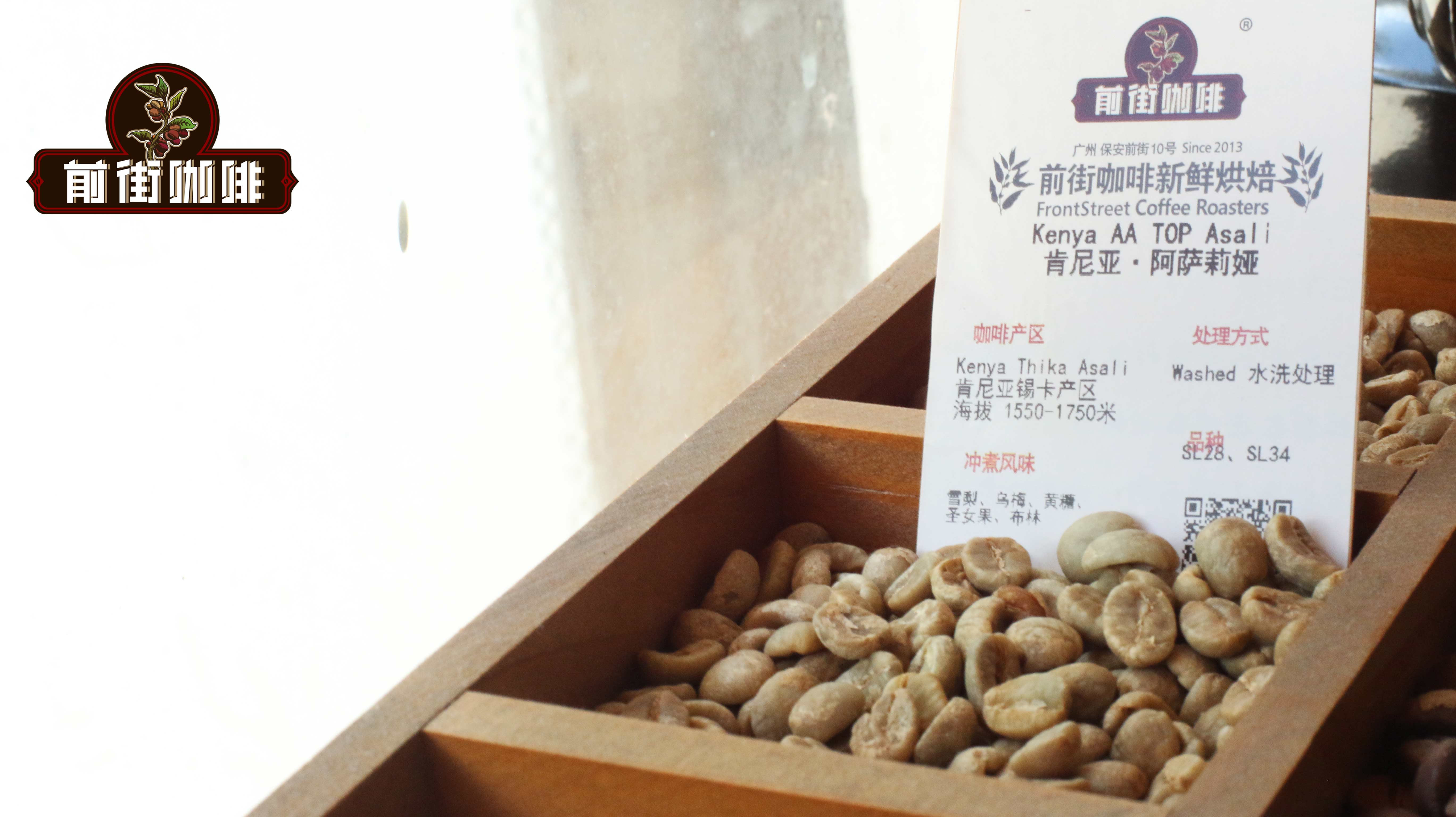
Kenya has a long history of coffee cultivation. Blessed with ideal geographic conditions—including high altitudes and fertile volcanic soils—its coffee is famed for its high acidity, rich fruitiness, and full body. Yet, as consumers increasingly seek transparency and detailed flavor profiles, a single-country label no longer suffices. To truly understand Kenyan coffee, we must explore its regions and how different environments shape the character of the beans.
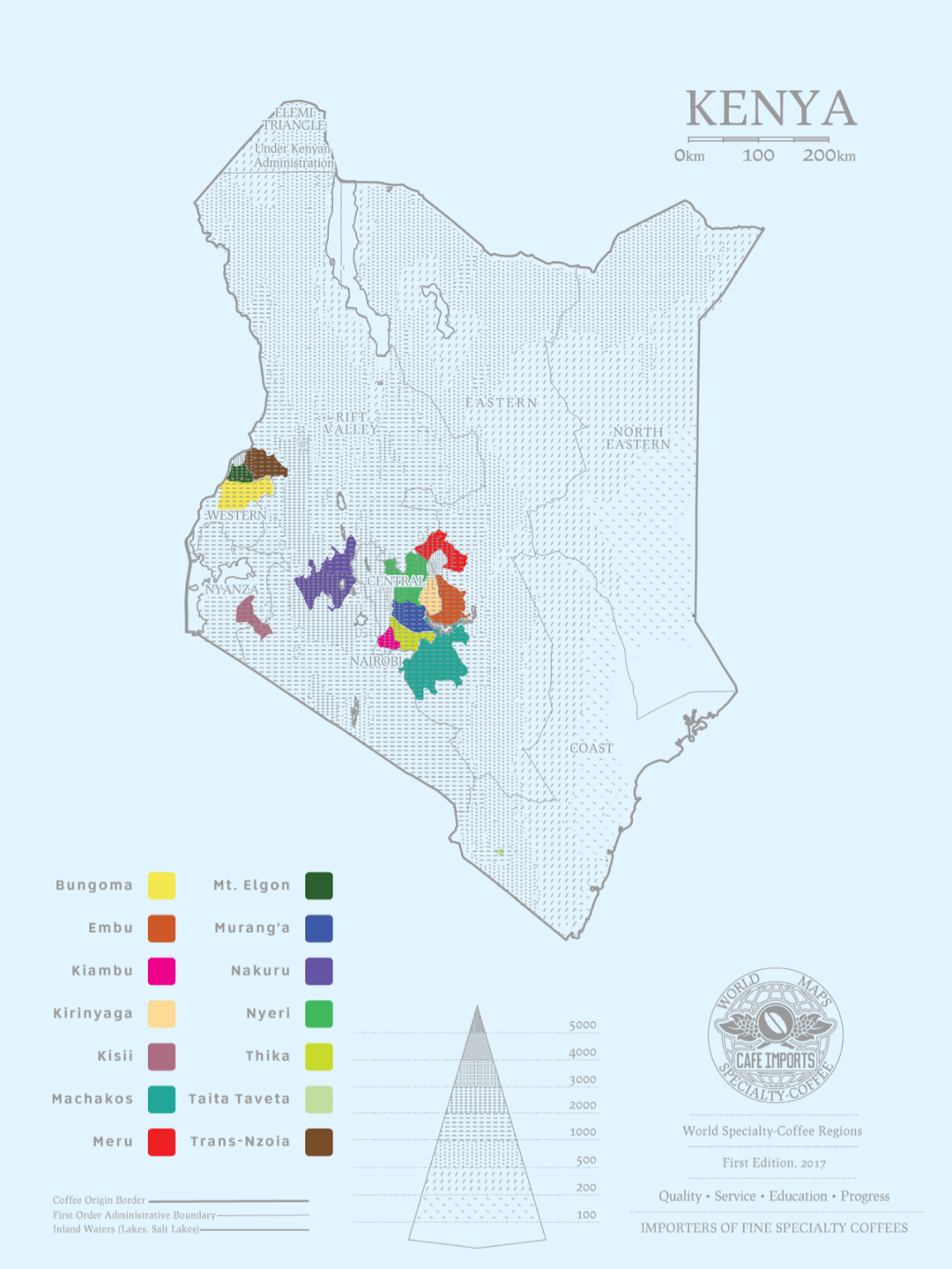
Kenya’s main coffee-growing regions include Thika, Kirinyaga, Mt. Kenya West, Nyeri, Kiambu, Ruiru, and Muranga. Among these, Nyeri, Kirinyaga, and Muranga are considered the core of the specialty coffee scene. These areas are largely operated by smallholder cooperatives and are known for their rigorous production and processing standards, yielding consistent, high-quality washed AA coffee.
Nyeri Region: The Perfect Balance of Berries and Honey
Located in central Kenya, adjacent to Mount Kenya—the country’s second-highest peak—Nyeri is one of Kenya’s most famous coffee-growing regions. It is renowned for its mineral-rich red soil, making it an ideal environment for high-quality coffee. Nyeri is primarily operated by cooperatives of smallholder farmers, with large estates being relatively rare. Elevations range from 1,200 to 2,300 meters, with the main harvest season occurring from October to December and a secondary season from June to August. Commonly cultivated varieties include SL-28, SL-34, Ruiru 11, and Batian.
Cupping results show that Nyeri’s washed AA coffee typically exhibits bright blackberry and citrus notes, balanced with moderate sweetness and a honey-like smooth texture. Some batches even feature a creamy aftertaste. Coffee grown at higher altitudes tends to have more vibrant and complex acidity, maintaining good acidity even when brewed at lower temperatures.
Kirinyaga Region: Fruity Notes and Nutty Finish Amidst the Mountains
Bordering Nyeri, Kirinyaga is situated on the slopes of Mount Kenya and is poetically referred to as the "White Highlands." Like Nyeri, this region is primarily composed of smallholder cooperatives and relies on collective processing facilities to maintain flavor consistency. Elevations range from approximately 1,300 to 1,900 meters, with the main harvest season from October to December and a secondary season from June to August. The dominant varieties are also SL-28, SL-34, Ruiru 11, and Batian.
Cupping data indicates that Kirinyaga’s washed AA coffee often presents rich berry tones, pronounced sweetness, and develops enticing roasted nut and cereal notes as it cools. The region’s coffee is known for its layered complexity and solid body, making it a favorite among many coffee enthusiasts. Additionally, its flavor stability makes it an excellent choice for beginners exploring pour over or drip brewing.
Muranga Region: Inland Berry and Green Tea Notes
Located in Kenya’s Central Province, Muranga is one of the earliest settlements of missionaries and boasts a long history of coffee cultivation. The region is home to around 100,000 coffee farmers, most of whom operate on a small scale. Elevations range from 1,350 to 1,950 meters, with harvest periods similar to other major regions, and varieties including SL-28, SL-34, Ruiru 11, and Batian.
Cupping observations reveal that Muranga’s washed AA coffee is characterized by prominent berry notes, accented by subtle floral tones and a refreshing green tea-like finish. The overall profile is relatively bright and clean, with lively yet non-aggressive acidity, making it suitable for drinkers who prefer lighter-bodied coffee. The region’s coffee often showcases straightforward fruit acidity and herbal qualities, adding a distinct dimension to Kenya’s flavor spectrum.
Overall, although these three Kenyan regions all employ washed processing and share similar primary varieties, subtle differences in altitude, microclimate, and soil result in markedly diverse flavor profiles. For example, Nyeri excels in the harmony of honey and berries, Kirinyaga showcases layered nutty and roasted aromas, while Muranga stands out with its fresh berry and herbal notes.
However, it’s important to note that region is just one factor influencing flavor. Altitude directly affects acidity, with higher elevations generally producing brighter, livelier acidity. Processing details—such as fermentation time and water temperature—can also significantly alter the final flavor. Even within the same region, varying farming practices among farmers can lead to nuanced differences in bean performance. Therefore,do not treat regional flavors as absolute standards, as actual tasting should always consider multiple factors.
For instance, within the Nyeri region itself, coffee from higher altitudes often displays stronger acidity and fruitiness, while lower-altitude batches may have gentler acidity and more pronounced sweetness. The same variety and processing method can yield vastly different results across elevations, often defining the character of a cup.
Beyond the three regions mentioned, other parts of Kenya—such as Thika—also produce uniquely flavored coffee. Some batches from Thika, for example, exhibit distinct cherry tomato acidity and floral notes, making them excellent choices for everyday drinking. Whether you’re a beginner or a roaster chasing ultimate flavor, Kenya’s diversity is well worth exploring. By understanding the subtle differences between regions, you can more precisely select the coffee experience that best suits your palate.
The above content is compiled by CoffeeHunters, a coffee news website.


