







Introduction:Jamaican Blue Mountain coffee is renowned worldwide for its delicate and balanced flavor and high price, making it the dream bean for many coffee enthusiasts. But what makes Blue Mountain coffee so special? Why has it become a representative of the world’s top-tier coffee? This article will delve into the growing environment, grade classifications, harvesting challenges, and unique flavors of Jamaican Blue Mountain coffee, while also analyzing the reasons behind its high price. Additionally, practical pour over brewing suggestions are provided to help readers gain a more comprehensive understanding of this legendary coffee.
When it comes to coffee, many people’s first impression might be strong bitterness or pronounced acidity. However, there is also a category of coffee that showcases a balance of sweetness and acidity, with a smooth and mellow mouthfeel. Jamaican Blue Mountain coffee is a standout in this regard. This coffee from the Caribbean island is not only known for its silky-smooth texture but also commands a high price due to its rarity and premium quality. What kind of flavor characteristics does Blue Mountain coffee possess? Why is its price always so daunting? This article will take you on an in-depth exploration of this coffee hailed as the best in the world, from aspects such as growing altitude, variety background, harvesting process, and grading system.
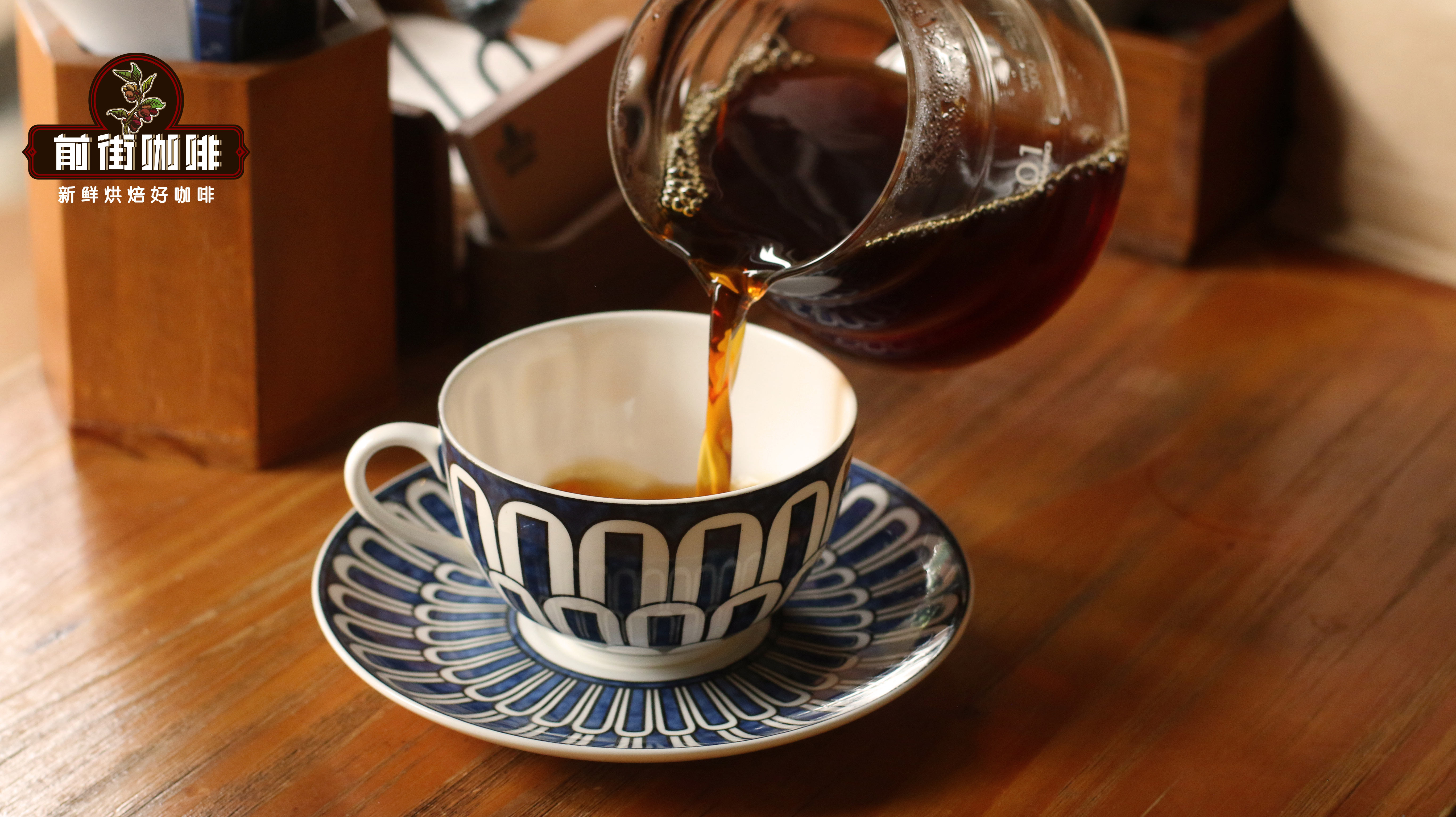 The reason why Blue Mountain coffee is so highly regarded lies in its extremely balanced flavor profile — its acidity is low yet vibrant, its sweetness is pronounced, and it often carries soft notes of dark chocolate and nuts upon entry. The finish is long-lasting with a hint of sweetness. Many first-time tasters are amazed by its delicate mouthfeel, with almost no sharp acidity or excessive bitterness commonly found in regular coffee, resulting in an overall very harmonious performance.
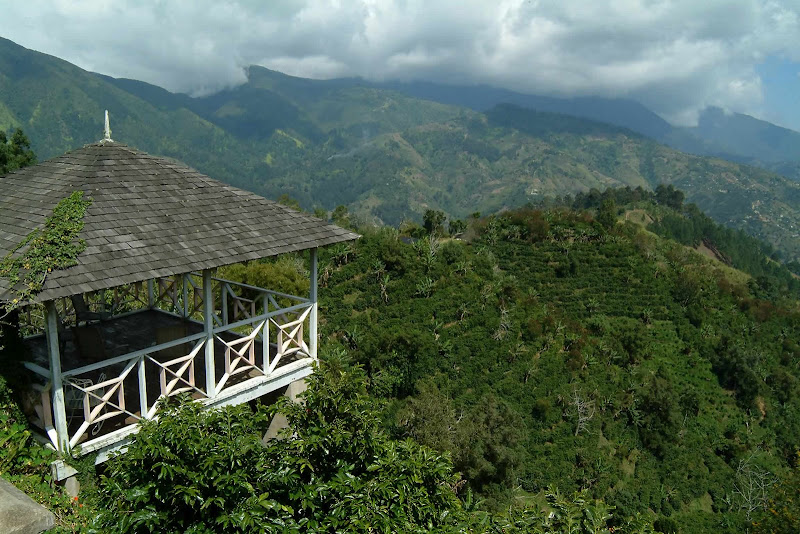
So, why is Blue Mountain coffee so expensive? In fact, although there are many coffee products on the market that claim the “Blue Mountain” name, authentic coffee from the Jamaican Blue Mountain growing region is very limited. The growing conditions of Jamaican Blue Mountain coffee are exceptionally favorable, not only nourished by volcanic soil but also benefiting from high altitude and a unique microclimate. The Blue Mountains are located in the eastern part of Jamaica, surrounded by the clear waters of the Caribbean Sea. The terrain is steep, the climate is foggy and rainy, the air is fresh, and the temperature is moderate. These factors together create the extraordinary quality of Blue Mountain coffee.
It is worth mentioning that the name “Blue Mountains” comes from its unique visual landscape. When sunlight shines on the blue sea, the mountains reflect a soft blue glow, hence the name “Blue Mountain.” This area is not only scenic but also one of the few places in the world capable of producing premium-quality coffee. However, due to the rugged terrain, coffee trees are mostly planted on steep slopes, making the harvesting process extremely difficult. It relies almost entirely on experienced local female pickers who manually select ripe fruits, which greatly increases production costs and labor burden.
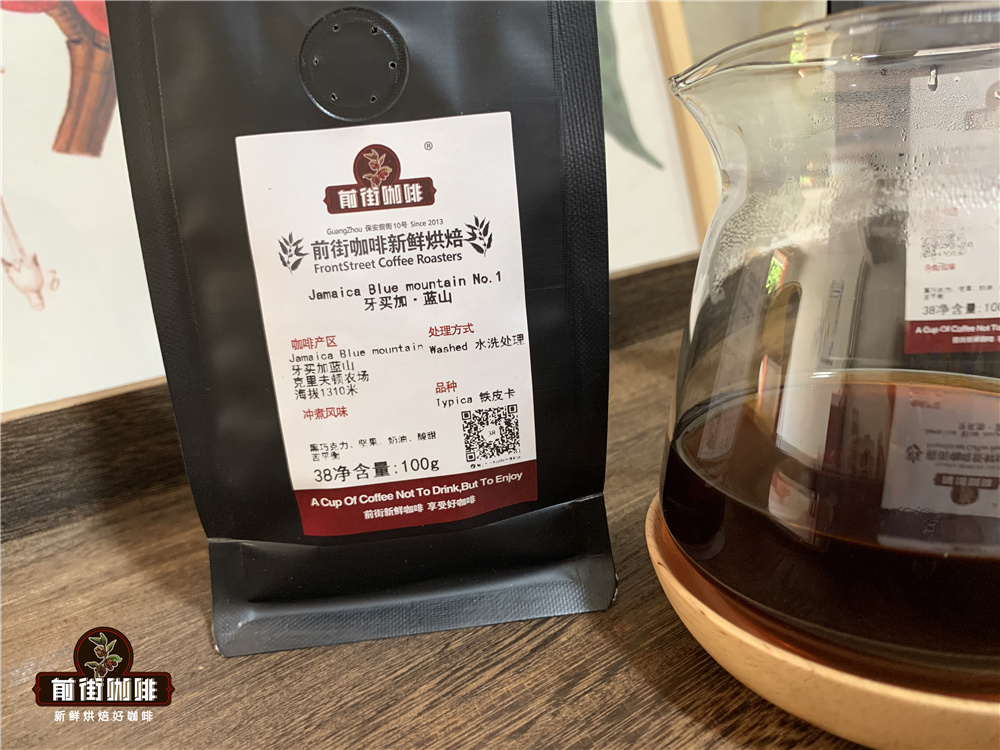 Jamaican Blue Mountain coffee is divided into four grades based on planting altitude and quality: NO.1, NO.2, NO.3, and PB (Peaberry). Only coffee beans grown at altitudes between 1,000 and 1,700 meters can be officially certified as Jamaican Blue Mountain coffee. NO.1 is the highest grade, featuring uniformly plump beans with an extremely low defect rate and the most outstanding flavor performance, making it the top choice for collection and tasting. Due to its limited production, along with strict quality control and certification systems, the price of Blue Mountain NO.1 has long remained at the top of the global specialty coffee market.
The main variety planted for Jamaican Blue Mountain coffee is Typica, an historic Arabica subspecies known for its elegant flavor and mild acidity. Typica coffee trees are tall with bronze-colored leaves, produce relatively low yields, and have weaker resistance to pests and diseases, requiring extremely careful care. Therefore, in addition to the inherent advantages of geography and climate, the characteristics of the variety itself further increase the cultivation difficulty and cost of Blue Mountain coffee.
Authentic Jamaican Blue Mountain No.1 coffee all comes with certification issued by the Jamaican Coffee Industry Board (CIB), and the wooden barrels used for packaging feature a distinctive green frog logo — a unique anti-counterfeiting feature of Jamaican Blue Mountain coffee. Currently, Jamaica is also the only region in the world that still uses wooden barrels for storing and transporting green beans. This traditional practice helps preserve the original flavor of the coffee beans. Choosing beans from estates with Rainforest Alliance certification, such as Clifton Mount Estate, can further ensure the sustainability and consistent quality of the coffee.
As for the question many people are curious about — “How much is a cup of Blue Mountain coffee?” — in the past, there were many products in China that claimed to be Blue Mountain but were priced inaccurately. Genuine coffee from the Jamaican Blue Mountain growing region used to be generally quite expensive in the market. But nowadays, if you choose authentic Blue Mountain No.1 from a trustworthy source, the price per cup is around 60 RMB, allowing you to enjoy its delicate aroma and balanced flavor. Upon entry, it often carries soft fruity notes, followed by the sweetness of cocoa and nuts. The acidity and bitterness are well-balanced, with a clean and lingering aftertaste.
When brewing Blue Mountain coffee using the pour over method, the following parameters are recommended to fully showcase its flavor layers: use a Kono dripper, control the water temperature at 87°C, use approximately 15 grams of coffee grounds, with a brew ratio of 1:15, and a grind size recommended as medium (approximately 75% passing through a #20 sieve). For brewing, a three-stage extraction method is suggested: start with a 30-second bloom using 30 grams of water, then pour in a small circular motion until reaching 125 grams for the first pour, wait for the water level to drop, then continue pouring up to 225 grams, and finally let the dripper finish dripping. The total extraction time is advised to be around 2 minutes, which helps to bring out the delicate sweetness and rich body of Blue Mountain coffee.
 After brewing, you will be able to experience the typical flavor profile of Blue Mountain coffee: a prominent base of dark chocolate and nuts, with a silky-smooth mouthfeel, and a well-balanced acidity, sweetness, and bitterness. It is a premium coffee that is perfect for savoring slowly. Of course, aside from Blue Mountain, there are many other distinctive specialty coffees around the world worth exploring — such as the citrus and floral notes of Ethiopia, the gentle fruit acidity of Colombia, the creamy milkiness of Honduras, and the nutty and caramel flavors of Brazil.
The above content is compiled by CoffeeHunters, a coffee news website.


