







Introduction:Espresso is not only the soul of Italian coffee but also the foundation of many classic beverages such as lattes, cappuccinos, and mochas. This article delves into the extraction principles and standard parameters of espresso, explores the key historical and flavor differences between American and Italian coffee, and details the seven crucial steps in the extraction process—including practical advice on dosage, yield, and time—to help readers consistently brew high-quality espresso at home or in shops, and further craft diverse coffee flavors.
Espresso is the core of Italian-style coffee drinks and the base for many classic brews such as lattes, cappuccinos, flat whites, and mochas. Understanding its extraction principles and standard parameters can boost your confidence whether you're behind the bar or brewing at home. This article will break down the espresso extraction process, compare the historical background and flavor characteristics of American and Italian coffee, and share practical extraction tips and common brewing techniques.
Within the Italian coffee system,espressois a concentrated coffee liquid extracted by forcing hot water (around 92°C) through a tightly packed bed of finely ground coffee. This method is not only the starting point for many coffee drinks but is also a distinctive coffee style in its own right. Compared to American coffee, espresso has a bolder flavor and higher caffeine content, with a more concentrated extraction per unit volume.
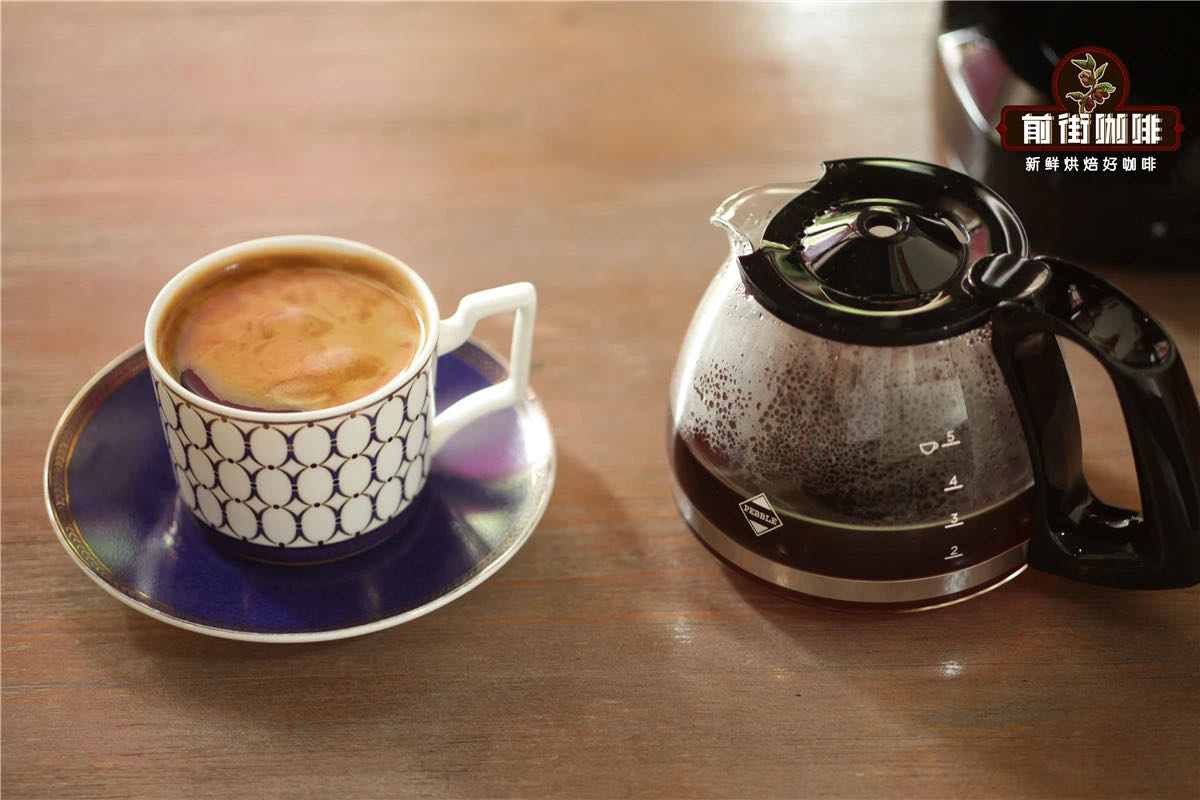
American coffee is primarily made in two ways: either directly brewed using a drip coffee machine or by diluting espresso with hot water. Historically, this method originated with American officers during World War II who, upon first encountering espresso in Europe, found its intensity overwhelming and opted to dilute it with water to mimic the taste of their familiar drip coffee back home. This preparation eventually became known as "American coffee," and in some European regions, it’s even humorously called "sock coffee" due to its diluted texture.
Nowadays, most American coffee on the market is a blend of espresso and hot water in varying ratios. A common hot Americano ratio is1:4 to 1:9, though the actual proportion varies by shop and coffee bean characteristics. Based on practical experience,a popular hot Americano ratio is 1:4.5, while iced Americanos are often around 1:9, with the latter tasting crisper due to dilution from ice. By adjusting the water ratio and selecting beans with different flavor profiles, you can achieve a wide range of taste experiences—from wine-like richness to chocolatey aftertastes.
In the realm of Italian coffee, stability and precision in the extraction process are paramount. Below are the standardseven extraction steps, each influencing the final cup: First,wipe the portafilter basketto ensure no moisture remains; thenaccurately weigh the coffee grounds, aiming for an error margin within ±0.1 gram; next comesdosing (distributing the grounds)to ensure even distribution in the basket; followed bytampingto create a level and compact coffee bed; thenlock the portafilter into the machinein preparation for extraction; press the machine button to start theextraction process; and finally, after extraction,remove the portafilter and clean the group headto maintain machine cleanliness and consistent performance.
In practice,the coffee dosage typically ranges from 18 to 22 grams, depending on the basket size. A common extraction ratio is double the coffee weight—e.g., using 18 grams yields about36 grams of espresso. Going beyond this range risks over-extraction, leading to flavor imbalances. That said, some shops tweak the ratio based on their beans—for example, using20 grams to pull 36 gramsto enhance aroma and intensity. Additionally, extraction time should be kept between25 to 35 seconds; deviations are usually linked to grind size and require adjustments for optimal results.
To evaluate espresso extraction quality beyond taste, tools like arefractometercan measure total dissolved solids (TDS), offering insights into extraction strength and percentage. This scientific approach helps baristas fine-tune parameters, with the common formula being:(%TDS × extracted coffee weight) ÷ coffee weight = extraction percentage, aiding in maintaining consistent output standards.
Returning to practical extraction, here’s a recommended daily workflow:Use 20 grams of coffee to yield 40 grams of espresso, aiming for a 30-second extraction. This balance of intensity and smoothness serves as a reliable benchmark for many professional shops and enthusiasts. Remember, consistency hinges on meticulous control—every detail, from dosage and tamping to grind size, water temperature, and pressure, may need fine-tuning based on real-world conditions.
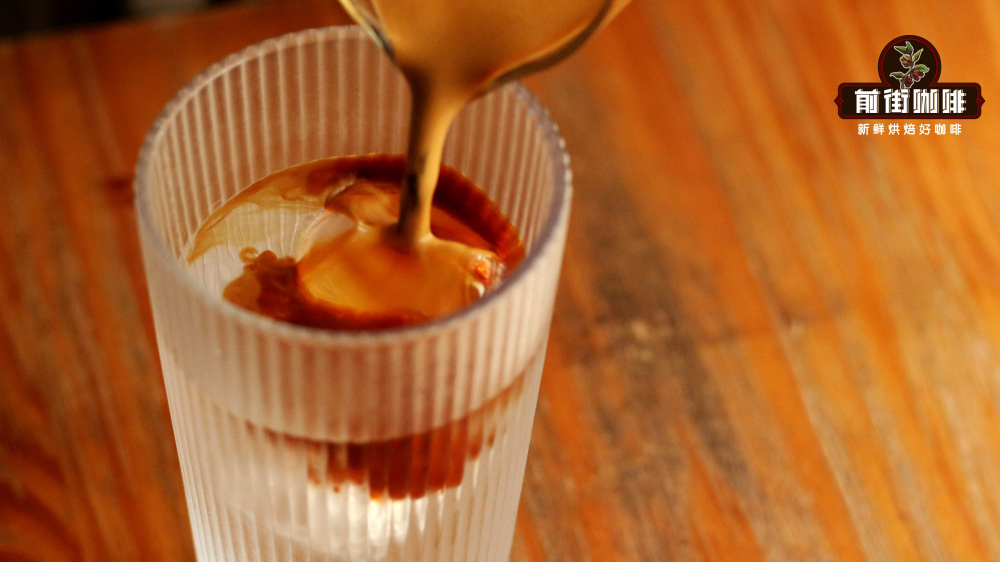
Lastly, crafting various coffee drinks is as simple as building on espresso with additions like milk, syrup, or ice. For example, a hot latte involves steaming milk and combining it with espresso, while iced coffee can be made by pouring espresso directly over cold milk for a refreshing result. Though modern automatic machines simplify the process, understanding the underlying extraction principles remains a cornerstone for both amateurs and professionals striving to elevate coffee quality.
The above content is compiled by CoffeeHunters, a coffee news website.


