







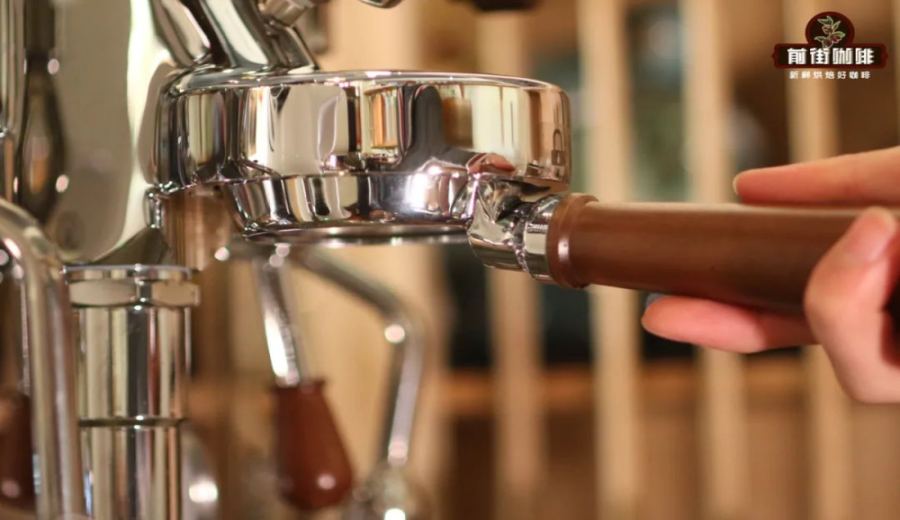
Introduction:Single-origin espresso (SOE) has become a focal point of interest among specialty coffee enthusiasts in recent years. Compared to traditional blends, it better showcases the unique flavor characteristics of its origin. This article delves into the definition of SOE, its differences from single-origin beans and blends, and explores why it is often priced higher. It also provides practical extraction parameters, including details such as the coffee-to-water ratio and time control for the Hua Kui 8.0, helping readers brew fruit-toned espresso at home.
Espresso has long been known for its rich and bold flavor profile, but the rise of SOE (Single Origin Espresso) has brought new possibilities to this category. Sourced from a single origin, these beans are roasted using profiles suitable for espresso extraction, delivering a flavor profile distinctly different from traditional blends.
What is SOE?Simply put, SOE refers to espresso made using coffee beans from a single origin and a single variety. Although it may sound similar to single-origin coffee beans, the key difference lies in their intended use — SOE specifically refers to single-origin beans used for espresso extraction, not for methods like pour over or filter brewing.
This extraction method first began to gain attention in international competitions around 2007, and by around 2010, it had gradually become more widely known. That year, a barista from the UK won the World Barista Championship (WBC) using an SOE coffee, bringing this concept into the spotlight.
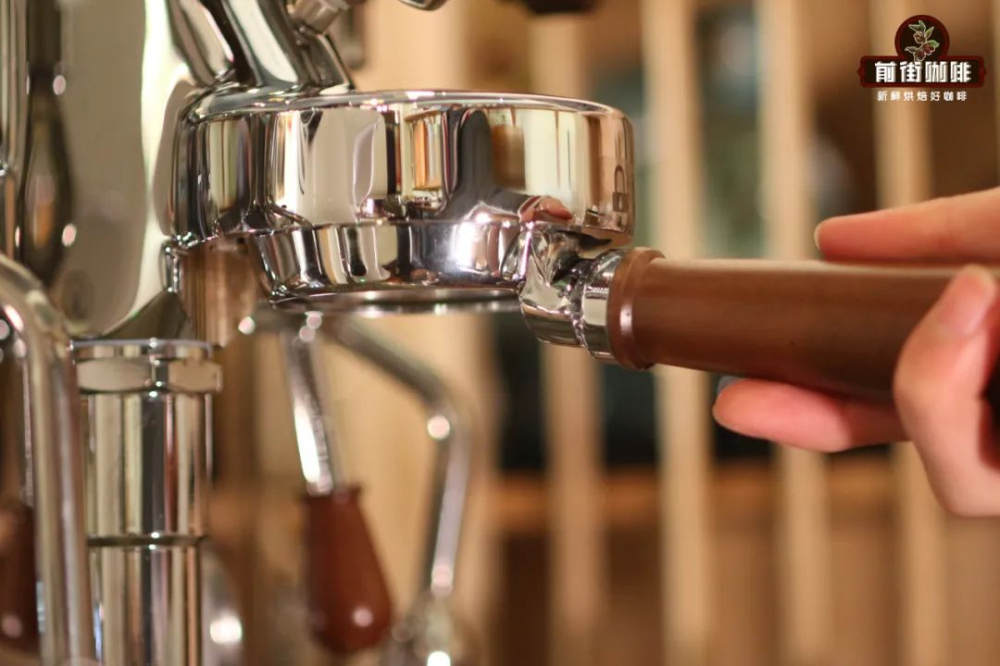
Many people often confuse the differences between SOE, single-origin beans, blends, and pour-over beans. If categorized by use, they can generally be divided into two main types: one suitable for drip methods like pour over, and the other designed for espresso machines. The core difference between the two lies in the roast level.
Traditional espresso favors dark roasts, emphasizing a bold body and rich crema, often using beans from regions like Brazil and Indonesia in blends to stabilize flavor and enhance extraction performance. SOE, on the other hand, breaks this mold by selecting single-origin beans and applying carefully adjusted roast profiles, allowing the terroir characteristics of a single origin to shine through in the espresso.
Why are SOE coffee beans more expensive?This is mainly due to raw material costs and flavor performance. SOEs typically use higher-quality single-origin beans with more distinctive regional characteristics. These beans are inherently more expensive than commercial-grade beans, and the need for specialized roasting tailored to espresso extraction further increases overall costs.
For example, many beans from small Ethiopian regions, with their pronounced citrus and floral notes, can deliver a refreshing flavor in espresso after moderate roasting — a stark contrast to traditional dark roasts. This is also a key reason why many SOEs choose Ethiopian beans.
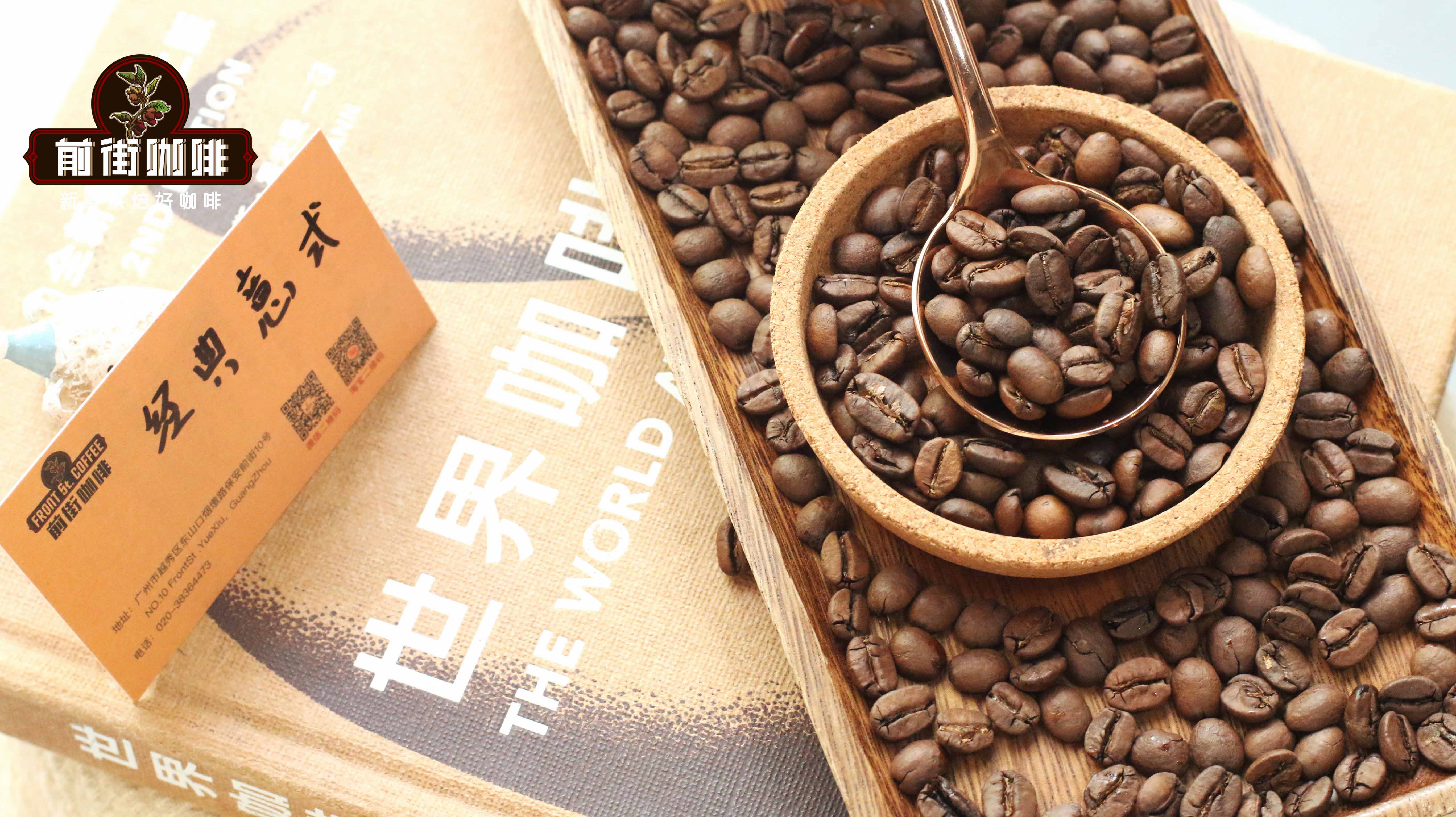
However, this does not mean that blends lack high-quality options. Some recipes that blend Yirgacheffe with Honduran beans can also showcase rich aromatic layers and a full body, earning the favor of many baristas and consumers.
So, are there coffee beans that can be used for both pour over and SOE? The answer is yes. The key lies in the choice of roast level. Overly light roasts, while highlighting fruity acidity, can easily result in sharp sourness and unpleasant tannins when used for espresso extraction. Meanwhile, moderate medium-dark or medium roasts can balance the fruity notes of pour over with the body of espresso.
For instance, Brazilian Yellow Bourbon, when medium-dark roasted, can exhibit rich chocolate and nutty tones in pour over, and similarly produce a thick crema and sweet profile in SOE. Yirgacheffe Red Cherry, with a medium-light roast, not only offers distinct berry aromas in pour over but also delivers a soft acidity and red tea-like finish in espresso extraction.
Notably, Ethiopia’s high-altitude Hua Kui 8.0, renowned for its abundant strawberry and citrus aromas, has received widespread acclaim. However, if directly light- to medium-roasted and used for SOE, it may lead to uneven extraction or overly sour and astringent results. Therefore, it is recommended to opt for a medium-roast adjusted version, which better stabilizes its characteristic flavors.
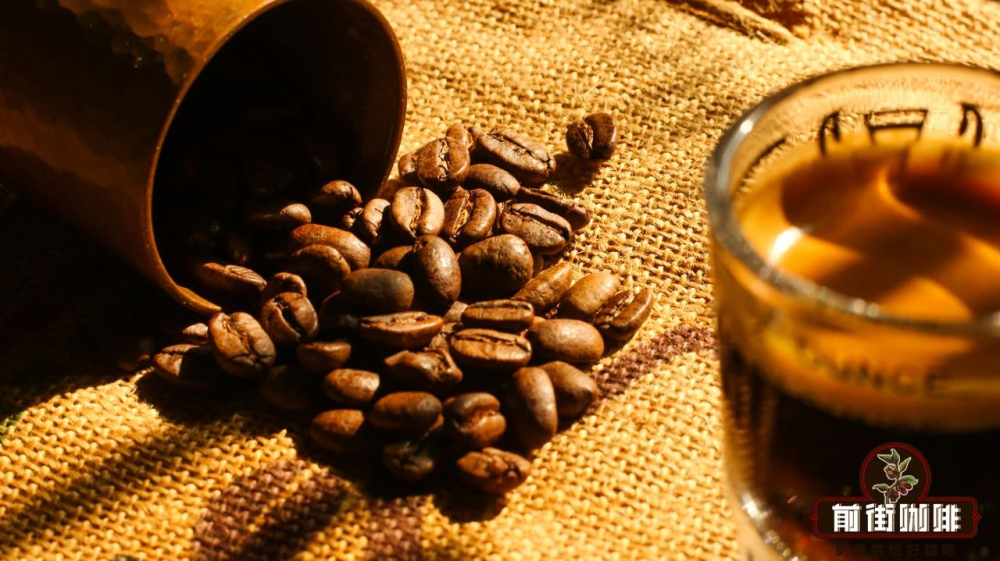
Practical Extraction Parameters for Hua Kui SOE
Coffee beans: Ethiopia · Hua Kui 8.0
Coffee powder amount:20 grams
Coffee liquid amount:40 grams
Coffee-to-water ratio:1:2
Extraction time:26–32 seconds
Grind size: It is recommended to use a setting equivalent to Galileo 2.0, or roughly a medium-fine grind.
When using a double-shot portafilter, it is recommended to load 20 grams of coffee powder, aiming to extract 40 grams of coffee liquid. Keeping the extraction time between 26 and 32 seconds usually achieves the best balance — neither too thin nor overly bitter due to over-extraction.
In practice, first thoroughly dry the portafilter to ensure there is no residual oil or moisture. Grind the appropriate amount of coffee beans and weigh them precisely to 20 grams. Then, use a distribution tool to evenly spread the coffee grounds, followed by tamping with a tamper to ensure consistent puck density.
Before starting extraction, it is recommended to run water for 1–2 seconds to wet the group head. This helps stabilize the water flow and temperature. Place the cup on the scale and tare it, then attach the portafilter to the group head and begin extraction.
Observe the extraction process. When the coffee liquid reaches 40 grams and the time falls within 26–32 seconds, you can stop the extraction. Note that environmental humidity and the freshness of the coffee beans may vary slightly each day, so it is advisable to fine-tune the grind size and coffee amount accordingly.
The extracted SOE can be enjoyed directly. It is recommended to pair it with a glass of water to reset your palate, allowing you to better appreciate its delicate tropical fruit aromas and rich crema. For a softer taste, you can adjust to your preference by adding ice water, warm water, or fresh milk to make an Americano or latte.
The above content is compiled by CoffeeHunters, a coffee news website.


