







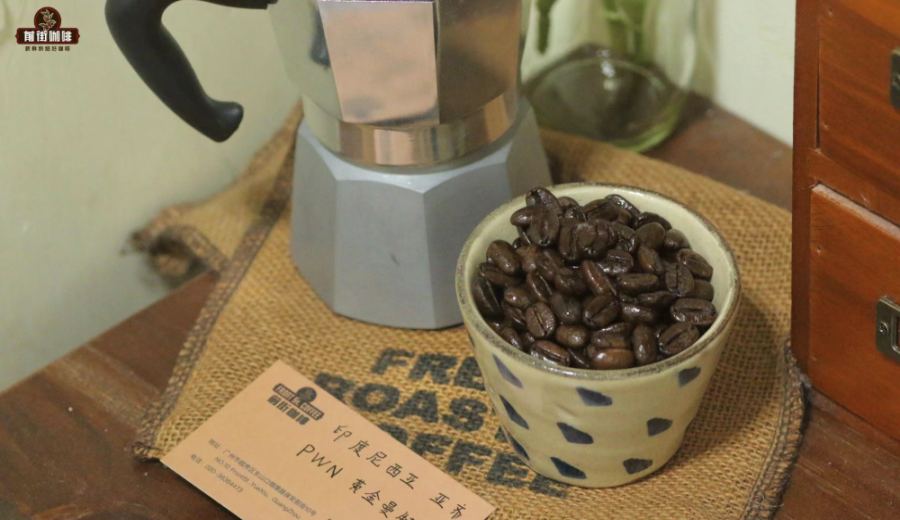
Introduction:Dark-roasted Mandheling is often misunderstood as being bitter only, but in fact, it carries rich notes of caramel, cocoa, and herbal aromas, making it a daily favorite among many coffee enthusiasts. This article delves into the origins of Mandheling, explores the unique wet-hulling process, and highlights the differences between Lintong Mandheling and PWN Golden Mandheling. It also provides practical pour over parameters and flavor-tasting tips to help you brew a rich and balanced dark-roasted Mandheling with ease.
With the evolution of coffee trends—from instant coffee to specialty—light roasts have become mainstream due to their bright acidity and layered flavors. However, not all coffee beans are suited to light roasting; some beans only reveal their true flavor potential under the intensity of dark roasting. Among them, Mandheling stands as one of the representatives of dark roast coffee.
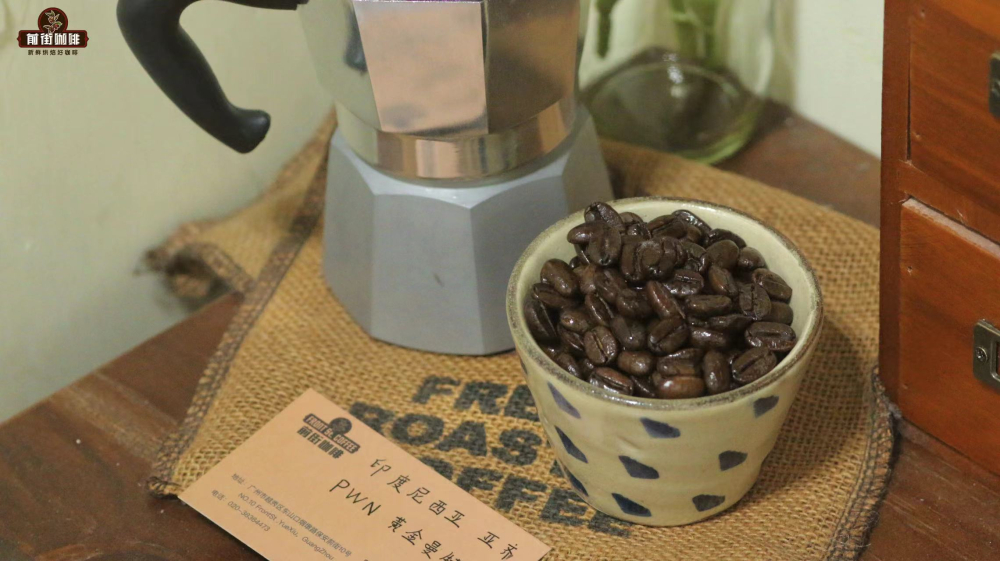
When Mandheling is mentioned, many people think of its bold, full-bodied taste and distinctive spicy character. But did you know? The term 'Mandheling' is not a region, a coffee variety, or even a port name—it actually stems from a misunderstanding during World War II. At that time, Japanese soldiers occupied Sumatra, and one soldier tasted a rich cup of coffee. Mistaking the word 'Mandailing,' referring to the local ethnic group, for the name of the coffee, he returned home searching for the same beans. Since then, this Sumatran coffee has been known worldwide as 'Mandheling.'
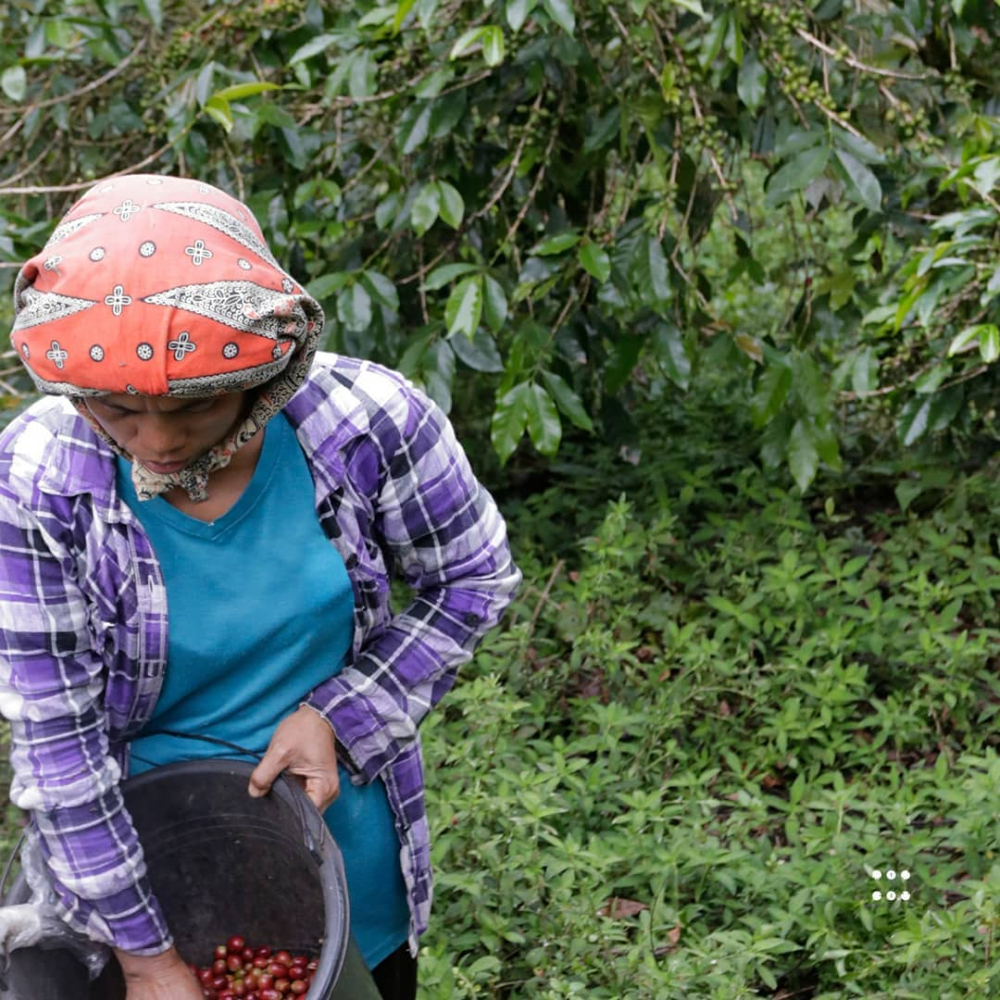
The most notable characteristic of Mandheling lies in its use of the 'wet-hulling' process. Unlike standard washed or natural processing methods, which wait until the moisture content of green beans drops to around 12% before removing the parchment, wet-hulling removes the parchment while the beans are still moist and at a high moisture level (around 30–35%). This exposes the seeds directly to sunlight and air. This method not only drastically shortens the drying time but also suppresses acidity development, resulting in Mandheling’s signature low-acidity, full-bodied base.
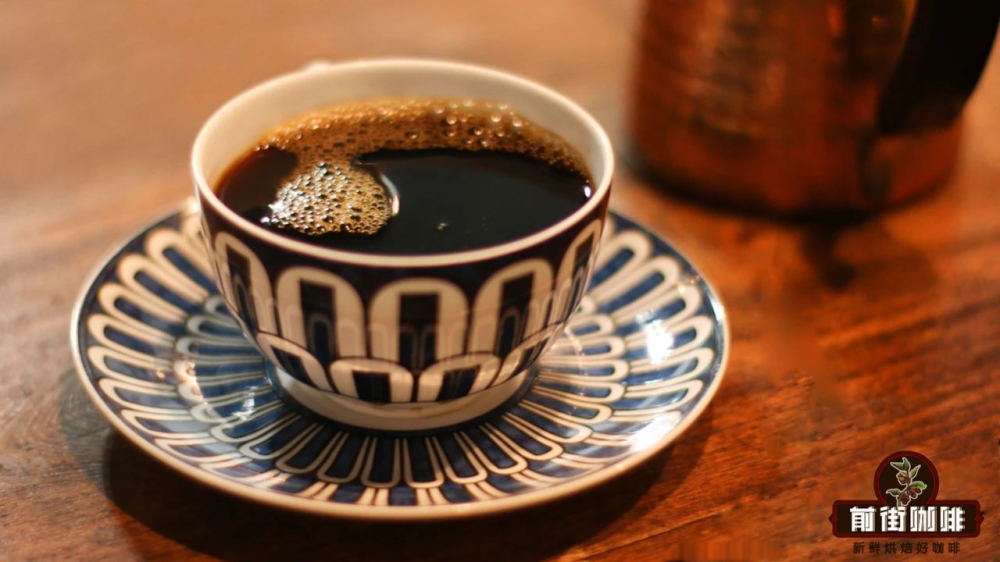
Because its acidity is not prominent, light roasting can easily highlight underripe, grassy flavors, which may mask its unique characteristics. Therefore, dark roasting becomes key to unlocking Mandheling’s potential. With moderate dark roasting, Mandheling releases captivating notes of caramel sweetness, herbal scents, and deep cocoa undertones, presenting what is known as 'regional character'—a rustic yet profound coffee experience.
Currently, some of the more well-known Mandheling offerings on the market include 'Lintong Mandheling' and 'PWN Golden Mandheling.' The former is a G1-grade everyday coffee, processed using standard wet-hulling, offering balanced flavors at an affordable price. The latter is a top-tier bean carefully selected by Indonesia’s PWN (Pusat Penyangga dan Pemasaran Kopi Nusantara) coffee company. With an extremely low defect rate, only beans larger than 18 mesh and with fewer than 3 defects per 300-gram sample are chosen. These beans undergo multiple rounds of manual and mechanical sorting, as well as density and color separation, resulting in a uniformly appearing, shiny 'golden-grade' Mandheling.
To fully highlight Mandheling’s bold characteristics, producers typically roast it to a medium-dark level, just before the second crack. At this stage, Mandheling not only boasts intense flavors but also avoids the unpleasant bitterness caused by over-roasting, achieving an optimal balance between aroma and taste.
The allure of dark-roasted Mandheling lies in its reliance not on the fruity acidity and delicate nuances emphasized in light roasts, but on its steady, robust mouthfeel—like a comforting, memorable home-cooked dish. Its layers of herbal, cocoa, creamy, and caramel notes make it easy to enjoy cup after cup without getting tired of it, making it an everyday essential for many coffee lovers.
Want to brew quality dark-roasted Mandheling at home? The key lies in mastering the right extraction parameters. Since dark-roasted beans have a looser structure and release flavor compounds more quickly, it is recommended to use a slightly coarser grind size and control water temperature to avoid over-extraction, which can lead to a bitter aftertaste.
In practice, it is recommended to use a KONO filter, with 15 grams of coffee, a 1:15 coffee-to-water ratio, and a grind size passing about 70% through a Chinese standard No. 20 sieve. Water temperature should be controlled around 88°C. Here are the specific pour over steps:
- First pour: add 30 grams of water for a 30-second bloom to awaken the coffee grounds;
- Second pour: add water in small circles up to 125 grams, then wait until the bed's moisture level drops by half, followed by additional pouring to reach 225 grams;
- Total brew time should be controlled around 2 minutes and 10 seconds to ensure full flavor expression without over-extraction.
Brewed with these parameters, Lintong Mandheling delivers rich herbal aromas paired with black chocolate and caramel sweetness, with a distinctly sweet and clean finish. PWN Golden Mandheling, on the other hand, showcases a more refined flavor structure, with layers of nutty, caramel, and chocolate notes unfolding progressively. It offers a full-bodied, balanced mouthfeel with a long, clean, and crisp aftertaste—making it a standout among dark-roasted Mandhelings.
In summary, dark-roasted Mandheling is not just a representation of bitterness, but a coffee type rich in flavor and layered complexity. With the right understanding of its processing background, bean characteristics, and pour over techniques, you too can enjoy this classic Sumatran richness in the comfort of your home.
The above content is compiled by CoffeeHunters, a coffee news website.


