







Introduction:Over-extraction in pour over coffee often leads to an imbalance of bitterness and astringency, while segmented pouring can effectively enhance flavor complexity. This article explores Ethiopia’s two classic growing regions, introducing the bright citrus and delicate floral notes of washed Yirgacheffe and the rich berry tones of natural Sidamo. It also delves into the naming origins and evolution of the Huakui coffee variety, along with the unique characteristics of Small-Bean Huakui. Practical pour over parameters and segmented pouring techniques are provided to help you precisely control extraction timing and elevate your coffee’s flavor profile.
Over-extraction in pour over coffee typically refers to the excessive release of bitter and astringent compounds, resulting in an unbalanced cup that tastes heavy or even burnt. Causes may include water that’s too hot, overlong brewing time, excessive agitation, or overly fine coffee grounds. To avoid these issues, mastering scientifically sound segmented pouring techniques is crucial.
Take Ethiopia’s two classic regions as examples: washed Yirgacheffe, with its bright citrus and refined floral notes, is often the first step for many coffee beginners into the world of specialty coffee. This coffee usually features high acidity and a clean mouthfeel, with acid tones as refreshing as lemon and bergamot, and a tea-like aftertaste. Yirgacheffe was originally part of the Sidamo region but gained distinction for its highly recognizable flavor profile and eventually became a renowned region in its own right.
On the other hand, Sidamo’s coffee is also globally acclaimed, particularly from its sub-region of Guji, which has won numerous international competitions. Compared to washed styles, Sidamo is traditionally known for its natural processing, with Huakui coffee being the most representative example.
Huakui coffee comes from the Sidamo sub-region of Hambella, a name with an interesting backstory. In 2017, African DW Company submitted a batch of Hambella-grown natural coffee to that year’s TOH (Taste of Harvest) green bean competition, where it won the natural category. Subsequently, a Beijing-based green bean importer brought the award-winning beans to China. With their intense strawberry cream flavors, the beans were seen as having the potential to become the next Geisha-level specialty coffee. Since “Huakui” means “the foremost among flowers” in Chinese, the batch was named “Huakui,” carrying great expectations.
In the same year, during the China Coffee Brewing Championship, contestant Li Jianfei used the same batch of Huakui beans to compete, standing out among numerous Geisha coffees and securing second place, further boosting Huakui’s popularity.
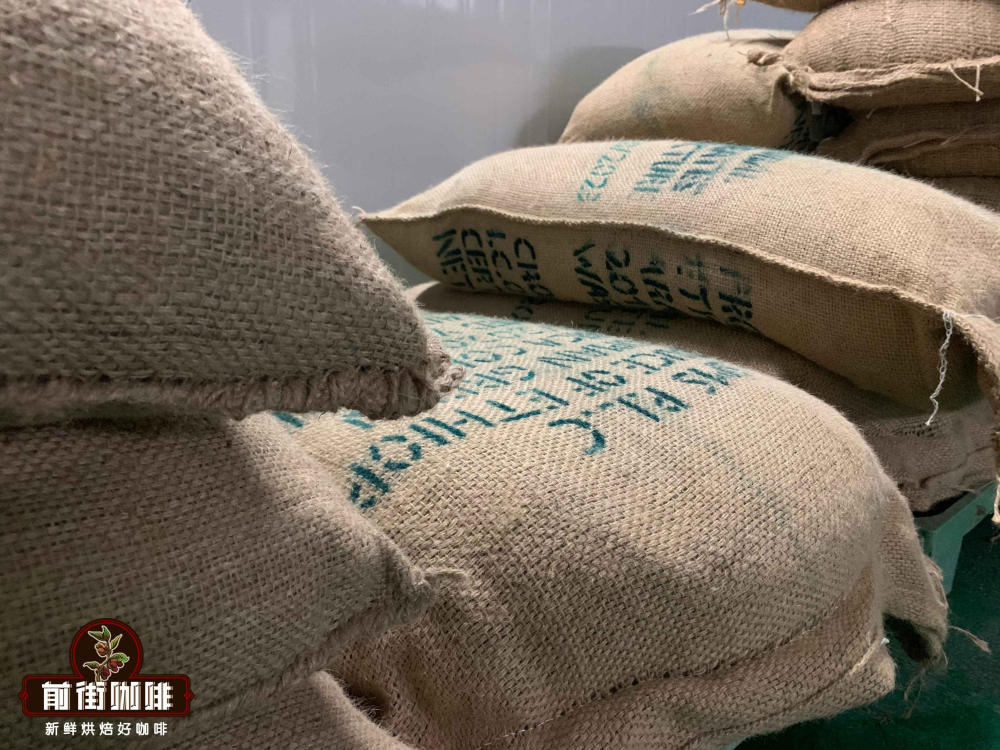
In recent years, Huakui’s fame has continued to rise—for instance, Luckin Coffee launched Huakui 5.0 SOE coffee in 2022, sparking market buzz. However, it’s important to note that beans qualifying as “Huakui” must come from the Hambella region and be processed by the Buku Abel mill, using the natural method. Additionally, Huakui’s naming convention is distinctive, with versions released annually in the sequence “Huakui X.0,” such as 2020’s “Huakui 4.0” and 2021’s “Huakui 5.0,” and so on. The 2022 new version was originally slated to be “Huakui 6.0,” expected to arrive in April 2022, much anticipated by coffee enthusiasts.
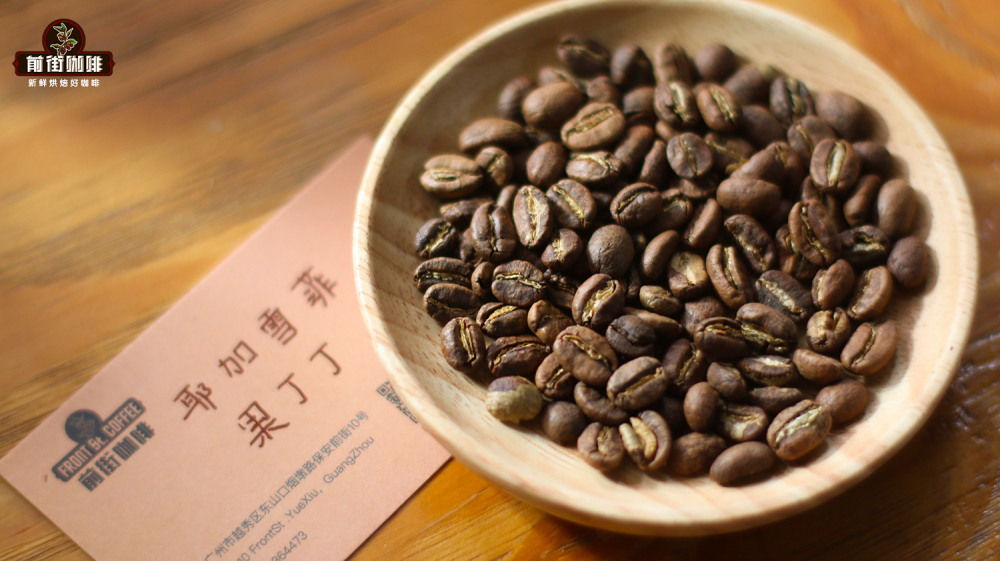
Notably, among the 2017–2019 Huakui coffees, some small-sized beans exhibited particularly rich aromas. As a result, in 2020, DW Company’s mill began processing these small beans separately, creating the independent “Small-Bean Huakui” product line, no longer part of the “Huakui X.0” series. Cupping comparisons revealed that Small-Bean Huakui, with a higher proportion of small beans, more closely resembles the original champion batch, with more pronounced strawberry, berry, and sweetness; whereas regular Huakui 5.0 showcases more subdued floral notes, with bright and lively berry acidity.
By 2024, Huakui has reached its eighth version, officially launched as “Huakui 8.0.” To highlight the delicate floral and fruity tones of the Sidamo region while also capturing the coffee’s caramelized aromas, the roaster employed a medium-light roast strategy to bring out this coffee’s multi-layered flavors.
For brewing, to fully showcase Ethiopian coffee’s bright acidity and rich complexity, it’s recommended to use a fast-flow dripper such as the Hario V60, with water at 91°C and a medium-fine grind (approximately 80% passing through a Chinese standard No. 20 sieve). This parameter combination helps control extraction speed and avoid over-extraction.
The specific three-stage pouring method is as follows: First, pour 30 grams of hot water to evenly wet all coffee grounds and let it bloom for 30 seconds; then, using a small stream, slowly circle from the center outward until the total water volume reaches 125 grams, completing the first pour; when the water level drops to just about to expose the coffee bed, pour again at a steady rate in a circular motion until the total volume reaches 225 grams; finally, wait for all the water to completely drip through the dripper. The entire extraction process takes about 2 minutes. This segmented pouring method not only effectively controls brewing time but also enhances the coffee’s flavor layers and balance.
In terms of flavor, Small-Bean Huakui often exhibits pronounced aromas of strawberry, cream, passionfruit, and honey, with a light and sweet taste; whereas Huakui 5.0 is characterized by floral, berry, citrus, mango, and honey notes, overall presenting a fresher and more vibrant profile.
The above content is compiled by CoffeeHunters, a coffee news website.


