







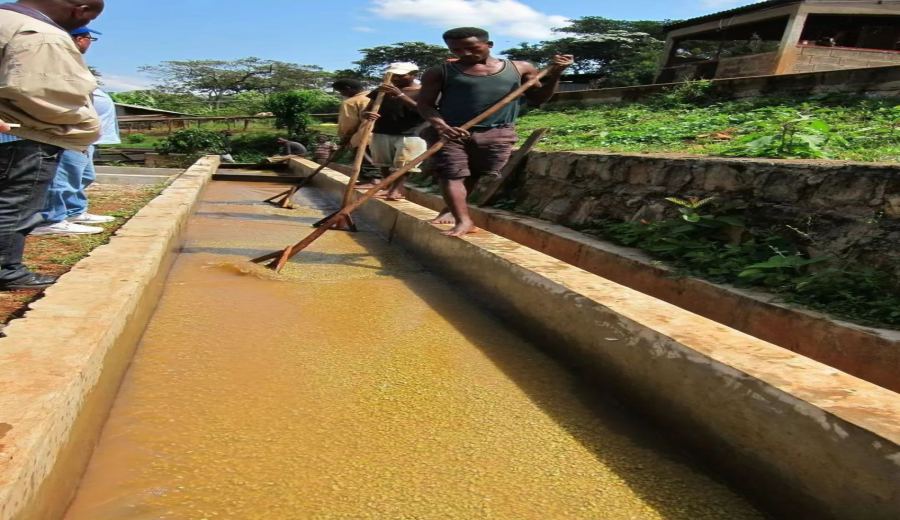
Introduction:The washed processing method is a common green bean processing technique in specialty coffee, known for its clean and bright flavor profile. But did you know? From traditional wet processing to Kenya-style double washing, and even the K72 process with 72-hour fermentation, each method can influence the final flavor of the coffee. This article delves into the step-by-step differences, fermentation details, and flavor characteristics of various washed processing methods, helping you better understand the tastes in your cup.
Washed processing, also known as wet processing (Wet Process), is one of the most traditional and common methods of coffee bean processing. This approach removes the outer skin and pulp before drying the seeds, using washing and fermentation processes to deliver a cleaner and more consistent taste, which is why it is favored by many coffee enthusiasts. With the rise of specialty coffee culture, numerous variations of washed processing have emerged on the market, such as "double washed," "K72 washed," and "dry fermented washed." How do these techniques differ from traditional washed processing? We’ll start from the basics and break down the features and differences of each method step by step.
Traditional Washed Processing Method (Wet Process), also translated as wet processing, is a method where the outer skin and pulp of the coffee cherry are removed before the seeds are dried. Historical records indicate that this processing method originated in the West Indies in the 19th century, first developed in Jamaica, where it was called the WIP (West Indian Process). Compared to traditional sun-dried processing (OIB, or the East Indian Process), the washed method is better suited to humid and rainy regions, effectively avoiding uneven fermentation or mold issues caused by climatic factors.
Before the 1850s, coffee beans were mostly processed using natural sun-drying, but with the advancement of the Industrial Revolution, coffee-growing regions began to adopt mechanized processing workflows. One of the most important inventions was the coffee pulper. In 1845, James Meacock of Kingston, Jamaica, applied for the world’s first patent for a coffee pulper. The emergence of this technology also led to the widespread use of washed processing in the coffee industry. The traditional washed process generally includes: flotation, depulping, fermentation, washing, drying, hulling, and packaging. Although the steps are not complicated, they require a stable water supply and a certain level of machinery investment, so it is commonly seen in plantations with more capital.
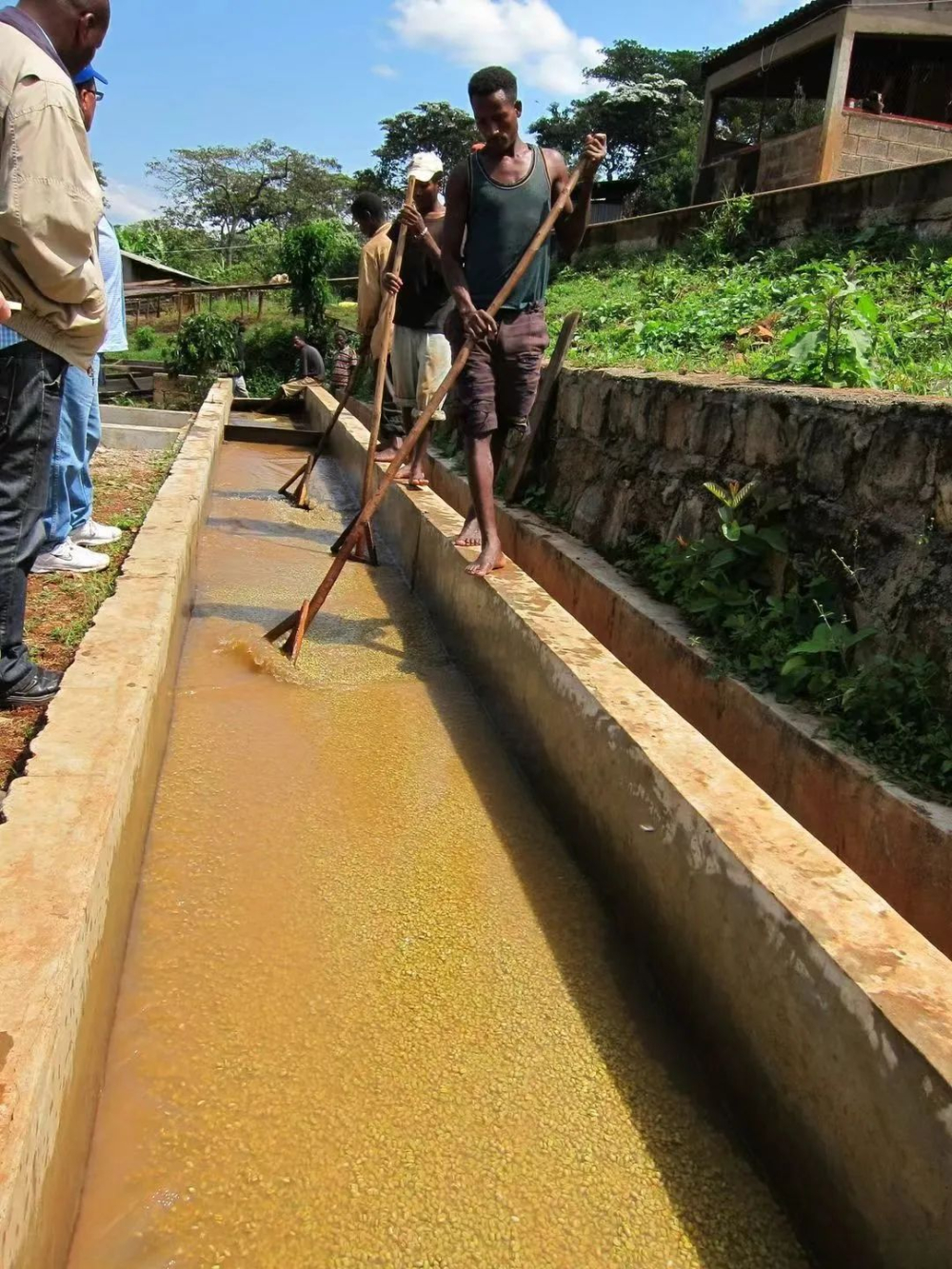
Double Washed Method (Double Washed), also known as "Kenyan-style washed" or "fully washed," is a special processing method originating from Kenya. Its characteristic is that after fermentation, the coffee beans are not directly washed and dried, but undergo two washing processes. First, the fermented beans are rinsed with clean water to remove the mucilage, then soaked again in clean water for a second wash before being dried. This practice was initially not intended to enhance flavor, but rather because some Kenyan growing regions lacked sufficient drying space. To prevent beans from being piled up for too long, leading to abnormal fermentation or mold, the washed beans were temporarily soaked in water tanks until drying space became available.
However, the industry later discovered that this "double soaking" process not only helped stabilize quality control but also brought richer fruit acidity layers and aroma expression. Common flavor characteristics include bright citric acidity, clear fruity notes, and some batches even exhibit unique tones reminiscent of cherry tomatoes or preserved plums. Today, this processing method is popular not only in Kenya but has also been adopted by some American growing regions experimenting with similar double washing procedures.
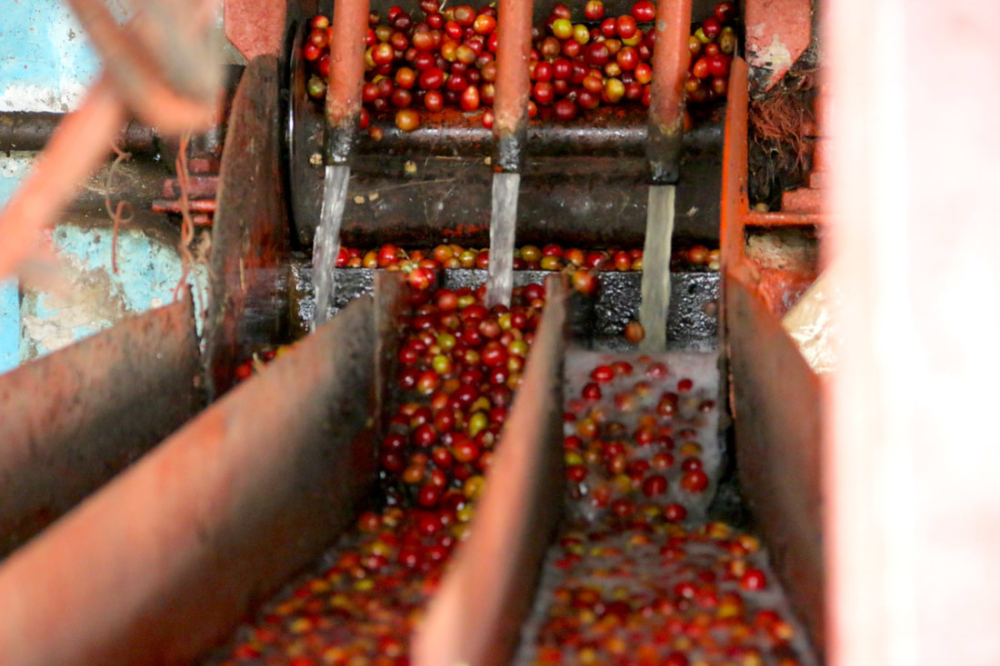
K72 Washed Methodis a processing method that extends fermentation time based on traditional washed and double washed techniques. The core of this technique lies in precisely controlling the fermentation duration, typically divided into three stages, each lasting 24 hours, for a total of72 hoursof fermentation. The specific process involves a first 24-hour washed fermentation to remove the initial layer of mucilage, followed by placing the beans in a clean water tank for a second 24-hour fermentation, and finally washing them again and entering a third 24-hour fermentation to ensure all mucilage and impurities are completely removed before proceeding to the subsequent washing and drying steps.
This long-duration, multi-stage fermentation process gives K72 washed coffee an exceptionally bright and clean fruit acidity profile, with delicate and layered acidity. Common acidity descriptions include those of small tomatoes, dark plums, and citrus fruits, with a refreshing taste and a long-lasting aftertaste. This is why many specialty coffee farms particularly advocate for this processing method to highlight the unique terroir characteristics of their coffee beans.
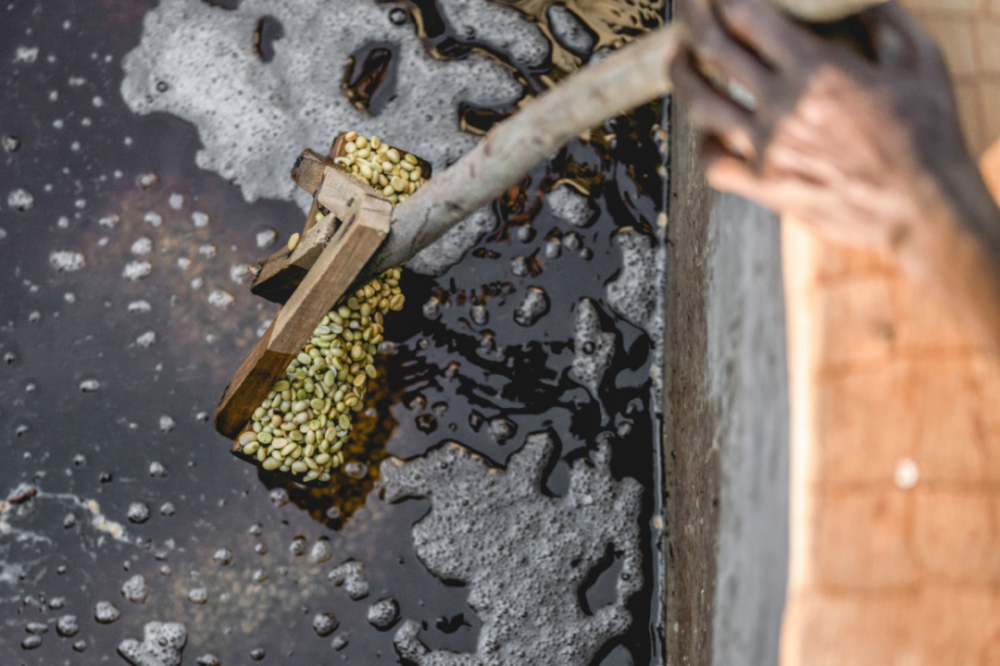
Dry Fermented Washed Methodis a relatively water-saving processing approach, primarily aimed at reducing water consumption and minimizing environmental impact. The hallmark of this method is that the depulped parchment coffee is placed directly into a fermentation tank without adding clean water, relying solely on the residual juice within the beans for fermentation, usually for 6 to 8 hours. Since no large amounts of water are used for rinsing, the entire process is more environmentally friendly, but it also requires stricter environmental controls to prevent fermentation from going out of control.
After fermentation, these beans still need to be rinsed with clean water to remove residual sticky substances before proceeding to the subsequent drying and hulling processes. In terms of flavor, coffee processed via dry fermented washed methods is often rounder than traditionally washed coffee, with a more pronounced sweetness. Sometimes it carries a rich texture reminiscent of honey-processed coffee, yet it still retains the washed method’s characteristic clarity and low impurity profile.
The above content is compiled by CoffeeHunters, a coffee news website.


