







Introduction:Want to make professional-level cold brew coffee at home? Learn why cold brew requires 12 to 24 hours of steeping in advance, how to master the coffee-to-water ratio and grind size, and how to choose coffee beans that are suitable for low-temperature extraction. This article will detail the cold brew process and flavor characteristics, and provide multiple practical specialty recipe inspirations—from sparkling water to fresh milk—to help you easily create a richly layered iced coffee experience.
The biggest difference between cold brew coffee and traditional hot-brewed coffee lies in the brewing temperature and time. Since the entire process involves slow extraction in a low-temperature environment, usually by mixing coffee grounds with cold water and letting it sit in the refrigerator for 12 to 24 hours, this method gives cold brew its unique mellow and smooth taste. Precisely because it requires a long period of brewing, most cafes don’t offer an extensive range of cold brew options like their pour over menus, but instead select a few beans that are particularly suitable for low-temperature extraction—ensuring that even with limited choices, the resulting flavors are still satisfying.
Many coffee enthusiasts, after trying cold brew, often want to recreate the same taste at home. Making cold brew is actually not complicated—the key is to get the right brewing parameters. A common coffee-to-water ratio is 1:12, meaning about 50 grams of coffee grounds mixed with approximately 600 milliliters of ice water (which can include room temperature water and ice cubes). It’s recommended to use coarsely ground coffee, with about 85% of the grounds passing through a standard #20 sieve, which helps prevent over-extraction and bitterness while ensuring the full release of flavors during the long steeping period.
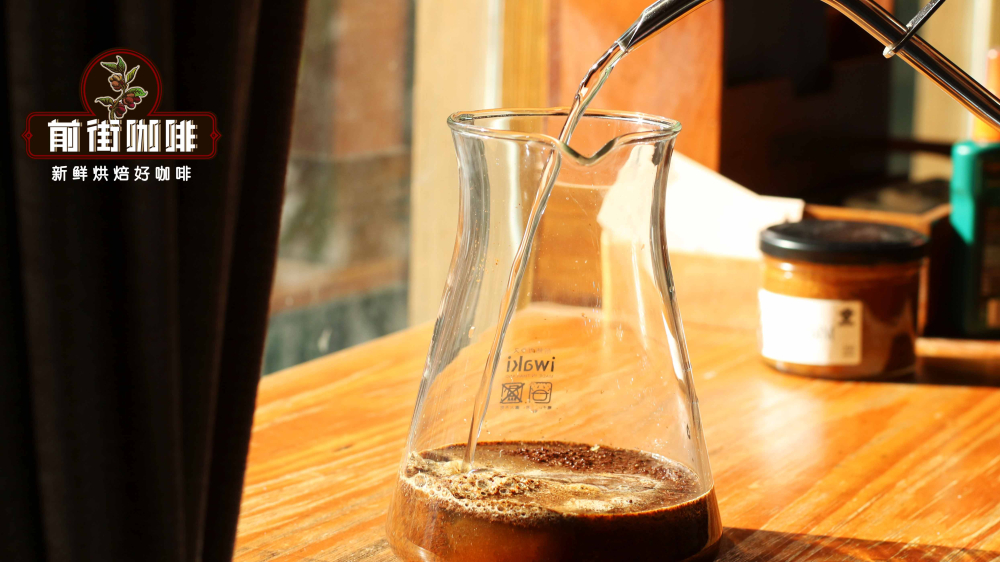
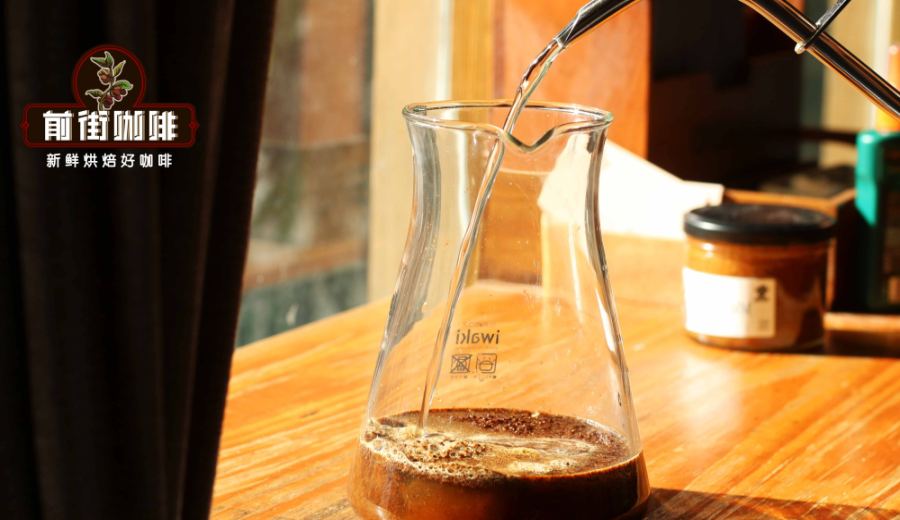
Place the ground coffee into a clean glass container, add a mixture of room temperature water and ice cubes, then gently stir to ensure all coffee grounds are in contact with the water. Seal the container and refrigerate for 12 to 24 hours. During this time, the soluble substances in the coffee gradually dissolve into the water, and due to the low-temperature environment, a flavor profile distinct from hot-brewed coffee forms—usually characterized by low bitterness, mild acidity, and a uniquely smooth and subtly fermented character brought by “low-temperature maturation.”
After steeping, use filter paper or a filter cloth to thoroughly separate the coffee grounds, leaving behind clear coffee liquid. For an even better taste, it’s recommended to pour the filtered coffee into a clean, sealed bottle and let it chill in the refrigerator for about 4 more hours before drinking. This step helps the flavors integrate and stabilize further.
The flavor profile of cold brew coffee is generally milder, making it suitable for further blending with other beverages to create diverse specialty drinks. For example, mixing with sparkling water can create a refreshing and crisp layered drink, pairing with fresh fruit juice can bring out a sweet-and-sour fruit aroma, and adding fresh milk can result in a smooth and mellow coffee beverage, perfect for summer. These variations not only enrich the taste but also add fun and a personalized touch to your cold brew.
When choosing coffee beans, it’s recommended to prioritize varieties with distinct floral and fruity notes, as these beans can showcase more prominent aromatic characteristics under low-temperature extraction. If you prefer floral aromas, look for coffees with citrus, jasmine, or peach-apricot flavors; if you enjoy rich fruitiness, go for beans with berry, tropical fruit, or bold juice-like profiles. These traits are better preserved during the cold brew process and can be presented through low-temperature extraction as delicate and layered taste experiences.
In summary, the charm of cold brew coffee lies in its simple yet meticulous brewing process, and the low-temperature extraction method that highlights the subtle qualities of the coffee beans. By mastering the coffee-to-water ratio, grind size, and steeping time, even beginners can easily make richly flavored and uniquely personal cold brew coffee at home. Pairing it with different beverages allows for endless creativity, so you can enjoy your own iced coffee specialty drink during the hot summer days.
The above content is compiled by CoffeeHunters, a coffee news website.


