







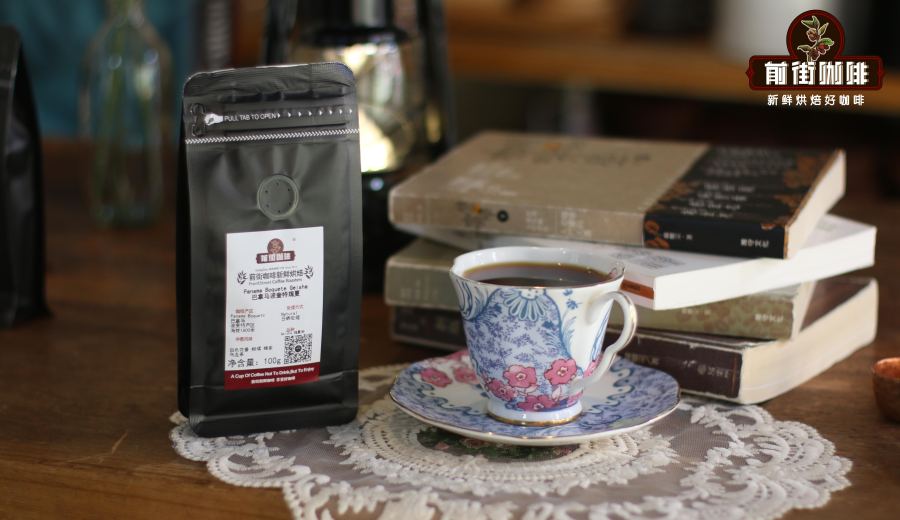
Introduction:Geisha coffee, with its distinctive floral and fruity aromas and refined sweetness, has become the dream choice for specialty coffee enthusiasts. But what secrets lie behind its high price? This article delves into the variety’s origins, flavor characteristics, and the factors determining its price. It also reviews the bidding history of翡翠庄园 over the years and provides practical pour over recommendations and parameter settings to help readers understand its value while mastering the art of brewing a high-quality Geisha at home.
Geisha (Geisha) coffee holds a unique place in the specialty coffee market due to its vivid and complex floral and fruity aromas, as well as its layered and multifaceted sweetness. However, its price often deters many. To understand why a cup of Geisha commands such a premium, we must explore its varietal origins, growing environment, and market positioning. This article will guide you through the distinctiveness of Geisha, outline the multiple reasons for its high cost, and offer clarity on its market standing through historical auction data and actual retail prices. Additionally, it includes pour over suggestions and practical parameters so you can try brewing a near-professional-grade Geisha at home.
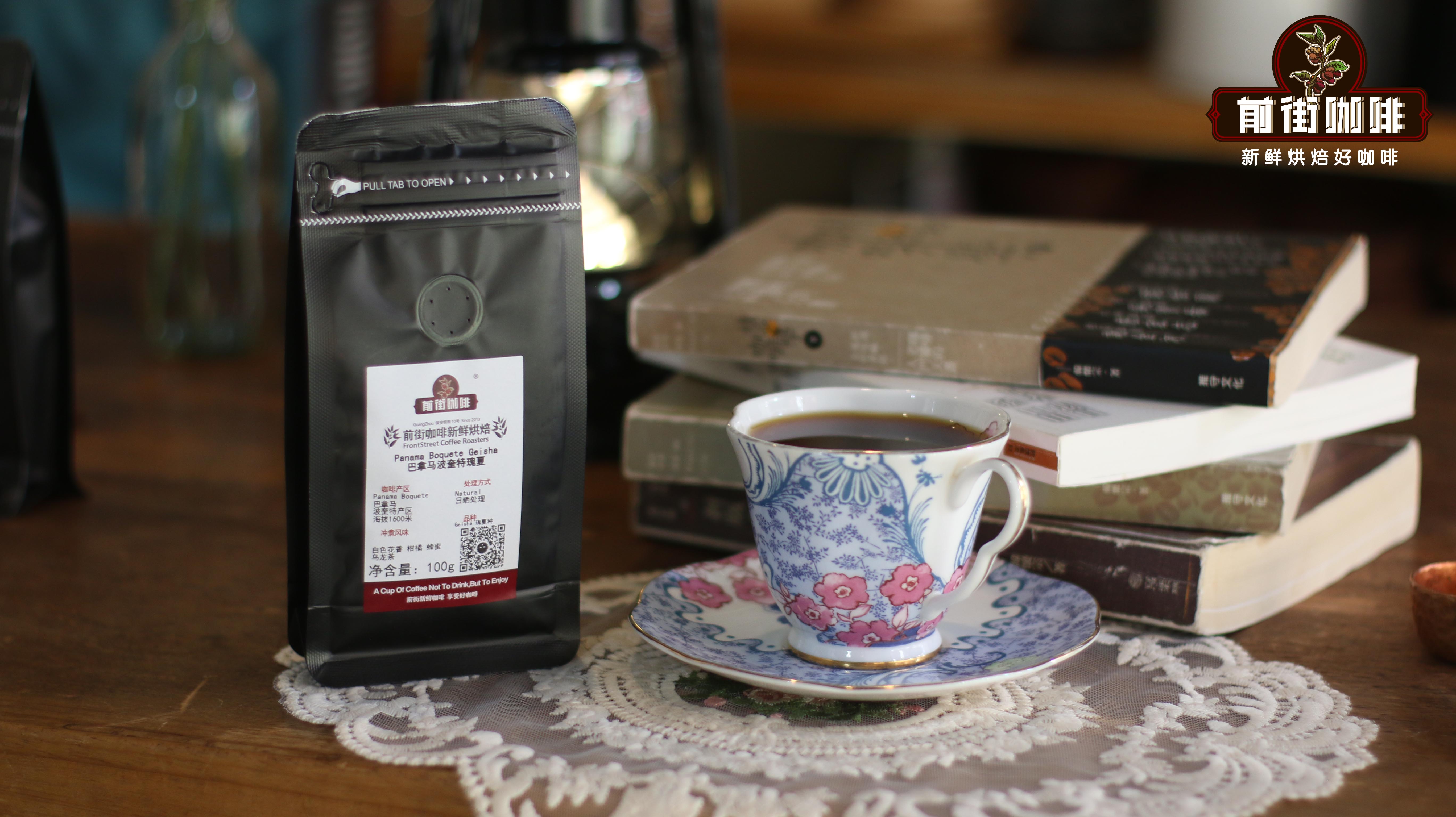
The fame of Geisha coffee is not only due to its repeated success in major coffee competitions but also because of its unforgettable flavor profile. Compared to other well-known origin coffees such as Blue Mountain, Hawaiian Kona, or Mandheling, Geisha offers a more abundant tropical fruit character and elegant floral notes, with a pronounced and layered sweetness, delicate acidity that is never harsh. These qualities have made it the “goddess-level” bean variety in the hearts of many coffee lovers. In specialty coffee shops, there are often five or more Geisha pour over options available. For instance, Geisha from the Boquete region is around 30 yuan per cup, making it suitable for first-timers, while the top-tier翡翠庄园 Red Label Geisha is about 75 yuan per cup, allowing you to experience the ultimate flavors achieved through high-altitude precision cultivation.
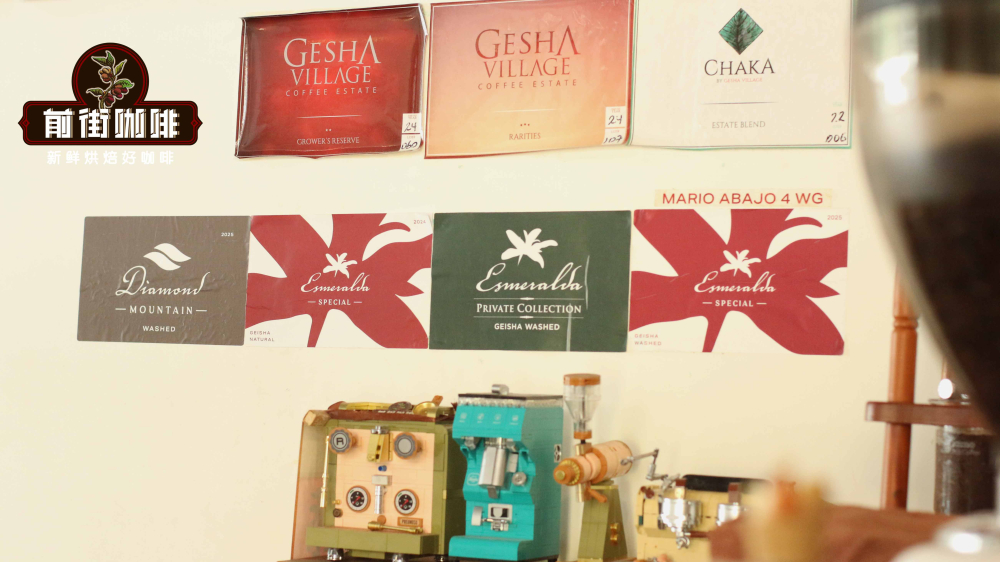
The name “Geisha” actually sounds similar to the Japanese word for “geisha,” hence it is also nicknamed “Geisha Coffee.” Compared to more commonly known varieties like Blue Mountain or Mandheling, Geisha has a more expressive and layered aroma, especially achieving an excellent balance between tropical fruit and fresh floral notes. Its sweetness is long-lasting and delicate, and its acidity is soft yet distinct. This variety was first discovered in 1931 in the Gesha forest of Ethiopia but initially did not receive special attention. It wasn’t until the late 1950s that it was introduced to regions like Costa Rica and Panama. It wasn’t until 2003 that翡翠庄园 (Hacienda La Esmeralda) in Panama isolated the Geisha variety from others and cultivated it separately, and in 2004, it won the Best of Panama (BOP) competition, drawing international market attention.
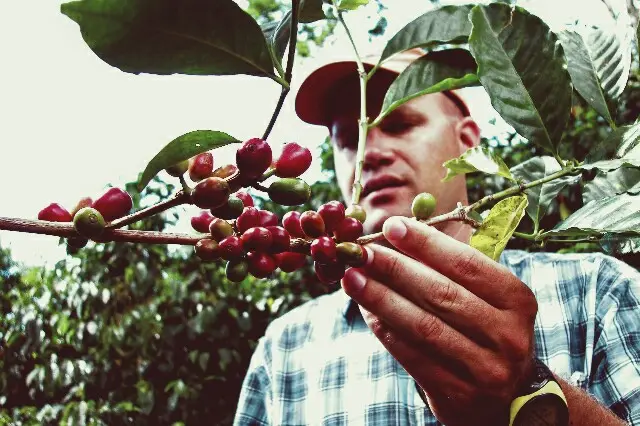
Geisha is extremely demanding in terms of growing conditions. It thrives at high altitudes, with cloud cover or tree shade protection, and requires fertile, well-drained soil. Geisha grown at high altitudes typically exhibits more pronounced floral notes and delicate fruit acidity, which is one of the main reasons for its outstanding flavor. Particularly in Panama, Geisha grown at altitudes above 1700 meters achieves the best quality. For example, both the Red Label and Green Label Geishas from翡翠庄园 come from this altitude range, and some farms even choose to plant at elevations between 1700 and 1950 meters, such as Elida Estate. Additionally, high altitude means greater diurnal temperature variation, which helps the coffee cherries accumulate richer flavor compounds.
The rarity and high price of Geisha are not only due to its demanding growing conditions but also its limited yield. Compared to other mainstream Arabica varieties, Geisha not only produces a lower yield per plant, but its thinner coffee leaves result in less efficient photosynthesis. Coupled with fragile root systems that lead to slow absorption of nutrients and water, the yield of a single Geisha tree is only about half that of the Catuaí variety. Furthermore, high-altitude cultivation means a longer ripening period and a relatively delayed harvest season, further restricting output. The person in charge of翡翠庄园 has also mentioned that Geisha requires appropriate shading, traditional pruning techniques, and skilled harvesting judgment. Any slight oversight in any step could affect the final flavor and quality.
What truly drives up the price of Geisha is its irreplaceable flavor profile. High-quality Geisha must be harvested at the precise moment of optimal ripeness and undergo swift post-harvest processing to retain its delicate aromas and layered complexity to the greatest extent. Take翡翠庄园 as an example: its auction-grade Geisha has repeatedly achieved sky-high prices at auctions over the years. In 2004, it was only 21 US dollars per pound; by 2006, it rose to 50.25 US dollars per pound; in 2007, it jumped to 130 US dollars per pound; in 2010, it climbed to 170.2 US dollars per pound. Then, in the 2017 Panama Specialty Coffee Auction, a lot of naturally processed Geisha sold for 601 US dollars per pound (approximately 8900 yuan per kilogram), setting a record at the time. Such auction-grade Geisha is only available through auctions, with high prices and limited supply. In contrast, the more commonly accessible翡翠 Red Label and Green Label Geishas are retail-grade options with relatively more affordable prices. In stores, the Red Label is 75 yuan per cup, the Green Label is 60 yuan, and non-specific farm Geisha from the Boquete region is around 30 yuan.
If you want to brew a cup of Geisha at home that approaches the quality of shop-brewed coffee, it is recommended to let the freshly roasted Geisha beans rest for 3 to 4 days after roasting to allow proper “degassing” and flavor development. When brewing, it is suggested to use a V60 #01 filter, with about 15 grams of coffee, a 1:15 coffee-to-water ratio, and water temperature controlled at 90–91°C. The grind size should be medium-fine, with a target of approximately 80% passing through a standard #20 sieve. A practical three-stage pouring method is as follows: start with 30 grams of water for a 30-second bloom, then pour in a circular motion with small amounts of water up to 125 grams in the second stage. When the water level drops to about two-thirds of the coffee bed, proceed to the third stage—pouring with a small stream in a circular motion up to 225 grams—and then stop. The total extraction time is recommended to be between 2 minutes 10 seconds and 2 minutes 20 seconds. This approach will fully showcase Geisha’s fresh floral notes, citrus tones, and delicate sweetness, with a long-lasting tea-like aftertaste that leaves a lasting impression.
The above content is compiled by CoffeeHunters, a coffee news website.


