








Introduction:Want to explore the unique charm of Single Origin Espresso (SOE)? This article delves into the definition of SOE, its differences from blends and pour over beans, and examines its flavor characteristics and extraction challenges. Through a practical case study using Ethiopia Yirgacheffe Natural Red Cherry, detailed extraction parameters and flavor descriptions are provided to help coffee enthusiasts master the application techniques of single origin beans in espresso.
In the world of specialty coffee, pour over typically uses beans from a specific single origin, while espresso is often made with blends. So, can single origin beans be used to make espresso? The answer is yes — this practice is called SOE (Single Origin Espresso), or single origin espresso. This article will introduce you to the basic concept of SOE, its flavor profile, and the main differences between blends and single origin pour over beans. We’ll also analyze why SOE poses more challenges in flavor stability. Using Ethiopia Yirgacheffe Natural Red Cherry as an example, we’ll share specific extraction suggestions and flavor profiles to give you a more comprehensive understanding of this unique coffee preparation method.
Many coffee enthusiasts know that in today’s specialty coffee shops, pour over often uses beans from a specific single origin, while espresso tends to blend beans from multiple origins — a practice closely tied to the high-pressure extraction characteristics of espresso machines. But have you ever wondered if single origin beans can also be used to make espresso? The answer is yes, and this approach is known in the industry as SOE (Single Origin Espresso). Next, we’ll take a deeper look at the definition, characteristics, and practical considerations of SOE.
The full name of SOE is Single Origin Espresso, meaning espresso made using beans from a single origin. Although the term includes “single origin,” it doesn’t mean it’s equivalent to specialty coffee. If you choose a single origin bean with distinct flavors and clear regional characteristics, you can indeed extract a strong and representative shot of espresso. However, this is closely related to the extraction principles of espresso machines — high-pressure extraction amplifies various flavor characteristics of the beans. As a result, even with the same single origin bean, the flavors of SOE are often more intense than those of pour over, but at the same time, any flaws in the beans are also more likely to stand out.
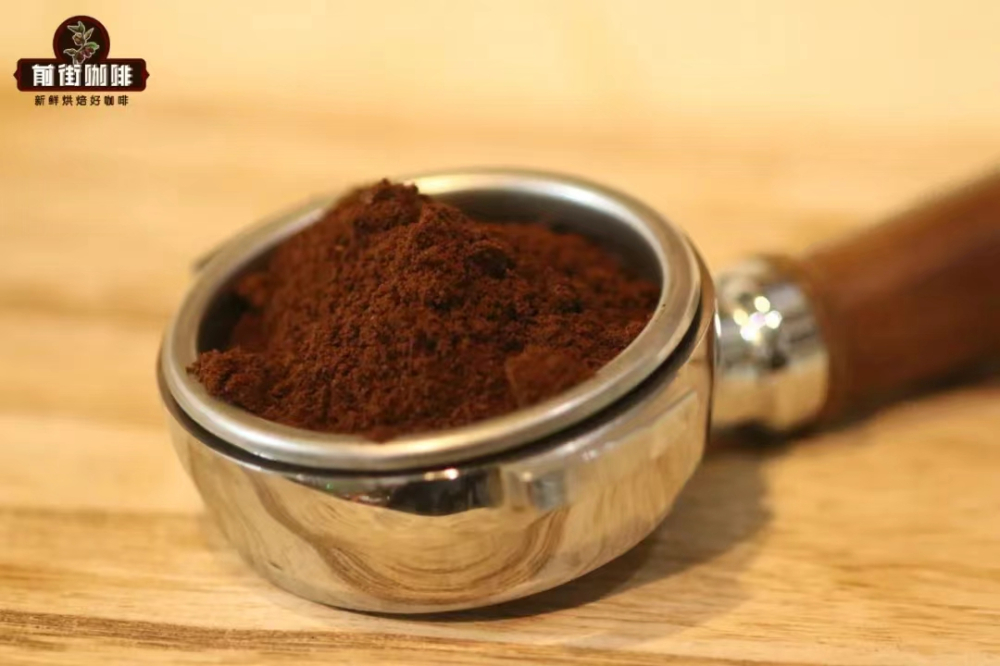
For example, Ethiopia Yirgacheffe is known for its pronounced citrus and lemon acidity. When used for SOE, these acidic traits become even more prominent. On the other hand, if you switch to Indonesia’s Mandheling, its distinctive herbal notes or even potential defect flavors will also be amplified. In addition, factors such as roast level and grind size can significantly affect the final extraction results, which is why the consistency of SOE is relatively lower. This is also one reason why some coffee shops don’t include SOE in their regular menu — they aim to provide customers with a consistent coffee experience, rather than noticeable differences from cup to cup.
Moreover, the flavor of coffee beans can vary each year due to subtle changes in regional climate. For instance, the annual flavor variation of Sidamo Huika may exist, but it’s usually within the range of predictable fine adjustments. However, the flavor fluctuations of SOE can be more dramatic and harder to control.
Despite this, SOE still has its unique appeal. Many coffee shops that focus on SOE not only serve espresso but also use it as a base for milk-based drinks like lattes or cappuccinos. The buffering effect of milk helps balance and highlight the layers of flavor, similar to how blends are paired with different ratios of milk to create mochas or lattes.
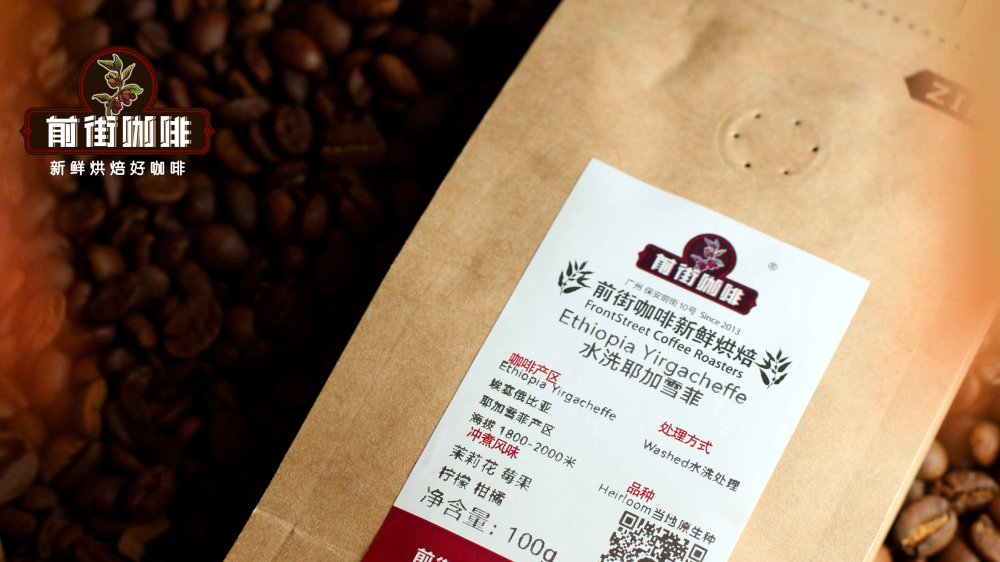
So, what’s the difference between SOE beans and regular pour over single origin beans? Simply put, using single origin pour over beans directly for espresso extraction can technically be considered SOE, but in practice, it’s not that straightforward. Compared to blends, espresso made from single origin beans is more likely to showcase clear and representative flavor characteristics. Blends, on the other hand, mix beans from multiple sources, and their strength lies in balanced and stable flavors, which can blur the distinct features of a single origin.
Therefore, compared to traditional blend espresso, SOE places greater emphasis on flavor expression. This also means that when selecting beans, priority should be given to those with distinct and strong enough flavor characteristics. If beans with more muted flavors are chosen, the resulting espresso may end up thin and weak, failing to showcase the unique personality of the single origin and also losing the balanced qualities of a blend. In this case, the value of SOE is greatly diminished.
Additionally, the choice of roast level is crucial. Overly dark roasts can mask the original regional flavors, while overly light roasts can release too much acidity under high-pressure extraction, resulting in a sharp and unpleasant taste. Moreover, lighter roasted beans are typically harder, which may also lead to under-extraction issues. Whether it's the loss of flavor characteristics or an imbalance in acidity, both go against the original intention of SOE to highlight single origin flavor expression. Therefore, the same coffee beans used for SOE and pour over usually require different roast curves.
From this, we can see that single origin beans can indeed be used to make SOE, but the roasting strategy must be adjusted based on the extraction method — and this is the key difference between the two. So, what kinds of beans are suitable for making single origin SOE? Next, we’ll recommend several types of beans suitable for this purpose and, using Ethiopia Yirgacheffe Natural Red Cherry as an example, provide practical extraction parameters and flavor descriptions.
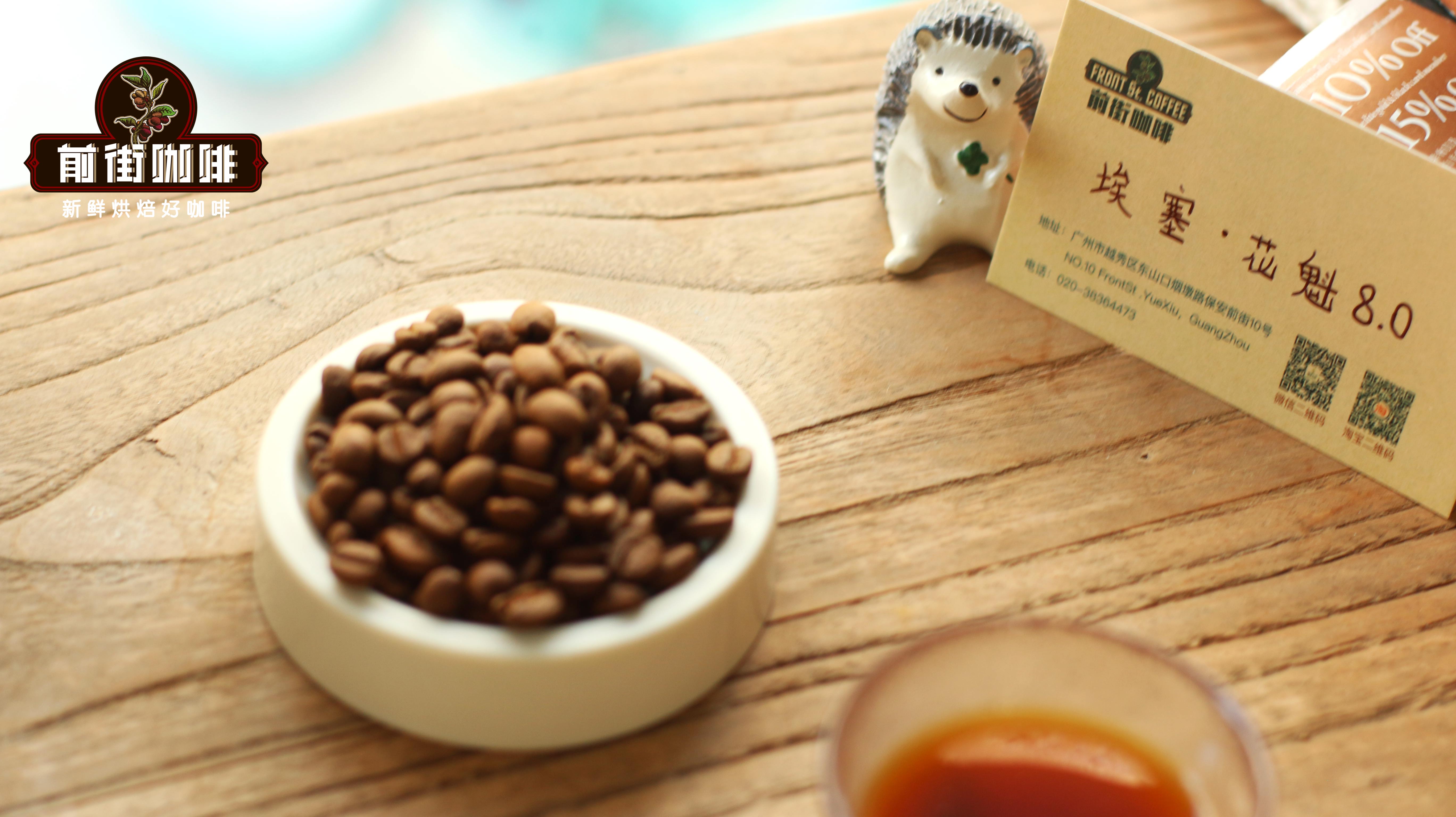
Making a great cup of SOE is no easy task. Even if it’s not part of the regular menu, many baristas go through numerous trials and adjustments during the development process. From selecting the coffee lineup to defining the desired flavor profile — such as the lemon-citrus acidity of Ethiopia Yirgacheffe or the sweet profile of Costa Rica honey-processed Baha — every step requires constant testing and optimization by the barista. Before finalizing the recipe, repeated trial extractions and flavor evaluations are often needed. That’s why behind every successful SOE lies a lot of effort, and it’s understandable that its price is slightly higher than that of regular pour over coffee.
It’s worth noting that many coffee shops prefer using Yirgacheffe as the base for SOE because it showcases rich floral characteristics and a flavor profile leaning toward pronounced acidity — perfect for coffee lovers who enjoy bright, tangy notes. In fact, Ethiopia Red Cherry is also commonly chosen for SOE. Using parameters such as 20 grams of coffee, 40 milliliters of yield, and an extraction time of about 27 seconds, you can extract an espresso with balanced body, bright acidity, and notes of citrus, berries, and subtle fermented wine-like aromas.
Below, we’ll provide a detailed introduction to the characteristics and actual extraction performance of this Ethiopia Yirgacheffe Natural Red Cherry coffee bean.
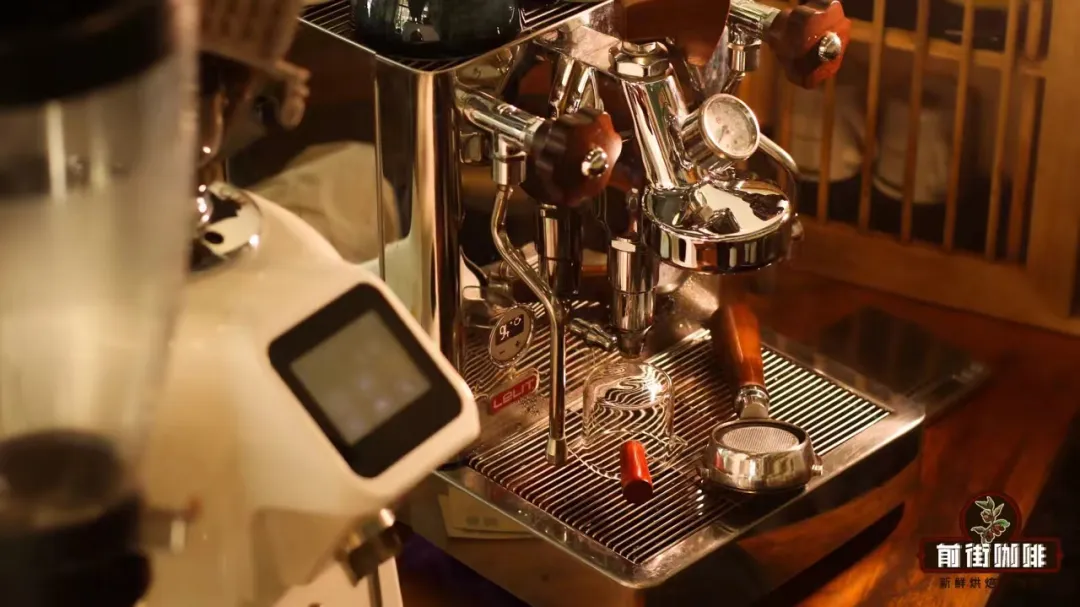
Origin: Ethiopia
Region: Yirgacheffe
Altitude: 2300 meters
Variety: Local landrace
Processing Method: Natural (Sun-dried)
Flavor Characteristics: Berries, lemon, strawberry, fermented wine aroma
Recommended Grind Size: Pegasus 900N #1.7
Recommended Dose: 20 grams
Recommended Yield: 40 milliliters
Recommended Extraction Time: 27 seconds
Flavor Description: This SOE exhibits bright citrus and berry acidity, accompanied by moderate bitterness and relatively high acidity. The overall mouthfeel is syrupy and lively, with unique fermented aromas. It’s a single origin espresso with rich flavor layers and a distinct personality.
The above content is compiled by CoffeeHunters, a coffee news website.


