







Introduction:Want to brew a cup of Colombian Huila washed coffee with balanced flavors and prominent sweetness at home? This article delves into the characteristics of Colombia’s coffee-growing regions, with a special focus on the growing environment and flavor profile of Huila. Using washed Huila coffee beans as an example, it provides practical pour over parameters and steps — including recommended water temperature, grind size, and pouring technique — to help you precisely manage extraction and consistently highlight the nutty, chocolatey, and caramel layers of the coffee.
Colombian coffee has long been favored by coffee lovers worldwide for its rich fruitiness and distinct sweetness. Especially the Arabica varieties grown at high altitudes can showcase delicate acidity and full-bodied mouthfeel. Starting with an overview of Colombia’s main coffee-producing regions, this article will guide you through the unique environment of the Huila region and take “washed Huila coffee beans” as a practical case to detail the optimal water temperature and brewing process for pour over, so that you can easily enjoy a well-balanced cup at home.
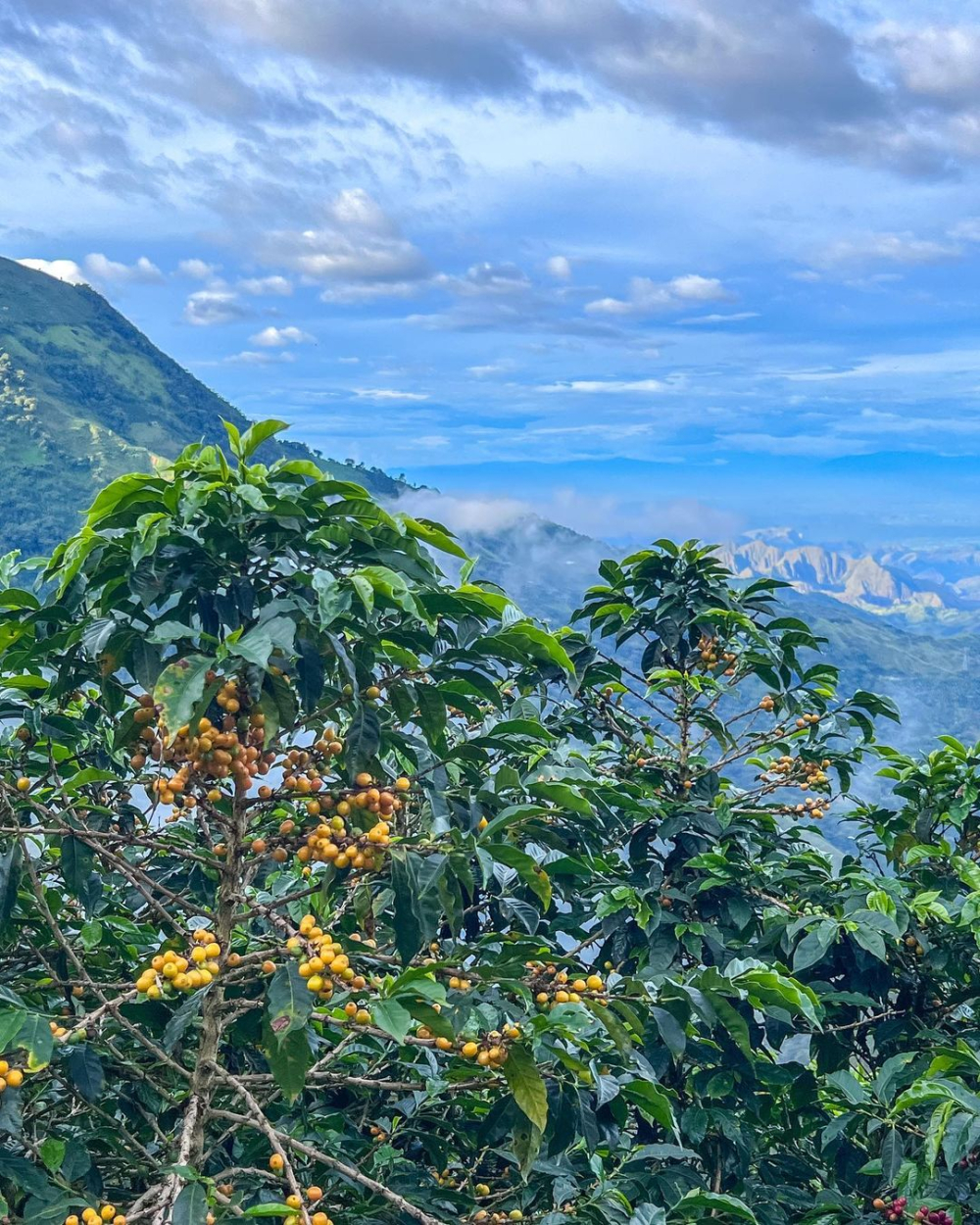
Colombia, with its extremely diverse terrain and microclimates, is a representative high-quality coffee-producing country in Central America. Its coffee regions span the entire country, among which Medellin, Armenia, and Manizales are the most well-known and are collectively referred to as the “MAM” trio. However, when it comes to the potential for specialty coffee, the southern high-altitude regions stand out even more, including Huila, Cauca, Narino, and Tolima provinces. These areas generally sit at elevations above 1500 meters, and the coffee produced here often features bright berry-like acidity, soft caramel aromas, and outstanding sweetness.

The history of Colombian coffee dates back to 1723, believed to have been introduced by Jesuit missionaries. Initially, coffee did not become widely popular right away, but by the late 19th century, it gradually emerged as an important cash crop. By 1912, coffee exports already accounted for 50% of the country’s total exports. The Colombian government and industry place great emphasis on brand development, with the most iconic being the farmer figure “Juan Valdez,” which has become a symbol of Colombian coffee quality and integrity, successfully building international recognition.
Colombia’s geographical conditions are truly a natural paradise for coffee. The country is formed by three major mountain ranges: the Western, Central, and Eastern Andes, along with the microclimates along the Pacific coast, creating a diverse array of micro-regions. Among them, Huila Province, located in the southwest of Colombia, is one of the country’s highest-yielding coffee regions. According to statistics, in 2016, Huila produced over 2.6 million bags (60 kg each) of coffee, accounting for approximately 18% of the national total, with over 154,800 hectares of land dedicated exclusively to coffee cultivation.
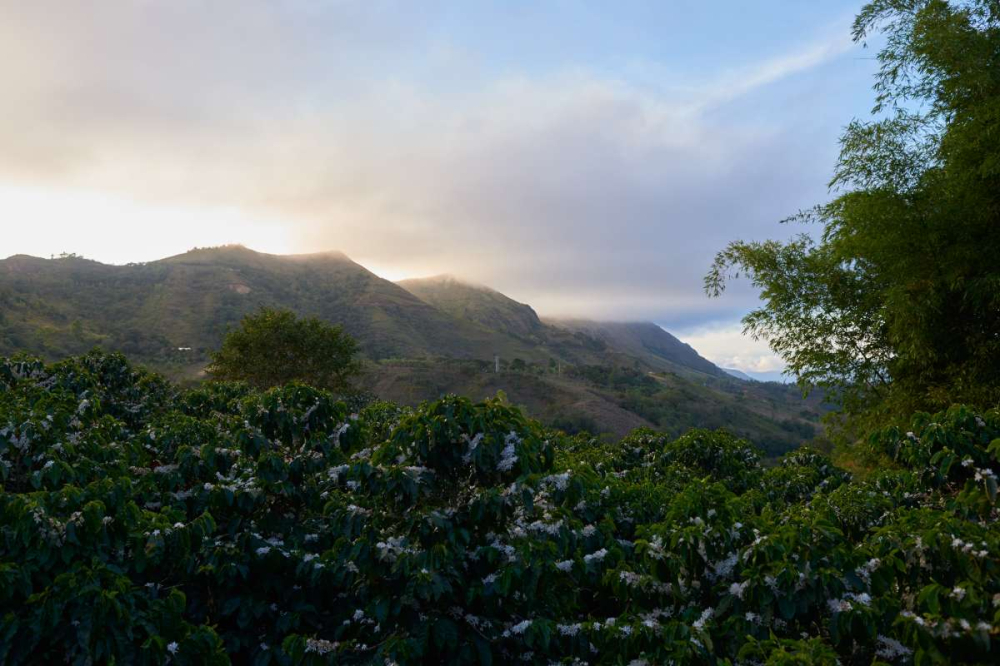
The Huila region lies between the middle and eastern sections of the Andes Mountains, mostly within the Magdalena Valley area. The climate is moderately variable, with an average annual temperature ranging between 17 to 23°C, and elevations mostly between 1200 to 1800 meters. The volcanic soil in this area is rich in nitrogen, providing an excellent nutrient source for coffee plants, and contributing to the smooth texture and balanced, stable flavor profile of Huila coffee. Typical flavor notes include nutty, chocolatey, and caramel aromas, with soft and layered acidity, delivering an overall impression like that of a refined gentleman — dignified and full of depth.
For this hands-on pour over tutorial, we selected washed coffee beans from the Huila region, of the Caturra variety, grown at elevations of 1500 to 1800 meters. This bean is roasted to a slightly darker level but still retains a clear chocolatey main note. It offers rich caramel and nut flavors upon entry, with faint fruity acidity detectable at lower temperatures. The overall sweetness performance is outstanding, making it highly suitable as a daily drinking bean.
Recommended pour over parameters are as follows: use a KONO filter cone,with water temperature controlled at 88°C,a coffee-to-water ratio of 1:15, using 15 grams of coffee powder as a suggested dose, with grind size referenced to an 80% passing rate through a Chinese No. 20 sieve (approximately medium-fine grind). For specific operation, start by pouring 30 grams of water for a 30-second bloom, then continue pouring with a small stream in circular motions. At 125 grams of water, perform the first pour break, and when the water level drops almost to expose the coffee bed, continue pouring until reaching 225 grams, then stop. Finally, wait for the water level in the filter cone to drop and nearly expose the coffee bed before removing the cone. The total extraction time is about 2 minutes. This set of parameters helps steadily present the coffee’s sweetness and layered complexity, but you may fine-tune the grind size and water temperature according to personal taste to find your ideal flavor profile.
It’s worth noting that although most daily-drinking beans are washed processed — a method that clearly highlights regional terroir and coffee variety traits — Colombia actually boasts a rich diversity of coffee varieties. In addition to common ones like Bourbon, Typica, and Catuai, it also includes native specialty varieties such as Tabi, Colombia, Maragogype, Castillo, as well as emerging varieties like Sidra and Pacamara, which have gained attention in recent competitions, all worthy of further exploration by coffee enthusiasts.
The above content is compiled by CoffeeHunters, a coffee news website.


