








Introduction:For beginners who are new to coffee, facing the overwhelming variety of coffee beans on the market can often be overwhelming. This article delves into how to choose the right coffee beans for you by focusing on three key factors: purchasing channels, roast levels, and freshness. It also provides an overview of the flavor profiles and recommended brewing methods for light, medium, and dark roasts, helping readers easily find their go-to daily beans and enhance their home pour over experience.
In recent years, more and more coffee enthusiasts have chosen to brew at home, enjoying the entire process from bean to cup. However, for beginners, selecting the right coffee beans can often be a challenge. The wide variety of coffee beans on the market, with differences in origin, processing methods, and roast levels, can greatly affect the final flavor. This article will guide beginners through three practical aspects to help them master the key points of bean selection and find the coffee beans that best suit their taste while offering good value for money.
First, the purchasing channel is one of the important factors that affects the freshness and quality of coffee beans. It is recommended to prioritize brand official flagship stores or online shops operated by businesses. This not only ensures transparent product sourcing but also provides faster delivery and real-time customer service. For example, some well-known roasting brands in the Guangdong area consistently supply a variety of self-roasted beans, covering major coffee-producing regions from Africa, Central and South America to Southeast Asia. All beans are freshly roasted and shipped within a short time, ensuring that customers receive them at their optimal flavor peak. These brands usually offer a diverse selection, including various types suitable for pour over, French press, and espresso, making it easy for beginners to gradually try and compare based on their own needs.
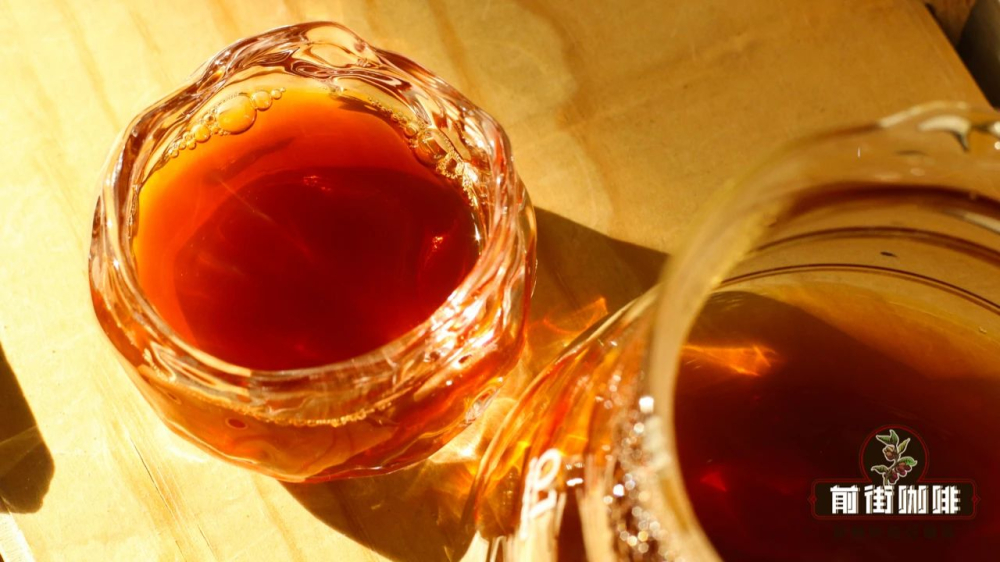
The second key point is understanding how different roast levels affect coffee flavor. Currently, commercially available coffee beans can generally be divided into three main types: light roast, medium roast, and dark roast. Each roast level has its unique aroma characteristics and suitable brewing methods. Lightly roasted coffee beans are usually roasted for a shorter time, have a lighter color, and exhibit pronounced acidity, often featuring fresh notes such as fruit and floral tones. They are suitable for those who prefer a clean and refreshing taste. For instance, some single-origin beans from Ethiopia or Kenya are often known for their bright citrus acidity and berry aromas. It is recommended to brew them using pour over, cold brew, or drip bags to fully showcase their delicate layers.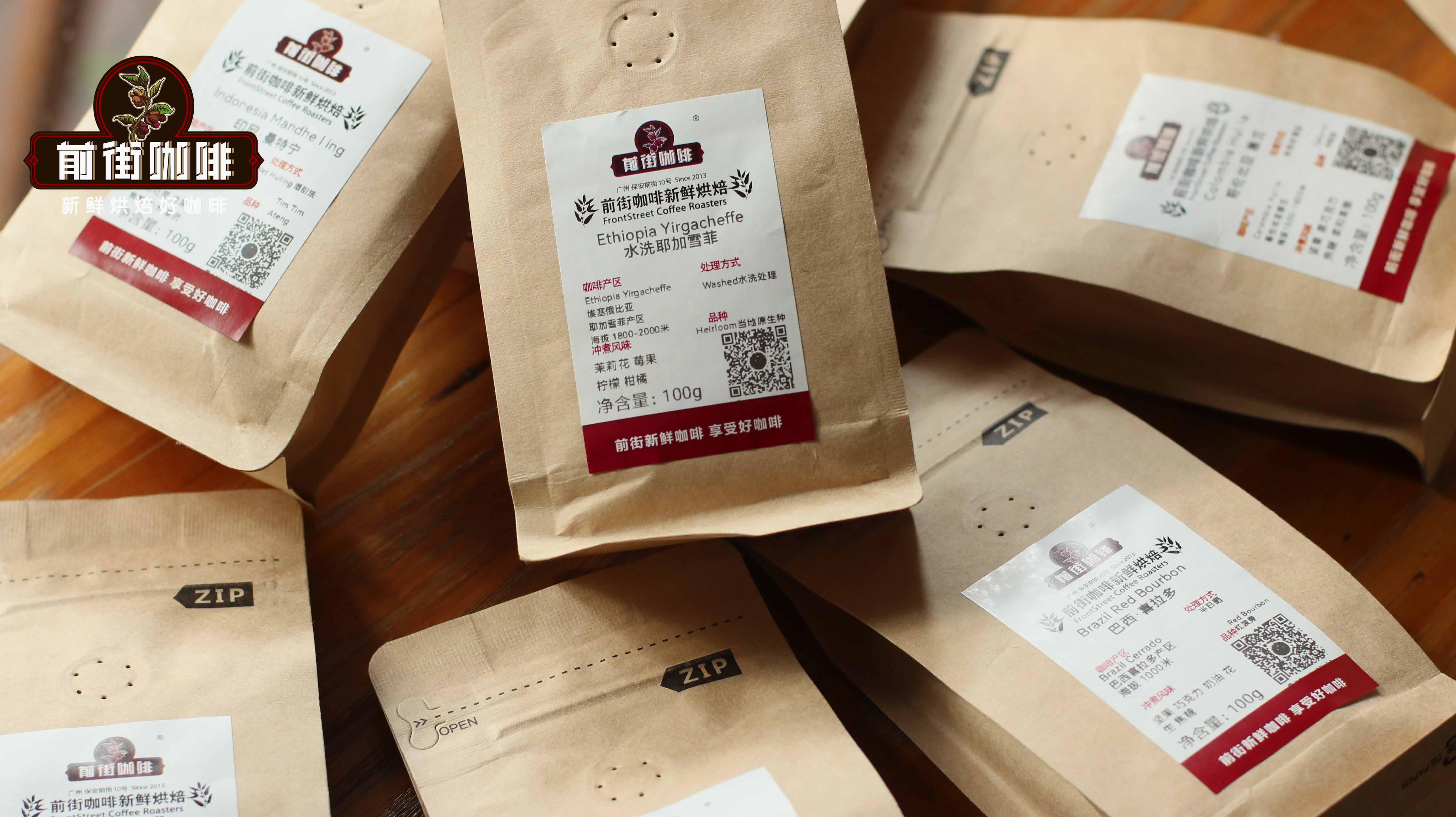
Medium roast is the preferred choice for most coffee lovers. These beans achieve a balance between acidity and sweetness during the roasting process, with moderate caramelization reactions, often presenting warm aromas such as nuts, caramel, malt, and chocolate. The bitterness is not prominent, but the aftertaste is noticeable. Such beans are suitable for use with pour over, drip bags, moka pots, or drip-style American coffee machines, and are commonly used for everyday drinking or office settings. Some classic medium-roast beans, such as Yunnan Typica or specific regional blends, are favored by many households for their stable flavor profile and affordable price.
As for dark roast, it usually has the most intense flavor and the darkest color. With the longest roasting time, the aroma is concentrated and features distinct smoky and charred notes, with a stronger bitterness but a long-lasting aftertaste. These beans are often used for espresso or milk-based drinks and are also suitable for drinkers who prefer a bold flavor. Common flavor profiles of dark roast beans include black chocolate, spices, toasted bread, and caramel. Some popular dark roast pour over beans can also showcase rich layers and a full-bodied mouthfeel. Common dark roast single-origin beans, such as Indonesia’s Mandheling series or certain blends, are favored by many advanced coffee enthusiasts.
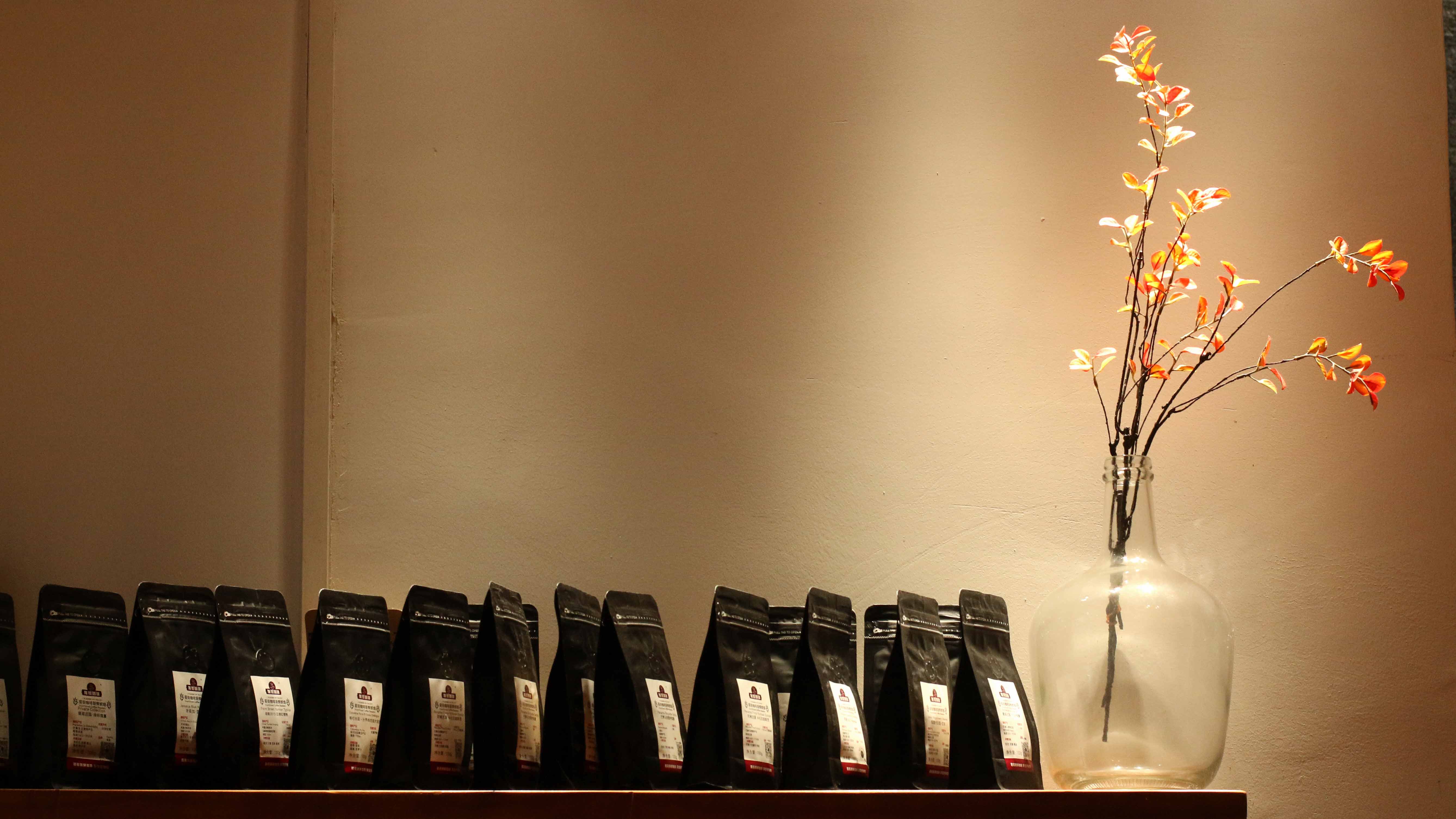
Finally, and perhaps the most overlooked point, is the “freshness” of the coffee beans. After roasting, the flavor of coffee beans gradually changes over time. Generally speaking,the optimal flavor period is 4 to 30 days after roasting. During this period, the aroma and flavor of the beans are at their peak, especially for pour over or other methods that require delicate extraction, where freshness is crucial. After 30 days, even with proper storage, the volatile aromatic compounds in the beans will significantly decline, affecting the overall flavor. Therefore, it is recommended that consumers pay attention to the roasting date on the packaging when purchasing and try to choose sellers who can provide information on recently roasted beans, ensuring they get coffee beans that are still in their flavor prime.
In summary, for coffee beginners, choosing the right coffee beans is not complicated. By starting with a reliable purchasing channel, understanding the flavor characteristics brought by different roast levels, and ensuring the beans are freshly roasted, you can easily find your ideal beans that suit your taste. Whether you are just starting with pour over or looking to expand your coffee exploration, mastering these three key points will allow you to enjoy a richer and more satisfying coffee experience.
The above content is compiled by CoffeeHunters, a coffee news website.


