







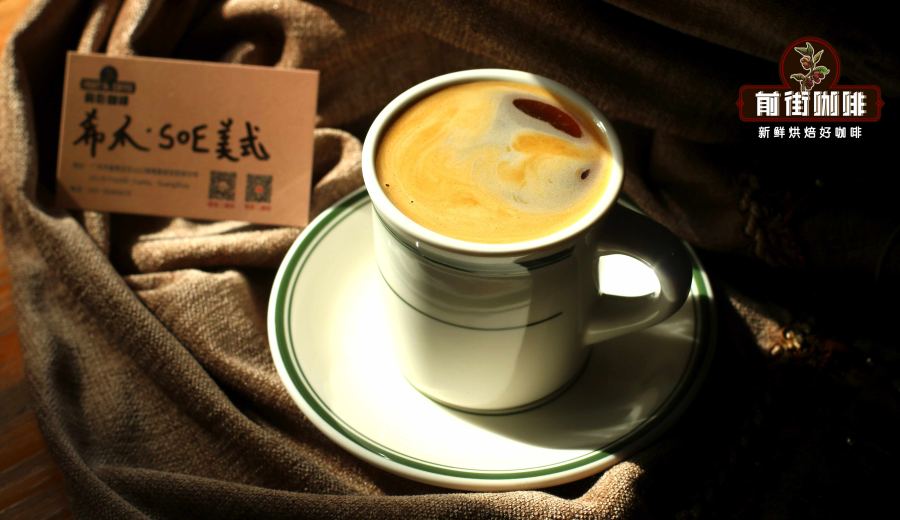
Introduction:SOE (Single Origin Espresso) refers to espresso made from single-origin beans, capable of highlighting distinct regional flavors, but it tends to be pricier and less consistent in quality between batches. This article delves into the definition, historical background, and extraction characteristics of SOE coffee, comparing it with regular single-origin beans in terms of roasting and brewing methods. Using Yirgacheffe Red Cherry beans as an example, it provides practical SOE and pour-over parameters along with flavor profiles to help coffee enthusiasts gain a comprehensive understanding of this distinctive coffee type.
For many beginners stepping into the world of espresso, the term SOE may sound novel and carry a sense of premium sophistication. In reality, SOE stands for “Single Origin Espresso,” which is espresso made using beans from a single origin. This type of coffee emphasizes regional characteristics, showcasing clear regional flavors such as bright acidity, floral and fruity notes, or even unique sweetness. However, it also comes with challenges such as higher pricing and batch inconsistency. This article will take you from the basic definition, explore the historical origins, advantages, and limitations of SOE, further analyze how SOE differs from regular single-origin beans in roasting levels and extraction methods, and finally use Ethiopian Red Cherry coffee beans as an example to detail actual SOE and pour-over parameters and flavor descriptions, helping you better understand how to choose and brew your own SOE.
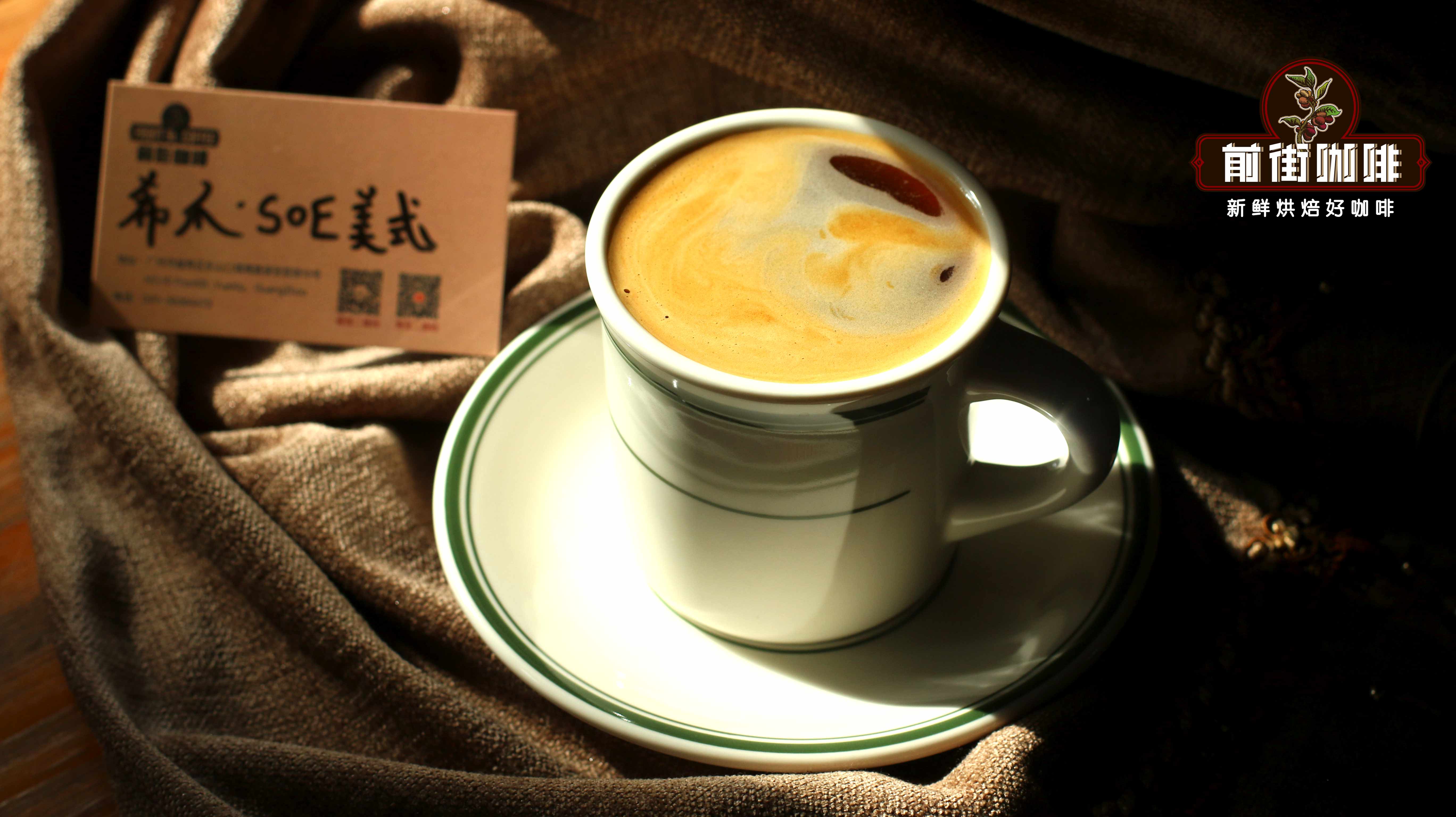 Many novice coffee drinkers are unfamiliar with the term SOE, even mistakenly assuming it’s a synonym for some kind of high-end specialty or artisanal coffee. In fact, SOE simply refers to espresso extracted using beans from a single origin—it’s not an especially rare technique, but it has garnered attention because it can clearly express regional characteristics. However, since coffee beans are agricultural products, annual climate variations can affect harvests, leading to slight differences in the flavor profile of SOE from the same origin each year, which is one of its challenges. Additionally, SOE is usually more expensive, and some are made from micro-lot beans with limited production, adding to its exclusivity. Understanding this background will allow you to better appreciate the uniqueness that each cup of SOE represents.
So, what exactly is SOE coffee? Simply put, SOE is the abbreviation for “Single Origin Espresso,” which can also be translated as single-origin espresso. Unlike common blended beans, SOE emphasizes using coffee beans from the same origin or even the same farm to make espresso, thus more clearly showcasing the flavor characteristics of that region. For example, if you prefer coffee with bright acidity, you can opt for an SOE made from Yirgacheffe; if you like a richer, lower-acidity taste, you might try an SOE based on Sumatra or Mandheling. This single-origin trait is precisely what makes SOE so captivating.
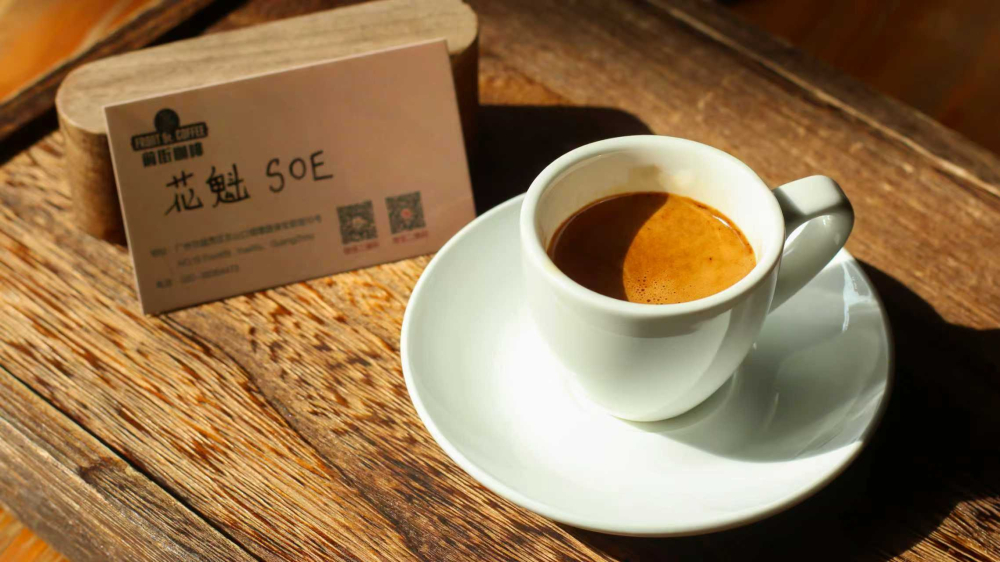 Compared to traditional blends, the most distinctive feature of SOE is its ability to highlight the unique flavors of a specific region, which is also why it has remained popular on the international market for over a decade. However, awareness of SOE in China is still in a developmental stage, and many coffee drinkers may never actively ask whether an SOE option is available when entering a café. The advantage of SOE lies in its clear and representative flavors, while its disadvantages include higher prices, supply instability, and significant seasonal influence. For instance, certain vintages of Yirgacheffe may, due to weather factors, exhibit overly sharp acidity or insufficient sweetness, so each batch of SOE coffee can bring different surprises or challenges.
Many people wonder, if SOE is also made using single-origin coffee beans, how does it differ from regular single-origin pour-over coffee? The key lies in the roast level and extraction method. First, in terms of roast level, SOE typically requires a darker roast than regular pour-over coffee to deliver rich flavors and sufficient crema (coffee oils) during extraction, though not as dark as traditional commercial blends that aim for intense bitterness. If lightly roasted single-origin beans are used directly for SOE, they may lack enough oils, resulting in a thin flavor and overly prominent acidity—for example, Yirgacheffe used for SOE with too light a roast can easily produce an unpleasant sharp sourness.
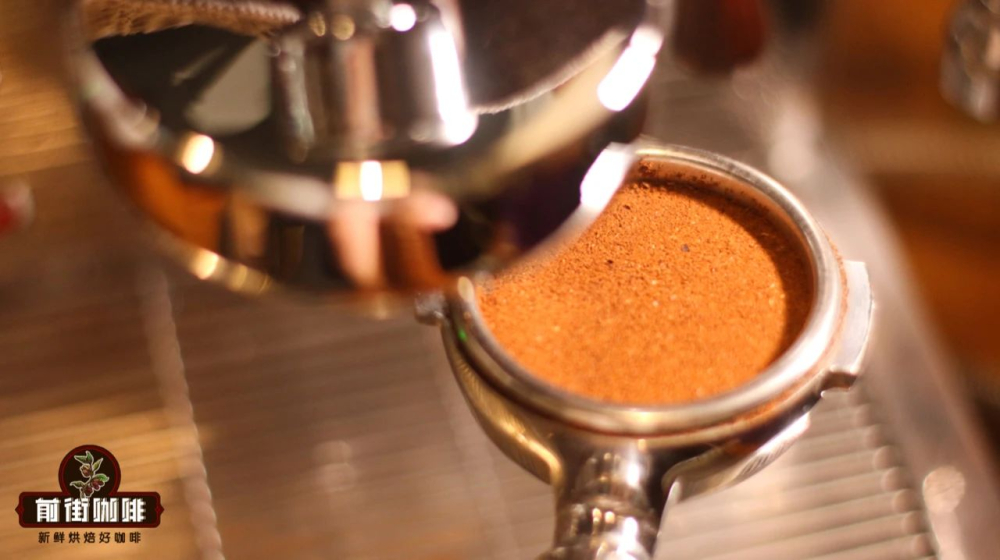
In terms of extraction methods, SOE is made using a high-pressure espresso machine, which places stricter requirements on grind size, puck tamping, water temperature, and extraction time. It is generally recommended to extract for about 25 to 30 seconds, with a common coffee-to-espresso ratio of 1:2—for example, 20 grams of coffee grounds yielding 40 grams of espresso. These parameters should be fine-tuned according to the bean’s roast level, origin characteristics, and machine condition. In contrast, pour-over coffee relies less on equipment but equally important is the control over water temperature, coffee-to-water ratio, pouring technique, and timing, making it well-suited for highlighting the nuances of fruit acidity and sweetness—for example, using a V60 filter cone with sugar-like fine grind can bring out more floral and fruity aromas along with honey-like sweetness.
The following uses Ethiopian Red Cherry coffee beans as an example to compare the actual performance of SOE and pour-over. These beans are grown in Yirgacheffe at an altitude of about 2000 meters, of local heirloom variety, processed via sun-drying, and possess excellent flavor potential. When used as an SOE, it is recommended to apply a medium-light to medium roast to balance acidity and sweetness and ensure stable crema formation during extraction. Specific parameters are as follows: 20 grams of coffee grounds, extracting 40 grams of espresso, with a total extraction time of about 27 seconds, and a grind size recommended to be around #1.7 on the Feima 900N grinder, considered medium-fine. Under these parameters, the SOE exhibits medium acidity, medium-low bitterness, with a berry juice-like character and subtle tea notes, a viscous mouthfeel, and a long aftertaste, though the crema stability is slightly poor and dissipates quickly.
Using the same Red Cherry beans but switching to pour-over, it is recommended to use water at about 91°C, a 1:15 coffee-to-water ratio, paired with a V60 filter cone and a medium-fine grind akin to caster sugar. The suggested pour-over steps are: first blooming with 30 grams of water for 30 seconds, then pouring in a small circular motion up to 115 grams for the first pour, followed by a slow circular pour up to 225 grams before stopping, with a total extraction time of about 2 minutes. These pour-over parameters fully showcase the bean’s tropical fruit, strawberry, and berry aromas, along with a distinct honey-like sweetness, resulting in an overall flavor that is fresh and bright—ideal for coffee lovers who enjoy fruity acidity and floral-fruity profiles.
In summary, SOE coffee is a type of espresso that highlights the flavors of a single origin. With the right roasting and precise extraction, it can present unique regional characteristics and complex layers. Although price and consistency are challenges, for enthusiasts eager to deeply explore coffee terroirs, SOE offers a more distinctive choice. Whether you prefer the bold intensity of SOE or the crisp delicacy of pour-over, understanding these extraction parameters and flavor traits can help you find the coffee experience that best suits your taste.
The above content is compiled by CoffeeHunters, a coffee news website.


